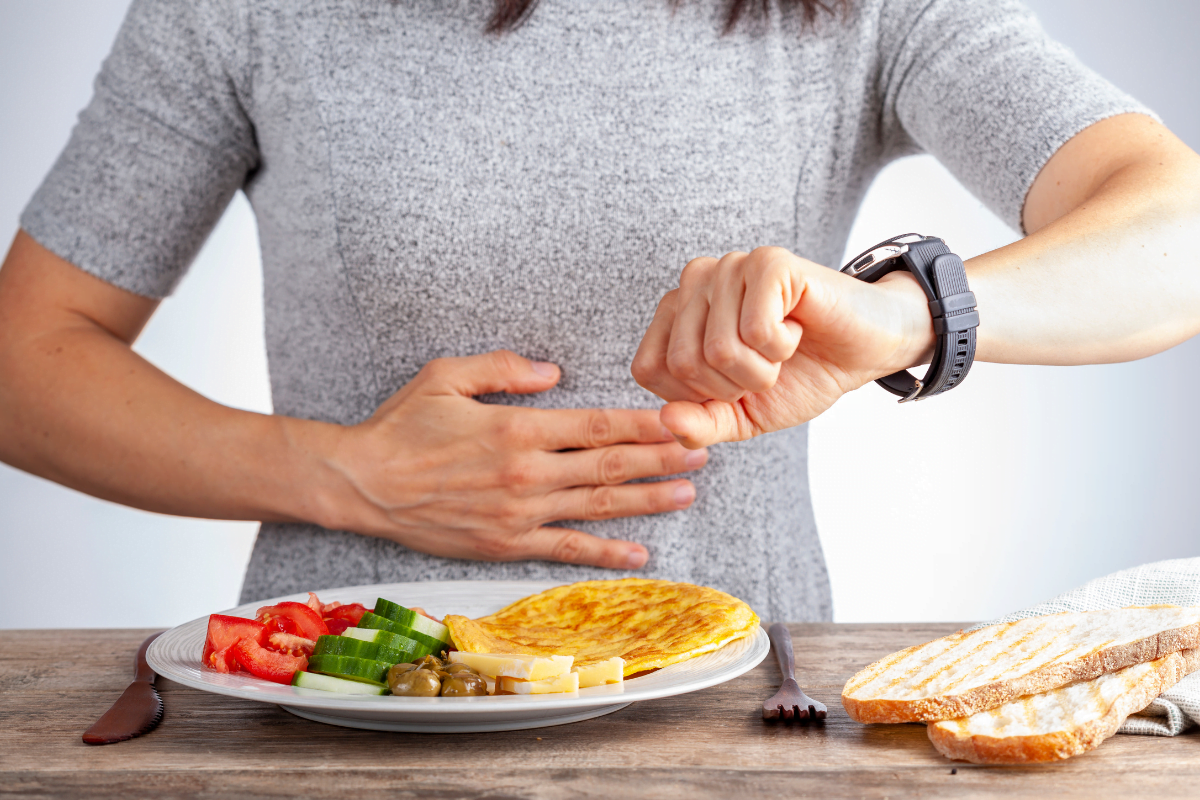
Category: Weight Management

Weight changes can affect energy, mood, and daily routines. This Weight Management hub supports informed browsing for patients and caregivers. It brings together medication navigation and plain-language education in one place. Some people start with nutrition counseling and activity changes. Others explore medical weight management options with a prescriber. Ships from Canada to US is available for select prescriptions.

Use this page to compare approaches and learn key terms. Browse related topics like Overweight when weight is part of a bigger health picture. Many guides also discuss metabolic health, including blood sugar and cholesterol basics. Dispensing is handled by licensed Canadian partner pharmacies.

Information here is general and non-prescriptive. It helps organize questions for a clinical visit. It also helps with practical pharmacy steps and documentation.

Weight Management Overview

Weight is not only about willpower. It can relate to hormones, sleep, stress, and some medicines. Clinicians may describe this as obesity management or metabolic health support. Body mass index (BMI) is one screening tool, not a diagnosis. For BMI screening basics, see CDC adult BMI guidance.

Modern care can combine lifestyle medicine, behavioral health, and medications. Some options aim to support appetite management and blood sugar regulation. GLP-1 receptor agonist (appetite and blood sugar signaling medicine) is one class discussed often. Education helps set realistic expectations and reduce stigma.

Why it matters: Clear, shared goals can reduce frustration and improve follow-through.

What You’ll Find in This Category

This hub is a browsing and learning center. It includes links to product groupings and condition-aligned pages. It also connects to reading that explains terms and safety topics. Start by browsing the Weight Management collection for grouped listings and filters. Then review educational content to understand common pathways.

People often compare non-surgical weight loss approaches side by side. That might include nutrition patterns, behavioral weight management tools, and prescription options. Some guides discuss GLP-1 weight management and related medications by class. The goal is clarity, not one-size-fits-all recommendations.

How to Choose

A Weight Management plan works best when it matches health needs. Choices depend on goals, medical history, and current medications. Administrative details also matter, including refill cadence and monitoring plans. This checklist can support a structured discussion with a clinician.

Match the approach to health needs

Some people need weight loss support focused on habits and routines. Others need a combined approach that includes prescription therapy. Prior weight cycling, sleep issues, or mood symptoms can shape the plan. Some medicines can contribute to weight gain or appetite changes.

  • Primary goal, such as metabolic health, mobility, or energy.
  • Current conditions that may affect care, including diabetes or sleep apnea.
  • Medication list, including over-the-counter products and supplements.
  • Comfort with injections versus oral options, if applicable.
  • Ability to attend follow-ups for monitoring and lab review.

Compare support services, not only medications

Programs vary in how they provide nutrition counseling and behavior change tools. Some include a dietitian for weight loss or coaching support. Others focus mainly on prescriptions and check-ins. Consider what improves adherence and reduces overwhelm.

  • Nutrition education style, including meal planning versus flexible frameworks.
  • Behavioral tools, such as tracking, cue awareness, and stress skills.
  • Clear plan for side effect monitoring and when to seek care.
  • Realistic expectations about plateaus and long-term maintenance.
  • Access needs, including telehealth weight management when appropriate.

Safety and Use Notes

Weight Management medications can have meaningful risks and limitations. Safety depends on the specific drug, health history, and other medicines. Side effects may be mild, serious, or delayed. Labels and clinician guidance should set the safety framework.

Some therapies affect appetite, digestion, or blood sugar signaling. Common issues can include nausea, constipation, or diarrhea. Serious warnings may apply for certain conditions and life stages. A useful reference is Ozempic Safety Checklist, which outlines questions to raise clinically.

  • Review contraindications and warnings from official labeling.
  • Track new symptoms and report urgent red flags promptly.
  • Discuss pregnancy planning and breastfeeding status with a prescriber.
  • Ask about interactions, especially with diabetes or blood pressure drugs.
  • Consider mental health support when weight affects mood and self-image.

When a prescription is required, it is verified with the prescriber.

For broader context on obesity as a chronic condition, see NIDDK overview of adult overweight and obesity.

Access and Prescription Requirements

Some Weight Management items require a valid prescription, while others may not. Requirements vary by product type and local rules. Administrative readiness can prevent delays and reduce back-and-forth. Use this section for planning steps, not clinical decisions.

  1. Confirm whether the selected item requires a prescription on its page.
  2. Ensure prescriber details and contact information are current.
  3. Be ready to share an updated medication list and allergies.
  4. Watch for requests to clarify directions or confirm recent changes.
  5. Plan ahead for continuity, especially during travel or schedule shifts.

Cross-border access is offered using cash pay for those without insurance. Some people use this option when coverage is limited or complex. When relevant, the platform routes dispensing through Canadian partners that are licensed. For pet caregivers managing diabetes supplies, Caninsulin Vial is also available as a separate category item.

Quick tip: Keep documents and refill notes together in one account record.

This service connects U.S. patients to Canadian partner pharmacies for dispensing.

This content is for informational purposes only and is not a substitute for professional medical advice.


  • Ozempic and Intermittent Fasting: Safer Timing and Meals

    Ozempic and Intermittent Fasting: Safer Timing and Meals

    You can often combine ozempic and intermittent fasting, but the safest plan is usually gentle, flexible, and clinician-informed. The goal is not to eat as little as possible. It is to build a steady eating pattern that protects hydration, protein intake, blood glucose, digestion, and energy while semaglutide affects appetite.

    This matters because GLP-1 medicines can make you feel full sooner. Fasting can then make it too easy to under-eat, skip fluids, or miss warning signs such as dizziness. A shorter eating window may help some adults, but it should never crowd out nutrition or medication safety.

    Key Takeaways

    • Start conservatively: A 12/12 or 14/10 window is often easier than 16/8.
    • Protect nutrition: Protein, fiber, fluids, and electrolytes matter more than fasting length.
    • Watch side effects: Nausea, constipation, fatigue, and dizziness may worsen with aggressive fasting.
    • Personalize the window: Work, sleep, hormones, diabetes medicines, and Ramadan all change the safest plan.
    • Track patterns: Plateaus often reflect intake, movement, sleep, stress, or constipation rather than failure.

    How Ozempic and Intermittent Fasting Can Fit Together

    Ozempic and intermittent fasting may work together because both can reduce unplanned eating, but they act in different ways. Semaglutide is a GLP-1 receptor agonist, a medicine that mimics an incretin hormone involved in appetite and blood glucose signaling. Time-restricted eating narrows when you eat, which may help some people reduce grazing.

    That overlap can be useful. If semaglutide reduces hunger, a simple eating window may feel less stressful than frequent calorie counting. It can also create predictable meal times, which helps busy adults plan protein, fiber, and fluids. For broader medication background, see Semaglutide Basics.

    The risk is overcorrection. Some people eat too little, especially during dose changes or early nausea. Others drink less because they are not eating often. That can worsen constipation, headache, low energy, and lightheadedness. If you use insulin, a sulfonylurea, or other glucose-lowering medicine, fasting should be discussed with your prescriber because hypoglycemia risk can change.

    Why it matters: A fasting plan should make daily care simpler, not more fragile.

    Choosing a Fasting Window That Protects Energy

    The best fasting window on Ozempic is the one that lets you eat enough nourishing food without worsening symptoms. Many adults do better starting with a 12-hour overnight fast, such as 7 p.m. to 7 a.m. If that feels stable, a 14/10 schedule may be a reasonable next step.

    A 16/8 intermittent fasting schedule is popular, but it is not automatically better. It can be too tight if you feel full quickly, have nausea, train hard, work long shifts, or need several smaller meals. If you try it, pay attention to how you feel during the last fasting hours and after your first meal.

    Gentle schedule options

    • 12/12 schedule: Best starting point for side-effect monitoring.
    • 14/10 schedule: Often practical for workdays and families.
    • 16/8 schedule: Consider only if meals remain complete.
    • Earlier window: May suit people with evening snacking.
    • Flexible window: Useful for shift work, travel, or training days.

    Meal quality matters more than the label on the schedule. Build meals around lean protein, high-fiber carbohydrates, vegetables, and healthy fats in portions you tolerate. For practical ideas, use Ozempic Diet Food Choices to plan filling meals without making the window too restrictive.

    If certain foods worsen reflux, nausea, or fullness, adjust texture and portion size before shortening the fast. Large fried meals, sugary drinks, alcohol, and oversized portions can be harder to tolerate for some people. For simple swaps, see Foods To Avoid On Ozempic.

    What Happens If You Do Not Eat Enough?

    Not eating enough while on a GLP-1 can leave you under-fueled even when hunger feels low. Appetite is only one signal. Your body still needs protein, fluid, sodium, potassium, vitamins, minerals, and enough total energy to support daily activity.

    Common signs that your fasting window may be too aggressive include shakiness, dizziness, unusual fatigue, headaches, constipation, irritability, trouble concentrating, or feeling overly full after only a few bites. These symptoms do not always mean danger, but they are signals to slow down and reassess.

    If vomiting, severe abdominal pain, fainting, confusion, repeated low glucose readings, or signs of dehydration occur, seek medical guidance promptly. People with diabetes, kidney disease, pregnancy, a history of eating disorders, gastroparesis, or blood pressure concerns should get individualized advice before fasting.

    Weekly semaglutide is not normally timed around meals, but your full medication list matters. Do not change prescribed doses or stop medicines because of fasting without speaking with your clinician. If injection technique affects consistency, Managing Ozempic Side Effects covers symptom patterns that may affect eating.

    Protein, Fiber, and Fluids Come Before Longer Fasts

    A safe fasting routine starts with what happens inside the eating window. If your meals are small, protein-poor, or low in fiber, a longer fast may increase fatigue and cravings. This is especially important during active weight loss, when lean muscle preservation matters.

    Aim to include protein at each main meal when tolerated. Examples include eggs, fish, poultry, Greek yogurt, tofu, beans, lentils, or other options that fit your culture and budget. Add fiber through vegetables, fruit, oats, barley, beans, lentils, nuts, seeds, or whole grains in portions that your digestion accepts.

    Hydration deserves a plan because fasting can mask thirst. Water, unsweetened tea, and mineral-containing fluids may help. If you have heart, kidney, or blood pressure conditions, ask your clinician before using electrolyte products or increasing sodium.

    Quick tip: Break the fast slowly, then wait before deciding on second portions.

    If you are balancing medication with school, caregiving, or shift work, predictable meal anchors help. Two planned meals and one portable snack may work better than a rigid 16/8 schedule. For routine-building ideas, see Busy Lifestyle Strategies.

    Women, Hormones, and Different Life Stages

    An intermittent fasting schedule for women should leave room for menstrual cycles, perimenopause, training, iron needs, and caregiving demands. Some women feel well with time-restricted eating. Others notice sleep disruption, cycle changes, increased cravings, or lower exercise tolerance when fasting becomes too strict.

    During heavier training days, long workdays, or the premenstrual phase, a wider eating window may be more realistic. Iron-rich foods, adequate protein, and regular meals can be especially important if intake is low. If periods become irregular, symptoms intensify, or food restriction feels hard to control, pause fasting and discuss the pattern with a clinician or registered dietitian.

    Perimenopause can also change appetite, sleep, muscle mass, and glucose response. In that setting, resistance training, protein distribution, and sleep routines may matter as much as the fasting window. A gentle 12/12 or 14/10 plan may be more sustainable than a strict daily fast.

    Insulin Resistance, Diabetes, and Glucose Monitoring

    For insulin resistance, an earlier and consistent eating window may be more useful than a very long fast. Late-night meals can raise overnight glucose for some people. Earlier meals may also support sleep and reduce evening snacking, though individual responses vary.

    If you monitor glucose, look for patterns rather than single readings. Repeated lows, repeated highs, or symptoms should be reviewed with your healthcare team. If you use a continuous glucose monitor, time-in-range can help you discuss patterns, but it does not replace clinical judgment.

    Some readers ask, does fasting increase GLP-1. Fasting and meal timing can influence gut hormones, but Ozempic works through a medication effect at GLP-1 receptors. Do not assume that longer fasting will duplicate or strengthen a prescription effect. The safer question is whether your plan supports stable meals, hydration, and medication tolerance.

    For people with type 2 diabetes, nutrition targets should reflect medications, glucose data, kidney health, and personal preferences. The Type 2 Diabetes collection can help you browse related topics, but medication changes should stay with your prescriber.

    Plateaus and Realistic Progress While Fasting

    If progress stalls, it does not mean ozempic and intermittent fasting have stopped working. Weight changes are affected by fluid shifts, constipation, sleep, stress, menstrual cycles, medication timing, activity, and total intake. A plateau is a cue to investigate, not to punish yourself with a harsher fast.

    Many people ask, why am I not losing weight on semaglutide. Common contributors include low protein, hidden liquid calories, frequent grazing inside the window, reduced movement from fatigue, constipation, poor sleep, and stress eating. Sometimes the fasting window is too narrow, causing rebound eating later.

    A simple one-week review can be enough. Track meal timing, protein sources, fluids, bowel habits, steps or workouts, sleep, and symptoms. Then look for one or two changes that feel realistic. You may not need a new schedule; you may need better meal structure or side-effect support.

    This calculator can help you review weight change and goal progress in general terms. It does not predict medication results or replace medical guidance.

    [weight-loss-progress-calculator]

    If weight management is your main reason for reading, the Weight Management collection offers broader lifestyle context. If you want to understand access pages for the medicine itself, the Ozempic product page gives product-specific navigation without replacing prescriber advice.

    Ramadan and Other Religious Fasts

    You may be able to continue GLP-1 therapy during Ramadan or other religious fasts, but planning should happen before the fast begins. The main concerns are dehydration, nausea, meal quality, glucose changes, and how other medicines interact with long fasting hours.

    For Ramadan, suhoor and iftar need to carry more nutritional weight. Include protein, fiber-rich carbohydrates, fluids, and foods that digest comfortably. Avoid turning the evening meal into one large, heavy sitting if that worsens reflux or nausea. Smaller portions over the permitted eating period may be easier.

    Ask your clinician how to handle vomiting, missed meals, repeated low glucose readings, or dehydration symptoms. People using insulin or sulfonylureas need particular care because low blood sugar risk can be higher. Those with type 1 diabetes, advanced kidney disease, pregnancy, frailty, or recent severe illness need individualized religious fasting guidance.

    Practical Safety Checks Before You Tighten the Window

    Before moving from 12/12 to 14/10, or from 14/10 to 16/8, make sure the basics are stable. Your plan should support life outside the kitchen: work, study, caregiving, sleep, movement, and social meals.

    • Symptoms: Nausea, dizziness, or constipation are controlled.
    • Protein: Meals contain a clear protein source.
    • Hydration: Fluids are steady across the day.
    • Glucose: Readings and symptoms are not concerning.
    • Movement: Energy supports walking or strength work.
    • Flexibility: The plan can loosen during illness or travel.

    Ozempic and intermittent fasting should not require isolation, fear, or perfection. If the plan makes you anxious around food, causes repeated symptoms, or crowds out nutrition, it is too strict. A wider window with better meals is often safer than a narrow window with poor intake.

    Patients comparing GLP-1 options may also want to understand different formats. Rybelsus is an oral semaglutide product page, while Wegovy is a related semaglutide product page used for navigation and product context. BorderFreeHealth connects U.S. patients with licensed Canadian partner pharmacies, and prescription details are verified with prescribers when required before pharmacy dispensing.

    Authoritative Sources

    For medication safety, review the current official prescribing details through the Ozempic prescribing information page. It outlines approved uses, warnings, contraindications, and important adverse reactions.

    For diabetes nutrition and individualized care principles, see the American Diabetes Association Standards of Care. These standards emphasize personalized nutrition, medication safety, and cardiometabolic risk management.

    For time-restricted eating research context, review this early time-restricted feeding study. It supports cautious discussion of meal timing, while not proving that every fasting schedule suits every person.

    Recap

    Ozempic and intermittent fasting can be a reasonable pairing for some adults when the plan is gradual, nourishing, and flexible. Start with a shorter overnight fast, protect protein and fluids, and avoid chasing the longest possible window. If symptoms, glucose concerns, or food restriction patterns appear, step back and seek individualized care.

    The safest plan is the one you can sustain while still eating enough, moving comfortably, sleeping well, and honoring your culture and health needs. Progress should support your life, not shrink it.

    This content is for informational purposes only and is not a substitute for professional medical advice.

  • Side Effects of Ozempic: Safety, Symptoms, and Warning Signs

    Side Effects of Ozempic: Safety, Symptoms, and Warning Signs

    The side effects of ozempic are usually digestive, especially nausea, vomiting, diarrhea, constipation, reflux, and stomach pain. These symptoms often appear after starting treatment or increasing a dose, but they still deserve attention. Some reactions are uncommon yet serious, including severe dehydration, pancreatitis (inflammation of the pancreas), gallbladder problems, kidney strain, or allergic symptoms. Knowing the difference helps you respond sooner and discuss concerns clearly with your prescriber.

    Key Takeaways

    • Common symptoms: nausea, vomiting, diarrhea, constipation, reflux, and abdominal discomfort.
    • Track patterns: note dose timing, meals, fluids, bowel changes, and symptom severity.
    • Food matters: greasy, large, spicy, or very sweet meals may worsen nausea.
    • Red flags: severe belly pain, persistent vomiting, chest pain, fainting, or allergic symptoms need urgent care.
    • Follow-up helps: dose timing, titration pace, and nutrition plans can be reviewed with your clinician.

    Common Ozempic Side Effects and Why They Happen

    Most ozempic side effects happen because semaglutide slows stomach emptying and affects appetite signals. This can help with glucose control in type 2 diabetes, but it can also make food sit longer in the stomach. The result may feel like early fullness, bloating, nausea, burping, or reflux.

    Digestive symptoms are most often reported near the beginning of treatment or after dose changes. Some people notice mild queasiness for a short period. Others have constipation, loose stools, or a cycle of both. Headache, fatigue, dizziness, and injection-site irritation can also occur, though they are not usually the main concern.

    A simple symptom log can make appointments more useful. Record your injection day, symptom start time, meals, fluids, bowel habits, and any missed meals. Include a 0 to 10 severity score. This gives your prescriber a clearer picture than memory alone.

    Quick tip: Bring your log to visits instead of trying to summarize several weeks from memory.

    For broader background on semaglutide forms and how this medicine class fits into care, see Semaglutide Basics. If you are comparing medication pages for context, the Ozempic product page may help you identify the specific medicine being discussed.

    When Symptoms May Signal Something More Serious

    The most important safety question is whether symptoms are mild, manageable, and improving, or severe, persistent, and worsening. Severe or ongoing vomiting can cause dehydration, which may strain the kidneys. Watch for very dark urine, dizziness, fainting, dry mouth, confusion, or reduced urination.

    Severe abdominal pain is another warning sign. Pain that does not improve, pain that radiates to the back, or pain with repeated vomiting can be associated with pancreatitis. Pain in the upper right abdomen, especially after fatty meals, can suggest gallbladder irritation or gallstones. These symptoms need prompt medical evaluation.

    Chest pain, shortness of breath, fainting, swelling of the face or throat, or widespread hives should not be managed at home. Seek urgent care or emergency help. Some symptoms may be unrelated to semaglutide, but they still need assessment.

    People sometimes ask which organ Ozempic is “hard on.” There is no single answer. The stomach and intestines are where many common symptoms appear. The pancreas, gallbladder, and kidneys are the organs most often discussed for rare but important safety concerns. Kidney problems are more likely when vomiting, diarrhea, or poor fluid intake leads to dehydration.

    Food, Drinks, and Daily Habits That Can Reduce Discomfort

    Food choices can make the side effects of ozempic feel better or worse. Large meals, fried foods, heavy sauces, alcohol, and very sweet foods can aggravate nausea or reflux for some people. Carbonated drinks may worsen bloating. Coffee affects people differently; some tolerate it well, while others notice more reflux, jitters, or stomach upset.

    When nausea flares, many people do better with smaller portions. Bland, lower-fat foods may sit more comfortably. Examples include toast, crackers, broth, eggs, yogurt, ripe bananas, rice, lean poultry, or simple soups. Sip fluids steadily instead of drinking large amounts at once.

    For practical food swaps, review Ozempic Foods To Avoid. For gentler meal ideas, Ozempic Diet Easy Food Choices offers simple options that may be easier during appetite changes.

    A practical symptom plan

    • Use smaller meals: stop before feeling overly full.
    • Slow your pace: eating quickly may worsen nausea.
    • Limit greasy foods: fat can increase fullness and reflux.
    • Hydrate early: sip fluids before symptoms build.
    • Walk after meals: gentle movement may reduce heaviness.
    • Avoid lying flat: stay upright after larger meals.

    Do not use food rules as a substitute for clinical care. If nausea causes repeated missed meals, low blood sugar concerns, or dehydration symptoms, contact your healthcare team. This is especially important if you also use insulin or medicines that can lower glucose.

    Long-Term Safety, Monitoring, and Follow-Up

    Long-term side effects of ozempic are still monitored through clinical studies, post-market reporting, and real-world use. The best approach is not to ignore mild symptoms or assume every symptom is dangerous. Instead, use regular follow-up to review tolerability, nutrition, glucose trends, kidney function, and any new health concerns.

    Tell your prescriber about persistent constipation, severe reflux, abdominal pain, mood changes, dizziness, or ongoing fatigue. Also mention any history of pancreatitis, gallbladder disease, kidney disease, diabetic retinopathy, pregnancy planning, or breastfeeding. These factors can change the risk-benefit discussion.

    Some people notice side effects after several months, especially if weight loss changes eating patterns or hydration. Others feel better once their body adjusts. A pattern that worsens over time, however, should be reviewed rather than dismissed.

    If you want more context on safety evidence and clinical use over time, see How Long Ozempic Has Been Studied. Readers focused on diabetes care can also browse the Type 2 Diabetes collection for related education.

    Weight Loss, “Ozempic Face,” Hair Changes, and Stopping Treatment

    Changes in appearance are usually related to weight loss rather than a unique effect on the face. “Ozempic face” is a popular term for facial volume loss, looser-looking skin, or a more hollow look after weight reduction. It can happen with any meaningful weight loss, especially if the change is rapid or if someone already has less facial fullness.

    There is no guaranteed way to prevent facial changes. A gradual, clinically supervised plan, enough protein, resistance training, hydration, sleep, and sun protection may support skin and lean tissue during weight changes. Dermatology or aesthetic clinicians can discuss options when appearance changes cause distress.

    Hair shedding can happen during periods of weight loss, stress, reduced protein intake, iron deficiency, thyroid disease, or other medical changes. Some people ask whether hair loss is a direct side effect. It is better to treat sustained shedding as a reason to review nutrition, labs, medications, and overall health with a clinician.

    Stopping semaglutide can also change appetite. Hunger may return, and weight regain can occur if the habits that supported weight change are not maintained. Some people describe rebound appetite, bowel changes, or queasiness after stopping, but symptoms vary. Do not stop or restart treatment without discussing the plan with your prescriber.

    If weight management is part of your care plan, the Weight Management collection can support broader reading. For people comparing GLP-1 medicines and related options, Wegovy and Rybelsus pages may help identify related products without replacing medical advice.

    Considerations for Females, Pregnancy Planning, and Caregivers

    Ozempic side effects in females often overlap with those seen in other adults, but certain concerns may need extra attention. Appetite changes, weight changes, nausea, and nutritional gaps can affect energy, menstrual regularity, and hair shedding. Unexpected bleeding, severe pelvic pain, or sustained menstrual changes should be evaluated for causes beyond medication.

    Pregnancy planning needs a direct conversation with a healthcare professional. Semaglutide is generally not treated as a medicine to start during pregnancy, and product labeling includes specific cautions. If pregnancy occurs or is planned, contact your prescriber promptly to review next steps.

    Caregivers should watch for practical warning signs, not just named diagnoses. Persistent vomiting, confusion, weakness, fainting, or a sudden drop in fluid intake can become serious quickly. For a related caregiver-focused perspective, see Ozempic Side Effects In Males; many observation tips apply broadly, even though the article focuses on men.

    How to Prepare for a Safer Medication Review

    A focused review helps your clinician decide whether symptoms fit expected side effects or need testing. Bring your medication list, including supplements, alcohol use, over-the-counter stomach medicines, and any drugs that affect glucose. Include recent glucose readings if you monitor at home.

    Ask practical questions. Which symptoms should prompt urgent care? Should labs be checked? Are constipation, reflux, or nausea strategies safe with your other conditions? Should a dietitian help if you are eating much less than usual? These questions keep the visit centered on safety rather than guesswork.

    BorderFreeHealth connects U.S. patients with licensed Canadian partner pharmacies for eligible prescription options. When required, prescription details are verified with the prescriber before dispensing by the pharmacy. This service context does not replace clinical follow-up, especially when side effects are new or worsening.

    Authoritative Sources

    For official prescribing warnings and adverse reaction details, review the current Ozempic prescribing information. It includes contraindications, boxed safety language where applicable, and patient counseling points.

    For diabetes treatment standards and monitoring context, see the ADA Standards of Care. These guidelines are updated regularly and summarize evidence-based diabetes care.

    For medicine-specific consumer safety information, the FDA Drugs database can help readers locate official labeling and approval information.

    The side effects of ozempic are often manageable, but they should never be minimized when they are severe, persistent, or unusual. Track what you feel, protect hydration, avoid obvious food triggers, and contact your healthcare team when symptoms interfere with eating, drinking, bowel function, or daily safety.

    This content is for informational purposes only and is not a substitute for professional medical advice.

  • Obesity and Mental Health: Mood, Stigma, and Support

    Obesity and Mental Health: Mood, Stigma, and Support

    Obesity and mental health are connected in both directions: body weight can influence mood, anxiety, self-image, sleep, pain, social participation, and health care experiences. At the same time, depression, stress, trauma, medications, and access to food or safe activity can influence weight. This link is not a personal failure. It also does not mean one condition automatically causes the other.

    Why this matters: support works best when care addresses biology, environment, and emotional safety together. A person may need medical care, mental health support, nutrition guidance, movement options, or help reducing weight stigma. Often, more than one kind of support is useful.

    Key Takeaways

    • The relationship between obesity and mental health is usually bidirectional, not one-way.
    • Weight stigma can worsen stress, shame, care avoidance, depression, and anxiety.
    • Sleep, pain, medications, food access, trauma, and social support can all affect weight and mood.
    • Care plans work better when they protect dignity and avoid blame.
    • Urgent support is needed for suicidal thoughts, severe distress, or unsafe eating patterns.

    How Obesity and Mental Health Shape Each Other

    Weight and emotional health influence each other through daily life, biology, and social experience. Obesity is often defined using body mass index, or BMI, but BMI is only a screening tool. It does not describe a person’s mental health, fitness, nutrition, trauma history, finances, or access to care.

    The relationship between obesity and mental health is strongest when you look beyond weight alone. A person living with obesity may face joint pain, sleep disruption, fatigue, or reduced mobility. Those issues can make social activities, work, exercise, and medical appointments harder. Over time, isolation and low confidence may add to emotional distress.

    The other direction matters too. Depression can reduce energy, motivation, and routine. Anxiety can disrupt sleep and eating patterns. Trauma can make body sensations, medical visits, or food choices more emotionally loaded. Some mental health medicines may affect appetite or weight for certain people, while untreated mental health symptoms can make weight-related care harder to sustain.

    This is why blame is both inaccurate and harmful. Weight is shaped by genetics, hormones, sleep, stress, food environment, medications, income, culture, disability, and health conditions. Mental health care should respect those realities. If you want a broader place to start, the Weight Management hub gathers related education without framing weight as a character issue.

    Pathways That Can Affect Mood, Anxiety, and Self-Worth

    Several pathways can connect higher body weight with emotional distress. They often overlap, which is why a single explanation rarely fits everyone. The goal is not to label someone. It is to identify pressure points that can be supported.

    Weight Stigma and Social Stress

    Weight stigma means negative assumptions, teasing, exclusion, or unfair treatment based on body size. It can happen in families, workplaces, schools, fitness spaces, media, and health care. Stigma can increase stress and make people less likely to seek care, especially if prior visits felt judgmental.

    Stigma also affects self-talk. A person may start to believe they are lazy, weak, or undeserving of help. Those beliefs can feed shame and avoidance. Avoidance may then limit movement, social contact, and preventive care, which can worsen both physical and emotional health.

    Why it matters: Respectful care is not a luxury; it can change whether people seek help.

    Sleep, Pain, and Energy

    Sleep and pain can strongly affect mood. Poor sleep can raise irritability, lower frustration tolerance, and make appetite regulation harder. Chronic pain can restrict movement and increase isolation. Fatigue may then be mistaken for lack of effort, even when the body is under real strain.

    These patterns can create a loop. Low energy reduces activity, reduced activity may worsen sleep or pain, and poor sleep can make depression or anxiety feel heavier. A clinician can help review sleep apnea symptoms, pain conditions, medication effects, and other contributors when they are present.

    Stress, Eating Patterns, and Coping

    Food can become a coping tool during stress, loneliness, trauma reminders, or long workdays. That does not mean a person lacks discipline. Eating is tied to reward, comfort, culture, memory, and survival. Restrictive dieting can also backfire for some people by increasing preoccupation with food and feelings of failure.

    Binge eating disorder is a clinical condition, not a habit or moral flaw. It involves episodes of eating with a sense of loss of control and distress. Anyone who feels trapped in cycles of restriction, bingeing, purging, or shame should be assessed by a qualified health professional.

    Depression, Anxiety, and the Question of Cause

    Obesity does not automatically cause depression or anxiety, but research has repeatedly found an association. That means these conditions appear together more often than chance would suggest. It does not prove that weight alone is the cause for every person.

    Several factors may help explain the overlap. Stigma can increase social stress. Inflammation, hormones, sleep problems, chronic pain, and some medical conditions may affect mood and energy. Depression can also change appetite, sleep, movement, and motivation. Anxiety may lead to avoidance, disrupted routines, or emotional eating for some people.

    Statistics about obesity and depression vary by age, sex, study design, and how each condition is measured. A more useful takeaway is practical: if someone is living with obesity and persistent sadness, loss of interest, panic symptoms, irritability, or hopelessness, both physical and mental health deserve attention. Neither should be dismissed as the cause of the other without a careful review.

    Health professionals may screen for depression, anxiety, eating disorders, sleep disorders, thyroid disease, diabetes, pain, and medication effects. This is especially important when symptoms change quickly, daily functioning declines, or eating becomes distressing or unsafe.

    Children, Teens, and Family Support

    Children and teens need extra protection from shame-based messages. Weight-related teasing, bullying, and body comments can affect self-esteem, school participation, friendships, and willingness to be active. Young people may also internalize adult anxiety about weight, even when adults intend to help.

    Support should focus on routines, health, connection, and safety rather than appearance. Families can model regular meals, enjoyable movement, sleep routines, and respectful body talk. A child should not be placed on a restrictive plan without pediatric guidance, especially if there are signs of disordered eating, rapid weight change, delayed growth, or significant distress.

    Parents and caregivers can ask schools about bullying policies, physical activity options, and meal support. They can also ask clinicians to speak privately with a child when appropriate. Some young people disclose anxiety, depression, or binge eating more easily when they are not worried about disappointing a parent.

    Childhood obesity and mental health concerns can become harder to address when care centers only on the scale. A better approach asks what the child needs to feel safe, supported, and capable. That may include family therapy, nutrition counseling, sleep evaluation, treatment for anxiety or depression, or a review of medicines that may affect appetite.

    Medication and Treatment Factors That Deserve Careful Review

    Medication can sit on both sides of the weight and mood conversation. Some medicines used for depression, anxiety, bipolar disorder, psychosis, seizures, diabetes, or pain may influence appetite, energy, or weight for some people. Others may have different effects. The response is individual, and it should not be assumed from a drug name alone.

    If mood symptoms and weight changes appear around the same time, a prescriber can review timing, dose changes, sleep, alcohol use, medical conditions, and other medicines. Do not stop or change a prescribed medicine without professional guidance. Abrupt changes can worsen symptoms or cause withdrawal effects for some medications.

    For more context on medication-specific weight questions, you may want to read about Prozac And Weight Gain. People comparing antidepressant options can also review Antidepressants That Cause Weight Loss, while those using medicines over longer periods may find Long-Term Antidepressant Side Effects useful for discussion preparation.

    Weight-management medicines also require careful monitoring. People sometimes ask whether GLP-1 or related medicines can affect mood. The safest answer is that any new or worsening depression, anxiety, severe fatigue, appetite change, or thoughts of self-harm should be discussed promptly with the prescribing clinician, regardless of which medicine is being used.

    For a focused discussion of one treatment and mood monitoring, see Wegovy And Depression. For a broader approach to tracking medication reactions, Managing Side Effects can help you organize questions before a visit. If prescription details are required, pharmacy teams may verify them with the prescriber before dispensing.

    Building a Care Plan That Treats Both Body and Mind

    A useful care plan starts with the question, what is making life harder right now? For one person, the answer may be knee pain and poor sleep. For another, it may be shame, binge eating, trauma, or a medicine that changed appetite. The plan should match the person, not a stereotype.

    Practical support may include medical evaluation, therapy, nutrition counseling, sleep care, physical therapy, medication review, or social support. Some people benefit from structured weight-management treatment. Others first need help stabilizing mood, reducing binge episodes, or finding safe movement that does not worsen pain.

    • Start with symptoms: mood, sleep, pain, energy, eating patterns, and function.
    • Review medicines: ask which drugs may affect weight, appetite, or mood.
    • Screen respectfully: include depression, anxiety, trauma, and eating disorders.
    • Reduce barriers: address cost, transport, mobility, food access, and stigma.
    • Set functional goals: focus on stamina, sleep, labs, comfort, and participation.
    • Track patterns: note mood, hunger, sleep, stress, and side effects.

    If you are comparing treatment paths, Weight Loss Treatments explains common categories and decision points. Older adults may need extra attention to muscle, balance, medicines, appetite, and fall risk, which is why Weight Loss Strategies For Older Adults may be a better fit for that life stage.

    Quick tip: Bring a written symptom timeline to appointments so patterns are easier to see.

    When Symptoms Need Faster Support

    Some symptoms should not wait for a routine appointment. Seek urgent help if there are thoughts of suicide, self-harm, feeling unable to stay safe, chest pain with severe anxiety, fainting, severe dehydration, or rapid changes in behavior. Emergency services or a local crisis line can provide immediate support.

    Faster care is also important when eating feels out of control, purging occurs, food restriction becomes extreme, or weight changes rapidly without a clear reason. These situations can carry medical risks and deserve compassionate, skilled care. A person should not have to prove they are thin, sick enough, or distressed enough to deserve help.

    It is also reasonable to seek a second opinion if weight concerns are repeatedly blamed on willpower or if mental health symptoms are dismissed because of body size. Respectful care should examine the whole picture. That includes physical health, mental health, medications, social context, and the person’s own goals.

    Authoritative Sources

    Weight and mental health care should protect dignity, choice, and safety. If you are preparing for a visit, consider listing your main symptoms, recent medication changes, sleep concerns, eating patterns, and support needs. That kind of preparation can help a clinician see the full picture, not just a number on a scale.

    This content is for informational purposes only and is not a substitute for professional medical advice.
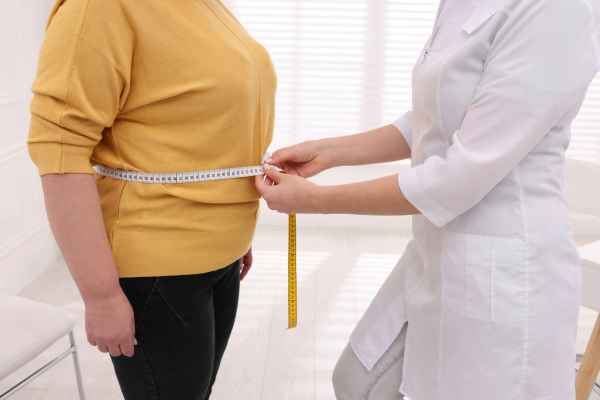
  • Does Verapamil Cause Weight Gain? Swelling and Safety Clues

    Does Verapamil Cause Weight Gain? Swelling and Safety Clues

    Usually, no. When people ask, does verapamil cause weight gain, the better question is whether the medicine is causing fluid buildup, bloating, or another problem that changes the scale. Verapamil is not usually known for causing true body-fat gain. But it can contribute to swelling in the feet or ankles, constipation, and a sense of fullness, which may make you feel heavier or see a short-term jump in weight. That matters because sudden gain with swelling, shortness of breath, or unusual fatigue deserves medical review.

    Verapamil is a calcium channel blocker used for some cases of high blood pressure, chest pain, and heart rhythm problems. If you want background on blood pressure itself, see What Is Hypertension, What Causes Hypertension, or browse the Cardiovascular Hub.

    Key Takeaways

    • Verapamil is not typically linked to true fat gain.
    • Swelling, water retention, constipation, or less activity may explain scale changes.
    • Appetite change is possible for many reasons, but it is not a hallmark verapamil effect.
    • Rapid gain with ankle swelling or breathing changes needs prompt medical review.
    • Do not stop verapamil on your own without clinical guidance.

    Does Verapamil Cause Weight Gain, or Is It Usually Fluid?

    If the scale moved after you started verapamil, your concern is reasonable. In most cases, does verapamil cause weight gain because it changes metabolism or directly increases appetite? Usually no. The more common explanation is peripheral edema (fluid-related swelling), constipation, or a change in activity because you do not feel well.

    Fluid-related gain usually shows up quickly and unevenly. Shoes may feel tighter. Socks may leave marks. Ankles, lower legs, or fingers may look puffy by evening. True fat gain tends to be slower and more gradual. It usually follows weeks to months of changes in eating patterns, activity, sleep, stress, or other medical conditions.

    Pattern More Likely Cause What It Can Feel Like
    Scale rises over days Fluid retention Puffy ankles, tight shoes, sock marks
    Full abdomen with fewer stools Constipation or bloating Pressure, cramping, less frequent bowel movements
    Gradual rise over weeks to months Broader weight change Less obvious swelling, more lifestyle or metabolic clues

    Appetite changes can happen for many reasons, but they are not a hallmark effect of verapamil. If you notice more hunger, think broadly: saltier foods, reduced exercise, other medicines, stress, or an unrelated condition may be contributing. Weight loss is not a defining effect either, so any ongoing change deserves context.

    Why it matters: A fast jump on the scale with swelling can signal more than simple weight gain.

    BorderFreeHealth works with licensed Canadian partner pharmacies for eligible U.S. patients.

    Why the Scale Can Change on Verapamil

    Fluid retention and ankle swelling

    Verapamil can relax blood vessels, which is part of how it lowers blood pressure and helps the heart. In some people, that same vascular effect can let fluid collect in tissues, especially in the feet and ankles. This is called edema. Mild cases may look like puffiness or tight shoes. More noticeable cases may leave deep sock lines or cause pitting edema, meaning the skin keeps a brief dent after you press it.

    Swelling is easy to mistake for fat gain because the number on the scale changes first. That is why it helps to ask where the weight shows up. Puffy ankles and rings that feel tight point more toward water retention than increased body fat. Swelling may also feel worse after long periods of sitting or standing, during warm weather, or when sodium intake is high.

    Existing heart or kidney issues can make the picture more complicated. That is why the same medicine can feel very different from one person to another. The key is not to guess from the scale alone. Look for the pattern around it.

    Constipation, bloating, and appetite

    Verapamil is also known for causing constipation in some people. When bowel movements slow down, you may feel bloated, full, or heavier even without gaining fat. For older adults especially, constipation can snowball into poor appetite one day and overeating the next. This is one reason broader reading on Common GI Problems can be useful.

    Some people assume any early change must mean the medicine slowed metabolism. That is not the usual concern with verapamil. Scale changes are more often explained by fluid balance, bowel habits, or how well the underlying heart condition is controlled. If symptoms limited your activity before treatment, the timing can also be misleading.

    Not every weight change after starting verapamil is caused by the drug. Thyroid disease, changes in kidney function, heart problems, diet shifts, and lower daily movement can all play a role. If the change does not fit the pattern of swelling or constipation, it may help to review other possibilities such as Hypothyroidism Symptoms with a clinician.

    Common Side Effects and Safety Clues

    The most significant side effects of verapamil are not usually about weight itself. The issues that matter most are the ones that affect circulation, heart rate, or daily function. Common side effects can include constipation, nausea, dizziness, headache, fatigue, flushing, lower blood pressure, and swelling in the feet or ankles. Some people also notice that they tire more easily when they first start the medicine or after a change in treatment.

    More concerning effects deserve prompt attention. These can include fainting, a very slow heartbeat, new or worsening shortness of breath, chest pain, marked weakness, or swelling that keeps getting worse. Weight change matters here because it can be a clue, not just a cosmetic issue. A sudden increase together with swelling or breathing trouble needs medical review.

    For long-term use, the question is less whether verapamil will make you gain weight forever and more whether an ongoing side effect is making day-to-day health harder. Persistent constipation, recurring swelling, dizziness, or fatigue can affect eating, sleep, and activity. That is why a pattern review matters more than one isolated weigh-in.

    It also helps to think beyond one prescription. Verapamil can interact with other heart medicines and some non-heart drugs. Bring a full medication list, including over-the-counter products and supplements, to any review.

    When needed, the pharmacy may verify prescription details with your prescriber before dispensing.

    When Rapid Weight Gain on Verapamil Needs a Call

    When people search does verapamil cause weight gain, they often mean something more urgent: should I worry if the scale jumps and my ankles swell? The safest answer is yes, that pattern deserves attention. Rapid gain over a few days is more concerning than a slow drift over months, especially if your legs, feet, hands, or abdomen also seem puffy.

    Call the clinician who prescribed verapamil if weight change is paired with new swelling, worsening fatigue, or reduced exercise tolerance. Seek urgent care if you also have trouble breathing, chest discomfort, fainting, confusion, or symptoms that feel severe or fast-moving. Those symptoms can point to fluid overload or another problem that should not be watched at home.

    Signs that raise the urgency

    • Swelling that spreads upward
    • Shortness of breath at rest
    • Tight shoes by evening
    • Unusual weakness or dizziness
    • Belly fullness with swelling
    • Less urine than usual

    Do not stop a heart medicine on your own unless a clinician tells you to. Stopping suddenly may create a different problem, especially when the drug is being used for blood pressure, chest pain, or rhythm control.

    What to Track Before Your Next Appointment

    If you think verapamil is affecting your weight, a short symptom record can make the conversation much clearer. The goal is not perfect data. The goal is to separate fluid retention, constipation, and gradual lifestyle-related change so your care team can respond to the right issue.

    Quick tip: Weigh yourself under the same conditions each day, such as after waking and before breakfast.

    • Daily weight pattern and timing
    • Where swelling shows up
    • Shortness of breath or fatigue
    • Bowel habits and bloating
    • Changes in salt-heavy foods
    • Other new medicines or supplements
    • Home blood pressure or pulse, if you already monitor them

    You can also write down when you take the medicine and whether swelling is worse later in the day. Patterns matter. Evening ankle swelling suggests a different problem than morning facial puffiness or all-day bloating.

    Bring that record to your visit. Also note whether the problem started soon after verapamil was added, restarted, or otherwise changed. If you are trying to understand body-weight patterns more broadly, the Weight Management Hub offers general reading on long-term trends and related health factors.

    How Verapamil Fits With Other Heart and Blood Pressure Medicines

    At the class level, does verapamil cause weight gain the same way some people fear with other blood pressure medicines? Usually no. Calcium channel blockers are better known for possible swelling than for true fat gain. Verapamil is one member of that class. Another familiar example is Amlodipine Tablets, which can also be associated with ankle swelling in some patients.

    Different calcium channel blockers do not feel the same for every person. One person may struggle mainly with constipation on verapamil, while another notices leg swelling on a different drug. That is why a clinician reviews the full picture: heart rate, blood pressure, symptoms, other medicines, and the reason the drug was chosen in the first place.

    That does not mean every scale change belongs to verapamil. Sometimes the real issue is a new combination of medicines, a change in sodium intake, reduced activity because of illness, or an unrelated condition. If you are comparing therapy categories, browse the Cardiovascular Products hub as a neutral way to see different prescription types without treating them as interchangeable. The key point is simple: weight changes need context.

    Cash-pay cross-border options may be available for some patients without insurance, depending on eligibility and jurisdiction.

    A Balanced Bottom Line

    So, does verapamil cause weight gain? Usually not in the sense of adding body fat. If the scale rises after starting it, swelling, water retention, constipation, and reduced activity are often more likely explanations. The pattern matters. A slow increase without swelling may reflect broader health or lifestyle factors. A fast increase with puffy ankles, breathing changes, or marked fatigue is a reason to check in promptly.

    If the change worries you, focus on what you can observe rather than guessing at the cause. Timing, body location, bowel changes, breathing, and energy level tell a much clearer story than the scale alone.

    Authoritative Sources

    Further reading is most helpful when it helps you sort pattern from panic. Track the basics, review the full medication list, and ask about swelling rather than assuming true weight gain.

    This content is for informational purposes only and is not a substitute for professional medical advice.

  • Superfoods for Weight Loss: Fiber, Portions, and Balance

    Superfoods for Weight Loss: Fiber, Portions, and Balance

    Superfoods for weight loss are not magic foods, but they can make healthier eating easier. The best choices pack fiber, protein, water, vitamins, minerals, and satisfying fats into reasonable portions. They support fullness and meal quality, which can help you stay consistent with an energy-aware eating pattern. No berry, seed, tea, or spice targets belly fat on its own.

    The term superfood is more marketing shorthand than a medical category. Still, it can point you toward useful staples. This page focuses on practical food choices, portion awareness, and safety considerations for people trying to eat well while managing weight.

    Key Takeaways

    • No single food burns fat or guarantees weight loss.
    • Fiber-rich foods can help meals feel more filling.
    • Protein, produce, and healthy fats work best together.
    • Calorie-dense foods still need portion awareness.
    • Diabetes, kidney disease, pregnancy, and medications may change food needs.

    What Superfoods for Weight Loss Can and Cannot Do

    The main job of a nutrient-dense food is to improve the quality and staying power of your meals. It cannot override overall energy needs, medical conditions, sleep, stress, activity level, or medication effects. That is why a realistic plan works better than chasing a perfect food list.

    Body fat changes when many factors interact over time. Food choices matter, but they work as part of a pattern. High-fiber foods may slow digestion and support fullness. Protein-rich foods can make meals more satisfying. Water-rich vegetables add volume without making the plate feel small. Unsaturated fats add flavor and texture, but they also add concentrated calories.

    Many belly-fat claims stretch the evidence. Your body does not let you choose exactly where fat loss happens. Waist changes usually follow broader changes in eating patterns, movement, sleep, hormones, and health status. If a plan promises rapid fat loss from one ingredient, treat that claim with caution.

    Why it matters: A food-first plan should reduce confusion, not create stricter rules.

    A Realistic Shortlist of Foods Worth Keeping Around

    A top 10 superfood list can inspire new meals, but it should not rank foods as universally best. The most useful choices are often affordable, familiar, and easy to repeat. Aim for foods that add fiber, protein, micronutrients, and flavor without making meals feel like punishment.

    Leafy greens and cruciferous vegetables

    Spinach, kale, romaine, cabbage, broccoli, cauliflower, and Brussels sprouts bring volume, fiber, and key micronutrients. They can help you build bigger meals with more texture and color. Add them to soups, omelets, grain bowls, tacos, or pasta rather than treating them as plain side salads only.

    If you take warfarin or another medication affected by vitamin K, do not suddenly change your intake of leafy greens without clinical guidance. The goal is usually consistency, not avoidance, but your care team should guide that plan.

    Berries, apples, and citrus

    Berries offer fiber, water, and natural sweetness in a compact serving. Apples, oranges, grapefruit, and other citrus fruits can also make snacks more filling than sweets or juices. Whole fruit usually supports fullness better than fruit juice because it keeps the fiber and chewing experience intact.

    Fruit still contains carbohydrate. If you monitor blood glucose, pair fruit with protein or fat, such as yogurt, cottage cheese, nuts, or tofu-based options. A registered dietitian can help you match portions to glucose patterns and medication needs.

    Beans, oats, chia, and flax

    Beans, lentils, oats, chia seeds, and ground flax are high-fiber staples. They can support a steadier appetite because fiber adds bulk and slows digestion. They also fit many budgets and cuisines, which makes them easier to keep in rotation.

    Increase fiber slowly if your current intake is low. A sudden jump can cause gas, bloating, or discomfort. Drink enough fluid, and adjust portions if you have irritable bowel syndrome, gastroparesis, or another digestive condition.

    Protein anchors and healthy fats

    Eggs, Greek yogurt, cottage cheese, tofu, tempeh, fish, poultry, lean meats, and legumes can anchor meals. Protein does not need to dominate the plate, but it often helps meals last longer. Plant-based proteins can work well when you plan enough variety.

    Avocado, nuts, seeds, olive oil, and fatty fish add unsaturated fats. These foods can be heart-friendly in balanced patterns, but portions still matter because fat is calorie-dense. For diabetes-focused context, the Avocados and Diabetes resource explains why portions and carbohydrate balance matter.

    Fatty fish such as salmon, sardines, and trout provide omega-3 fats and protein. If you are comparing food sources with supplements, Omega-3 Health takes a cautious look at what omega-3s can and cannot do.

    Metabolism Claims, Green Tea, and the Ozempic Mimic Myth

    Green tea, coffee, cinnamon, ginger, turmeric, and spicy foods often appear in weight-loss food lists. They can add flavor and ritual, which may help you replace higher-calorie drinks or desserts. That does not mean they melt fat or replace balanced meals.

    Green tea and coffee contain caffeine, which may affect alertness and appetite for some people. They can also worsen anxiety, reflux, palpitations, or sleep problems. Cinnamon can make foods taste sweeter without adding sugar, but it is not a diabetes treatment. Use spices as flavor tools, not medical substitutes.

    No three ingredients mimic Ozempic or other prescription GLP-1 receptor agonists. These medicines act through regulated pharmacologic pathways. Food choices can support nourishment and comfort for some people using these medicines, but foods do not copy the drug. If you are prescribed semaglutide, the Ozempic Diet resource discusses food comfort and balanced meals in that context.

    People taking tirzepatide or other weight-management medicines may need to adjust meal size, hydration, protein intake, and side-effect triggers with their prescriber. The Mounjaro Diet Plan resource covers food planning considerations for that medication context. Do not start, stop, or change medication because of a food trend.

    Portions Matter Even When Foods Are Nutrient-Dense

    A practical approach to superfoods for weight loss starts with portion context. Nuts, avocado, seeds, olive oil, granola, smoothies, and dried fruit can be nutritious and easy to overdo. That does not make them bad. It means they need a clear role in the meal.

    Think in patterns instead of rules. A filling plate often includes a protein anchor, high-fiber carbohydrate, colorful produce, and a small amount of satisfying fat. This structure can reduce grazing because the meal has enough texture, volume, and flavor.

    The calorie calculator below can estimate general daily energy needs from basic inputs. It can help frame portion discussions, but it cannot create a personalized medical or nutrition plan.

    [calorie-calculator]

    Use any estimate as a starting point for awareness. Your actual needs can differ because of body composition, medications, illness, activity changes, menopause, pregnancy, and weight history.

    • Start with volume: Add vegetables or fruit before cutting foods away.
    • Pair your carbs: Combine grains or fruit with protein or fat.
    • Measure dense add-ons: Use a spoon for oils, nuts, and seeds.
    • Increase fiber slowly: Give your gut time to adapt.
    • Plan satisfying snacks: Choose protein, fiber, or both.
    • Watch liquid calories: Smoothies, juices, and sweet drinks add up quickly.

    Meal Ideas That Turn Nutrient-Dense Foods Into Habits

    Superfood recipes work best when they use everyday ingredients. You do not need expensive powders or rare berries. You need meals you can repeat when life is busy.

    • Berry yogurt bowl: Greek yogurt, berries, chia, and a small nut topping.
    • Oatmeal upgrade: Oats with flax, cinnamon, apple, and milk or soy milk.
    • Leafy grain bowl: Greens, beans, quinoa, salsa, avocado, and lime.
    • Lentil soup: Lentils, carrots, tomatoes, spinach, herbs, and broth.
    • Protein plate: Fish or tofu with roasted vegetables and sweet potato.
    • Crunchy snack: Apple slices with nut butter or cottage cheese.

    Quick tip: Keep pre-washed produce, cooked grains, and protein options ready.

    For more lifestyle-focused reading, browse the Weight Management hub. Use it as a navigation point for broader eating, activity, and treatment topics.

    When to Personalize Your Food Choices

    Most adults can safely add more vegetables, whole fruit, beans, and minimally processed proteins. Still, some situations deserve tailored guidance. More fiber, fewer calories, or different meal timing can affect symptoms, labs, and medication response.

    • Diabetes medications: Changing carbohydrate intake may affect glucose patterns or hypoglycemia risk.
    • Kidney disease: Potassium, phosphorus, protein, sodium, and fluid needs may vary.
    • Pregnancy or breastfeeding: Weight and nutrient goals need individualized care.
    • Digestive conditions: High-fiber foods may worsen symptoms for some people.
    • Eating disorder history: Weight-loss rules can trigger harmful patterns.
    • Unexplained changes: Sudden weight loss, swelling, or appetite change needs medical review.

    If insulin resistance is part of your health picture, Insulin Resistance Treatment covers broader medical and lifestyle context. People with kidney disease should seek tailored advice; the Chronic Kidney Disease Diet resource explains why some common healthy foods may need limits.

    Ask a clinician or registered dietitian for help if you have repeated high or low blood glucose readings, kidney disease, gastroparesis, pregnancy, or a history of disordered eating. Support should make eating safer and less stressful.

    Food Is One Tool, Not the Whole Plan

    Healthy foods can support weight management, but they are only one part of the picture. Sleep, stress, pain, mood, hormones, mobility, work schedules, family demands, and medication side effects can all change appetite and energy use. Blaming yourself for needing more support is not helpful or accurate.

    Be cautious with plans that promise to lose a large amount of weight very quickly. Rapid-loss approaches can be hard to sustain and may increase the risk of nutrient gaps, gallbladder symptoms, dehydration, or disordered eating patterns in some people. A safer plan is usually steady, flexible, and medically aware.

    If lifestyle changes are not enough, Weight Loss Treatments outlines broader options to discuss with a healthcare professional. Nutrition remains important, but medical care can help identify conditions, medications, or barriers that food lists cannot solve.

    Authoritative Sources

    The sources below support general nutrition and weight-management principles. They do not replace personalized care from your healthcare team.

    Used wisely, superfoods for weight loss are everyday foods that help meals feel filling, colorful, and realistic. Choose staples you enjoy, build meals around them, and ask for medical or dietitian guidance when health conditions or medications shape your needs.

    This content is for informational purposes only and is not a substitute for professional medical advice.

  • Zepbound Weight Loss: A Guide to Chronic Weight Management

    Zepbound Weight Loss: A Guide to Chronic Weight Management

    Many adults living with obesity want clear, patient-first guidance. If you are exploring zepbound weight loss, you deserve balanced information that respects your goals and concerns. This updated guide explains what tirzepatide is, how it works, likely benefits and risks, dosing basics, and cost considerations. We also outline comparisons, related options, and trusted resources so you can advocate for your care.

    Key Takeaways

    • Dual-action mechanism: Tirzepatide targets GLP-1 and GIP receptors to help weight management.
    • Stepwise dosing: Gradual titration aims to balance benefits with tolerability.
    • Safety first: Nausea and GI upset are common; serious risks are uncommon but important.
    • Costs vary widely: Insurance and location influence access and affordability.
    • Care is holistic: Nutrition, activity, sleep, and mental health still matter greatly.

    What Is Zepbound and How It Works

    Zepbound contains tirzepatide, a glucose-dependent insulinotropic polypeptide (GIP) and glucagon-like peptide-1 (GLP-1) receptor agonist. In plain language, it stimulates pathways that help regulate appetite, fullness, and blood sugar. By slowing gastric emptying and supporting satiety signaling, it can reduce daily calorie intake. This dual action may help people with obesity reduce weight when combined with nutrition and activity changes.

    Clinicians consider Zepbound for adults with obesity (or overweight with certain comorbidities). Eligibility and dosing decisions remain individualized. For authoritative safety parameters, the FDA prescribing information outlines indications, contraindications, and warnings in detail. You can review the FDA prescribing information for Zepbound for complete labeling and precautions here on the FDA site. Why this matters: shared, accurate language helps you ask better questions during visits.

    Zepbound Weight Loss: What It Means

    People often ask what realistic outcomes look like with a GLP-1/GIP agent. Clinical trials suggest meaningful average reductions when medication is paired with lifestyle support. However, results differ by dose, duration, baseline weight, and adherence. Some see earlier appetite changes; others need slower titration to improve tolerability before benefits emerge. Your experience may not mirror online anecdotes, and that’s okay.

    Remember, weight is only one health metric. Improved blood pressure, mobility, energy, or sleep can also signal progress. Consider tracking more than the scale—waist circumference, protein intake, step counts, and mood can reveal changes the mirror misses. For a structured approach to eating while on therapy, see our Zepbound Diet Plan for food choices that support satiety and gut comfort.

    Dosing, Titration, and Practical Steps

    Zepbound is typically started at a low dose and increased over time. This stepwise approach can reduce GI symptoms while your body adapts. Your prescriber will determine when to pause or advance, based on your response and side effects. It is important not to change your dose without clinical guidance, especially if you experience persistent nausea, vomiting, or signs of dehydration.

    To visualize the standard escalation pathway, many patients ask for a simple tirzepatide dosage chart. The table below summarizes a general progression found in product labeling and common practice. It is not a personalized plan. Always confirm timing and dose with your clinician before making any adjustments.

    Phase Purpose Typical Duration
    Initiation Introduce medication, assess tolerance ~4 weeks
    Early Titration Incrementally increase dose for effect ~4–8 weeks
    Mid Titration Balance benefits with side effects ~4–8 weeks
    Maintenance Continue effective, tolerable dose Ongoing

    For a patient-friendly walk-through of starting, pausing, and when to hold steady, see Zepbound Dosage Guidelines for practical tips on timing, hydration, and protein goals. If you’re comparing incretin-based options more broadly, our overview of Top GLP-1 Drugs offers a concise landscape of mechanisms and access pathways.

    Side Effects and Safety Signals

    Common zepbound side effects include nausea, vomiting, diarrhea or constipation, and decreased appetite. Many people find these improve over weeks as they stabilize at a dose. Eating smaller meals, emphasizing lean protein, and pausing after the first bites can help. Hydration and electrolytes also matter, especially if you experience GI losses. If symptoms escalate or limit daily function, contact your care team.

    Important warnings include a risk of thyroid C-cell tumors in animal studies, pancreatitis, gallbladder events, and potential hypoglycemia when combined with some diabetes drugs. People with a personal or family history of medullary thyroid carcinoma or MEN2 should not use tirzepatide. For full language on boxed warnings and contraindications, see the official label sections on risks. In addition, peer-reviewed trial data provide broader context on efficacy and safety across diverse participants; see this NEJM trial overview for clinical details.

    How Long Do Side Effects Last?

    Patients frequently wonder, in plain terms, how long do zepbound side effects last. Many people experience the most noticeable symptoms during early weeks and around dose changes. For some, tolerability improves as the GI tract adapts. For others, specific foods, dehydration, or rapid escalation trigger setbacks. Pausing titration, adjusting meal timing, and prioritizing bland, low-fat foods can be helpful in consultation with your clinician.

    Track patterns in a simple log: timing, foods, hydration, sleep, and stress. Such notes help your clinician tailor next steps. If you have persistent vomiting, signs of pancreatitis (severe abdominal pain), or symptoms of gallbladder issues, seek urgent medical care. For practical diet strategies during titration, see our Wegovy Diet Plan guide; many meal tips and texture ideas translate well to tirzepatide tolerance.

    Cost, Coverage, and Access

    Coverage policies shift often, so it helps to document your medical need and prior attempts at weight management. Talk with your prescriber and insurer about diagnosis codes, step therapy rules, and appeals. Co-pay cards, patient assistance, and employer benefits may also influence total costs. When planning a budget, remember lab visits and nutrition support can add value but also add expenses.

    Many readers ask directly about zepbound cost and how much monthly spending can vary. Prices fluctuate by geography, supply, and insurance design. If coverage is limited, clinicians may explore alternative agents or different dosing intervals when appropriate. For an apples-to-apples comparison focusing on costs and clinical context, see our analysis in Zepbound vs Wegovy, which explains how coverage criteria can change out-of-pocket totals.

    Zepbound vs Wegovy: Costs and Considerations

    If you are comparing options, you might look at outcomes, tolerability, and access at the same time. Some plans cover one drug but not the other. Understanding zepbound vs wegovy cost helps frame realistic choices, especially during appeals. Your prescriber can also consider medical history, side effect profiles, and coexisting conditions to guide selection in a shared decision-making process.

    For a deeper clinical and practical comparison, our Zepbound vs Wegovy guide examines mechanisms, dosing, and patient-reported experiences. If you are exploring broader injectable options this year, the roundup on Best Weight Loss Injections explains where each therapy may fit and offers planning tips for discussions with your care team.

    Is Zepbound the Same as Ozempic?

    Short answer: no—these are different medicines. Ozempic contains semaglutide, a GLP-1 receptor agonist. Zepbound contains tirzepatide, which acts on both GIP and GLP-1 receptors. People often ask, in everyday language, is zepbound the same as ozempic because they hear both used for weight care. While indications and dosing differ, both may support weight reduction as part of a comprehensive plan.

    For a side-by-side look at mechanisms, labels, and typical patient experiences, see Zepbound vs Ozempic for practical distinctions you can discuss with your clinician. If your questions include Mounjaro, our Zepbound vs Mounjaro explainer clarifies branding and clinical positioning so conversations with your prescriber stay precise.

    Related Options and Whole-Person Care

    Medication is only one part of a long-term plan. Nutrition quality, resistance training, sleep routine, and stress skills can amplify benefits and lower side-effect risk. Many patients combine medication with dietitian visits, strength programs, or CBT-based tools. If you prefer structured starting points, browse our Weight Management Articles for stepwise strategies you can adapt to daily life.

    Some readers also explore peptide-based paths and metabolic supports. For context on this landscape, review Retatrutide vs Tirzepatide to understand emerging agents and their potential roles. If you are evaluating overall product categories, the Weight Management Products index organizes related items and helps you compare types by use-case and clinical rationale.

    Planning, Tracking, and Talking With Your Team

    Small, consistent habits often beat short bursts of effort. Consider a weekly routine that pairs injections with simple checklists: protein targets, hydration, fiber, and movement. Track morning appetite, GI comfort, and energy. Bring these notes to visits. Such concrete data helps your clinician adjust timing, assess tolerability, and decide whether to maintain, pause, or change course.

    If you want a broader perspective across incretin therapies, our primer on Mounjaro and Care shows how these medicines fit modern treatment pathways. And if you are mapping long-term nutrition alongside medication, our Mounjaro Diet Plan outlines food ideas that often translate well to tirzepatide comfort and protein priorities.

    Recap

    Zepbound is a dual-incretin therapy that can support chronic weight management when paired with lifestyle strategies. Success depends on tolerability, consistent routines, and realistic expectations. Costs and coverage differ widely, so document your medical need and explore assistance routes. Most importantly, stay in dialogue with your care team—advocacy and patience can make a measurable difference over time.

    Note: If costs or access are barriers, discuss alternatives and timing with your clinician. Comparing several options with your medical history in hand can clarify next steps without derailing momentum.

    This content is for informational purposes only and is not a substitute for professional medical advice.

  • Diet and Exercise for Chronic Illness and Weight Goals

    Diet and Exercise for Chronic Illness and Weight Goals

    Diet and exercise work best as a steady, personalized system, not a short-term push. For people living with chronic illness, the goal is usually better energy, safer movement, improved cardiometabolic health, and daily function. Weight change may be part of the plan, but it should not come at the cost of symptoms, sleep, glucose stability, or medication safety.

    Key Takeaways

    • Start small: Short, repeatable habits beat extreme plans.
    • Pair both: Nutrition and movement support different health needs.
    • Track function: Watch energy, pain, sleep, mood, and symptoms.
    • Protect safety: Adjust activity during flares, illness, or low glucose risk.
    • Get guidance: Ask clinicians about limits, medications, and nutrition needs.

    How Diet and Exercise Work Together

    Diet and exercise support health through different, connected pathways. Food choices influence energy intake, blood glucose patterns, digestion, blood pressure, and nutrient status. Movement helps maintain muscle, joint range of motion, heart-lung fitness, insulin sensitivity, balance, and mood.

    This matters because chronic illness often narrows your margin for error. A plan that looks simple on paper may feel harder during pain, fatigue, breathlessness, nausea, low mood, or poor sleep. The better plan is the one you can adjust without feeling like you failed.

    For weight management, diet often has the larger effect on calorie intake. Exercise still matters. It protects strength, supports mobility, improves fitness, and can help maintain weight loss. The common “70% diet and 30% exercise” idea is only a rough saying. It is not a medical rule. Your balance may shift depending on appetite, medications, mobility, menopause, insulin resistance, kidney disease, or recovery from illness.

    If insulin resistance or blood sugar swings are part of your picture, pairing meals with gentle movement may help some people. For more background, see Improve Blood Sugar Control. If kidney disease affects your nutrition choices, review CKD Dietary Strategies before making major protein, sodium, potassium, or fluid changes.

    Why it matters: A sustainable plan should reduce strain, not add another source of stress.

    What a Safe Starting Point Looks Like

    A safe starting point is one you can repeat on a low-energy day. Many people begin with 5 to 10 minutes of gentle movement, once or twice daily. This might mean hallway walking, chair marching, bed mobility, stretching, or light resistance-band work.

    Use symptoms as information. If pain, dizziness, unusual breathlessness, chest discomfort, or severe fatigue appears, stop and seek appropriate medical guidance. If you use insulin or medications that can cause hypoglycemia (low blood sugar), ask your care team how to plan food, activity, and monitoring around exercise.

    For many adults, public health guidance encourages weekly aerobic activity plus muscle-strengthening work. Chronic illness may require smaller steps, longer rest, or supervised rehabilitation. The target is not perfection. It is gradual capacity.

    Gentle movement options

    • Walking intervals: Walk briefly, then rest.
    • Seated strength: Try chair stands or band rows.
    • Mobility work: Move joints through comfortable ranges.
    • Water exercise: Reduce joint impact when available.
    • Balance practice: Use support and avoid unsafe surfaces.

    Older adults or people returning after a long break may need extra attention to balance, joint comfort, and recovery. The principles in Exercise for Seniors can help you scale movement without chasing intensity.

    Building Meals That Support Energy and Symptoms

    A useful meal pattern starts with enough protein, fiber-rich carbohydrates, healthy fats, and colorful plant foods. This does not require a perfect “diet chart.” It means building meals that keep you nourished and satisfied while respecting your condition.

    For many people, a practical plate includes a protein food, vegetables or fruit, a high-fiber starch, and a fat source. Examples include eggs with whole-grain toast and berries, lentil soup with vegetables, salmon with potatoes and greens, or yogurt with nuts and fruit. If appetite is low, smaller meals may feel easier than large plates.

    Be cautious with plans promising 10 kg weight loss in 7 days or the fastest weight loss exercise. Rapid weight loss plans can worsen fatigue, dehydration, dizziness, nutrient gaps, and disordered eating patterns. They may also be unsafe for people with diabetes, kidney disease, heart disease, pregnancy, eating disorder history, or medication-related appetite changes.

    Some people benefit from a simple 7-day structure, but it should be flexible. Instead of using a rigid 7-day diet plan for weight loss, plan repeatable meal anchors: protein at breakfast, a fiber-rich lunch, a balanced dinner, and one planned snack if needed. Keep easy staples nearby, such as frozen vegetables, canned beans, Greek yogurt, eggs, oats, microwaveable grains, and lower-sodium soups.

    For nutrient-dense food ideas that can fit many eating patterns, see Superfoods for Weight Loss. The goal is not a “perfect” food list. It is a pattern that supports fullness, nutrients, and consistency.

    Weight Management Without Extreme Rules

    Diet and exercise for weight loss works best when it creates a modest, sustainable energy gap while preserving muscle and quality of life. Food changes usually create the calorie deficit. Exercise helps support strength, mobility, cardiovascular fitness, and long-term maintenance.

    A calorie deficit means energy intake is lower than energy use over time. It should not mean skipping meals, ignoring hunger, or exercising through warning signs. If you have chronic illness, a smaller and steadier approach is often safer than aggressive restriction.

    This calculator can help estimate daily calorie needs for planning conversations. It is a general tool, not a diagnosis or a personalized medical target.

    [calorie-calculator]

    Common weight-loss sayings can be misleading. The “30/30/30 rule” is often described as eating 30 grams of protein within 30 minutes of waking and doing 30 minutes of low-intensity exercise. Some people find the structure helpful, but it is not required for fat loss or chronic illness management. The best routine is one that fits your medications, appetite, sleep, symptoms, and schedule.

    For at-home planning, start with a short routine and a predictable meal rhythm. A beginner week might include three short walks, two light strength sessions, and daily mobility. If symptoms flare, reduce intensity before abandoning the plan. If you are exploring broader weight resources, the Weight Management collection may help you compare related topics.

    How to Balance Diet and Exercise During Flares

    During a flare, the goal shifts from progress to protection. You can lower exercise volume, simplify meals, and focus on hydration, protein, and symptom-friendly foods. This is not a setback. It is pacing.

    Use a traffic-light approach. Green days are for normal planned activity. Yellow days call for shorter sessions, lower effort, and more rest. Red days may require only gentle mobility, breathing exercises, or basic self-care. If symptoms are new, severe, or unusual for you, contact a healthcare professional.

    Nutrition can also change during flares. Some people tolerate bland, smaller meals better. Others need more fiber, fluids, or medication review for constipation, reflux, or nausea. If stress makes symptoms worse, Stress and Health explains how stress physiology can affect the body.

    Quick tip: Keep two “flare meals” ready, such as soup and yogurt, or eggs and toast.

    Life Stage Changes: After 40, Menopause, and PCOS

    Hormones, sleep, and body composition can change how your plan feels. After 40, many people notice less muscle, slower recovery, or more stiffness. Menopause can add hot flashes, sleep disruption, and abdominal weight changes. PCOS (polycystic ovary syndrome) may involve insulin resistance, irregular cycles, and appetite shifts.

    The same core pattern still applies: protein, fiber, strength training, and movement you can recover from. Strength work is especially important because muscle supports glucose use, balance, and daily function. It does not need to be intense. Sit-to-stands, wall push-ups, band rows, and step-ups can be enough to begin.

    For diet and exercise during menopause, plan around sleep and temperature. Shorter sessions, fans, cooler rooms, and lighter layers may improve tolerance. For PCOS, avoid one-size-fits-all carbohydrate rules. Some people do better with higher-fiber carbohydrates spread through the day, while others need individualized targets from a registered dietitian.

    A Practical Weekly Framework

    A weekly framework gives structure without locking you into a rigid schedule. Choose a baseline you can complete most weeks, then add only when recovery is good.

    • Strength: Two short full-body sessions.
    • Cardio: Three gentle walking or cycling days.
    • Mobility: Five minutes most days.
    • Meals: Protein and produce at each meal.
    • Snacks: Plan options before hunger peaks.
    • Review: Check symptoms and sleep weekly.

    Example: On Monday and Thursday, do a 10-minute strength circuit. On Tuesday, Friday, and Sunday, take an easy walk. On other days, stretch or do range-of-motion work. Meals can stay simple: oatmeal with yogurt, bean soup with vegetables, chicken or tofu with rice and greens, or a snack of fruit and nuts.

    Family routines can make healthy habits feel less isolating. If you want ideas for shared movement, Family Health and Fitness Day offers activity ideas that can be adapted for different energy levels.

    When to Get Extra Support

    Extra support is important when symptoms, medications, or health conditions make diet and exercise more complex. Ask your clinician or registered dietitian for guidance if you have repeated low blood sugar, kidney disease, heart disease, pregnancy, an eating disorder history, unexplained weight loss, severe fatigue, or new exercise intolerance.

    Medication changes can also affect appetite, hydration, glucose, heart rate, digestion, or weight. Do not stop or adjust prescribed medicines to make a diet or exercise plan easier unless your prescriber tells you to. If weight-related medication options are part of your care discussion, use neutral educational resources and ask about risks, benefits, interactions, and monitoring.

    BorderFreeHealth also publishes general health resources for people comparing chronic-condition topics. You can browse General Health for broader wellness reading, while keeping personal treatment decisions with your healthcare team.

    Authoritative Sources

    For national nutrition guidance, review the Dietary Guidelines for Americans, which emphasize nutrient-dense foods and healthy eating patterns.

    For activity targets and safety concepts, see the federal Physical Activity Guidelines for Americans.

    For weight and physical activity basics, the CDC explains physical activity and weight health in plain language.

    Recap

    Diet and exercise can help people with chronic illness build steadier energy, better function, and safer weight-management habits. Start with small changes, protect recovery, and use symptoms as feedback. Favor meals that nourish you, movement you can repeat, and support when medical conditions or medications add complexity.

    This content is for informational purposes only and is not a substitute for professional medical advice.

  • Weight Loss in Older Adults: Safer Goals After 70

    Weight Loss in Older Adults: Safer Goals After 70

    Weight loss in older adults needs a different lens than weight loss earlier in life. Planned loss may help some people with mobility, glucose, blood pressure, or joint pain, but the plan must protect muscle, hydration, balance, and daily function. Unplanned loss is different. If an older adult loses weight without trying, especially over several months or with new symptoms, it deserves medical assessment.

    The key question is not only how much weight changed. It is whether the person is losing fat, muscle, fluid, appetite, strength, or health reserves. That distinction matters more after 70, and often even more after 80.

    Key Takeaways

    • Separate planned loss from unexplained weight change.
    • Unintentional loss over months should be reviewed.
    • Muscle, bone, balance, and energy need protection.
    • Protein, resistance exercise, sleep, and support all matter.
    • Aggressive goals need clinician input, especially with frailty.

    First Separate Planned Loss From Unplanned Loss

    Planned weight loss in older adults should start with a clear health reason and a safety plan. That reason may involve easier walking, less knee strain, sleep apnea risk, blood pressure, diabetes care, or another measurable goal. The plan should include enough food, regular movement, and monitoring for fatigue, dizziness, weakness, constipation, dehydration, and mood changes.

    Unintentional weight loss in older adults means weight drops without a deliberate change in eating or activity. Clinical reviews often treat a loss of more than 5% of body weight over 6 to 12 months as concerning, especially when there is no clear explanation. A smaller loss can still matter if the person is frail, has a low starting weight, has dementia, or shows new symptoms.

    There is no exact age when older adults “start losing weight.” Body composition changes gradually. Many people lose muscle and gain fat through midlife. Later, some lose total body mass. After 70 or 80, the margin for error narrows. A few pounds may reflect more lost strength than expected.

    Why it matters: A lower scale number is not always a healthier result.

    Why the same weight change can mean more later

    Aging changes how the body responds to dieting, illness, and inactivity. Muscle mass tends to decline without regular resistance work. Appetite can fall because of taste changes, dental problems, grief, pain, isolation, or medicines. Chronic disease may raise energy needs or reduce food intake. Sleep disruption and lower activity can make planned loss harder.

    These factors do not make healthy change impossible. They mean the goal should be broader than “lose weight.” A stronger plan asks whether the person can climb stairs, carry groceries, recover after illness, eat socially, and keep lab values stable. For more lifestyle context, Safe Weight Loss Strategies covers gradual habit changes without framing the process as a crash diet.

    When Weight Loss Needs Medical Assessment

    Unexplained weight loss should be assessed when it is persistent, sudden, or paired with other physical, mood, or eating changes. The cause may be straightforward, such as a new medicine causing nausea or a denture that no longer fits. It may also involve depression, thyroid disease, diabetes, swallowing trouble, cancer, inflammatory disease, infection, or gastrointestinal problems.

    Weight loss with a good appetite can still need evaluation. It may happen when the body uses more energy, absorbs less nutrition, loses fluid, or responds to an untreated condition. Weight loss with no appetite can point toward pain, constipation, low mood, medication effects, dental problems, or illness. Both patterns deserve attention if they continue.

    Clinicians sometimes use the “nine Ds” as a memory aid for common contributors in later life. The wording varies, but it often includes dementia, depression, disease, drugs, dysphagia (swallowing trouble), dysgeusia (taste changes), diarrhea or digestive loss, dentition problems, and functional difficulty. The point is not to self-diagnose. It is to remember that appetite and weight reflect the whole person.

    Signals to raise promptly

    • Rapid change: visible loss over weeks or a few months.
    • Eating trouble: early fullness, nausea, choking, or swallowing difficulty.
    • Digestive changes: ongoing diarrhea, constipation, vomiting, or abdominal pain.
    • Bleeding clues: black stools, blood in stool, or unexplained anemia.
    • Strength decline: falls, new weakness, confusion, or dehydration.
    • Mood changes: grief, withdrawal, anxiety, or lost interest in meals.

    Sudden weight loss in an elderly woman or man should not be brushed off as normal aging. Sex can shape risk patterns, medication use, caregiving circumstances, and social barriers, but the basic safety rule is the same. Persistent unexplained loss needs a careful review, not blame or pressure.

    What a Workup May Look For

    An unintentional weight loss workup usually starts with history, medication review, physical examination, and basic testing chosen by a clinician. The details depend on symptoms, age, baseline weight, health conditions, and how quickly the loss happened. Caregivers can help by bringing dates, weights, appetite notes, and a current medication list.

    Useful details include how clothes fit, whether meals are skipped, whether chewing hurts, whether food tastes different, and whether the person is shopping or cooking less. Social changes also matter. Bereavement, transportation problems, financial strain, isolation, and caregiver burnout can all change food intake.

    Medication review is especially important. Some medicines can change taste, cause nausea, alter bowel habits, affect fluid balance, or reduce appetite. Others can raise the risk of low blood sugar if meals shrink. Do not stop prescribed medicines on your own. Ask whether any medicine, supplement, or over-the-counter product could be contributing.

    Digestive symptoms can overlap with nutrition problems in later life. If stomach or bowel changes are part of the picture, the broader Geriatrics Hub can help readers find aging-focused education to support better appointment preparation.

    Setting Goals That Protect Muscle, Bone, and Energy

    Realistic weight loss in older adults starts with the safest target, not the fastest one. For many people, the best target is functional: steadier walking, less shortness of breath, fewer painful flares, improved glucose patterns, or better stamina. A scale goal may still help, but it should not come at the cost of muscle, bone health, hydration, or independence.

    Large goals can feel motivating at first, then backfire. Severe calorie restriction may reduce protein intake, worsen fatigue, and increase muscle loss. Skipping meals can also be risky for people taking medicines that affect blood glucose or blood pressure. A safer plan often uses smaller checkpoints, regular review, and enough food to support recovery.

    Example: a clinician may suggest a modest percentage goal rather than a dramatic number. The older adult and care team can then track appetite, strength, waist changes, mobility, blood pressure, glucose patterns, and medication effects. If weakness, dizziness, or poor intake appears, the plan may need review.

    A timeline estimate can help compare a proposed pace with a steadier plan. The calculator below gives a general estimate from target loss and planned weekly loss. It does not provide medical advice or predict health outcomes.

    [weight-loss-timeline-calculator]

    Quick tip: Measure progress with strength, stamina, symptoms, and daily tasks.

    Questions to bring to an appointment

    • Goal reason: What health problem are we trying to improve?
    • Safety limits: Which symptoms should make us pause?
    • Protein needs: What amount fits my conditions?
    • Medication review: Could anything affect appetite or weight?
    • Movement plan: What strength and balance work is safe?
    • Monitoring plan: Which labs or symptoms matter most?

    After 80, the balance often shifts further toward strength, comfort, and function. Losing weight after 80 may still be appropriate for some people, but it usually needs closer monitoring. Unintentional loss at this age should not be dismissed as “just getting older,” especially if clothes loosen quickly or daily tasks become harder.

    Food Patterns That Support Strength

    Older adults do not need a universal list of “best” foods. They need meals that match health conditions, chewing ability, swallowing safety, budget, culture, appetite, and medication needs. Still, several food categories often support safer planning: protein foods, fibre-rich carbohydrates, vegetables and fruit, calcium-rich options, healthy fats, and enough fluids.

    Protein matters because the body uses it to maintain muscle and repair tissue. Sources may include fish, poultry, eggs, dairy, soy, beans, lentils, or other preferred foods. The right amount varies. People with kidney disease, poor appetite, swallowing difficulty, or complex medical conditions should ask a clinician or registered dietitian before increasing protein sharply.

    Carbohydrates also need context. Whole grains, beans, fruit, starchy vegetables, and dairy can support energy and fibre. For people with diabetes, sudden carbohydrate cuts can affect glucose patterns, especially when medicines are involved. Registered dietitian input is especially useful with repeated highs or lows, kidney disease, gastroparesis, eating-disorder history, or unplanned weight change.

    Fat is not the enemy. Nuts, seeds, olive oil, avocado, fatty fish, and similar foods can make meals more satisfying. For someone losing weight unintentionally, energy-dense additions may help maintain intake. For someone pursuing intentional loss, portions and overall pattern matter more than removing one food group.

    For practical meal ideas, Nutrient-Rich Foods offers a food-quality angle. Use it as a starting point, not as a rulebook. Some older adults need texture changes, smaller frequent meals, or caregiver support to make healthy eating realistic.

    Movement and Recovery Matter More With Age

    Movement helps shift the focus from shrinking the body to preserving capability. Aerobic activity supports heart and metabolic health. Resistance training helps maintain muscle. Balance work may reduce fall risk. Flexibility and mobility work can make daily tasks less painful. The safest mix depends on current fitness, joint health, heart symptoms, falls history, and medical conditions.

    Starting small is reasonable. Chair stands, wall push-ups, short walks, light bands, water exercise, or supervised physical therapy may be appropriate for some people. Others may already be ready for structured strength training. Pain, chest symptoms, fainting, severe shortness of breath, or repeated falls should be discussed before pushing harder.

    Recovery also deserves attention. Older muscles may need more rest between challenging sessions. Sleep, hydration, and regular meals affect how the body responds. If a person is losing weight while becoming weaker, the plan is not working well, even if the scale looks “successful.”

    The Exercise For Weight Loss resource gives age-aware activity ideas. Pair movement changes with food planning, not meal skipping.

    Medical Conditions, Medicines, and Treatment Choices

    Weight goals in later life intersect with chronic disease management. Diabetes, heart disease, kidney disease, lung disease, thyroid disorders, arthritis, depression, cancer history, and digestive illness can all change what is safe. A plan that makes sense for one 72-year-old may be unsafe for an 82-year-old with frailty and poor appetite.

    Prescription weight-management treatments may be considered for some adults, but older age calls for careful review of nutrition, side effects, other medicines, and muscle preservation. These medicines are not a shortcut around food quality, movement, monitoring, and follow-up. For a broad, non-product comparison of options, see Weight Loss Treatments.

    Coverage and access questions can also shape care discussions, especially when medicines are involved. If prescription treatments come up, Medicare Weight Loss Drugs reviews coverage considerations in a separate context. BorderFreeHealth may also support eligible cash-pay prescription access through licensed Canadian partner pharmacies, with prescription details verified when required.

    For broader browsing by topic, the Weight Management Hub collects related education. Use hub pages for navigation, not as a substitute for personal medical review.

    How to Keep Goal-Setting Respectful and Practical

    Weight conversations can feel loaded, especially when family members disagree. An older adult may want more independence, while a caregiver may worry about falls, appetite, or illness. The goal should be shared safety, not shame. Start with what matters most: walking to the mailbox, cooking again, fitting a knee brace, reducing knee pain, or feeling less tired after errands.

    It can help to write a one-page plan. Include the reason for the goal, food priorities, movement limits, warning symptoms, weigh-in frequency, medication concerns, and the next review date. Keep it simple enough that the older adult, caregiver, and care team can all use it.

    Language matters too. Instead of saying “you need to lose weight,” try “what would make daily life easier or safer?” Instead of praising any drop on the scale, ask whether strength, appetite, sleep, and confidence are holding steady. This keeps the conversation centered on health reserves, not appearance.

    Authoritative Sources

    Safer planning starts with the right question: is the change intentional, medically appropriate, and protecting the abilities that make daily life possible? If the answer is unclear, ask for assessment before trying to push the scale lower.

    This content is for informational purposes only and is not a substitute for professional medical advice.

  • Weight Loss Strategies for Older Adults That Protect Muscle

    Weight Loss Strategies for Older Adults That Protect Muscle

    The safest weight loss strategies for older adults usually combine modest calorie changes, enough protein, strength training, balance work, sleep, and medical review when health conditions or medicines are involved. After 60, the goal is not just a lower number on the scale. It is protecting muscle, mobility, bone health, and quality of life while reducing weight-related strain.

    This page focuses on intentional weight loss. Unplanned weight loss, poor appetite, new weakness, or rapid changes deserve medical attention, especially when they happen without a clear reason.

    Key Takeaways

    • Protect muscle first: Large calorie cuts can backfire after 60.
    • Use combined habits: Food, movement, sleep, and support work together.
    • Plan protein and fiber: Nutrient-dense meals help preserve strength.
    • Build strength safely: Resistance training supports balance and independence.
    • Review health risks: Medicines, chronic disease, and appetite changes matter.

    Why Weight Loss After 60 Needs a Different Plan

    Weight loss after 60 needs a different plan because aging changes muscle, appetite, hormones, sleep, and activity patterns. Many people also manage arthritis, diabetes, heart disease, kidney concerns, or medicines that affect weight. A plan that worked at 35 may feel too harsh or unsafe later in life.

    One major concern is sarcopenia (age-related muscle loss). If weight loss comes mostly from under-eating and inactivity, older adults may lose muscle along with fat. That can make stairs harder, raise fall risk, and reduce confidence with everyday tasks.

    That is why healthy weight loss for seniors should focus on function. Better goals may include easier walking, improved blood pressure discussions with a clinician, less joint strain, or more stamina. A scale can be useful, but it should not be the only measure of progress.

    If you are helping a parent or partner, start with goals they actually value. The article on Setting Realistic Weight Loss Goals can help frame those conversations in a practical way.

    Weight Loss Strategies for Older Adults That Preserve Strength

    The strongest weight loss strategies for older adults protect nutrition while creating a gentle energy gap. That means fewer low-nutrient calories, not less nourishment overall. Meals should still provide protein, fiber, fluids, and enough vitamins and minerals to support daily life.

    Choose nutrient-dense meals

    A practical plate often includes vegetables or fruit, a protein food, a higher-fiber carbohydrate, and a healthy fat. This pattern can make meals more filling without relying on severe restriction. It also supports digestion, cholesterol discussions, and steadier energy for many people.

    Examples include eggs with vegetables and whole-grain toast, lentil soup with salad, fish with roasted vegetables, or Greek yogurt with berries and nuts. For more food ideas, the guide to Nutrient-Rich Foods offers a broader look at whole-food choices.

    Keep protein steady

    Protein becomes more important with age because the body may not build and repair muscle as efficiently. Many older adults do better when protein appears across the day instead of only at dinner. Good options can include poultry, fish, eggs, dairy, beans, tofu, lentils, or other culturally familiar foods.

    People with kidney disease, advanced liver disease, swallowing problems, or complex medical needs should not copy generic protein targets. A clinician or registered dietitian can help adjust the plan safely.

    Make portions easier to repeat

    Dieting after 60 often works better when the plan feels repeatable. You might use smaller plates, pre-portion snacks, keep water nearby, or build a few simple meals you enjoy. Label reading can also help, especially for added sugars, saturated fat, sodium, and serving size.

    Sustainable weight loss strategies for older adults also make room for appetite changes. Dental pain, dry mouth, loneliness, grief, and medication side effects can all reduce food enjoyment. If eating becomes difficult, the answer is not stricter dieting. It is a careful review of what changed.

    Movement That Supports Fat Loss, Strength, and Balance

    Exercise for weight loss after 60 works best when it includes both movement for the heart and resistance work for muscles. Walking is helpful, but strength training is what helps protect muscle during weight loss. Balance and flexibility work can also reduce fear of falling.

    Safe options vary by ability, pain level, and medical history. Some people start with chair stands or wall pushups. Others use resistance bands, light weights, water exercise, cycling, gardening, or supervised classes. The right starting point is the one you can repeat without worsening symptoms.

    • Walking: Builds routine and supports heart health.
    • Resistance bands: Train muscles with low equipment needs.
    • Chair exercises: Help when balance or joints limit standing work.
    • Water exercise: Reduces joint stress for some people.
    • Balance practice: Supports confidence during daily movement.

    If you have chest pain, dizziness, recent falls, severe shortness of breath, or a new heart or lung diagnosis, ask a clinician before changing activity. For age-aware movement ideas, see Exercise For Weight Loss.

    Quick tip: Pair a short walk with a daily habit you already keep.

    Goals, Plateaus, and Viral Weight Loss Rules

    The easiest way for a senior to lose weight is usually the most boring one: a steady routine that reduces low-nutrient calories, adds strength work, and respects medical limits. Extreme plans may look faster, but they can raise the chance of fatigue, dehydration, falls, and muscle loss.

    Many people search for the 3-3-3 rule for weight loss. The problem is that this phrase means different things depending on the source. Some versions refer to meals, workouts, or walking patterns. It is not a medical standard, and it should not replace a plan built around nutrition, strength, and safety.

    Celebrity weight loss stories can be just as confusing. Public stories rarely show the full medical history, support team, medications, nutrition plan, or side effects involved. Older adults deserve a plan based on their health, not a headline.

    The calculator below can help you compare a target loss with a planned weekly pace. It gives a general planning estimate, not medical advice or a promise of results.

    [weight-loss-timeline-calculator]

    Plateaus are also normal. Weight can stall when fluid shifts, activity changes, sleep worsens, or portions slowly increase. Before cutting more food, review protein, strength training, sleep, alcohol intake, sugary drinks, and weekend patterns.

    Why it matters: A slower plan that preserves strength is often the safer plan.

    When Medical Review Should Come First

    Medical review should come first when weight loss is unintentional, rapid, or paired with symptoms. Warning signs include new weakness, persistent nausea, trouble swallowing, ongoing diarrhea, blood in stool, worsening depression, confusion, fever, night sweats, or severe fatigue.

    Clinicians sometimes use memory aids involving the D’s of geriatric weight loss to think through causes. These may include depression, dementia, disease, drugs, dental problems, dysphagia (swallowing difficulty), and other contributors. The exact list varies, but the point is important: unexplained weight loss is a symptom, not a diet success.

    Medication review matters too. Some medicines can change appetite, fluid balance, digestion, blood sugar, or energy. Do not stop a prescribed medicine on your own. Bring a full medication and supplement list to your appointment, including over-the-counter products.

    Emotional health is also part of senior weight management. Grief, isolation, stress, and shame can make eating and activity harder. The article on the Psychological And Emotional Dimensions of obesity explores why support and self-compassion matter.

    How Prescription Treatments Fit Into Senior Weight Management

    Prescription weight management treatment may be considered for some older adults, but it is not a shortcut or a stand-alone plan. Eligibility depends on medical history, weight-related risks, current medicines, contraindications, and the prescriber’s judgment. Nutrition and strength work still matter.

    Different treatments work in different ways. Some affect appetite signals. Others affect fat absorption or cravings. Side effects, interactions, hydration, digestion, and muscle preservation need special attention in older adults. A clinician can help weigh potential benefits against risks for your situation.

    If you are comparing lifestyle care with medication-supported care, Weight Loss Treatments outlines broad categories without replacing medical advice. You can also compare lifestyle and medicine questions in Wegovy Vs Traditional Methods.

    For pharmacy access questions, partner pharmacies verify prescription details with the prescriber when required. If you need navigation rather than clinical advice, the Weight Management Products category is a browseable list of related product pages.

    A Practical Weekly Framework to Personalize

    A weekly framework can turn general advice into actions you can discuss with a care team. The point is not perfection. It is reducing decision fatigue and creating a routine that protects health.

    • Pick simple breakfasts: Include protein and fiber most days.
    • Plan two lunches: Repeat meals that are easy to prepare.
    • Add strength work: Choose safe resistance exercises you can repeat.
    • Schedule movement: Put walks or classes on the calendar.
    • Check fluids: Watch for thirst, dizziness, or constipation.
    • Review medicines: Ask whether any affect appetite or weight.
    • Track function: Notice stairs, balance, sleep, and energy.

    Caregivers can help by making meals easier, joining walks, arranging transportation, or reducing food shame. Support works better than policing. If eating feels stressful, ask for help early.

    Weight loss meal planning for seniors should also respect culture, budget, chewing ability, cooking skills, and living situation. Frozen vegetables, canned beans, rotisserie chicken, plain yogurt, eggs, and prepared salads can all support easier meals when cooking energy is low.

    For ongoing education, the Weight Management Hub lists related posts across nutrition, treatment options, side effects, and long-term habit change.

    Authoritative Sources

    Weight loss strategies for older adults should be flexible, strength-focused, and medically aware. Start with the safest basics, watch for warning signs, and ask for tailored support when health conditions make planning more complex.

    This content is for informational purposes only and is not a substitute for professional medical advice.

  • Weight Loss Exercises for Seniors: Safer Ways to Start

    Weight Loss Exercises for Seniors: Safer Ways to Start

    Weight loss exercises for seniors work best when they combine low-impact cardio, strength training, balance practice, and planned recovery. The safest starting point is not the hardest workout. It is a repeatable routine that protects joints, supports muscle, and helps you move more often during the week. If you manage heart disease, diabetes, neuropathy, arthritis, recent surgery, osteoporosis, or repeated falls, ask a clinician or physical therapist how to adapt exercise before increasing intensity.

    Key Takeaways

    • Start low-impact: walking, water exercise, cycling, or chair movement can reduce joint stress.
    • Protect muscle: strength training supports daily function during weight loss.
    • Add balance work: steadier movement lowers fall risk during activity.
    • Progress slowly: change duration, frequency, or resistance one step at a time.
    • Get help early: chest pain, fainting, new weakness, or unsafe dizziness need prompt care.

    How Weight Loss Exercises for Seniors Should Be Built

    A safe routine usually blends three movement types: aerobic activity, strength work, and balance practice. This mix matters because weight loss is not only about burning calories. Older adults also need to preserve lean muscle, keep mobility, and lower injury risk.

    Public health guidance generally encourages older adults to do regular aerobic and muscle-strengthening activity when they can. People with chronic conditions should be as active as their abilities allow, with suitable adjustments. That is why exercise for weight loss for seniors should feel sustainable, not punishing.

    A good starting plan should answer four questions. Can you do it safely? Can you repeat it most weeks? Does it protect strength? Does it leave you able to function the next day? If the answer is no, the plan may need to be gentler.

    Low-impact cardio

    Low-impact cardio raises your breathing rate without heavy pounding. Walking, indoor cycling, water aerobics, dancing, and swimming are common options. A short walk after meals may feel more realistic than one long session. Water exercise can be useful when knees, hips, or feet hurt on land.

    Walking for weight loss in seniors works best when it becomes routine. Speed matters less at first than consistency, posture, and safe surfaces. Choose supportive shoes, clear pathways, and enough light. If balance feels uncertain, walk with a partner or use an approved assistive device.

    Strength training

    Strength work helps counter sarcopenia, which means age-related muscle loss. It can include sit-to-stand practice, wall pushups, resistance bands, light hand weights, heel raises, or carefully coached machines. These movements train the muscles used for stairs, chairs, carrying groceries, and steady walking.

    Why it matters: Preserving muscle helps daily tasks feel less demanding while weight changes.

    Strength training for seniors and weight loss should focus on control. Move through a comfortable range. Avoid holding your breath. Stop if pain feels sharp, sudden, or joint-based. If you have osteoporosis, a recent fracture, severe arthritis, or a joint replacement history, ask for exercise instructions specific to your condition.

    Balance and mobility

    Balance exercises help make the rest of the plan safer. They can include heel-to-toe walking near a counter, gentle tai chi, supported single-leg stands, or slow weight shifts. Mobility work keeps joints moving comfortably. It is not a warm-up afterthought; it supports every walk, class, and home workout.

    Tai chi and gentle yoga may help some older adults improve body awareness and confidence. Choose beginner-level classes that welcome modifications. Avoid positions that cause strain, dizziness, or breath-holding.

    A Starter Week You Can Adapt

    A starter week for weight loss exercises for seniors should feel almost too easy at first. That gives your joints, balance, and confidence time to adjust. The example below is not a prescription. It is a framework to discuss with a clinician, trainer, or physical therapist if you have medical concerns.

    Day Main Focus Gentle Example Safety Note
    Day 1 Low-impact cardio Comfortable walk or stationary cycling Use a pace that allows short sentences.
    Day 2 Strength basics Sit-to-stand, wall pushups, band rows Use support and avoid sharp joint pain.
    Day 3 Recovery movement Light stretching or easy household activity Keep movement gentle, not exhausting.
    Day 4 Cardio plus balance Short walk, then supported weight shifts Stay near a sturdy surface.
    Day 5 Strength basics Heel raises, seated marches, light carries Stop if dizziness or chest pressure appears.
    Day 6 Enjoyable activity Water aerobics, dancing, or tai chi Choose a beginner-friendly setting.
    Day 7 Rest or mobility Gentle stretching or relaxed walking Use rest to recover, not to quit.

    Pair movement with goals that do not demand rapid change. If you need help setting a practical target, read more about Realistic Senior Weight Loss Goals.

    The calculator below can compare a planned weekly pace with a rough timeline. It helps estimate how long a target may take at a chosen weekly rate, but it does not decide whether a goal is medically appropriate.

    [weight-loss-timeline-calculator]

    Progress usually works better when you adjust one variable at a time. Add a few minutes, add one weekly session, or slightly increase resistance. Do not increase all three in the same week. That approach lowers the chance of soreness that disrupts the whole routine.

    What Is the 3-3-3 Rule for Fat Loss?

    The 3-3-3 rule is not one universal medical standard. Online, it can mean different things depending on the person using it. For older adults, a safer interpretation is simple: use three kinds of movement, begin with three manageable activity days, and progress in three ways only when ready.

    Those three progress options are duration, frequency, and resistance. For example, you might extend a walk, add another short session, or use a slightly stronger resistance band. Pick one. Then watch how your body responds for several days.

    This matters because older adults may need more recovery after a new activity. Muscle soreness that fades is common. Joint swelling, worsening pain, new numbness, or severe fatigue are not signals to push harder.

    Age-Appropriate Options for Different Starting Points

    Age-appropriate exercise depends more on function than age alone. Two people in their 70s can have very different needs. One may enjoy hiking. Another may need chair-based movement after a fall or illness. The right plan meets you where you are today.

    Chair exercises and home workouts

    Chair exercises can help when standing exercise feels unsafe. Seated marches, arm circles, seated knee extensions, and gentle band pulls can raise activity while lowering fall risk. They also help build confidence. For many people, chair work becomes a bridge toward standing strength and short walks.

    At-home exercises for seniors should use stable furniture and clear floors. Avoid rolling chairs. Keep pets, cords, and loose rugs away from the exercise space. If you use oxygen, a walker, or a cane, ask a clinician how to arrange exercise safely.

    Quick tip: Use a sturdy chair or countertop for support until balance improves.

    Water aerobics, cycling, and group classes

    Water aerobics can be helpful when body weight stresses painful joints. The water provides support and gentle resistance. Indoor cycling may also work well because it reduces impact. Seat height and posture matter, so ask for help setting up the bike if you are unsure.

    Some older adults stay more consistent in a group. Look for beginner classes that include warm-ups, modifications, and fall-prevention awareness. A class should not shame you for slowing down. The safest instructor asks about comfort, balance, and medical limits before pushing intensity.

    If chronic illness affects energy, breathing, pain, or blood sugar, exercise may need closer planning. The post on Diet and Exercise With Chronic Illness offers more context for balancing movement with long-term conditions.

    Safety Adjustments for Joints, Nerves, and Heart Health

    Safety adjustments are not signs of failure. They are what make a routine last. Weight loss exercises for seniors should reduce barriers, not create new injuries.

    For arthritis or joint pain, low-impact choices often feel better than jumping or fast direction changes. Warm up gradually. Use shorter sessions if joints stiffen. Pain that changes your gait, meaning your walking pattern, deserves attention because it can strain other joints.

    Exercise can help some people with neuropathy by supporting strength, balance, circulation, and glucose management. It does not replace medical care for nerve symptoms. If your feet are numb, inspect them after activity, wear well-fitting shoes, and avoid high-impact moves that make foot injuries easier to miss.

    People with diabetes should ask their care team about blood sugar monitoring around exercise, especially if they use insulin or medicines that can cause hypoglycemia, which means low blood sugar. Carry fast-acting carbohydrate if your clinician has advised it. Repeated lows, severe highs, foot wounds, or new numbness need medical review.

    For heart or lung conditions, intensity should stay within a safe range set by your care team. Stop exercise and seek urgent help for chest pain, fainting, severe shortness of breath, sudden weakness, new confusion, or symptoms that feel alarming. Do not restart hard activity until you have been assessed.

    Belly Fat, Body Composition, and Realistic Progress

    No exercise can choose exactly where fat comes off first. Belly fat exercises for seniors often promise targeted results, but spot reduction is not how the body usually works. Core exercises can strengthen the trunk. They do not guarantee waist loss by themselves.

    The better target is body composition: less excess fat, preserved muscle, and better function. A routine that includes walking, strength work, balance, sleep, and nutrition tends to support that goal more safely than hundreds of crunches. Waist size may change gradually as overall habits change.

    Weight loss after 65 also needs a careful balance. Losing weight too quickly can increase the risk of muscle loss, weakness, or nutrient shortfalls. If appetite is low, weight is dropping without trying, or you feel frail, speak with a clinician before aiming for more weight loss.

    For broader lifestyle planning, Safe Weight Loss Strategies explains how food, movement, sleep, and medical factors can work together. You can also browse the Weight Management collection for related education.

    Food, Recovery, and Medication Context

    Exercise works better when recovery and nutrition support it. Older adults often need enough protein, fluids, and nutrient-dense meals to protect strength. Exact needs vary by kidney function, appetite, medical conditions, and medications. A registered dietitian can help if you have diabetes, kidney disease, swallowing issues, poor appetite, or unplanned weight loss.

    Simple meals can make exercise easier. Aim for regular eating patterns, fiber-rich foods, and protein spread through the day when appropriate for your care plan. The term superfood can be overused, but Nutrient-Rich Foods for Weight Loss can help you think about food quality without relying on one magic ingredient.

    Medication side effects can also affect exercise. Nausea, dizziness, dehydration, low blood sugar, or fatigue may change what feels safe on a given day. Do not stop or change a prescribed medicine because of an exercise plan without clinical guidance. If you are reviewing treatment choices with a clinician, Weight Loss Treatment Options gives a broader starting point.

    Rest is part of training. Sleep, gentle movement, and recovery days help the body adapt. If soreness lasts several days or limits normal walking, reduce intensity and consider professional guidance.

    How to Keep the Routine Going

    The most effective weight loss exercises for seniors are the ones that become part of normal life. Build cues into your day. Put walking shoes by the door. Keep a resistance band near a favorite chair. Schedule movement after a regular meal or phone call.

    Track more than body weight. Notice how far you can walk, how easily you rise from a chair, how steady you feel, and how often you complete planned sessions. These measures often show progress before the scale changes.

    Support also helps. A walking partner, beginner class, physical therapist, or family member can make exercise feel safer. If you want more older-adult wellness topics, browse the Geriatrics collection.

    Authoritative Sources

    Start with movements you can repeat safely, then progress with patience. A balanced routine can support weight management, confidence, and daily function when it respects your health history.

    This content is for informational purposes only and is not a substitute for professional medical advice.