Category: Weight Management

Weight changes can affect energy, mood, and daily routines. This Weight Management hub supports informed browsing for patients and caregivers. It brings together medication navigation and plain-language education in one place. Some people start with nutrition counseling and activity changes. Others explore medical weight management options with a prescriber. Ships from Canada to US is available for select prescriptions.

Use this page to compare approaches and learn key terms. Browse related topics like Overweight when weight is part of a bigger health picture. Many guides also discuss metabolic health, including blood sugar and cholesterol basics. Dispensing is handled by licensed Canadian partner pharmacies.

Information here is general and non-prescriptive. It helps organize questions for a clinical visit. It also helps with practical pharmacy steps and documentation.

Weight Management Overview

Weight is not only about willpower. It can relate to hormones, sleep, stress, and some medicines. Clinicians may describe this as obesity management or metabolic health support. Body mass index (BMI) is one screening tool, not a diagnosis. For BMI screening basics, see CDC adult BMI guidance.

Modern care can combine lifestyle medicine, behavioral health, and medications. Some options aim to support appetite management and blood sugar regulation. GLP-1 receptor agonist (appetite and blood sugar signaling medicine) is one class discussed often. Education helps set realistic expectations and reduce stigma.

Why it matters: Clear, shared goals can reduce frustration and improve follow-through.

What You’ll Find in This Category

This hub is a browsing and learning center. It includes links to product groupings and condition-aligned pages. It also connects to reading that explains terms and safety topics. Start by browsing the Weight Management collection for grouped listings and filters. Then review educational content to understand common pathways.

People often compare non-surgical weight loss approaches side by side. That might include nutrition patterns, behavioral weight management tools, and prescription options. Some guides discuss GLP-1 weight management and related medications by class. The goal is clarity, not one-size-fits-all recommendations.

How to Choose

A Weight Management plan works best when it matches health needs. Choices depend on goals, medical history, and current medications. Administrative details also matter, including refill cadence and monitoring plans. This checklist can support a structured discussion with a clinician.

Match the approach to health needs

Some people need weight loss support focused on habits and routines. Others need a combined approach that includes prescription therapy. Prior weight cycling, sleep issues, or mood symptoms can shape the plan. Some medicines can contribute to weight gain or appetite changes.

  • Primary goal, such as metabolic health, mobility, or energy.
  • Current conditions that may affect care, including diabetes or sleep apnea.
  • Medication list, including over-the-counter products and supplements.
  • Comfort with injections versus oral options, if applicable.
  • Ability to attend follow-ups for monitoring and lab review.

Compare support services, not only medications

Programs vary in how they provide nutrition counseling and behavior change tools. Some include a dietitian for weight loss or coaching support. Others focus mainly on prescriptions and check-ins. Consider what improves adherence and reduces overwhelm.

  • Nutrition education style, including meal planning versus flexible frameworks.
  • Behavioral tools, such as tracking, cue awareness, and stress skills.
  • Clear plan for side effect monitoring and when to seek care.
  • Realistic expectations about plateaus and long-term maintenance.
  • Access needs, including telehealth weight management when appropriate.

Safety and Use Notes

Weight Management medications can have meaningful risks and limitations. Safety depends on the specific drug, health history, and other medicines. Side effects may be mild, serious, or delayed. Labels and clinician guidance should set the safety framework.

Some therapies affect appetite, digestion, or blood sugar signaling. Common issues can include nausea, constipation, or diarrhea. Serious warnings may apply for certain conditions and life stages. A useful reference is Ozempic Safety Checklist, which outlines questions to raise clinically.

  • Review contraindications and warnings from official labeling.
  • Track new symptoms and report urgent red flags promptly.
  • Discuss pregnancy planning and breastfeeding status with a prescriber.
  • Ask about interactions, especially with diabetes or blood pressure drugs.
  • Consider mental health support when weight affects mood and self-image.

When a prescription is required, it is verified with the prescriber.

For broader context on obesity as a chronic condition, see NIDDK overview of adult overweight and obesity.

Access and Prescription Requirements

Some Weight Management items require a valid prescription, while others may not. Requirements vary by product type and local rules. Administrative readiness can prevent delays and reduce back-and-forth. Use this section for planning steps, not clinical decisions.

  1. Confirm whether the selected item requires a prescription on its page.
  2. Ensure prescriber details and contact information are current.
  3. Be ready to share an updated medication list and allergies.
  4. Watch for requests to clarify directions or confirm recent changes.
  5. Plan ahead for continuity, especially during travel or schedule shifts.

Cross-border access is offered using cash pay for those without insurance. Some people use this option when coverage is limited or complex. When relevant, the platform routes dispensing through Canadian partners that are licensed. For pet caregivers managing diabetes supplies, Caninsulin Vial is also available as a separate category item.

Quick tip: Keep documents and refill notes together in one account record.

This service connects U.S. patients to Canadian partner pharmacies for dispensing.

This content is for informational purposes only and is not a substitute for professional medical advice.

  • Best Weight Loss Injections 2025 Compared: Options And Fit

    Best Weight Loss Injections 2025 Compared: Options And Fit

    Key Takeaways

    • Not one “best” for everyone: the right option depends on health history and goals.
    • Know the labels: some injections are FDA-approved for weight management, others are not.
    • Expect GI effects: nausea and changes in bowel habits are common early on.
    • Plan for follow-up: check-ins help manage side effects and safety.
    • Technique matters: consistent injection habits can reduce missed doses.

    Sorting through weight-loss shots can feel overwhelming, especially with constant headlines. Many people also hear mixed experiences from friends or online threads. It is normal to want clear, calm information before talking with a clinician.

    This overview focuses on best weight loss injections in a practical, comparison-first way. You will see how leading options differ, what “GLP-1” means in plain terms, and what safety monitoring often looks like. The goal is to help you ask better questions, not to push one choice.

    If you want broader background on medication classes, it can help to read Weight Management for plain-language articles and common terminology.

    Best Weight Loss Injections: 2025 Options Compared

    People often ask for a quick side-by-side view. A simple chart can clarify which medicines are specifically labeled for chronic weight management, which are for type 2 diabetes, and how often injections are used. The table below is a starting point for clinician conversations, not a substitute for prescribing guidance.

    The most practical differences usually come down to: approved indication, dosing frequency, how side effects feel day to day, and whether you have conditions that change risk. For deeper A-vs-B details, reading Zepbound Vs Wegovy can help you compare tradeoffs like tolerability and scheduling.

    Medication (Brand / Generic) Medicine class Typical injection rhythm Labeled use (U.S.) Common early effects Practical notes
    Wegovy / semaglutide GLP-1 receptor agonist Weekly Chronic weight management Nausea, constipation, diarrhea Often used when weight-focused labeling matters
    Ozempic / semaglutide GLP-1 receptor agonist Weekly Type 2 diabetes Similar GI effects Sometimes discussed off-label for weight
    Zepbound / tirzepatide GIP/GLP-1 receptor agonist Weekly Chronic weight management Nausea, decreased appetite, diarrhea Dual-hormone activity may change tolerability for some
    Mounjaro / tirzepatide GIP/GLP-1 receptor agonist Weekly Type 2 diabetes Similar GI effects Same active ingredient family as Zepbound
    Saxenda / liraglutide GLP-1 receptor agonist Daily Chronic weight management Nausea and heartburn can occur Daily schedule can be a fit for some routines

    These are not the only options used in weight management. Some people also discuss oral medicines or combination approaches, depending on medical history. To browse non-injection options and categories in one place, see Weight Management Options for a neutral overview of what exists.

    GLP-1 Weight Loss Injections Explained In Plain Language

    GLP-1 receptor agonists are medicines that mimic a natural gut hormone called glucagon-like peptide-1. In everyday terms, they can help the brain and digestive tract “turn down” hunger signals and slow stomach emptying. That combination may help with appetite regulation and portions, especially when paired with nutrition and activity changes.

    Some newer injections also act on GIP (glucose-dependent insulinotropic polypeptide), another gut hormone involved in insulin response and appetite pathways. When you see “GIP/GLP-1,” it means the medicine targets more than one signal. That does not automatically make it “better,” but it can change how the medicine feels and how clinicians think about fit.

    Who qualifies for weight loss injections varies by country, insurance rules, and clinical guidelines. In many settings, eligibility is based on BMI and the presence of weight-related conditions, plus a history of trying lifestyle changes. If you want a fuller, medication-class overview before comparing brands, Top GLP-1 Drugs can help you see where each option fits.

    Note: If you have a history of pancreatitis, gallbladder disease, or certain thyroid cancers, clinicians may use extra caution or choose alternatives.

    Wegovy And Ozempic (Semaglutide): What Differs In Practice

    Semaglutide is the active ingredient in both Wegovy and Ozempic, but they are labeled for different uses. Wegovy is FDA-approved for chronic weight management in specific adults and some adolescents, while Ozempic is FDA-approved for type 2 diabetes. Labeling matters because it affects insurance coverage, monitoring expectations, and how goals are documented.

    In day-to-day life, people often describe similar digestive effects across semaglutide products, especially early on. The pattern is frequently “dose-related,” meaning symptoms may change as the dose changes under clinician supervision. For the most up-to-date details on indications and warnings, you can review the FDA label for Wegovy alongside your clinician’s advice.

    When people search wegovy weight loss, they are often trying to answer one practical question: “Will this fit my routine?” Weekly injections can be convenient, but routines still matter. If you are looking for label-aligned timing and escalation basics to discuss with your prescriber, Wegovy Dosage lays out the common schedule structure without replacing medical guidance.

    Some people comparing semaglutide products are also worried about side effects and how long they last. If that is your main concern, Wegovy Side Effects is a focused explainer on what is common versus what needs a call.

    If you want to compare formulations directly, you can also see Wegovy for product basics like format and packaging.

    Mounjaro And Zepbound (Tirzepatide): Key Considerations

    Tirzepatide targets both GIP and GLP-1 pathways, which is why it is sometimes discussed as “dual-acting.” As with semaglutide, the same molecule can appear under different brand names tied to different labeled indications. Mounjaro is labeled for type 2 diabetes, while Zepbound is labeled for chronic weight management.

    When readers look up mounjaro weight loss, they are often navigating that labeling difference. Clinicians may talk about goals, diabetes status, and prior medication response when choosing between the diabetes-labeled and weight-labeled products. For a condition-specific comparison, Mounjaro Vs Ozempic walks through how these weekly injections can differ in real-world planning.

    Practical fit also includes injection timing, refills, and how quickly side effects show up after a dose. Some people feel symptoms the day after an injection; others notice changes later in the week. A clinician can help interpret patterns and decide whether supportive steps are enough or whether a different approach is needed.

    If you are comparing available formats, Zepbound provides a neutral product overview to support informed discussions.

    Saxenda (Liraglutide) And Emerging Options To Know About

    Saxenda (liraglutide) is a GLP-1 receptor agonist that is typically injected daily rather than weekly. Some people prefer a daily rhythm because it feels easier to “pair” with a routine, while others prefer fewer injections. The right match depends on lifestyle, prior tolerance, and how comfortable someone feels with injections.

    It is also worth noting that “safest weight loss injection” is not a single winner across all people. Safety depends on personal health factors like kidney function, gallbladder history, pregnancy plans, and other medications. A clinician can help weigh benefits and risks, then choose the option with the most appropriate safety profile for your situation.

    If you are specifically weighing liraglutide versus weekly semaglutide, Saxenda Vs Wegovy breaks down schedule and tolerability differences in plain language.

    Newer investigational medicines are also being studied, including multi-agonists such as retatrutide. These are not appropriate for everyone and may not be approved or widely available, depending on region and timing. For an evidence-aware look at what researchers watch for, Retatrutide Side Effects summarizes reported issues and monitoring themes.

    Side Effects, Red Flags, And Long-Term Monitoring

    Most conversations about injections come back to how they feel. Side effects of weight loss shots often involve the digestive tract, especially nausea, vomiting, diarrhea, constipation, or reflux. These effects may improve over time, but they can be disruptive, particularly during dose changes. Hydration, slower eating, and avoiding heavy meals may help some people, but persistent symptoms deserve clinical input.

    There are also less common but important risks clinicians screen for. GLP-1–based medicines carry warnings about pancreatitis symptoms, gallbladder problems, kidney issues related to dehydration, and a thyroid tumor warning based on animal studies. People with a personal or family history of medullary thyroid carcinoma or MEN2 are often advised to avoid these medicines, based on labeling.

    Weekly products tend to share many warning themes, even if the brand differs. If you are evaluating zepbound weight loss injections specifically, it can be helpful to read the FDA label for Zepbound for the official safety language and contraindications. Bringing that information to an appointment can make the conversation more concrete.

    Long-term monitoring is usually straightforward and tailored. Clinicians may track weight trends, blood pressure, blood sugar (especially if you have prediabetes or diabetes), kidney function when needed, and symptoms suggesting gallbladder or pancreas irritation. If you use other medicines that lower blood sugar, your prescriber may also watch for hypoglycemia (low blood sugar), since combinations can shift risk.

    Tip: Keep a brief symptom log for two weeks after changes. It can help you describe patterns clearly without guessing.

    Practical Use: Injection Sites, Timing, Storage, And Travel

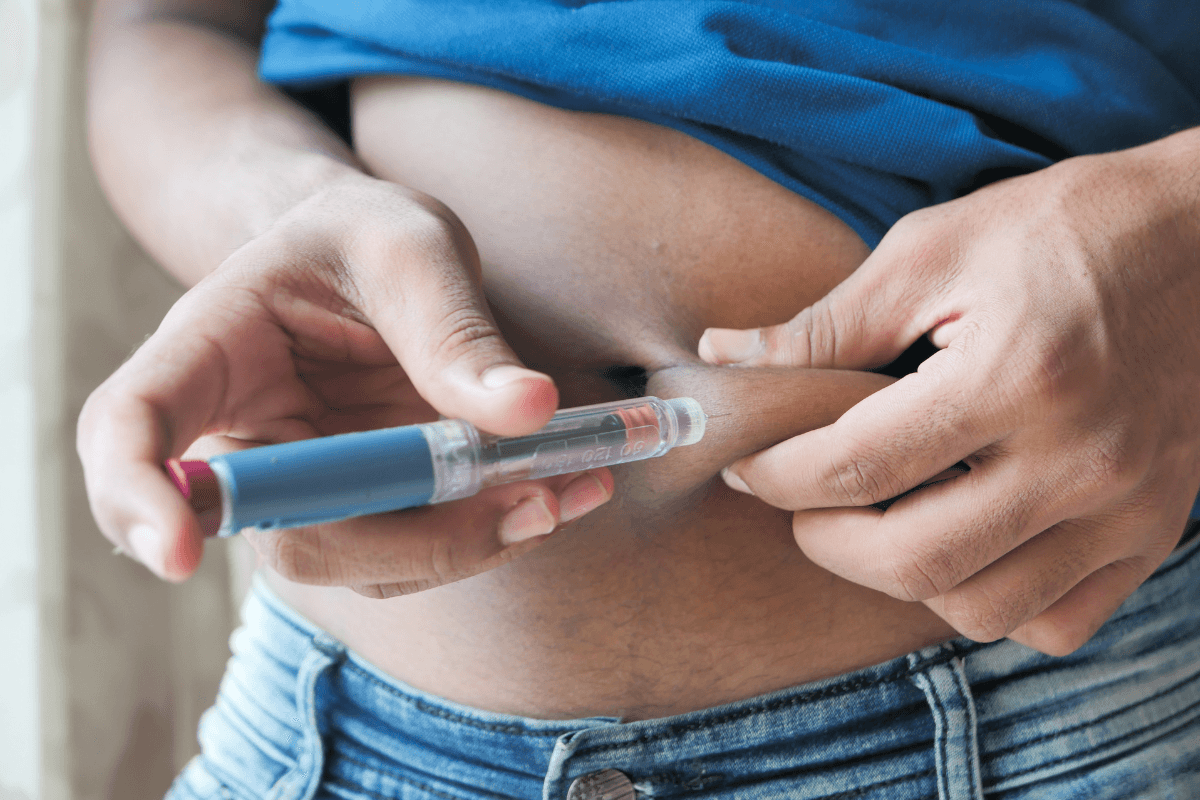
    Many people worry about the mechanics: where the shot goes, whether it hurts, and how to avoid mistakes. These medicines are typically injected subcutaneously (under the skin), often in the abdomen, thigh, or upper arm. People commonly say “in the stomach,” but the key idea is fatty tissue, not muscle. Your prescriber or pharmacist can demonstrate technique and recommend the best site rotation approach.

    Timing is another common stress point. Weekly injections can be easier to remember, but they also make missed-dose questions feel higher stakes. If you are considering weekly therapy, set reminders and pick a day that fits your schedule. For dose-timing questions, the safest move is to follow the product instructions and ask your prescriber, rather than trying to “catch up” on your own.

    Storage and travel planning matter more than most people expect. Some pens must be refrigerated until first use, and many have limits on how long they can stay at room temperature. Heat exposure in a car, checked luggage, or a sunny windowsill can degrade medicines. If travel is frequent for you, talk with a pharmacist about practical packing steps and what to do if a pen gets too warm.

    If you want a dosing-structure refresher before a clinician visit, Zepbound Dosage explains common escalation concepts and the types of questions to ask.

    Choosing With Your Clinician: A Simple, Calm Checklist

    Decision-making feels easier when you break it into a few stable factors. Start with the “must-haves,” like whether you need a medicine with an FDA weight-management indication, whether you are also treating type 2 diabetes, and what side effects would be especially hard for you to manage at work or home. Then consider practical fit: weekly versus daily injections, comfort with self-injection, and your ability to attend follow-ups.

    It also helps to name your biggest worry upfront. Some people fear nausea; others worry about muscle loss, regain after stopping, or long-term safety. A clinician can discuss nutrition support, resistance training, and realistic expectations so the plan is sustainable. If you find yourself overwhelmed by conflicting stories online, bring a short list of questions to keep the visit focused.

    • Label alignment: weight management vs diabetes indication
    • Medical history: thyroid, gallbladder, pancreas, kidneys
    • Other medicines: diabetes drugs and hypoglycemia risk
    • Routine fit: weekly vs daily schedule
    • Monitoring plan: follow-ups and symptom check-ins

    If you are exploring multiple approaches, it can help to scan Weight Management Options to see injections and non-injection categories in one place. That overview can make your next appointment feel more organized.

    Recap

    Weight-loss injections can be effective tools, but the best match is personal. Start by clarifying which options are labeled for weight management, then compare weekly versus daily routines and side-effect patterns. Focus on a plan you can live with, not just a name you recognize.

    Bring your medical history, current medications, and top concerns to a clinician visit. With that context, it is easier to choose a medicine, set expectations, and plan monitoring that supports safety over time.

    This content is for informational purposes only and is not a substitute for professional medical advice for your personal situation.

  • Trulicity Weight Loss: Dosing, Safety, and Expectations

    Trulicity Weight Loss: Dosing, Safety, and Expectations

    Trulicity weight loss can happen, but Trulicity is not approved as a weight-loss medication. It is a once-weekly dulaglutide injection used for type 2 diabetes, and weight change is usually a secondary effect related to appetite, digestion, blood sugar control, and daily habits.

    That distinction matters. If you are taking Trulicity and the scale is changing, the goal is not to chase a number. The safer goal is to understand what is expected, what needs medical review, and when a dosing conversation makes sense.

    Key Takeaways

    • Approved use: Trulicity treats type 2 diabetes, not obesity.
    • Weight response: Some people lose weight, while others do not.
    • Dose decisions: Clinicians weigh glucose trends and side effects.
    • Safety matters: Severe belly pain or vomiting needs prompt care.
    • Comparisons vary: Ozempic, Wegovy, and Mounjaro have different roles.

    Why Weight Changes Can Happen on Dulaglutide

    Dulaglutide is a GLP-1 receptor agonist, a medicine that acts like a gut hormone involved in insulin release and appetite signals. It helps the body release insulin when blood sugar is high. It also slows stomach emptying, which can make meals feel more filling for some people.

    That is why many people notice appetite changes before they notice scale changes. Smaller portions may feel easier. Evening snacking may decrease. Some people also feel full sooner, especially after higher-fat meals.

    Still, Trulicity weight loss is not automatic. Weight can stay the same if appetite effects are mild, if nausea leads to grazing, or if other medicines promote weight gain. Sleep, stress, alcohol intake, activity level, and meal patterns all shape the outcome.

    Why it matters: A stable weight does not mean the medicine is failing if glucose control is improving.

    The official Trulicity prescribing information states that the medication is indicated for type 2 diabetes care and includes boxed warnings, contraindications, and safety details. Use that label as the source of record for approved use and risk information.

    Realistic Expectations: Average Loss, Timelines, and Plateaus

    Average weight loss with Trulicity is usually modest compared with medicines specifically approved for chronic weight management. Clinical trial reports show that some adults lose weight, especially at higher dulaglutide doses, but averages do not predict your personal result.

    People often ask how much weight they can lose in a month. A cautious answer is that early weight changes may be small, uneven, or hard to interpret. Nausea, constipation, hydration shifts, and changes in carbohydrate intake can all move the scale for reasons that are not true fat loss.

    It helps to track trends rather than single weigh-ins. Use the same scale, similar clothing, and a consistent time of day. Waist fit, appetite patterns, glucose readings, and energy after meals can give useful context.

    Online Trulicity weight loss stories and before-and-after posts can feel motivating. They can also be misleading. Photos rarely show food intake, dose history, other medications, diabetes status, or side effects. Reviews may overrepresent people with unusually strong reactions, whether positive or negative.

    If your goal is to track progress without overreading day-to-day changes, a simple calculator can help you compare starting weight, current weight, and progress toward a goal. It estimates general progress only and does not replace clinical guidance.

    [weight-loss-progress-calculator]

    Why Plateaus Happen

    A plateau does not always mean the medication stopped working. Appetite may settle after the first weeks. Your body may adapt to a lower intake. Constipation can add temporary scale weight. Less movement from fatigue or nausea can also offset an appetite decrease.

    When progress slows, review the basics before assuming the dose is wrong. Missed injections, irregular meal timing, frequent liquid calories, and snack-based eating can all blur the picture. A registered dietitian can help if nausea, cravings, or glucose swings make planning difficult.

    Dosing Basics and When Dose Discussions Usually Come Up

    Trulicity is taken once weekly, and dose changes should be clinician-directed. The usual conversation is not simply about losing more weight. It is about whether blood sugar goals are being met, whether side effects are tolerable, and whether the current dose has had enough time to be assessed.

    Many adults start at a lower strength. A clinician may later consider step-ups if glucose readings or A1C remain above target and the current dose is tolerated. The strengths commonly discussed include 0.75 mg, 1.5 mg, 3 mg, and 4.5 mg once weekly, but the right plan depends on the person and the product label in their region.

    People searching for a Trulicity weight loss dose should be careful with that phrase. Trulicity does not have an FDA-approved weight-loss dose. Dosing is based on diabetes treatment goals and safety, not a guaranteed weight-loss target.

    For a deeper review of schedule basics, missed-dose discussions, and how clinicians may think through titration, see this Trulicity Dosage Guide. Use it as preparation for a medical visit, not as a reason to adjust dosing on your own.

    What Higher Strengths Mean

    The Trulicity 3 mg dose and 4.5 mg dose are higher-strength options used in selected adults when more glucose lowering is needed and the medicine is tolerated. Higher does not always mean better. It can also mean more nausea, reflux, constipation, or reduced appetite that becomes hard to manage.

    The strongest marketed dose in many settings is 4.5 mg once weekly. That fact should not be treated as a target. Clinicians usually look for the lowest effective and tolerable dose for the treatment goal.

    Use in People Without Diabetes and Off-Label Questions

    Trulicity for weight loss in non diabetics is an off-label topic. Off-label prescribing means a clinician uses an approved medicine for a purpose not listed in the official label. It can be appropriate in some situations, but it requires careful screening and clear expectations.

    A clinician may ask about pancreatitis, gallbladder disease, severe stomach-emptying problems, kidney concerns, pregnancy plans, and personal or family history of certain thyroid cancers. They may also review medications that raise hypoglycemia risk, especially insulin or sulfonylureas.

    If weight management is the primary goal, medicines approved specifically for that purpose may be part of the discussion. The right fit depends on medical history, eligibility, tolerability, and monitoring needs. For broader context, the Weight Management collection can help you compare educational topics without treating one medication as a universal answer.

    BorderFreeHealth connects U.S. patients with licensed Canadian partner pharmacies for eligible prescription options. When prescription verification is required, pharmacy partners confirm details with the prescriber before dispensing.

    Side Effects, Red Flags, and Safer Follow-Up

    Digestive side effects are common with GLP-1 medicines. Nausea, fullness, reflux, constipation, diarrhea, and reduced appetite can occur, especially after starting or increasing a dose. These effects often shape how people eat, hydrate, and tolerate treatment.

    Practical adjustments may help some people feel more comfortable. Smaller meals, slower eating, lower-fat choices, and steady fluids may reduce symptoms. If symptoms are persistent or disruptive, medical review is important. Do not keep pushing through severe symptoms just because weight is changing.

    Seek prompt medical care for severe or worsening abdominal pain, repeated vomiting, signs of dehydration, yellowing of the skin or eyes, or symptoms of low blood sugar. Low blood sugar is more likely when Trulicity is used with insulin or a sulfonylurea, especially if food intake drops.

    For meal-planning ideas and common trigger foods to discuss with your care team, see Foods To Avoid With Trulicity. For comfort strategies around nausea, constipation, and timing concerns, this resource on Trulicity Side Effects may also help.

    How It Compares With Other GLP-1 Options

    Ozempic vs Trulicity weight loss is a common comparison because both medicines are GLP-1 receptor agonists. Ozempic contains semaglutide, while Trulicity contains dulaglutide. Both are used in type 2 diabetes care, but they are not identical in dosing, titration, tolerability, or expected weight effects.

    Some semaglutide products are used differently from Trulicity. Wegovy, for example, is a semaglutide product approved for chronic weight management in eligible patients. Ozempic is used for type 2 diabetes. The distinction matters when comparing goals, labels, and insurance or cash-pay access discussions.

    Weight loss is only one decision factor. Side effects, glucose response, cardiovascular history, kidney considerations, other medicines, and personal preferences all matter. Availability and access rules can also change over time.

    If you are comparing dulaglutide and semaglutide, Trulicity Vs Ozempic gives a more focused comparison. For another incretin-based option sometimes discussed in type 2 diabetes care, Mounjaro Vs Trulicity reviews key differences in a practical format.

    Metformin, Combination Therapy, and Diabetes Priorities

    Metformin and Trulicity are often discussed together because many adults with type 2 diabetes use metformin as a foundation therapy. Metformin mainly reduces liver glucose production and may be weight-neutral or modestly weight-lowering for some people.

    When both medicines are used, the usual goal is better glucose control through different mechanisms. Weight change may happen, but it is not the only measure of success. A1C, fasting glucose, post-meal readings, medication tolerance, kidney function, and hypoglycemia risk all help guide care.

    Stomach side effects can overlap. Metformin may cause diarrhea or nausea, while Trulicity may cause nausea, fullness, or constipation. A clinician may review meal timing, formulations, or titration pace if symptoms make it hard to eat normally.

    For a broader view of treatment categories and product navigation, the Type 2 Diabetes hub can help you browse related options. Keep medical decisions anchored in your prescriber’s plan, especially if multiple medicines affect glucose.

    Questions to Bring to Your Clinician

    A clear visit plan can make Trulicity weight loss conversations more useful. Bring facts rather than guesses. A short log of injections, symptoms, weight trends, and glucose readings gives your clinician a better picture.

    • Current goal: Ask whether glucose, weight, or both are priorities.
    • Dose timing: Review missed doses or schedule changes.
    • Side effects: Describe severity, frequency, and food triggers.
    • Glucose patterns: Share fasting and after-meal readings if tracked.
    • Other medicines: Mention insulin, sulfonylureas, and supplements.
    • Weight trend: Bring weekly averages instead of daily swings.
    • Next step: Ask what would justify a dose change or switch.

    Quick tip: Write down your top two concerns before the appointment.

    If access is part of the discussion, some patients compare cash-pay cross-border prescription options without insurance, subject to eligibility and local rules. Keep that separate from clinical decision-making, which should remain with your prescriber.

    Authoritative Sources

    For official indication, dosing, warnings, and contraindication details, review the FDA-approved Trulicity label.

    For regulator-maintained product approval information, the FDA label document provides current prescribing details in PDF form.

    For general diabetes standards and patient-centered treatment context, the American Diabetes Association medication overview explains common diabetes medication categories.

    Recap

    Trulicity can affect appetite and weight, but it remains a diabetes medication rather than a dedicated weight-loss drug. Some people lose weight, some plateau, and some see little change. Dose increases should be based on medical goals, glucose data, and tolerability.

    The safest next step is to bring your trends and side effects to a clinician. That conversation can clarify whether to stay the course, adjust the plan, or compare other options.

    This content is for informational purposes only and is not a substitute for professional medical advice.

  • Zepbound vs Ozempic: Differences That Shape Weight Care

    Zepbound vs Ozempic: Differences That Shape Weight Care

    Zepbound vs Ozempic is not a simple “which is stronger” choice. Zepbound is labeled for chronic weight management in eligible adults, while Ozempic is labeled for type 2 diabetes and certain heart-risk reduction uses in that population. Both can affect appetite, digestion, and blood sugar, but they are different medicines with different active ingredients, approval pathways, and follow-up needs.

    Why this matters: the best fit often depends on your diagnosis, health goals, side effect history, coverage rules, and what your prescriber needs to monitor. Online comparisons can help you prepare, but they cannot replace a medication plan built around your medical history.

    Key Takeaways

    • Different labeled uses: Zepbound is weight-management focused; Ozempic is diabetes focused.
    • Different ingredients: tirzepatide and semaglutide act on related hormone pathways.
    • Similar routine: both are once-weekly injections with gradual titration.
    • Side effects overlap: nausea, constipation, diarrhea, and fullness are common concerns.
    • Choice is personal: goals, safety factors, access, and monitoring drive the decision.

    Zepbound vs Ozempic: The Core Difference

    The main difference is that Zepbound contains tirzepatide, while Ozempic contains semaglutide. Tirzepatide acts on GLP-1 and GIP receptors, two gut-hormone pathways involved in appetite and glucose regulation. Semaglutide acts on GLP-1 receptors, which also influence appetite, stomach emptying, insulin release, and blood sugar after meals.

    People often ask, “Is Zepbound the same as Ozempic?” The answer is no. They can feel similar in daily life because both are weekly injections and both may reduce appetite. Still, they are not interchangeable products, and their labels are not the same.

    The approval difference matters in real appointments. A clinician may consider Zepbound when the main treatment goal is chronic weight management and the label criteria fit. Ozempic is generally discussed in the context of type 2 diabetes care, blood sugar targets, and cardiovascular risk reduction for certain adults with type 2 diabetes.

    If you want to compare tirzepatide with another tirzepatide brand, Zepbound Vs Mounjaro explains how shared ingredients can still have different labeled uses.

    How the Medicines Compare in Real-World Decisions

    The most useful Zepbound vs Ozempic comparison looks at use, monitoring, tolerability, and access together. One factor rarely decides everything.

    Decision Factor Zepbound Ozempic
    Active ingredient Tirzepatide Semaglutide
    Drug pathway GLP-1 and GIP receptor activity GLP-1 receptor activity
    Main labeled use Chronic weight management for eligible adults Type 2 diabetes; certain cardiovascular risk reduction uses
    Injection schedule Once weekly, with stepwise titration Once weekly, with stepwise titration
    Common follow-up focus Weight trend, appetite, nutrition, tolerability, safety warnings A1C, glucose patterns, diabetes medicines, kidney function, safety warnings
    Access considerations Weight-management coverage rules may apply Diabetes coverage rules may apply

    For weight-focused care, your prescriber may look at eligibility, body-weight trend, related conditions, and whether lifestyle support is realistic and sustainable. For diabetes-focused care, the conversation often includes A1C, home glucose patterns, low-blood-sugar risk when combined with other diabetes medicines, and kidney function.

    That is why “Zepbound vs Ozempic which is better” has no universal answer. Better for what? Weight-management labeling, diabetes control, tolerability, access, pregnancy planning, medication interactions, and personal preference can point in different directions.

    Readers comparing semaglutide-based options may also find Wegovy Vs Ozempic useful, because Wegovy and Ozempic share semaglutide but differ in labeled use and dosing context.

    Weight Loss Expectations Without the Hype

    Zepbound vs Ozempic weight loss discussions can become exaggerated online. Both medicines may support weight reduction in some people, but the expected role differs because Zepbound is labeled for chronic weight management and Ozempic is labeled for type 2 diabetes care.

    Clinical trials are not the same as personal predictions. Trial participants follow set protocols, have defined eligibility criteria, and receive scheduled monitoring. In daily life, results can vary with dose tolerance, nutrition, activity, sleep, other medicines, medical conditions, and whether treatment can be continued safely.

    It is reasonable to ask your clinician what marker they will use to judge progress. Some care plans focus on percentage body-weight change, waist measurement, appetite control, mobility, blood pressure, lipids, or glucose patterns. Others may focus first on whether side effects are manageable.

    Quick tip: Track trends, not single weigh-ins, because fluid shifts can blur short-term changes.

    This calculator can help you review general weight-change progress over time. It does not determine eligibility, predict medication response, or replace clinical judgment.

    [weight-loss-progress-calculator]

    For a broader medication landscape, the Weight Management collection can help you compare educational topics before a prescriber visit.

    Dosing and Switching: Why Conversion Charts Are Risky

    Zepbound vs Ozempic dosage questions should be handled by a prescriber, not by a simple online chart. Both medicines use gradual dose increases, often called titration, to help the body adjust and to reduce the chance of disruptive stomach-related side effects.

    A one-to-one conversion is not reliable because tirzepatide and semaglutide are different molecules. They act on overlapping but not identical receptor pathways. Your current dose, side effects, last injection date, diabetes medicines, kidney function, and eating pattern all matter.

    Searches for an Ozempic to Zepbound conversion chart, semaglutide to tirzepatide dose conversion chart, or GLP-1 dose conversion chart usually reflect a practical concern: people want to avoid side effects or treatment gaps. That concern is valid. The safer response is a clinician-led transition plan with monitoring, not self-directed dose matching.

    Questions to bring to your appointment

    • Timing: When should the next injection occur?
    • Starting point: What dose is appropriate after my current medicine?
    • Monitoring: Which symptoms or labs need follow-up?
    • Diabetes medicines: Could any increase low-blood-sugar risk?
    • Tolerability: What should I do if nausea or vomiting starts?

    If you are comparing semaglutide, tirzepatide, and related diabetes brands, Mounjaro Vs Ozempic covers overlapping questions around ingredient, indication, and fit.

    Side Effects, Warnings, and When to Seek Help

    Zepbound vs Ozempic side effects overlap because both affect digestion and appetite signaling. Common issues may include nausea, constipation, diarrhea, stomach pain, heartburn-like symptoms, burping, reduced appetite, and feeling full sooner than expected.

    Side effects often appear during dose changes, after larger meals, or when fluid intake drops. Smaller meals, slower eating, and steady hydration may help some people feel more comfortable. Still, persistent symptoms deserve attention, especially if they affect fluid intake or daily functioning.

    More concerning symptoms include severe or worsening abdominal pain, ongoing vomiting, inability to keep fluids down, signs of dehydration, or symptoms that feel sudden and unusual. Seek medical advice promptly if these occur. Your clinician may want to assess for complications such as pancreatitis, gallbladder disease, kidney stress from dehydration, or other causes.

    Both medicines also carry important label warnings and contraindications. These include a boxed warning about thyroid C-cell tumors seen in rodents, and they should not be used in people with a personal or family history of medullary thyroid carcinoma or multiple endocrine neoplasia syndrome type 2. Labels also describe cautions around pancreatitis, gallbladder disease, kidney injury related to dehydration, and diabetic retinopathy concerns in some people with diabetes.

    Why it matters: Similar side effects do not mean identical safety considerations for every person.

    Injection technique can also affect comfort. If bruising, stinging, or site rotation is a barrier, ask your care team to review technique rather than assuming the medicine is the only problem.

    Cost, Coverage, and Access Factors

    Zepbound vs Ozempic cost is often less about the list price and more about the reason a plan covers the drug. Insurance rules often follow labeled use, so a diabetes prescription may be reviewed differently from a weight-management prescription.

    Prior authorization can also shape access. A plan may ask for diagnosis codes, past treatment history, current health measurements, or documentation that label criteria are met. This process can feel personal, but it is usually an administrative rule rather than a judgment about effort or need.

    People without insurance may also ask about cash-pay routes or cross-border options. BorderFreeHealth connects U.S. patients with licensed Canadian partner pharmacies, and prescription details are verified with the prescriber when required before dispensing. Eligibility and jurisdiction still matter, so access should be discussed as part of a safe care plan.

    The Weight Management Options category can help readers see browseable medication categories without treating any one product as the default choice. Product pages such as Zepbound and Ozempic may also provide product-specific context when a prescriber has already discussed those medicines.

    How Related Options Fit the Conversation

    Many readers compare Zepbound vs Ozempic and quickly end up asking about Wegovy, Mounjaro, or other GLP-1 medicines. That is understandable because brand names, active ingredients, and labeled uses overlap in ways that can be confusing.

    Wegovy contains semaglutide, like Ozempic, but it is labeled for chronic weight management under specific criteria. Mounjaro contains tirzepatide, like Zepbound, but it is labeled for type 2 diabetes. These label differences can affect insurance review, clinical monitoring, and how a prescriber frames the treatment goal.

    If your main question is Zepbound vs Wegovy, Zepbound Vs Wegovy compares two medicines with weight-management labeling. If your clinician has mentioned Ozempic in a weight-related context, Ozempic For Weight Loss explains why indication and off-label use need careful discussion.

    Authoritative Sources

    For official label details, warnings, and approved uses, review the Zepbound prescribing information and the Ozempic prescribing information. These documents are the best sources for current contraindications, warnings, and administration instructions.

    The FDA GLP-1 safety information also gives regulator-level context on this medicine class and safety monitoring.

    Putting the Comparison Into a Care Plan

    Zepbound and Ozempic can look similar from a distance, but the practical differences are meaningful. Zepbound uses tirzepatide and is labeled for chronic weight management in eligible adults. Ozempic uses semaglutide and is labeled for type 2 diabetes care, including certain cardiovascular risk reduction uses.

    The safest next step is not choosing from a chart. It is bringing clear questions to a clinician: What is the main treatment goal? Which label fits my situation? What side effects should I watch for? What monitoring do I need? What happens if access changes?

    This content is for informational purposes only and is not a substitute for professional medical advice.

  • GLP-1 Drugs for Weight Loss: Options, Safety, and Access

    GLP-1 Drugs for Weight Loss: Options, Safety, and Access

    GLP-1 drugs for weight loss are prescription medicines that may help eligible adults manage appetite, fullness, and weight over time. They are not quick fixes, and they are not right for everyone. The safest path starts with a clinician review, a clear diagnosis or eligibility reason, and follow-up for side effects, nutrition, and long-term planning.

    Why this matters: many people hear brand names before they understand the drug class. Semaglutide, tirzepatide, and liraglutide differ in approved uses, dosing schedules, precautions, and coverage rules. Some products are approved for chronic weight management, while others are approved for type 2 diabetes and may be discussed differently.

    Key Takeaways

    • Several options exist: Semaglutide, tirzepatide, and liraglutide are the main injectable medicines people ask about.
    • Labels matter: The same active ingredient may appear under different brand names for different approved uses.
    • Side effects are common: Nausea, constipation, reflux, diarrhea, and early fullness often appear during dose changes.
    • Access requires review: A prescriber should check eligibility, medical history, current medicines, and follow-up needs.
    • OTC claims need caution: Supplements, drops, and patches are not the same as regulated prescription GLP-1 medicines.

    GLP-1 Medicines for Weight Management: The Main Options

    The main prescription options include GLP-1 receptor agonists and related incretin medicines. Incretins are gut hormones that help regulate appetite and blood sugar after meals. For weight management, the practical question is not simply which drug is popular. It is which option fits your diagnosis, risk factors, routine, and monitoring plan.

    Some medicines are FDA-approved for chronic weight management. Others are approved for type 2 diabetes and may be associated with weight loss, but that does not make the labels interchangeable. This distinction can affect prescribing documentation, insurance decisions, pharmacy processing, and safety counseling.

    Active ingredient Common brand examples Typical schedule Main U.S. approved use
    Semaglutide Wegovy, Ozempic Weekly injection Weight management for Wegovy; type 2 diabetes for Ozempic
    Tirzepatide Zepbound, Mounjaro Weekly injection Weight management for Zepbound; type 2 diabetes for Mounjaro
    Liraglutide Saxenda, Victoza Daily injection Weight management for Saxenda; type 2 diabetes for Victoza
    Orlistat Xenical With meals Weight management through reduced fat absorption

    If you want a broader injection comparison, Best Weight Loss Injections reviews how injectable options differ in routine and discussion points.

    How These Medicines Affect Appetite, Fullness, and Blood Sugar

    GLP-1 receptor agonists work by activating receptors involved in appetite and glucose regulation. In plain language, they can help some people feel full earlier, stay full longer, and experience less persistent hunger. They also slow gastric emptying, which means food leaves the stomach more slowly.

    That stomach-slowing effect helps explain both the benefits and some side effects. Smaller meals may feel more satisfying, but larger or greasy meals may worsen nausea or reflux. Constipation can also develop if food intake falls and fluid or fiber intake drops.

    Tirzepatide is slightly different because it acts on both GIP and GLP-1 pathways. GIP is another incretin hormone involved in metabolism. This does not automatically make it the right choice for every person. It simply means the mechanism is not identical to GLP-1-only medicines.

    These drugs usually work best alongside steady habits. Protein-forward meals, resistance training, adequate hydration, sleep, and follow-up visits can help protect muscle, support tolerability, and keep the plan realistic. A medicine can change appetite signals, but daily routines still shape the experience.

    Which GLP-1 Works Best for Weight Loss?

    There is no single best GLP-1 for weight loss for every person. The better question is which option has an approved use that matches your situation, a side-effect profile you can monitor, and a dosing routine you can maintain. Medical history often matters more than online comparisons.

    For example, a person with type 2 diabetes may have different priorities than someone without diabetes who meets weight-management criteria. A person with severe reflux, pancreatitis history, gallbladder disease, pregnancy plans, or complex medication use needs a more careful review. If insulin or sulfonylurea medicines are part of diabetes care, low blood sugar risk should be discussed before starting or adjusting therapy.

    People often compare semaglutide and tirzepatide first. For a focused look at those two weight-management brands, Zepbound and Wegovy explains differences that may come up during a clinician visit. If semaglutide is the main question, Semaglutide Basics gives a broader patient-friendly overview.

    Quick tip: Bring your medication list, supplement list, and weight-history notes to the appointment.

    Brand Names, Approved Uses, and Practical Differences

    Brand names can make GLP-1 conversations confusing because the same active ingredient may appear in different products. Wegovy and Ozempic both contain semaglutide, but Wegovy is approved for chronic weight management in eligible patients, while Ozempic is approved for type 2 diabetes. Zepbound and Mounjaro follow a similar pattern with tirzepatide.

    This matters because prescribing is not only about the molecule. The product label, indication, dose-escalation plan, device, documentation, and payer requirements may differ. A clinician may also choose one pathway over another based on blood sugar goals, cardiovascular risk factors, tolerability, or access constraints.

    Many readers ask, “is Ozempic a GLP-1?” Yes. Ozempic is a semaglutide product in the GLP-1 receptor agonist class, approved for type 2 diabetes. Some people discuss it in weight-related care, but that is not the same as saying every person seeking weight loss should use it.

    For a deeper look at semaglutide in weight-related care, Ozempic for Weight Loss explains common questions around off-label discussions and safety expectations. Product pages such as Wegovy, Zepbound, Ozempic, and Saxenda can also help readers identify medication names and forms, but prescribing decisions should remain clinician-led.

    Who May Be Considered, Including People Without Diabetes

    GLP-1 drugs for weight loss may be considered for adults who meet clinical criteria for chronic weight management. Those criteria often involve body mass index, weight-related health conditions, prior attempts at lifestyle change, and medication safety factors. A prescriber should confirm the details rather than relying on a social media checklist.

    People without diabetes may still be candidates for certain weight-management products if they meet label-based or guideline-based criteria. That is different from using diabetes-labeled medicines without a clear plan. It also means blood sugar monitoring may not be the only follow-up issue. Nutrition, muscle preservation, gastrointestinal tolerance, mood, and other health markers can still matter.

    Pregnancy and pregnancy planning deserve special attention. Weight-management medicines are generally not treated as casual short-term tools around conception. Anyone pregnant, trying to become pregnant, breastfeeding, or planning fertility treatment should discuss medication timing with a qualified clinician.

    A careful review is also important for people with a personal or family history of certain endocrine tumors, pancreatitis history, gallbladder disease, severe gastrointestinal disease, kidney concerns, or eating disorder history. These issues do not all mean the same thing, but they can change the risk-benefit discussion.

    How to Get a Prescription Safely

    Access usually starts with a medical visit, either in person or through an appropriate telehealth pathway. The prescriber typically reviews your weight history, health conditions, medications, allergies, pregnancy plans, and previous treatment attempts. Lab work may include blood sugar markers, kidney function, liver-related markers, and lipids, depending on your situation.

    Most plans include gradual dose increases, often called titration. A glp-1 dosage for weight loss question should be answered from the specific product label and the prescriber’s judgment, not from a copied dosing chart. Moving faster is not always safer. Dose increases can worsen nausea, constipation, vomiting, or dehydration.

    If you are preparing for a visit, it may help to write down three things: your goals, your main safety concerns, and what follow-up you can realistically attend. If semaglutide is being discussed, Prescription Steps for Ozempic outlines common documentation and safety checkpoints.

    BorderFreeHealth connects U.S. patients with licensed Canadian partner pharmacies when a valid prescription pathway applies. Where required, prescription details are checked with the prescriber before pharmacy dispensing. Some patients also explore cash-pay cross-border options without insurance, subject to eligibility and jurisdiction.

    Side Effects, Warning Signs, and Long-Term Questions

    GLP-1 side effects most often involve the stomach and bowel. Nausea, early fullness, constipation, diarrhea, bloating, burping, and reflux are commonly discussed. These symptoms may be more noticeable after starting therapy or increasing a dose.

    Ozempic side effects can overlap with side effects seen with other semaglutide products. The brand name may differ, but the active ingredient still influences appetite, stomach emptying, and glucose regulation. Your clinician can help separate expected symptoms from symptoms that need evaluation.

    Serious problems are less common but important. Seek prompt medical care for severe or persistent abdominal pain, ongoing vomiting, signs of dehydration, fainting, allergic reaction symptoms, or pain that may suggest gallbladder or pancreas problems. People using insulin or sulfonylureas should ask how to recognize and manage low blood sugar.

    Long-term side effects remain an active area of monitoring and research. Known label warnings and post-marketing safety reports guide clinicians, but individual risk still depends on personal history. Regular follow-up helps track weight response, nutrition, labs, tolerability, and whether the medicine still fits your goals.

    Muscle maintenance also deserves attention. When weight changes, people may lose both fat and lean tissue. Protein intake, resistance exercise, and adequate overall nutrition can help support strength, but individual targets should be discussed with a clinician or registered dietitian, especially with kidney disease, diabetes medication use, or eating disorder history.

    Timelines, Plateaus, and Stopping Decisions

    Weight-change timelines vary widely with GLP-1 drugs for weight loss. Some people notice appetite changes early, while weight trends may be slower and uneven. Starting weight, dose progression, side effects, sleep, activity, stress, other medicines, and health conditions can all influence the pace.

    A plateau does not always mean the medicine has failed. Weight regulation adapts over time. Lower intake, reduced body size, lower spontaneous movement, menopause transitions, sleep loss, or missed protein needs can all contribute. A follow-up visit can help check whether the plan needs nutrition support, strength training changes, lab review, or a medication reassessment.

    Stopping should also be planned. Appetite and cravings may return after discontinuation, and people with diabetes may need closer glucose monitoring when therapy changes. Do not stop, restart, or change a dose based only on online stories or before-and-after posts.

    The calculator below can help you estimate a general weight-change timeline from a target and weekly pace. It does not determine eligibility, predict your medical outcome, or replace clinical guidance.

    [weight-loss-timeline-calculator]

    OTC Supplements, Patches, and Non-GLP-1 Alternatives

    Prescription GLP-1 drugs over the counter are not available in the same way regulated prescription medicines are. Supplements that claim to “boost GLP-1” may use appealing language, but they are not equivalent to semaglutide, tirzepatide, or liraglutide. They also are not reviewed to the same standard for safety and effectiveness.

    Products marketed as drops, patches, or “natural GLP-1” options should be approached carefully. Peptide-like medicines are complex to formulate and deliver. A patch claim does not prove that a meaningful medicine dose reaches the bloodstream, and ingredient labels may not tell the full story.

    Non-GLP-1 medications for weight management do exist. Some affect appetite pathways in the brain. Others affect fat absorption in the gut. The right discussion depends on blood pressure, seizure history, mood history, pregnancy plans, gastrointestinal conditions, other medicines, and personal preferences.

    If you want to compare wider categories, browse the Weight Management Articles collection for educational reading. The Weight Management Options category can also help you recognize different medication classes without treating any listing as personal medical advice.

    Authoritative Sources

    For official prescribing details on semaglutide for chronic weight management, review the FDA Wegovy prescribing information.

    For tirzepatide labeling, contraindications, and warnings, see the FDA Zepbound prescribing information.

    For regulator safety concerns about unapproved versions, read the FDA statement on unapproved GLP-1 drugs.

    Putting the Decision in Context

    GLP-1 drugs for weight loss can be useful tools for some people, but the details matter. Approved use, medical history, side effects, access pathway, and follow-up all shape whether treatment is appropriate. A careful plan can also reduce confusion around brand names, dosing charts, supplement claims, and online comparisons.

    Use your appointment to ask practical questions. Which product is being considered, and why? What symptoms should prompt a call? How will progress be monitored? What happens if side effects interfere with meals, hydration, or daily life? Clear answers make the decision safer and less overwhelming.

    This content is for informational purposes only and is not a substitute for professional medical advice.

  • Mounjaro vs Ozempic Compared for Weight Loss Goals

    Mounjaro vs Ozempic Compared for Weight Loss Goals

    Key Takeaways

    • Different approvals: One is primarily for type 2 diabetes, and weight-loss labeling differs by product.
    • Different biology: Tirzepatide targets two gut hormones; semaglutide targets one.
    • Similar routine: Both are once-weekly injections with dose increases over time.
    • Similar side effects: Stomach symptoms are common, and safety monitoring matters.
    • Switching takes planning: A clinician usually adjusts timing and dose slowly.

    Choosing between weekly injection options can feel overwhelming. You may be balancing weight goals, blood sugar, side effects, and insurance rules. You may also be sorting through strong opinions online.

    This article compares Mounjaro vs Ozempic in practical, everyday terms. You’ll learn how they work, what differences matter most, and what questions to bring to a clinician.

    Why this matters: the “best” choice often depends on your health history. The right plan can also reduce unnecessary side effects and frustration.

    Mounjaro vs Ozempic: Key Differences That Matter

    These medicines can look similar at first glance. Both are weekly injections used in metabolic care, and both can support weight change for some people. But they are not interchangeable in how they are approved and how they act in the body.

    Mounjaro is tirzepatide, and Ozempic is semaglutide. In the U.S., each has specific FDA-approved uses and labeling. For the most current indications and warnings, it helps to review the official prescribing information for Ozempic labeling in context, and the official prescribing information for semaglutide products as a class. You can also confirm details in the FDA label for FDA-approved indications.

    It also helps to separate brand names from the “medicine family.” Both belong to incretin-based therapies, which influence appetite, digestion, and insulin signaling. If you are comparing options beyond these two, browsing Weight Management Options can help you see what types of treatments exist, from injectables to oral medicines.

    What you’re comparing Tirzepatide (Mounjaro) Semaglutide (Ozempic)
    Drug type Dual incretin (GIP/GLP-1) receptor agonist GLP-1 receptor agonist
    Primary U.S. labeled use Type 2 diabetes treatment (label-dependent) Type 2 diabetes treatment (label-dependent)
    Typical routine Once-weekly injection with stepwise dose increases Once-weekly injection with stepwise dose increases
    Common trade-offs GI symptoms, appetite changes, monitoring needs GI symptoms, appetite changes, monitoring needs

    How Tirzepatide and Semaglutide Affect Appetite and Blood Sugar

    The simplest way to think about these medicines is “gut hormones that message the brain and pancreas.” Both can reduce appetite, slow stomach emptying, and help the body release insulin when glucose is high. That combination may improve A1C (a three-month average blood sugar test) and may support weight loss.

    A key difference is the hormone targets. Semaglutide works through the GLP-1 pathway. Tirzepatide works through GLP-1 and GIP (two incretin hormones). This is the core idea behind the mounjaro vs ozempic mechanism of action conversation you may see online.

    Why it matters: different hormone targets can feel different day to day. Some people notice appetite suppression sooner, while others mainly notice digestion changes. Many factors shape that experience, including meal pattern, dose level, and how sensitive your stomach is to slower emptying.

    Weight Loss and Blood Sugar Goals: Setting Realistic Expectations

    It’s normal to want a clear winner. But your “best fit” often depends on your main goal and your health priorities. For someone focused on type 2 diabetes, the plan may center on A1C, time-in-range on a CGM, or cardiovascular risk factors. For someone focused on weight management, the focus may be hunger control, steady routines, and preserving muscle.

    Labeling also shapes the conversation. Some people use semaglutide specifically for weight management under a different brand and dosing range. Others may discuss tirzepatide under different brand names, depending on local approvals and coverage. If you want a clearer picture of diabetes-focused options, the category page for Type 2 Diabetes Options can help you compare medication classes without guessing.

    Tip: Ask your clinician what “success” means for you. It may include labs, energy, sleep apnea symptoms, or fewer cravings. A good plan is usually measurable and flexible, not perfection-based.

    Dosing Schedules, Pens, and Follow-Up Support

    Both medicines are usually taken once weekly, on the same day each week. Many people start at a lower dose and increase slowly. That stepwise approach is meant to improve tolerability, especially nausea and reflux.

    People often look for an ozempic vs mounjaro dosage comparison when they are switching or when side effects show up. Still, “dose equivalence” is not straightforward across different molecules. A clinician usually decides changes based on response, side effects, kidney function, other diabetes medicines, and your risk of low blood sugar.

    Practical details can make the routine easier. Injection technique, site rotation, and needle comfort matter. If injections feel stressful, it can help to review basics like needle length and fit; see Pen Needle Sizes for an overview of common pen-needle formats and what to ask a pharmacist.

    Side Effects and Safety: What’s Common vs What Needs Care

    Most people hear about nausea first, but stomach effects can include fullness, constipation, diarrhea, burping, or heartburn. For many, these symptoms are dose-related and improve with slower eating, smaller meals, and avoiding very fatty foods. Hydration and steady protein can also help when appetite drops sharply.

    When people compare mounjaro vs ozempic side effects, the differences often come down to intensity and timing. One person may tolerate one medicine easily and struggle with the other. That does not mean anything is “wrong” with them. It usually reflects individual digestion, dose changes, and other medicines in the mix.

    There are also less common but important risks that should be discussed with a clinician. GLP-1–based medicines carry warnings about pancreatitis symptoms, gallbladder problems, and dehydration-related kidney stress. They also have labeling cautions related to a personal or family history of certain thyroid tumors. For the most accurate, up-to-date safety details, check the official prescribing information for prescribing information and ask how it applies to your history.

    Note: Seek urgent care for severe, persistent abdominal pain, signs of dehydration, or vomiting that will not stop. Those symptoms can have many causes, and it’s safer to get assessed promptly.

    Considering a Switch: Timing, Monitoring, and Comfort

    Switches happen for many reasons. Side effects may be hard to manage. Blood sugar goals may not be met. Coverage rules may change. Some people also switch after reading switching from ozempic to mounjaro experiences online, but personal stories do not predict your outcome.

    If a switch is on the table, planning matters. A clinician may recommend a gap between injections, a re-start at a lower dose, or a slower increase schedule. People sometimes ask for an “Ozempic to Mounjaro conversion chart,” but conversion is not a simple math problem. It is usually based on tolerability, glucose trends, and what else you take for diabetes.

    What to do next: ask about monitoring during the transition. If you use insulin or a sulfonylurea, the low blood sugar risk may change when appetite drops. If you want a clearer picture of common titration patterns clinicians use, reading Tirzepatide Dosage can help you understand what “start low, go slow” typically means.

    Where Wegovy Fits When You’re Comparing Semaglutide Options

    Many people end up comparing semaglutide products because the names are easy to mix up. Wegovy is a semaglutide product that is labeled for chronic weight management, while Ozempic is labeled for type 2 diabetes. That distinction is why wegovy vs ozempic discussions often focus on labeling, dose ranges, and insurance coverage.

    Another common point of confusion is “off-label use.” Off-label means a medicine is prescribed for a purpose not specifically listed in its FDA approval. Some clinicians prescribe semaglutide for weight loss under diabetes labeling when they believe it is appropriate, but coverage and documentation can be complex. If you want a balanced explanation of that issue, read Off Label Ozempic Use for context about risks, benefits, and why documentation matters.

    If dosing details are part of your decision, it also helps to understand the step-up approach used in weight-management labeling. For practical expectations around titration and missed doses, Semaglutide Weight-Loss Dosing summarizes common patterns to discuss with a clinician.

    Looking Beyond Two Brands: Tirzepatide, Semaglutide, and Alternatives

    Sometimes the real question is not “A versus B.” It’s which medicine family best matches your needs and access. For example, some people do well with a GLP-1 approach but need a different brand due to availability. Others may need a non-injectable option, or a medicine that targets cravings through a different pathway.

    Comparisons like mounjaro vs wegovy come up often because both can be used in weight-management care under appropriate labeling. The differences are not only about the molecule. They include how quickly doses are increased, side-effect patterns, and your other medical conditions. If you are also comparing tirzepatide brand names for different indications, the article Tirzepatide Brand Differences can clarify naming, labeling, and what to ask at your next visit.

    Why this matters: you deserve a plan that is sustainable. That can include nutrition support, resistance training to protect muscle, and follow-up that adjusts the plan without blame. Medication can be one tool, not the whole story.

    Recap

    Both tirzepatide and semaglutide can play a role in diabetes and weight-management care. The best comparison looks at your goal, your side-effect tolerance, and your medical history. It also accounts for practical realities like follow-up access and coverage rules.

    If you’re unsure what to prioritize, bring a short list of questions to your clinician: what outcome matters most, what risks apply to you, and how monitoring will work. A thoughtful plan should feel supportive and adaptable, not rigid.

    This content is for informational purposes only and is not a substitute for professional medical advice for your personal situation.
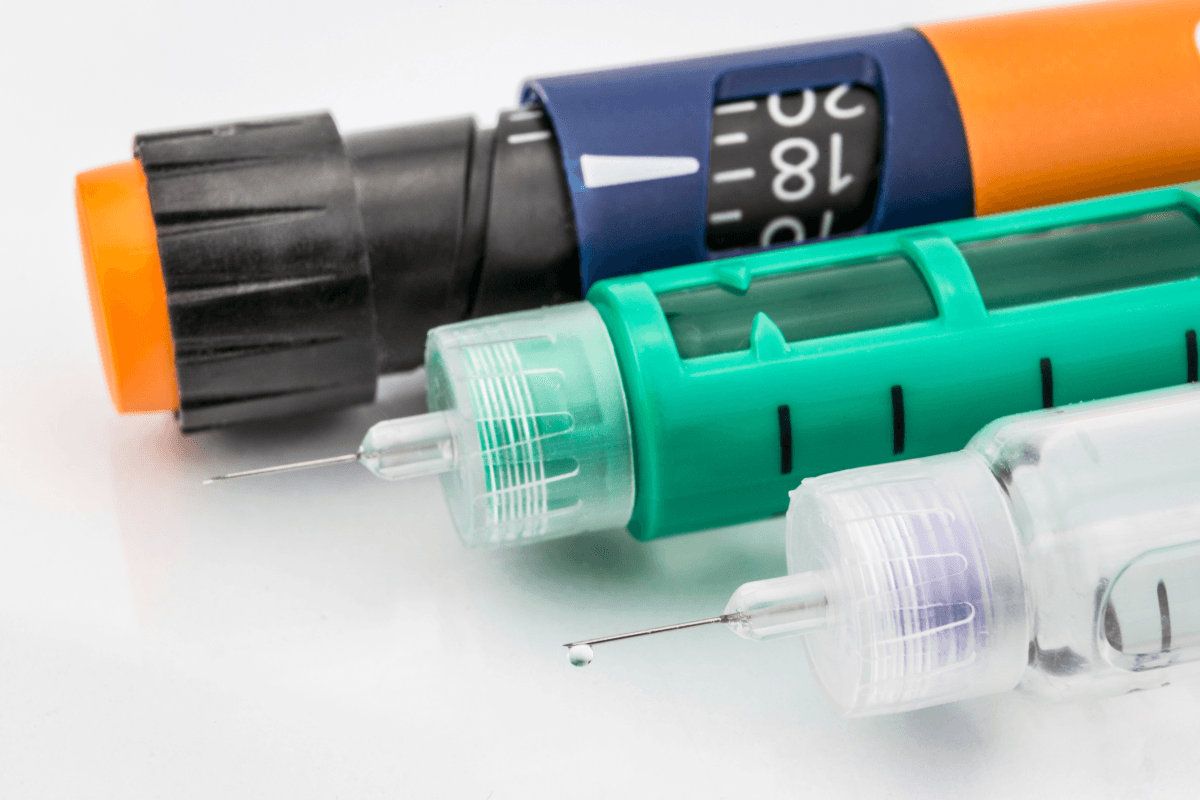
  • Zepbound vs Mounjaro: What’s Different and How Dosing Works

    Zepbound vs Mounjaro: What’s Different and How Dosing Works

    Key Takeaways

    • Same active drug: Both contain tirzepatide, but labels differ.
    • Different FDA uses: One targets diabetes, one weight management.
    • Similar effects: Side effects often depend on dose and titration speed.
    • Coverage varies: Insurance rules commonly drive the real-world choice.
    • Switching needs planning: Talk through timing, monitoring, and goals.

    Trying to compare two similar medicines can feel surprisingly confusing. The names, pens, and insurance rules may all look different.

    Zepbound vs Mounjaro comes up most when people want clarity on use, dosing patterns, and what to expect day to day. The details matter, especially if you’re balancing health goals with coverage limits.

    Below, you’ll find the practical differences, what’s truly the same, and how clinicians often frame the decision. Use it to support a calmer, more informed conversation with your prescriber and pharmacist.

    Zepbound vs Mounjaro: What’s Actually Different

    Zepbound and Mounjaro share the same active ingredient: tirzepatide. Tirzepatide is a dual incretin medicine, meaning it acts on GIP and GLP-1 receptors (gut-hormone pathways that influence appetite and glucose). In everyday terms, the “engine” is the same.

    The meaningful differences are in the FDA-approved indication, the official labeling language, and how payers treat each prescription. Those factors can shape prior authorizations, refill timing, and which clinic documentation you may be asked to provide.

    Both brands are made by Eli Lilly and Company. The injection devices and packaging can also differ by market, which may affect training and comfort. When in doubt, the safest reference is the official labeling your pharmacy dispenses.

    Feature Zepbound Mounjaro
    Active ingredient Tirzepatide Tirzepatide
    Main FDA-approved use Chronic weight management (with criteria) Type 2 diabetes
    How it’s dosed Once-weekly injection Once-weekly injection
    What often drives choice Coverage for weight management, access Diabetes coverage rules, access
    What to double-check Pen instructions, storage, dose strength Pen instructions, storage, dose strength

    Indications and Goals: Diabetes Care vs Chronic Weight Management

    The biggest real-world divider is the “why” documented on the prescription. Mounjaro vs Zepbound decisions often hinge on whether treatment is centered on type 2 diabetes management, chronic weight management, or both.

    Mounjaro is FDA-approved to improve blood sugar control in adults with type 2 diabetes, alongside diet and exercise. Zepbound is FDA-approved for chronic weight management in adults who meet specific criteria, which may include a BMI threshold and certain weight-related conditions. These criteria and documentation needs can vary by insurer, even when the medicine is clinically appropriate.

    If you’re trying to zoom out and understand broader weight management approaches, the Weight Management collection can help, for related nutrition and medication education posts there. It can also be useful to compare common diabetes medication categories in one place, such as Type 2 Diabetes options, to compare common prescription options for diabetes care.

    Why this matters: Coverage is usually tied to the labeled indication. That can affect whether a pharmacy claim goes through, or whether additional forms are required. Clinically, your care team may still focus on the outcomes that matter most to you, like glucose trends, cardiometabolic risk (heart and metabolism risk), and quality of life.

    Dose Forms and Titration Patterns With Tirzepatide

    People often assume dosing differs a lot between brands. In practice, Mounjaro vs Zepbound dosing is usually similar because both contain tirzepatide and are taken once weekly. What tends to feel “different” is the pen design, the labeled indication on the box, and how quickly someone’s dose is increased (titrated).

    Most clinicians aim for a gradual titration to reduce gastrointestinal symptoms like nausea or reflux. Dose changes are typically spaced out over time, and the “right” pace is individualized. Your prescriber may also weigh other medicines you take, especially insulin or sulfonylureas, because combining these with tirzepatide can raise the risk of low blood sugar.

    If you want to review how dose steps are described in plain language, Mounjaro Dosage is a helpful reference, for a label-based overview of titration steps. For the weight-management brand, Zepbound Dosage Guidelines adds extra context, for pen strengths and weekly schedule details.

    Missed doses, travel, and “week-to-week” consistency

    Many people worry that one late injection “ruins” progress. It usually doesn’t, but it can change how you feel for a few days. FDA labeling describes a limited time window for taking a missed weekly dose, and it also gives spacing rules so doses are not taken too close together. Because these rules depend on timing, schedule, and other diabetes medicines, a pharmacist can help you interpret them safely.

    Travel adds another layer. You may need to plan around refrigeration, time zones, and carry-on storage. If your routine is already working, the simplest goal is consistency: same day each week, with clear reminders and a backup plan if a dose is delayed.

    What Side Effects Feel Like and When to Check In

    When people search Zepbound vs Mounjaro side effects, they’re often looking for reassurance. The most common effects tend to be gastrointestinal, such as nausea, diarrhea, constipation, heartburn, or reduced appetite. Many people notice these most after starting or after a dose increase.

    Because the active medicine is the same, side effects are broadly similar across brands. Differences are more often explained by dose level, titration speed, meal size, hydration, alcohol intake, and individual sensitivity. For many, smaller meals and slower eating can help, but persistent symptoms deserve a check-in.

    Some symptoms should prompt faster contact with a clinician. These include severe or persistent abdominal pain, repeated vomiting with dehydration, signs of an allergic reaction, or symptoms of low blood sugar if you use insulin or certain diabetes pills. The most reliable details are in the official labels, such as the Zepbound prescribing information, which summarizes key warnings and precautions. You can also review parallel sections in the Mounjaro prescribing information, for the diabetes-approved product labeling language.

    Tip: If side effects spike after an increase, note timing, foods, and hydration. Those details help your clinician tailor the plan without guesswork.

    Cost, Coverage, and Availability: Why People See Big Swings

    Zepbound vs Mounjaro cost comparisons can be frustrating, because the “price” you hear online may not match your insurance rules. Coverage often depends on the diagnosis tied to the prescription, whether prior authorization is required, and which pharmacy benefit manager (PBM) manages your plan. Even when two products share an ingredient, payers may treat them very differently.

    Weight-management coverage is especially variable. Some plans cover anti-obesity medicines broadly, while others exclude them or require step therapy. Diabetes coverage can also change year to year. A practical step is to ask your insurer which diagnosis codes and documentation are needed, then confirm what your prescriber can provide.

    Availability can also shift, based on publicly available databases at the time of writing. If you’re hearing about delays, the FDA drug shortages database offers official updates and dates for many products. Your pharmacist can also tell you if a specific dose strength is hard to obtain locally.

    For people comparing the broader landscape, Weight Management Products can organize medication types by category, to browse medication types by injection or oral form. If you prefer an editorial overview of injectables, Best Weight Loss Injections is useful context, for a practical comparison of current injectables.

    Switching Between Zepbound and Mounjaro: Practical Conversation Starters

    Switching brands can sound simple because the active ingredient is the same. Still, switching from Mounjaro to Zepbound (or the other direction) deserves a careful plan, especially if you also manage blood sugar with other medicines. The goal is a smooth transition with clear monitoring, not a rushed swap.

    Common reasons to discuss switching include coverage changes, a change in primary treatment goal, supply issues with a specific dose, or tolerability concerns. Helpful questions for your visit include: What is the safest timing for the first dose of the new brand? Should anything change about glucose monitoring? What symptoms should trigger a call? And do you need updated labs, like A1C, kidney function, or lipids?

    If you’re comparing other medicines in the same general category, Top GLP 1 Drugs can clarify class-level differences, for class-level differences across GLP-1 medicines. For readers tracking what may come next in obesity treatment, Retatrutide vs Tirzepatide adds research context, for emerging research context beyond tirzepatide.

    Note: If you’ve had long gaps between doses, your clinician may reassess tolerability and monitoring. That’s not a setback. It’s a safety step.

    How Tirzepatide Compares With Ozempic, Wegovy, and Others

    It’s common to compare tirzepatide with semaglutide brands, especially when coverage or side effects drive a change. Zepbound vs Wegovy comparisons are usually about mechanism, labeled use, and tolerability, not just “which one works.” Wegovy (semaglutide) is approved for chronic weight management, while Ozempic (semaglutide) is approved for type 2 diabetes, with some off-label use in weight care.

    Tirzepatide activates both GIP and GLP-1 pathways, while semaglutide is a GLP-1 receptor agonist. In plain terms, they act on overlapping appetite and glucose signals, but they are not the same medicine. Side effects often overlap too, especially nausea and bowel changes, and both are typically titrated to improve tolerability.

    If you’re weighing semaglutide against tirzepatide because of nausea, refill timing, or insurance rules, it can help to read a focused comparison like Best Choice For Weight Loss, for a deeper semaglutide comparison discussion. For another weight-management comparison that emphasizes practical decision points, Which Weight Loss Drug Works can be a useful next read, for decision factors like nausea and dosing.

    Whatever the brand, follow-up matters. A plan that includes nutrition support, movement that feels sustainable, and monitoring for side effects often improves the overall experience. If you’re living with diabetes, keeping an eye on glucose patterns and hypoglycemia risk remains essential.

    Recap: Putting the Differences Into a Safer, Clearer Choice

    Zepbound and Mounjaro can look like two separate drugs, but they share tirzepatide. The most important differences are the FDA-approved indication, the label language, and how insurance handles coverage. For many people, those system factors shape what’s realistically accessible.

    Side effects and dosing patterns are usually similar, but your experience can still vary. Dose strength, titration pace, and other medicines in your regimen can change how you feel. If switching is on the table, it’s worth slowing down and planning for monitoring, especially if you manage diabetes alongside weight goals.

    Bring your priorities to the visit: symptom control, weight-related health concerns, glucose goals, and affordability. A clinician can help match those priorities to the safest option and a follow-up plan.

    This content is for informational purposes only and is not a substitute for professional medical advice for your personal situation.
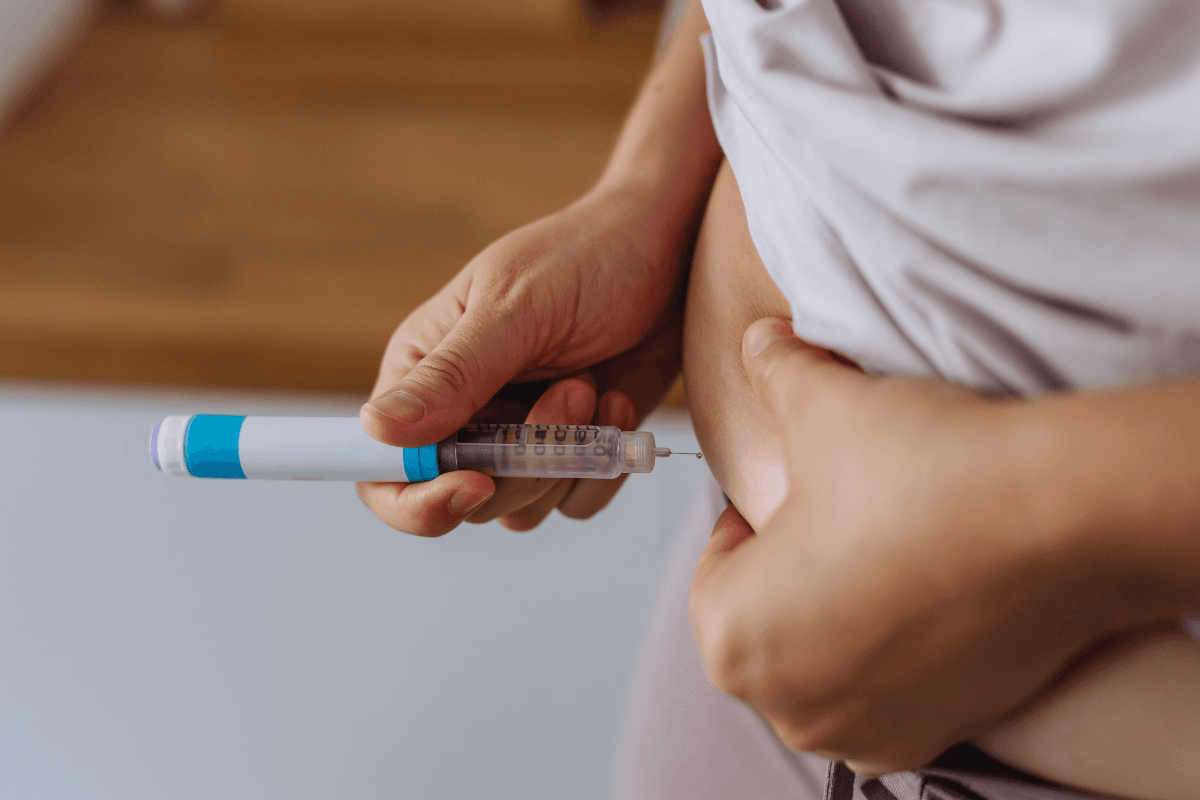
  • Wegovy Diet Plan: Meals, Hydration, and Foods to Limit

    Wegovy Diet Plan: Meals, Hydration, and Foods to Limit

    A Wegovy diet plan works best when it is simple, protein-focused, lower in greasy foods, and flexible enough for nausea days. Wegovy can reduce appetite and slow stomach emptying, so smaller meals, steady fluids, and gentle food choices often feel better than large portions or strict dieting.

    The goal is not to eat perfectly. The goal is to get enough nutrition while your appetite, fullness cues, and digestion change. If you have diabetes, kidney disease, reflux, a history of eating disorders, pregnancy plans, or medication-related low blood sugar risk, ask your clinician or a registered dietitian to help personalize your plan.

    Key Takeaways

    • Smaller meals often feel better than large portions.
    • Protein at each eating time can support fullness and muscle maintenance.
    • Water, broth, tea, and electrolytes can help when appetite drops.
    • Greasy, very sweet, spicy, or carbonated items may worsen symptoms.
    • Persistent vomiting, severe belly pain, or dehydration needs medical review.

    Why Food Feels Different on Wegovy

    Wegovy contains semaglutide, a GLP-1 receptor agonist, which is a medicine that acts on appetite and digestion signals. It can help you feel full sooner and stay full longer. For many people, that reduced “food noise” is helpful. It can also make normal portions suddenly feel too large.

    Because stomach emptying can slow, rich meals may sit heavily. You may notice nausea, burping, reflux, constipation, or diarrhea, especially after dose changes. These symptoms do not mean you failed at eating. They usually mean your meal size, fat content, timing, or hydration needs adjusting.

    Why it matters: If you wait until you are overly hungry, a large meal may feel worse than several smaller eating moments.

    Some people also find that old appetite patterns change quickly. If that feels unsettling, Breaking The Eating Cycle offers more context on food noise and habit shifts during treatment.

    The Eating Pattern That Usually Works Best

    The best diet pattern with Wegovy is usually a steady, balanced routine rather than a rigid plan. Aim for small meals built around protein, fiber-containing foods, easy carbohydrates, and modest amounts of fat. This keeps the plan nourishing without overloading digestion.

    A helpful plate can be very simple. Start with a protein food, add a small portion of rice, oats, potatoes, toast, beans, or fruit, then include cooked vegetables or another gentle produce choice. Add fats like olive oil, avocado, nuts, or nut butter in smaller amounts, because high-fat meals can trigger nausea for some people.

    If you are searching for a 30 day semaglutide diet plan pdf or a Wegovy diet plan pdf free download, use any template carefully. A printed plan can help with structure, but it should not force very low calories, extreme carb restriction, or foods you cannot tolerate. Your plan should fit your symptoms, culture, budget, schedule, and medical history.

    A Simple Day Framework

    This framework gives you a repeatable rhythm. Change portions based on comfort, appetite, and clinician guidance.

    Eating time Gentle structure Example
    Breakfast Protein plus easy carb Greek yogurt with berries and oats
    Lunch Protein plus cooked produce Turkey or tofu rice bowl
    Snack Protein or fiber Cottage cheese, hummus, or banana
    Dinner Small warm meal Chicken soup with toast or potatoes

    You can also think in “mini-meals.” Half a sandwich, a boiled egg with crackers, or a small smoothie may work better than a full plate when appetite is low.

    Protein, Fluids, and Fiber: The Three Basics

    Protein matters because weight loss can include muscle loss if intake is too low. You do not need to chase extreme targets, but including protein at most meals and snacks can support steadier energy and fullness.

    Common options include eggs, Greek yogurt, cottage cheese, chicken, turkey, fish, tofu, tempeh, beans, lentils, and protein-fortified dairy alternatives. Protein shakes can be okay for some people, especially when solid food feels hard. Choose one that is not overly sweet or high in fat, and sip slowly to test tolerance.

    If you want a general estimate for daily protein planning, this calculator can help you discuss a reasonable range with your care team. It does not replace medical or dietitian guidance.

    [protein-intake-calculator]

    Hydration also needs attention. Wegovy can reduce thirst cues for some people, and smaller meals may mean fewer fluid-rich foods. Sip throughout the day instead of drinking a large amount at once. Water, herbal tea, broth, and low-sugar electrolyte drinks can be useful options.

    Fiber helps bowel regularity, but add it gradually. Sudden large amounts of raw vegetables, bran, or beans can worsen bloating. Start with gentler sources such as oats, bananas, berries, cooked carrots, potatoes with skin, lentil soup, or chia mixed into yogurt if tolerated.

    Wegovy Food List for Easy Meal Planning

    A practical Wegovy food list should make daily choices easier, not more complicated. Choose staples you can assemble quickly, especially during weeks when cooking feels unappealing.

    For many people, mild flavors and softer textures work well early on. Cold foods may also help if cooking smells trigger nausea. Keep backup foods available so you are not forced into a heavy meal when your stomach feels sensitive.

    • Lean proteins: eggs, yogurt, chicken, fish, tofu, beans.
    • Easy carbohydrates: oats, rice, potatoes, toast, tortillas, crackers.
    • Gentle produce: bananas, berries, applesauce, soups, cooked vegetables.
    • Small healthy fats: olive oil, avocado, nut butter, seeds.
    • Fluid choices: water, tea, broth, diluted electrolytes.
    • Nausea backups: crackers, rice, applesauce, broth, plain toast.

    Meal prep does not need to mean cooking all day. Try preparing one protein, one grain or starch, and one cooked vegetable. Then mix them into bowls, soups, wraps, or snack plates.

    If you want to compare nutrition ideas across incretin-based medicines, Ozempic Diet covers similar food-choice principles in another semaglutide context. For a tirzepatide-focused comparison, Mounjaro Diet Plan may help you understand overlapping meal strategies.

    Foods and Drinks That May Worsen Symptoms

    Wegovy foods to avoid are better understood as “foods to limit or test carefully.” There is no universal banned list. Still, certain patterns often cause more nausea, reflux, diarrhea, or uncomfortable fullness when digestion slows.

    Greasy or fried meals are common triggers. Examples include fried chicken, large burgers, fries, heavy cream sauces, and oily takeout. Very sweet foods and drinks can also feel rough, especially soda, sweet coffee drinks, juice, candy, and large desserts. Spicy foods may worsen reflux for some people.

    Carbonated beverages can increase burping or pressure. Alcohol may irritate the stomach and increase dehydration risk, especially when you are eating less. If you drink alcohol, keep the amount modest and avoid drinking on an empty stomach.

    Quick tip: When symptoms flare, change one variable at a time so you can spot patterns.

    Timing can matter as much as the food itself. Skipping breakfast, eating very little all day, and then having a large dinner can trigger symptoms even if the foods are normally healthy. If side effects are persistent or disruptive, review them with your prescriber rather than trying to push through.

    For broader weight-management context, the Weight Management category collects related educational content. Product pages, such as Wegovy, should be used for medication-specific details and not as a substitute for individualized medical advice.

    What to Eat When Nausea, Diarrhea, or Constipation Hits

    When you are trying to figure out what to eat on Wegovy to not get sick, start with smaller volume and lower fat. Bland, soft, or liquid foods may be easier during rough days. Try toast, crackers, rice, bananas, applesauce, oatmeal, broth, or simple soup.

    Keep protein gentle. Eggs, yogurt, cottage cheese, tofu, shredded chicken, or a small protein smoothie may work better than grilled meats or heavy sauces. Cold or room-temperature foods can be easier if smells make nausea worse.

    If Diarrhea Is the Main Issue

    Diarrhea may improve when you reduce greasy foods, alcohol, very sweet drinks, and large portions for a few days. Some people also need to limit lactose temporarily if dairy worsens cramping. Sip fluids often and consider an oral rehydration solution if losses are significant.

    Soluble fiber may help stool consistency, but go slowly. Oats, bananas, applesauce, potatoes, and rice are common gentle choices. Large salads, high-fat meals, and big servings of beans may be harder during a flare.

    If Constipation Is the Main Issue

    Constipation can happen when appetite and fluid intake drop. Build back fluids first, then add fiber gradually. Cooked vegetables, oats, berries, lentil soup, chia pudding, and prunes may help some people, but sudden high-fiber changes can worsen bloating.

    Movement also supports bowel regularity. A short walk after meals may help digestion and reduce bloating. Contact a clinician if constipation is severe, painful, or paired with vomiting or significant belly swelling.

    Simple Wegovy Meal Plan Menu Ideas

    A Wegovy meal plan menu should be repeatable enough for real life. Pick a few meals you tolerate, then rotate them. This reduces decision fatigue and helps you avoid long gaps without food.

    Breakfast can be small. Try scrambled eggs with toast, Greek yogurt with berries, oatmeal with milk, cottage cheese with fruit, or a smoothie with protein and a banana. If mornings are difficult, start with tea, broth, or a few crackers, then eat more later.

    Lunch works well as a bowl, wrap, or soup. Try chicken and rice with cooked carrots, tofu with noodles and vegetables, tuna with crackers and cucumber, lentil soup with toast, or turkey in a small tortilla. Keep sauces light until you know what you tolerate.

    Dinner can be a smaller version of familiar foods. Try salmon with potatoes and green beans, turkey chili, bean soup, chicken noodle soup, tofu stir-fry with rice, or a snack plate with hummus, crackers, vegetables, and fruit. Stop before uncomfortable fullness, even if food remains on the plate.

    For recipe inspiration that stays practical, Zepbound Diet discusses protein, fiber, and meal pacing in a related weight-loss medication setting.

    Exercise and Meal Timing Without Overdoing It

    Wegovy diet and exercise work best when they support energy, digestion, and strength. If you eat very little and exercise hard, you may feel shaky, nauseated, or exhausted. Start with consistency before intensity.

    Walking is often a useful first step. Short walks after meals may reduce bloating for some people. Gentle cycling, stretching, and light strength training can also fit, depending on your health history and fitness level.

    Strength work matters during weight loss because it helps support muscle maintenance. You do not need an extreme program. Two or three short sessions per week may be a realistic starting point for many adults, but any new routine should respect your clinician’s limits if you have heart, joint, balance, or blood sugar concerns.

    Food timing can make movement easier. A small protein-and-carb snack before activity may help if you feel lightheaded. Examples include yogurt, half a banana with peanut butter, crackers with cheese, or a small smoothie.

    How to Use Printable Plans Safely

    Printable plans can be helpful, especially if you like structure. The safest versions leave room for symptoms, appetite changes, and personal preferences. Avoid plans that promise fast results, push very low calories without supervision, or remove whole food groups without a medical reason.

    A useful one-page plan should include a meal rhythm, protein choices, hydration reminders, backup foods, and flexible swaps. It should also include notes about when to call your care team. Severe or persistent symptoms should not be managed only with a food list.

    • Meal rhythm: three small meals plus optional snacks.
    • Protein anchor: one protein at each eating time.
    • Hydration cue: sip fluids between meals.
    • Symptom plan: bland foods for nausea days.
    • Flex option: swaps for travel or social meals.

    If you are comparing treatment paths or browsing related options, the Weight Management Products collection is a browseable list. BorderFreeHealth connects U.S. patients with licensed Canadian partner pharmacies, and prescription details may be verified with the prescriber when required before dispensing.

    Authoritative Sources

    For plain-language medication information, see the MedlinePlus semaglutide drug information page.

    For official prescribing details and safety information, review the Wegovy prescribing information from Novo Nordisk.

    For general healthy eating principles, the USDA MyPlate nutrition resource provides balanced food group guidance.

    Recap: Keep the Plan Gentle and Repeatable

    A sustainable Wegovy diet plan is usually built on smaller meals, steady fluids, protein at each eating time, and foods your stomach tolerates. Limit greasy, very sweet, carbonated, or very large meals if they worsen symptoms. Keep bland backups available for nausea days.

    Weight changes vary, especially in the first four weeks. Early progress may reflect appetite changes, water shifts, food intake, and dose timing. It is safer to focus on consistent habits and follow-up care than to chase a specific short-term number.

    Seek medical help promptly for severe belly pain, ongoing vomiting, signs of dehydration, fainting, or symptoms that feel unusual for you. Do not change your medication dose or stop treatment without discussing it with your prescriber.

    This content is for informational purposes only and is not a substitute for professional medical advice.

  • Weight Loss Treatments: Safer Options, Risks, and Next Steps

    Weight Loss Treatments: Safer Options, Risks, and Next Steps

    Weight loss treatments work best when they match your health history, weight-related risks, preferences, and support system. No single option is safest or most effective for everyone. Lifestyle care remains the base, while prescription pills, injectable medicines, structured programs, and bariatric procedures may be considered when extra medical support is appropriate.

    This matters because weight care is often marketed as a quick fix. Safer care looks more like a plan: screening, realistic goals, side effect planning, follow-up, and adjustments with a qualified clinician.

    Key Takeaways

    • Best option varies: Health history, goals, access, and risks all matter.
    • Medication needs screening: Prescription choices are not interchangeable.
    • Injections are not automatic: They can help some eligible adults, but risks still apply.
    • Rapid-loss goals need care: Large changes deserve medical supervision.
    • Support improves safety: Nutrition, movement, sleep, and follow-up still count.

    How Weight Loss Treatments Fit Into Medical Care

    The right treatment path starts with risk, not with a product name. Clinicians often consider body mass index, weight-related conditions, current medicines, pregnancy plans, eating patterns, mental health, and past attempts at weight management. They may also look for issues that make progress harder, such as sleep problems, endocrine conditions, pain limits, or medicines that affect appetite.

    Many weight loss treatments aim to reduce health risk, not just change the number on a scale. For some people, the main goal may be better blood pressure, improved mobility, less sleep apnea burden, or improved blood sugar. For others, medication may not be the first step if nutrition support, physical activity changes, sleep treatment, or another medical concern has not been explored.

    Why it matters: A safer plan accounts for the person, not just the pounds.

    It also helps to separate treatment from blame. Weight regulation involves biology, environment, medication effects, sleep, stress, genetics, food access, and health conditions. Willpower alone is not a complete medical strategy.

    If you want a broader place to keep learning, the Weight Management category groups related educational reading in one browseable collection.

    Which Treatment Path Fits Which Situation?

    The best treatment is the one that balances expected benefit, safety, access, and follow-up. A person with type 2 diabetes, reflux, depression, pregnancy plans, gallbladder disease, or a seizure history may need a different approach from someone without those factors.

    Most care plans combine more than one strategy. Nutrition, movement, sleep, and behavior support often form the base. Prescription weight loss pills, injection-based medicines, and bariatric procedures may be added when the potential benefit outweighs the risks. A structured clinical program may also help when someone needs regular monitoring, coaching, or coordinated care.

    Path Where It May Help Important Cautions
    Nutrition, activity, sleep, and behavior support Supports long-term habits and can improve health markers. Extreme restriction can backfire and may be unsafe for some people.
    Prescription weight loss pills May affect appetite, cravings, absorption, or fullness signals. Screening is needed for interactions, pregnancy risks, mood history, blood pressure, and other conditions.
    Weight management injections May help some eligible adults by acting on gut-hormone pathways involved in appetite and fullness. Digestive side effects and medical-history cautions are common considerations.
    Bariatric procedures May be considered for higher-risk obesity when non-surgical care is not enough. Surgery requires procedure-specific risk review and long-term nutrition follow-up.
    Structured clinical programs Can combine medical visits, nutrition support, movement planning, and monitoring. Quality varies, so credentials, follow-up, and safety protocols matter.

    Online comparisons can make the choice look simple. In real care, a clinician may ask about blood pressure, kidney function, diabetes medicines, pancreatitis history, gallbladder disease, mood symptoms, pregnancy plans, and cost before recommending a path. That screening protects you from a mismatch.

    Prescription Pills and Injections Without the Hype

    Prescription medicines are tools, not standalone solutions. They are usually considered when lifestyle support alone has not been enough or when weight-related health risks make additional treatment reasonable. A prescriber should explain why a specific option fits, what monitoring is needed, and which symptoms should prompt help.

    Oral medications

    FDA-approved weight loss pills and capsules work in different ways. Orlistat reduces absorption of some dietary fat. Naltrexone-bupropion affects appetite and reward pathways. Phentermine-topiramate combines a stimulant-like medicine with a drug that can affect appetite. Phentermine may be used in selected patients under supervision.

    These medicines have different cautions. Some may not fit people with certain heart, blood pressure, seizure, glaucoma, opioid-use, or pregnancy-related risks. Orlistat can also affect absorption of fat-soluble vitamins and may cause digestive side effects. This is why searching for weight loss pills that actually work is only a starting point. Evidence matters, but eligibility matters too.

    For a deeper comparison of two oral options, Xenical vs Contrave reviews decision factors that may come up in a clinical discussion.

    Injectable medicines

    A weight loss medication injection may act on hormone pathways involved in appetite, fullness, and blood sugar regulation. Semaglutide and tirzepatide products are examples in this area, and liraglutide is another injectable option used for chronic weight management in eligible patients.

    Brand names can create confusion. Wegovy is a semaglutide product approved for chronic weight management in eligible patients. Ozempic is also semaglutide, but it is approved for type 2 diabetes; using it mainly for weight management is off-label when a clinician decides it is appropriate. Zepbound is a tirzepatide product approved for chronic weight management in eligible patients, while other tirzepatide products may have different labeled uses.

    What is the best injection for weight loss? There is no universal answer. A clinician may compare kidney function, diabetes medicines, digestive symptoms, pancreatitis or gallbladder history, pregnancy plans, thyroid cancer risk warnings, side effect tolerance, and practical access before recommending an option.

    If you are comparing injectable options, Saxenda vs Wegovy and Zepbound vs Wegovy offer related reading on how these medicines differ in practice.

    Over-the-counter products

    Over-the-counter weight loss products deserve extra caution. Alli is a lower-dose orlistat product available without a prescription in some settings, but it still has digestive side effects and vitamin-absorption considerations. Supplements marketed with drug-like promises may not have the same evidence, quality controls, or risk review as approved medicines.

    Before using any non-prescription product, tell your clinician about all medicines and supplements you take. This is especially important if you have diabetes, high blood pressure, heart disease, kidney disease, liver disease, an eating disorder history, or pregnancy plans.

    Safety Checks Before Starting Medication

    Safe weight loss treatments involve screening before treatment and monitoring after treatment begins. That does not mean every person needs the same tests. It means the prescriber should understand your medical history, current medicines, allergies, pregnancy status, and warning signs that would change the plan.

    Common side effects vary by medicine. Some oral drugs may cause dry mouth, constipation, sleep changes, mood changes, or blood pressure effects. GLP-1 and related injectable medicines commonly cause digestive symptoms such as nausea, vomiting, diarrhea, constipation, or abdominal discomfort. Some medicines also carry warnings about rare but serious problems, including gallbladder disease, pancreatitis, severe allergic reactions, or specific thyroid tumor risks in certain patients.

    People taking diabetes medicines deserve special attention. When food intake changes or medicines that affect blood sugar are added, hypoglycemia (low blood sugar) may become a concern with insulin or sulfonylureas. A diabetes clinician can explain whether glucose monitoring or medication review is needed.

    Pregnancy and pregnancy planning also matter. Many anti-obesity medicines are not used during pregnancy. Anyone who is pregnant, trying to become pregnant, or breastfeeding should discuss weight-related treatment with a clinician who knows their full health picture.

    Seek urgent medical care for severe or persistent abdominal pain, signs of dehydration, fainting, symptoms of a serious allergic reaction, chest pain, or severe mood changes. If you are unsure whether a symptom is serious, it is safer to ask a clinician promptly.

    Goals, Viral Rules, and Fast-Result Claims

    Large weight changes can be medically meaningful, but aggressive timelines can increase risk. A goal such as losing 50, 70, or 80 pounds should not be treated as a self-directed challenge. It requires a clinician to assess nutrition adequacy, gallstone risk, medication effects, muscle loss, mental health, and whether a more intensive treatment path is appropriate.

    Social media rules can also oversimplify care. The 30-30-30 rule is usually described as eating 30 grams of protein within 30 minutes of waking and doing 30 minutes of low-intensity exercise. Those habits may help some people build structure, but the rule is not a complete treatment for obesity. It also may not fit people with kidney disease, eating disorders, pregnancy needs, diabetes medication risks, or gastrointestinal conditions.

    Quick tip: Treat viral routines as prompts to discuss, not medical instructions.

    A planning calculator can help you compare a general goal with a planned weekly change. It estimates a timeline from target loss and weekly loss. It does not judge whether a goal is safe for you or replace medical guidance.

    [weight-loss-timeline-calculator]

    What does losing a large amount of weight do to your body? Effects vary. Some people see improvements in blood pressure, mobility, sleep, or blood sugar. Others may notice loose skin, changes in medication needs, gallstone risk, or changes in mood and eating patterns. Follow-up helps catch those issues early.

    How to Prepare for a Care Visit

    You do not need perfect wording to ask about medical treatment. A direct question works: I want to understand whether medication or another structured option is appropriate for me, and what risks I should know about.

    Before the visit, gather details that help the clinician make a safer recommendation:

    • Weight history: Include major changes and past attempts.
    • Medication list: Add prescriptions, supplements, and over-the-counter products.
    • Health conditions: Mention diabetes, gallbladder, pancreas, heart, kidney, and mental health history.
    • Pregnancy context: Share plans, breastfeeding status, or contraception needs.
    • Eating patterns: Include binge eating, restriction, nausea, or reflux symptoms.
    • Access limits: Discuss coverage, affordability, travel, and follow-up barriers.

    Useful questions include: What options fit my health history? What side effects are most important for me? What monitoring would I need? How will we know whether to continue, change, or stop? What should I do if I miss doses or cannot access the medicine?

    It is also reasonable to ask what support comes with the prescription. Medication without nutrition guidance, movement planning, sleep review, and follow-up may leave important needs unaddressed.

    Access, Follow-Up, and Ongoing Support

    Access to weight loss treatments can vary by diagnosis, insurance rules, local regulations, medication supply, and prescriber judgment. Some people compare cash-pay options when insurance does not cover treatment. BorderFreeHealth connects U.S. patients with licensed Canadian partner pharmacies for eligible cross-border prescription options.

    When a prescription is required, partner pharmacies may verify needed prescription details with the prescriber before dispensing. That verification step does not replace medical evaluation. It supports appropriate dispensing after a clinician has decided that a medication is suitable.

    The Weight Management Products category is a browseable collection of weight-management items. Specific product pages, such as Wegovy or Zepbound, can help you identify medication names, but they should not be used as a substitute for diagnosis, eligibility screening, or treatment planning.

    Follow-up matters after any treatment starts. Your clinician may monitor side effects, nutrition adequacy, blood pressure, blood sugar, mood, and how the plan affects daily life. If treatment becomes hard to tolerate, unaffordable, or impractical, the safest next step is a review rather than stopping or switching on your own.

    Authoritative Sources

    The sources below provide regulator-backed or government-backed information for deeper reading. They should support, not replace, individualized medical advice.

    Weight care is easier to navigate when you slow the decision down. Ask what problem the treatment is meant to solve, what risks apply to you, and what support will continue after the first prescription or plan. Safer care is not about choosing the trendiest option. It is about matching the option to the person.

    This content is for informational purposes only and is not a substitute for professional medical advice.

  • Mounjaro Weight Loss and Diabetes Care: Expectations, Safety, and Dosing

    Mounjaro Weight Loss and Diabetes Care: Expectations, Safety, and Dosing

    Mounjaro weight loss can happen because tirzepatide affects appetite, fullness, digestion, and blood sugar regulation. For adults with type 2 diabetes, the main approved role is glucose control, while weight change is an important related effect to monitor with a clinician.

    Many people feel pulled between hope and caution. You may want better A1C readings, meaningful weight changes, or fewer daily decisions around food. You may also want clear information without hype.

    This article explains how tirzepatide works, what dose escalation usually means, which side effects deserve attention, and how to frame follow-up conversations.

    Key Takeaways

    • Dual hormone action: Tirzepatide targets GIP and GLP-1 pathways.
    • Weekly dosing: Dose increases are usually gradual to improve tolerance.
    • Digestive effects are common: Nausea, fullness, constipation, or diarrhea may occur.
    • Safety depends on history: Other medicines and certain conditions change risk.
    • Monitoring matters: Weight, A1C, symptoms, hydration, and nutrition all count.

    How Tirzepatide Supports Diabetes and Weight Goals

    Tirzepatide is a dual incretin medicine that acts on two gut-hormone pathways. These pathways are GIP (glucose-dependent insulinotropic polypeptide) and GLP-1 (glucagon-like peptide-1). In plain language, they help the body respond to meals.

    In adults with type 2 diabetes, tirzepatide may help the pancreas release insulin when glucose is high. It can also reduce glucagon, a hormone that raises blood sugar. Slower stomach emptying may make meals feel more filling and may reduce appetite for some people.

    That combination is why Mounjaro weight loss often comes up during diabetes visits. The medicine may affect both glucose patterns and body weight, but individual results vary. Sleep, food intake, movement, stress, other medicines, and side effects can all influence the outcome.

    Why it matters: Weight change should be interpreted alongside glucose control, nutrition, and tolerability.

    If you want broader context on day-to-day care, the Type 2 Diabetes collection can help you review related educational topics. For medication categories tied to a diagnosis, Type 2 Diabetes Options is a browsable condition page.

    What Mounjaro Weight Loss May Look Like Over Time

    Weight change with tirzepatide is usually gradual and uneven. Some people notice appetite changes early, while others notice changes after dose escalation or improved routines. A flat week does not always mean treatment has stopped working.

    People often search for Mounjaro weight loss by week or before-and-after stories. Those examples can feel motivating, but they can also create unrealistic expectations. Photos and reviews rarely show medical history, dose timing, side effects, diet changes, or whether someone also had diabetes.

    For people with diabetes, the scale is only one marker. A1C, fasting glucose, time-in-range on a continuous glucose monitor, waist measurement, energy, and ability to maintain nourishing meals also matter. Rapid appetite suppression can be a problem if it leads to poor protein intake, dehydration, or skipped meals while using glucose-lowering medicines.

    Tracking without getting stuck on one number

    Try to look at trends rather than daily swings. A weekly weight average, waist measurement, symptom notes, and glucose patterns can give a more useful picture. Bring these records to appointments so your clinician can interpret them in context.

    The calculator below can help track general weight-change progress and percentage change toward a goal. It does not predict medication response or replace clinical guidance.

    [weight-loss-progress-calculator]

    If nutrition or meal timing has become difficult, the Mounjaro Diet Plan resource may help you prepare practical questions about portions, protein, fluids, and foods that worsen fullness. For broader lifestyle topics, the Weight Management collection offers related educational reading.

    Dose Escalation, Strengths, and the Dosage Chart Question

    Tirzepatide is taken once weekly, and dose increases are usually staged. Starting low helps many people adjust before a prescriber considers higher maintenance doses. The right pace depends on glucose goals, side effects, medical history, and other medicines.

    People often look for a mounjaro dosage chart because the step-up process can feel confusing. The table below summarizes commonly discussed dose levels in a general way. It is not a personal dosing plan.

    Dose strength Common role Clinical discussion point
    2.5 mg Starter dose Often used for early tolerability rather than full maintenance effect
    5 mg Early maintenance or step-up May be continued when goals and tolerance are acceptable
    7.5 mg and 10 mg Middle dose options May be considered when more effect is needed and tolerated
    12.5 mg and 15 mg Higher maintenance options Potential benefits and side effects both need review

    Some readers also ask about a dosage chart in mL. Device volume and pen format can vary by product and market, so it is safer to confirm the exact instructions on your package and with a pharmacist. Do not estimate an injection volume from online charts.

    Questions about when to increase dose should go to the prescriber. Higher doses may not be appropriate if nausea, vomiting, constipation, low blood sugar risk, or poor intake is already a concern. If you use insulin or a sulfonylurea, dose changes can also affect hypoglycemia risk.

    For a deeper medication-specific discussion, see Mounjaro Dosage. If you are comparing product listings for navigation, Mounjaro KwikPen provides product-page context without replacing prescriber guidance.

    Injection Basics and Weekly Routine Tips

    A weekly routine can reduce missed doses and make symptom tracking easier. Many people choose a consistent day and connect it with an existing habit, such as a calendar reminder.

    A Mounjaro injection is given under the skin, which is called a subcutaneous injection. Common areas include the abdomen, thigh, or upper arm, depending on the device instructions. Rotating injection sites may reduce irritation, soreness, or small lumps.

    Quick tip: Keep a simple log of injection day, symptoms, meals, and glucose changes.

    Storage questions matter, especially during travel or hot weather. Follow the product labeling for temperature limits and how long the pen can be kept out of refrigeration. If travel is coming up, ask a pharmacist how to pack the device safely and how to handle missed-dose instructions.

    BorderFreeHealth connects U.S. patients with licensed Canadian partner pharmacies when access pathways are appropriate. Where required, prescription details are verified with the prescriber before the pharmacy dispenses medication.

    Side Effects After Eating and Daily Comfort

    Digestive symptoms are the most common side effects with tirzepatide. Nausea, burping, constipation, diarrhea, reduced appetite, stomach discomfort, and a heavy full feeling may occur. Symptoms can be more noticeable after larger meals, rich foods, alcohol, or dose increases.

    Most mild digestive effects are managed with practical adjustments, but persistent symptoms need attention. Smaller meals, slower eating, adequate fluids, and avoiding very greasy meals may help some people. Constipation may worsen if fluid intake drops or food volume becomes very low.

    How long Mounjaro side effects last varies. Some people adjust after the early weeks or after a dose change. Others have symptoms that persist or interfere with eating, hydration, sleep, work, or glucose management. That is the point to contact a clinician rather than pushing through.

    Low blood sugar is more likely when tirzepatide is combined with insulin or sulfonylureas. Warning signs can include shakiness, sweating, confusion, sudden hunger, weakness, or a fast heartbeat. Your prescriber may want to review your medication plan if these symptoms occur.

    Seek urgent care for severe allergic symptoms, trouble breathing, fainting, severe abdominal pain, persistent vomiting, signs of dehydration, or confusion. Severe abdominal pain that may move to the back needs prompt medical review because pancreatitis is a serious concern with this medicine class.

    Long-Term Safety, Thyroid Warnings, and Cancer Questions

    Long-term safety conversations should separate common discomfort from rare but serious warnings. Tirzepatide labeling includes important cautions about thyroid C-cell tumors seen in animal studies. It should not be used by people with a personal or family history of medullary thyroid carcinoma or multiple endocrine neoplasia syndrome type 2.

    People also search for Mounjaro side effects cancer because the boxed warning sounds alarming. The key point is not to self-diagnose risk from search results. Instead, share your thyroid history, family history, prior endocrine diagnoses, and any neck mass, hoarseness, or swallowing symptoms with your clinician.

    Other safety issues include gallbladder problems, pancreatitis, kidney stress from dehydration, severe digestive reactions, and possible worsening of diabetic retinopathy when glucose improves quickly. These risks do not happen to everyone, but they are important to monitor.

    Mood, fatigue, and hair shedding can also come up during weight change. They may relate to lower intake, stress, nutrient gaps, rapid weight loss, or unrelated conditions. If symptoms persist, ask for a focused review rather than assuming the medicine is the only cause.

    People without diabetes may have different risk discussions, especially around glucose levels, eating patterns, pregnancy plans, and the approved indication of the product being used. Tirzepatide should be considered within a full medical history, not as a stand-alone weight tool.

    Approval Status and How It Compares With Related Options

    In the U.S., Mounjaro is approved for adults with type 2 diabetes to improve blood sugar control. Tirzepatide is also marketed under a different brand for chronic weight management in eligible people. This distinction matters because approval, labeling, dosing goals, and insurance rules may differ by product and country.

    People often ask whether Mounjaro is approved for weight loss because social media discussions blur brand names and indications. Off-label prescribing can occur, but it should be a deliberate clinician-patient decision with clear monitoring. It should also account for eating disorder history, pregnancy plans, gallbladder history, pancreatitis history, and other glucose-lowering medicines.

    Comparisons with semaglutide medicines such as Ozempic or Wegovy are common. The practical question is not which brand is universally better. It is which option fits your diagnosis, risk factors, tolerability, access, and monitoring needs.

    For a focused comparison, read Mounjaro Vs Ozempic. If you are comparing tirzepatide with another weight-management option, Mounjaro And Wegovy explains key differences in a patient-friendly format. For another diabetes comparison, Mounjaro Vs Trulicity may help frame questions for your appointment.

    If you are browsing weight-related medication categories, Weight Management Options groups related product pages. Some patients also look for cash-pay prescription options without insurance, but eligibility and jurisdiction rules still apply.

    Questions to Bring to Your Prescriber

    A short question list can make a medication visit more useful. It also helps keep the conversation focused on your health goals instead of online anecdotes.

    • Diagnosis fit: Which indication applies to my situation?
    • Glucose risk: Do my other medicines raise hypoglycemia risk?
    • Dose timing: What symptoms would delay escalation?
    • Nutrition needs: How should I protect protein, fluids, and fiber?
    • Warning signs: Which symptoms need urgent care?
    • Monitoring plan: Which labs or readings matter most?

    Bring your medication list, supplement list, glucose records if available, and any history of pancreatitis, gallbladder disease, thyroid cancer, kidney disease, pregnancy plans, or eating disorder concerns. These details can change the risk-benefit discussion.

    Authoritative Sources

    For official indication, boxed warning, contraindication, and adverse reaction language, review the Mounjaro prescribing information from Lilly. It is the most appropriate source for label-specific details.

    For consumer-level drug safety and administration basics, the MedlinePlus tirzepatide drug information provides plain-language context. For diabetes standards and care planning, the American Diabetes Association offers patient education and clinical resources.

    Recap

    Mounjaro weight loss is best understood as one part of tirzepatide’s broader metabolic effects. For adults with type 2 diabetes, glucose control remains central, while appetite, weight, side effects, and nutrition need steady monitoring.

    The most useful next step is a clear conversation with your prescriber. Ask what benefits are realistic, which side effects matter most, and how your plan should change if symptoms affect eating, hydration, or glucose readings.

    This content is for informational purposes only and is not a substitute for professional medical advice.

  • Xenical vs Contrave: Differences That Matter in Care

    Xenical vs Contrave: Differences That Matter in Care

    Xenical vs Contrave is not a simple “which is stronger” choice. Xenical, the brand name for orlistat, works mainly in the gut by reducing fat absorption. Contrave, a combination of naltrexone and bupropion, works in the brain on appetite and reward pathways. That difference affects side effects, food planning, interactions, monitoring, and daily fit.

    Why this matters: a weight-loss medicine can look reasonable on paper but feel difficult in real life. The better option is usually the one that matches your health history, routines, and safety needs after a clinician reviews the full picture.

    Key Takeaways

    • Different targets: Orlistat acts in the intestines; naltrexone/bupropion acts centrally.
    • Different side effects: Oily stools are more typical with orlistat; nausea, sleep changes, and mood shifts are more relevant with Contrave.
    • Food changes matter: Meal fat can affect comfort with both medicines, but in different ways.
    • Safety screening differs: Seizure risk, opioid use, blood pressure, and medication interactions matter more with naltrexone/bupropion.
    • Follow-up helps: Monitoring can catch tolerability issues before they derail treatment.

    How These Medicines Compare at a Glance

    The main difference is where each medicine works. Orlistat is a gastrointestinal lipase inhibitor, which means it blocks enzymes that digest some dietary fat. Less fat gets absorbed, and more fat leaves through stool. This is why higher-fat meals can lead to more oily or urgent bowel symptoms.

    Contrave combines two medicines in an extended-release tablet. Naltrexone is an opioid receptor antagonist, meaning it blocks opioid receptors. Bupropion is an antidepressant that affects norepinephrine and dopamine, two brain chemicals involved in motivation and reward. Together, they may influence appetite, cravings, and eating cues. For more background, see Contrave Weight Loss.

    Comparison Point Orlistat Naltrexone/Bupropion
    Main action Reduces absorption of some dietary fat Acts on appetite and reward-related brain pathways
    Common daily issue Oily stools, gas, urgency, stool changes Nausea, constipation, dry mouth, headache, sleep changes
    Food considerations Higher-fat meals can worsen bowel effects High-fat meals may increase exposure and side effects
    Key cautions Vitamin absorption and some drug interactions Seizure risk, opioid use, blood pressure, mood monitoring
    Typical fit question Can meals stay moderate in fat? Are cravings, mood, sleep, and interactions safely manageable?

    Xenical vs Contrave comparisons often focus on results, but safety and tolerability deserve equal weight. A medicine that causes persistent side effects may not be sustainable, even if it matches the reason you wanted treatment.

    Which Is Better, Contrave or Xenical?

    Neither is automatically better for every adult. The more useful question is which medicine fits your health profile, eating pattern, medication list, and monitoring needs.

    Orlistat may appeal to someone who wants a medicine that works mostly in the digestive tract. It may also make sense when meal planning already includes moderate fat portions. The trade-off is that bowel symptoms can be disruptive. Some people find those effects manageable with food adjustments, while others find them too intrusive.

    Naltrexone/bupropion may be considered when appetite, cravings, or reward-driven eating are major concerns. The trade-off is broader safety screening. It may be inappropriate for people with seizure disorders, uncontrolled high blood pressure, certain eating disorders, regular opioid use, or specific medication interactions. Mood, sleep, and blood pressure may also need closer attention.

    Online Contrave reviews can be useful for noticing patterns, such as nausea or sleep disruption. They cannot predict your response. Reviews often leave out other medicines, medical history, dose timing, alcohol use, and stress levels. Use them as question prompts, not as personal forecasts.

    Quick tip: Bring your current medication list, supplements, alcohol pattern, and weight-history notes to the appointment.

    Side Effects and Safety Signals to Discuss Early

    Side effects differ because these medicines act in different places. Orlistat side effects are usually gastrointestinal. People may notice oily spotting, gas with discharge, urgent bowel movements, or more frequent stools. These effects often relate to fat content in meals. They can also be embarrassing, which is a real quality-of-life issue.

    Orlistat can also reduce absorption of fat-soluble vitamins, including vitamins A, D, E, and K. Clinicians may discuss vitamin timing or supplementation when appropriate. Drug interactions can matter too, especially with medicines such as cyclosporine or warfarin. If you want a deeper plain-language explanation of the gut mechanism, read Xenical And Fat Absorption.

    Contrave side effects often include nausea, constipation, headache, dizziness, dry mouth, and sleep changes. Some people feel more activated. Others feel tired or irritable. Because bupropion affects neurotransmitters, mood or anxiety symptoms can shift. Sudden agitation, suicidal thoughts, severe mood changes, or signs of an allergic reaction require prompt medical attention.

    Naltrexone can block opioid effects and may trigger withdrawal in someone using opioids. This includes some pain medicines and medications used for opioid use disorder. Bupropion can lower the seizure threshold, so seizure history and interacting medicines matter. For a closer look at the bupropion component, see Wellbutrin Weight Loss.

    Xenical vs Contrave decisions should also account for monitoring. Orlistat follow-up often centers on bowel tolerance, meal patterns, and vitamin considerations. Naltrexone/bupropion follow-up may include blood pressure, heart rate, sleep, mood, and interaction review.

    Food, Alcohol, and the First Month of Treatment

    Food planning affects both medicines, but not in the same way. With orlistat, higher-fat meals can cause more fat to pass through the gut. That can increase oily stools and urgency. A clinician or registered dietitian can help you plan meals that are balanced without becoming overly restrictive.

    People often search for food to avoid on Contrave. The main label-based food issue is high-fat meals, which may increase drug exposure and side effects. Practically, many people focus on steady meals with protein, fiber-rich carbohydrates, and moderate fat rather than very high-fat single meals. Eggs, for example, are not automatically off-limits for everyone, but portion size and overall meal fat still matter.

    The first week on Contrave is often about tolerability rather than visible change. Nausea, constipation, dry mouth, and sleep disruption are common reasons people feel unsure early on. Useful non-medical strategies include tracking symptoms, staying hydrated, noting caffeine timing, and reporting side effects rather than pushing through severe discomfort.

    Alcohol deserves a careful conversation. Alcohol can affect sleep, judgment, mood, and seizure threshold. Since bupropion can also affect seizure risk, regular alcohol use should be discussed before starting or adjusting naltrexone/bupropion. This is not about blame. It is about reducing avoidable risk.

    Photos and “before and after” posts can be misleading during the first month. Lighting, clothing, water retention, constipation, and camera angles can change appearance. If you track progress, combine weight with waist measurement, symptoms, energy, appetite notes, and how your clothes fit.

    This calculator can help you track weight change and percentage progress. It is a general planning tool and does not judge whether a medicine is appropriate.

    [weight-loss-progress-calculator]

    Cost, Access, and Alternatives People Compare

    Cost varies by plan, pharmacy, location, and coverage rules. Contrave cost may differ from the cost of separate ingredients, but separate products are not a do-it-yourself substitute for an extended-release combination. Formulation, timing, contraindications, and clinical monitoring still matter.

    Some people ask about a “poor man’s Contrave,” usually meaning separate naltrexone and bupropion. That question should go to a prescriber. The combination product, individual ingredients, release characteristics, and dose schedules are not interchangeable without clinical judgment. Safety screening remains the same or may become more complex.

    If access is part of your decision, BorderFreeHealth connects U.S. patients with licensed Canadian partner pharmacies, and prescription details may be verified with the prescriber when required. For a medication-specific reference page, you can review Contrave ER or Xenical Orlistat 120 Mg without treating either page as personal medical guidance.

    Other oral options may come up in the same conversation. Phentermine is a stimulant-like appetite suppressant and is often discussed when people want short-term appetite support. Phentermine vs Contrave is not a simple results comparison, because the safety concerns differ. Blood pressure, anxiety, sleep, cardiovascular history, and medication interactions can all affect suitability.

    Contrave vs Qsymia is another common comparison. Qsymia combines phentermine and topiramate. Topiramate has its own side effect profile, including cognitive effects, tingling sensations, and pregnancy-related concerns that require careful prevention planning. If topiramate is part of your clinician’s discussion, the Topiramate reference page may help you identify the component being discussed.

    Injectable GLP-1 and dual-incretin options are also part of many weight-management conversations. They work differently from both orlistat and naltrexone/bupropion. For broader context, compare categories through Weight Loss Treatments or browse the Weight Management Options collection.

    How to Prepare for a Clinician Visit

    A good appointment turns a broad comparison into a safer personal discussion. You do not need to know the “right” medication before you arrive. You need clear information about your health, priorities, and concerns.

    • Medication list: Include prescriptions, supplements, and occasional medicines.
    • Opioid exposure: Mention pain medicines or opioid-use-disorder treatment.
    • Mood history: Share anxiety, depression, agitation, or past self-harm.
    • Seizure risk: Include seizures, head injury, or heavy alcohol changes.
    • Blood pressure: Bring recent readings if you have them.
    • Meal pattern: Note high-fat meals, skipped meals, or night eating.
    • Progress goals: Define success beyond the scale.

    Why it matters: The safest option often depends on risks that are invisible in online comparisons.

    Ask what side effects are expected, what symptoms should prompt a call, and what follow-up schedule makes sense. Also ask what happens if another clinician prescribes a new medicine. This is especially important for antidepressants, migraine medicines, pain medications, blood pressure drugs, and medicines that may affect seizure threshold.

    Xenical vs Contrave also comes down to what you can realistically maintain. If bowel urgency would disrupt work, travel, or caregiving, say so. If sleep or mood changes would be especially risky, say that too. Practical barriers are clinical details, not minor complaints.

    Authoritative Sources

    For label-backed details on orlistat, see the DailyMed listings for orlistat.

    For official prescribing information on naltrexone/bupropion, review the DailyMed listings for Contrave.

    For public-health context on adult weight management, use the CDC healthy weight resources.

    Recap

    Xenical vs Contrave is best understood as a difference in mechanism, safety screening, and daily fit. Orlistat works in the gut and is closely tied to meal fat. Naltrexone/bupropion works through appetite and reward pathways, with added attention to mood, sleep, blood pressure, opioid use, seizure risk, and interactions.

    The next step is a structured clinician conversation. Bring your medication list, health history, routine constraints, and concerns about side effects or affordability. A shared plan can help you choose a treatment that is safer, more realistic, and easier to monitor over time.

    This content is for informational purposes only and is not a substitute for professional medical advice.