
Category: Mental Health

Living with ongoing worry, low mood, or trauma reminders can feel overwhelming. These Behavioral Health Resources support patients and caregivers who need clear, practical context. Use this hub to browse medications, compare care paths, and learn key terms. Ships from Canada to US is available for eligible prescription items.

Some pages discuss therapy options like psychotherapy (talk therapy) and teletherapy (video or phone visits). Others focus on prescription medicines used in depression, anxiety, ADHD, and bipolar disorder. Information here is educational and administrative, not diagnostic. Care decisions belong with licensed clinicians who know the full history.

Stigma can delay support and complicate everyday planning. Support groups, crisis resources, and family education can also matter. This category explains common terms used in behavioral health services and psychiatry.

Behavioral Health Resources: Category Overview

This hub supports browsing across medications, counseling topics, and everyday coping tools. It covers adolescent care needs and adult care needs in plain language. It also outlines how care teams can include primary care, psychiatry, and therapy.

Use this page to scan the main topics first. Then open the links that match the questions being asked now. Many people also use it to track patterns over time.

Prescription items are sourced through licensed Canadian partner pharmacies for U.S. patients.

What You’ll Find in This Category

These Behavioral Health Resources include both product listings and educational content. The listings help compare prescription items that may support symptom management. The reading pages explain terms, common concerns, and typical care pathways.

For medication browsing, start with the Mental Health product category. Then explore focused guides that match the questions coming up now.

How to Choose

Comparing Behavioral Health Resources works best when goals are clear. Some people want information for a first evaluation. Others need help organizing questions about medicines, therapy options, or follow-up visits.

Quick tip: Save a current medication list and prescriber contacts in one place.

Checklist for comparing options

This checklist is not medical advice, but it improves conversations.

  • Condition focus, such as major depressive disorder (MDD) or PTSD (trauma-related symptoms).
  • Age and support needs, including school supports and caregiver involvement.
  • Past responses, including benefits, side effects, and adherence barriers.
  • Medication form, like tablets versus long-acting injectable (LAI) options.
  • Interaction risks with alcohol, cannabis, or other prescriptions.
  • Monitoring needs, such as labs, weight checks, or symptom scales.
  • Care supports, including psychotherapy, family therapy, and peer support groups.

Many pages also discuss counseling approaches and stress management routines. Look for plain-language definitions when clinical terms feel unfamiliar. For example, psychiatry services focus on medical management, while therapy focuses on skills and processing.

Safety and Use Notes

Medication and therapy choices can affect sleep, appetite, and concentration. Side effects can be mild, serious, or delayed. This hub summarizes common safety themes, not personal recommendations.

When reviewing Behavioral Health Resources, watch for interaction warnings and discontinuation symptoms. Discontinuation symptoms can occur after missed doses or abrupt stopping. Some medications also carry boxed warnings for certain ages.

Safety notes may mention adverse effects (unwanted reactions) and warning labels. Terms like akathisia (inner restlessness) can appear in medication guides. Some pages explain ways to track symptoms and daily functioning. Serious or fast-changing symptoms need prompt medical attention.

Urgent safety and crisis support

Some moments require immediate help, not more reading. If someone is in immediate danger, call local emergency services. For U.S. crisis support, see the 988 Suicide & Crisis Lifeline. For background on medication classes, see the NIMH mental health medications page.

When a prescription is required, it is confirmed with the prescriber before dispensing.

Access and Prescription Requirements

Access barriers can add stress during ongoing symptoms. Behavioral Health Resources here include guidance on prescriptions and fulfillment steps. Many items require a current prescription from a licensed prescriber.

Some people use cash pay, including those without insurance. Requirements can vary by medication class and pharmacy rules. Keep records organized to reduce back-and-forth during verification.

Why it matters: Complete paperwork reduces delays when pharmacies need clarification.

  • Check each product page for prescription requirements and available formats.
  • Have prescriber details ready in case verification questions arise.
  • Review import and controlled-substance limits before selecting an item.
  • Plan refills around follow-up visits and monitoring schedules.
  • Store documents securely, especially when caregivers help manage care.

Cash-pay options are available for people who are without insurance.

This content is for informational purposes only and is not a substitute for professional medical advice.


  • Postpartum Depression Symptoms: Early Signs and Support

    Postpartum Depression Symptoms: Early Signs and Support

    Postpartum depression symptoms are persistent mood, energy, sleep, thought, or bonding changes after birth that feel heavier than normal adjustment. They can include sadness, irritability, numbness, anxiety, guilt, hopelessness, or thoughts of self-harm. Early recognition matters because support, therapy, and medical care can reduce suffering and improve safety for the whole family.

    Many parents expect to feel tired and emotional after delivery. That can make warning signs easy to miss. If symptoms last beyond two weeks, interfere with daily life, or feel frightening, it is time to speak with a healthcare professional. You deserve care that is calm, practical, and free from blame.

    Key Takeaways

    • Early signs vary: Watch mood, sleep, appetite, thoughts, and bonding.
    • Duration matters: Symptoms beyond two weeks need attention.
    • Anxiety can overlap: Worry, panic, and intrusive thoughts are common.
    • Screening helps: Brief tools can guide referrals and support.
    • Urgent signs are real: Self-harm, psychosis, or harm-to-baby thoughts need immediate care.

    What Postpartum Depression Symptoms Can Look Like

    Postpartum depression can look like depression, anxiety, anger, numbness, or a loss of connection after birth. Some parents cry often. Others do not cry at all and instead feel flat, trapped, or unlike themselves. The pattern matters more than one isolated bad day.

    Common signs of postpartum depression include low mood, loss of interest, guilt, hopelessness, poor concentration, and changes in appetite. Sleep can become complicated. A parent may be exhausted but unable to sleep, or may sleep whenever possible and still feel drained. Physical recovery, feeding demands, and night waking can make symptoms harder to separate from normal postpartum fatigue.

    Thoughts can also change. Some people feel worthless or believe their family would be better without them. Others feel intense shame about not enjoying parenthood. These thoughts are symptoms, not character flaws. If self-harm thoughts appear, seek urgent in-person help right away.

    Bonding changes deserve attention too. A parent may feel detached from the baby, afraid to be alone with the baby, or unable to feel joy during caregiving. Bonding can improve with treatment and support. It is not a measure of love.

    For broader depression language that may help you describe symptoms, see Signs Of Depression. General depression patterns can overlap with postpartum symptoms, even when the timing and stressors are different.

    Baby Blues vs Postpartum Depression

    Baby blues are short-lived mood shifts that usually improve within the first two weeks after delivery. They often include tearfulness, mood swings, anxiety, and feeling overwhelmed. Hormonal changes, interrupted sleep, pain, and the shock of new routines can all contribute.

    Postpartum depression symptoms tend to last longer, feel more intense, and interfere more with daily functioning. A parent may stop eating well, avoid loved ones, struggle to care for themselves, or feel unable to enjoy anything. Symptoms may begin in the first weeks, but they can also appear later in the first year after birth.

    Why it matters: Waiting for severe symptoms can delay support that may help earlier.

    One practical distinction is recovery with rest and reassurance. Baby blues often ease when the parent gets sleep, meals, and steady support. Postpartum depression may not lift even when help is available. That does not mean support is useless. It means the parent may need a more structured care plan.

    Early Warning Signs to Track After Birth

    A simple postpartum depression symptoms checklist can help families notice patterns before a crisis. It should not be used to diagnose yourself. It can, however, make conversations with a clinician more specific.

    • Mood changes: Sadness, anger, numbness, or frequent crying.
    • Loss of pleasure: Little interest in people, hobbies, or daily life.
    • Sleep disruption: Insomnia beyond baby care, or excessive sleep.
    • Appetite shifts: Eating much less or much more than usual.
    • Anxious thoughts: Racing worry, panic, or constant checking.
    • Guilt or worthlessness: Harsh self-blame that feels hard to stop.
    • Bonding concerns: Feeling detached, afraid, or emotionally distant.
    • Safety concerns: Thoughts of self-harm or harming the baby.

    Tracking does not need to be perfect. Note what changed, when it started, and what makes it better or worse. Also record sleep blocks, feeding stress, pain, bleeding concerns, and medication changes. These details help clinicians assess postpartum depression risk factors and possible medical contributors.

    Early signs of postpartum depression can be subtle. Irritability may show up before sadness. A parent may become unusually sensitive to noise, feel panicked during ordinary tasks, or avoid messages from friends. Partners may notice withdrawal, blank facial expressions, or sudden anger that seems out of proportion.

    For related background on why depression can develop, read What Causes Depression. Postpartum depression causes are often layered, including biology, stress, sleep loss, history, and social support.

    Anxiety, Intrusive Thoughts, and Severe Red Flags

    Anxiety after birth can occur with depression or appear as the main concern. Postpartum anxiety symptoms may include racing thoughts, panic, muscle tension, restlessness, and a constant feeling that something terrible will happen. Some parents repeatedly check breathing, feeding amounts, temperature, locks, or sleep position.

    Intrusive thoughts are unwanted thoughts or images that feel disturbing. They may involve accidental harm, contamination, dropping the baby, or frightening scenes. Many parents feel ashamed to mention them. Clinicians are used to hearing about intrusive thoughts, and describing them can help separate anxiety symptoms from immediate danger.

    There is an important safety distinction. Intrusive thoughts are usually unwanted and distressing. A parent may feel horrified by them and work hard to avoid harm. By contrast, postpartum psychosis symptoms can include hallucinations, delusions, severe confusion, extreme agitation, or a drastically reduced need for sleep. Psychosis is an emergency and needs immediate evaluation.

    Seek urgent help now if there are thoughts of suicide, thoughts of harming the baby, hearing or seeing things others do not, feeling controlled by unusual beliefs, or being unable to sleep for long periods while feeling energized or disorganized. Emergency care can protect both parent and baby.

    If anxiety and depression overlap, medication discussions may involve several options. For general context, Anxiety And Depression Medicines explains how clinicians think about treatment classes. It should not replace individualized postpartum care.

    Screening and Diagnosis in Real Care

    Postpartum depression screening uses short questionnaires and clinical conversation to identify who needs more support. The Edinburgh Postnatal Depression Scale is one widely used tool. It asks about mood, anxiety, guilt, enjoyment, coping, sleep-related distress, and self-harm thoughts.

    A screening score is not the same as a diagnosis. It is a starting point. Clinicians also ask about timing, severity, functioning, safety, medical history, trauma, substance use, and social support. They may also consider thyroid changes, anemia, pain, infection, medication effects, or severe sleep deprivation because these can worsen mood.

    Postpartum depression diagnosis is usually based on depressive episode criteria applied within the postpartum context. The DSM-5 uses the phrase peripartum onset when mood symptoms begin during pregnancy or soon after delivery. In everyday care, many clinicians still use postpartum depression to describe depression arising after birth.

    Screening can happen at postpartum visits, newborn appointments, primary care visits, lactation visits, or mental health appointments. If a professional asks safety questions, that does not mean they are judging you. It means they are checking for risks that deserve fast support.

    Quick tip: Bring a written symptom timeline if speaking feels hard during appointments.

    Who Is More Likely to Develop Postpartum Depression?

    Anyone can develop postpartum depression, including people with strong support and healthy pregnancies. Risk factors raise the odds, but they do not predict exactly who will struggle. Lack of risk factors also does not rule it out.

    Common postpartum depression risk factors include a personal or family history of depression, anxiety, bipolar disorder, trauma, pregnancy complications, infertility stress, pregnancy loss, or a difficult birth. Limited support, financial strain, relationship stress, discrimination, and barriers to care can add pressure. Sleep deprivation often intensifies symptoms.

    Medical recovery can also shape mood. Ongoing pain, heavy bleeding concerns, infection, breastfeeding challenges, thyroid problems, anemia, and high blood pressure complications can make emotional recovery harder. After a cesarean birth, mobility limits and pain may reduce sleep and increase dependence on others. That can affect confidence and mood.

    Non-birthing parents can experience depression too. Postpartum depression in fathers and partners may show as irritability, withdrawal, anger, substance use, work overextension, or hopelessness. Family wellbeing improves when partners also receive screening, sleep protection, and practical support.

    For readers exploring broader mental health topics, the Mental Health category collects related educational posts. Pregnancy and postpartum topics may also be found through Women’s Health.

    Treatment and Support Options That Can Help

    Postpartum depression treatment options often combine therapy, practical support, sleep protection, and sometimes medication. The right plan depends on symptom severity, safety, feeding goals, medical history, and personal preferences. Care should respect your values while keeping safety central.

    Therapy can help parents name symptoms, reduce shame, and build coping skills. Cognitive behavioral therapy focuses on thought patterns and behavior changes. Interpersonal therapy focuses on role changes, grief, conflict, and support. Peer groups can reduce isolation, especially when they are moderated and culturally safe.

    Practical support is treatment-adjacent, not optional comfort. Meals, laundry, appointment rides, childcare for older children, and protected sleep blocks can reduce strain. Partners and relatives can ask, “What task can I take completely off your plate today?” That is often more helpful than general offers.

    Medication may be considered when symptoms are moderate, severe, persistent, or unsafe. Selective serotonin reuptake inhibitors, often called SSRIs, are commonly discussed in depression care. Sertraline, fluoxetine, escitalopram, and paroxetine are examples clinicians may consider based on the individual situation. For a broader educational review, see Medications For Depression.

    Postpartum depression while breastfeeding needs individualized discussion. Clinicians weigh parent wellbeing, infant health, medication history, milk transfer, and feeding goals. Do not stop or start a medicine without professional guidance. If a medication is part of your care plan, follow-up helps review benefits, side effects, sleep, and safety.

    Some readers may want background on medication access and product information. BorderFreeHealth connects U.S. patients with licensed Canadian partner pharmacies, and prescription details may be verified with the prescriber when required before pharmacy dispensing. Product pages such as Sertraline Tablets or Zoloft Tablets can provide item-specific context, but postpartum treatment decisions belong with your clinician.

    How Loved Ones Can Respond

    Helping someone with postpartum depression starts with believing them and reducing their load. Avoid telling them to enjoy the baby, think positive, or be grateful. Those comments can deepen shame and make symptoms harder to disclose.

    Use direct, gentle language. You might say, “I notice you seem overwhelmed and unlike yourself. I care about you. Can I sit with you while we call your clinician?” Offer specific help, such as taking the baby for a safe nap window, preparing food, cleaning bottles, or driving to an appointment.

    Watch for red flags. If someone talks about death, feels unsafe, seems confused, is not sleeping, or expresses thoughts of harming the baby, do not leave them alone. Seek urgent care or emergency services. Safety planning is an act of support, not betrayal.

    Families can also protect care access. Keep appointments on the calendar. Help track symptoms and side effects if treatment begins. Ask the parent what they want shared with clinicians, and respect privacy whenever safety allows.

    Authoritative Sources

    For a public health overview of symptoms and care pathways, see the CDC page on depression among women.

    For patient-friendly background on timing and treatment, review the MedlinePlus postpartum depression resource.

    For clinical guidance on screening and follow-up, see the ACOG perinatal mental health screening information.

    Recap

    Postpartum mood changes are common, but persistent distress deserves care. Postpartum depression symptoms can affect mood, sleep, appetite, thoughts, bonding, and safety. Anxiety and intrusive thoughts may also appear, and psychosis symptoms need emergency evaluation.

    If you are worried about yourself or someone close to you, start with a clear symptom timeline and contact a healthcare professional. Ask about screening, therapy, practical support, medication options, and urgent safety steps if needed. Recovery is not about willpower. It is about timely, compassionate support.

    This content is for informational purposes only and is not a substitute for professional medical advice.

  • What Is Lexapro? Uses, Side Effects, and Safety Questions

    What Is Lexapro? Uses, Side Effects, and Safety Questions

    Lexapro is the brand name for escitalopram, a prescription antidepressant in the SSRI class. If you are asking what is Lexapro, the short answer is that it may help treat depression and generalized anxiety disorder by affecting serotonin signaling in the brain. It is not a mood shortcut or a sedative. It is a medicine that needs careful prescribing, monitoring, and follow-up.

    That distinction matters. Many people hear labels like “antidepressant,” “SSRI,” or “happy pill” and feel unsure what the medicine actually does. This article explains the basics in plain language, including uses, side effects, timing, comparisons, and safety questions to raise with a clinician.

    Key Takeaways

    • Lexapro is escitalopram, an SSRI used for depression and anxiety care.
    • It affects serotonin signaling, but it does not create instant happiness.
    • Side effects are often most noticeable early or after dose changes.
    • Dosing should be individualized and reviewed with a prescriber.
    • Do not stop, skip, or combine medicines without clinical guidance.

    What Is Lexapro and What Does It Do?

    Lexapro is a selective serotonin reuptake inhibitor, often shortened to SSRI. SSRIs reduce the reuptake of serotonin, a chemical messenger involved in mood, anxiety, sleep, and other functions. In everyday terms, this can help some people feel less overwhelmed by persistent low mood, worry, or tension.

    The generic name is escitalopram. People may see Lexapro, escitalopram, or international brand names used in different settings. The active ingredient is the key point, because brand names can vary by country. For more naming context, see Cipralex vs Lexapro.

    Lexapro is commonly discussed for major depressive disorder and generalized anxiety disorder. A clinician may also consider your symptom pattern, treatment history, other conditions, and current medicines before deciding whether it fits your care plan. Medication is often one part of treatment, not the whole plan.

    Why it matters: Knowing the generic name helps you compare labels, pharmacy records, and clinician instructions more safely.

    How Escitalopram Fits Into Depression and Anxiety Care

    Escitalopram may support daily functioning when depression or anxiety symptoms interfere with work, relationships, sleep, or basic routines. It does not erase normal emotion. Instead, it may lower the intensity or frequency of symptoms enough for therapy, coping skills, and daily structure to work better.

    People often ask, “What does Lexapro do to a person?” A practical answer is that it can gradually change how symptoms feel. Some people notice less rumination, fewer panic-like surges, or a steadier mood. Others need a different dose, a different medicine, or a non-medication approach. Response varies, so follow-up visits matter.

    Escitalopram is not the same as Xanax. Xanax is a benzodiazepine, a different drug class that acts more quickly and has different risks, including dependence concerns. Lexapro is usually used as a longer-term treatment strategy, when appropriate, rather than an as-needed calming medicine.

    For anxiety-focused details, our Escitalopram for Anxiety resource covers common benefits, tolerability issues, and discussion points for appointments.

    Dosing Context Without Guesswork

    Lexapro dosage should be set by a clinician who knows your history. Age, liver function, other medicines, pregnancy status, side effect sensitivity, and prior antidepressant response can all affect the plan. The right dose is not just a number; it is the dose that balances symptom goals with tolerability.

    Searches like “is 5mg of Lexapro a low dose,” “is 10mg of Lexapro a low dose,” or “20 mg of Lexapro is this a high dose” are common because people want a reference point. Those questions are reasonable, but they cannot be answered safely in isolation. A lower dose may be used to improve tolerability. A higher dose may be considered only when clinically appropriate and label guidance allows it.

    Some readers also search for much higher numbers, such as 30 mg, 40 mg, or 60 mg. Do not use internet comparisons to change your dose. Escitalopram can affect heart rhythm in some situations, and higher-than-directed dosing may increase safety risks. If your current dose worries you, contact your prescriber or pharmacist before making changes.

    For a deeper, non-personalized dosing discussion, see our Escitalopram Dosage Guide. It can help you prepare safer questions without replacing clinical advice.

    Questions to Ask Before a Dose Change

    • Target symptoms: Which symptoms should improve first?
    • Timing plan: When should follow-up happen?
    • Side effects: Which effects need urgent attention?
    • Interactions: Which medicines or supplements matter?
    • Missed doses: What should I do if I forget?

    Side Effects, First Week Changes, and Warning Signs

    Lexapro side effects can occur at the start of treatment, after a dose increase, or when another medicine is added. Commonly reported effects include nausea, headache, dry mouth, sleep changes, sweating, fatigue, and sexual side effects. Some improve as the body adjusts, but persistent or distressing effects deserve review.

    First-week side effects may feel discouraging because benefits often take longer to judge. Some people feel more restless or have trouble sleeping early on. Others feel sleepy, foggy, or nauseated. A symptom log can help separate temporary adjustment effects from problems that need a change in the plan.

    Women may have specific concerns about sexual side effects, menstrual changes, pregnancy planning, or breastfeeding. These topics are medical, personal, and worth discussing without shame. Do not assume you must tolerate a side effect silently. A clinician can review risks, timing, alternatives, and non-medication factors.

    Weight change is another common question. Some people gain weight, some lose weight, and some notice little change. Mood recovery can also change appetite, activity, and sleep. If weight change is significant or distressing, discuss it in context rather than blaming one factor automatically.

    Seek urgent help for thoughts of self-harm, severe agitation, fainting, allergic symptoms, unusual bleeding, confusion, high fever, severe muscle stiffness, or symptoms that feel dangerous. Younger people may need especially close monitoring when starting antidepressants or changing doses.

    For practical coping ideas and red flags, read Escitalopram Side Effects.

    Timing Your Dose and Building a Routine

    The best time to take Lexapro for anxiety depends on how it affects you. Some people prefer mornings if the medicine feels activating or worsens insomnia. Others prefer evenings if it causes drowsiness. Consistency matters more than finding a universally perfect time.

    If nausea occurs, some people find that taking medicine with food helps, if their prescriber says that is acceptable. If sleep changes appear, track the dose time, caffeine intake, bedtime, and wake time for a week or two. That record gives your clinician clearer information than memory alone.

    People sometimes ask about the benefits of taking Lexapro at night. The main possible benefit is reducing daytime sleepiness if sedation occurs. The possible downside is worse insomnia for people who feel more alert after taking it. Your own pattern matters.

    Quick tip: Use a simple daily note with dose time, sleep, mood, and side effects.

    Alcohol, Missed Doses, and Medication Combinations

    Alcohol can complicate treatment because it may worsen mood, increase sedation, affect judgment, and make side effects harder to interpret. A common question is whether someone can skip a dose of Lexapro to drink. Skipping doses is not a safe workaround. It may disrupt treatment and make side effects more likely when restarting.

    Missed-dose instructions can vary, so ask your prescriber or pharmacist what to do before it happens. Do not double up unless a clinician specifically tells you to. If missed doses happen often, discuss reminders, packaging, timing, or whether the schedule is realistic.

    Medication combinations also need review. Escitalopram can interact with certain antidepressants, migraine medicines, blood thinners, anti-inflammatory medicines, supplements such as St. John’s wort, and other products. Tell your care team about prescriptions, over-the-counter medicines, vitamins, cannabis products, and herbal supplements.

    If combination therapy comes up, Lexapro and Wellbutrin Together explains discussion points to bring to a clinician. It should not be used to start or adjust a combination on your own.

    How Long It Takes and What Follow-Up Should Cover

    Lexapro does not usually work like an immediate calming pill. Some people notice early changes in sleep, appetite, or physical tension before mood or worry improves. Broader symptom improvement may take several weeks, and some people need adjustments or a different option.

    Follow-up visits are where treatment becomes safer and more personalized. Bring notes on symptoms, sleep, missed doses, side effects, alcohol use, and major stressors. If your clinician uses rating scales for depression or anxiety, those tools can help track changes more consistently over time.

    Long-term use should be reviewed periodically. Topics may include relapse prevention, sexual side effects, weight changes, emotional blunting, pregnancy planning, other medicines, and whether therapy or lifestyle supports are helping. Do not stop suddenly without a tapering plan from a clinician, because discontinuation symptoms can occur.

    How It Compares With Similar Medicines

    Lexapro vs Zoloft is a common comparison because both are SSRIs. Zoloft is the brand name for sertraline. Both medicines can be used in mental health treatment, but the best fit depends on diagnosis, side effects, interactions, past response, pregnancy considerations, and clinician judgment.

    People also compare Lexapro vs Zoloft vs Prozac. Prozac is fluoxetine, another SSRI with its own dosing and interaction profile. No comparison chart can tell you which one is best for your body. A useful comparison starts with your most important concern: sleep, sexual side effects, panic symptoms, nausea, drug interactions, or prior treatment history.

    When comparing options, ask practical questions. Which side effects should I watch for first? How will we measure improvement? What happens if I feel worse? Are any of my other medicines a concern? These questions make the conversation more useful than asking which medicine is strongest.

    For related mental health topics, browse Mental Health Articles. If you are reviewing medication access options without insurance, BorderFreeHealth also maintains a Mental Health Products category for product-level navigation where appropriate.

    Authoritative Sources

    For official drug-label details, review the DailyMed Lexapro prescribing information. It includes indications, warnings, adverse reactions, and dosing information for clinicians.

    For consumer-friendly medication education, the MedlinePlus escitalopram overview explains precautions, missed-dose basics, side effects, and safety warnings.

    For mental health medication context, the NAMI escitalopram resource offers patient-oriented information about use, monitoring, and important cautions.

    Recap

    What is Lexapro in practical terms? It is escitalopram, an SSRI that may help treat depression and generalized anxiety disorder when prescribed and monitored appropriately. It can be useful for some people, but it is not instant, risk-free, or interchangeable with every anxiety medicine.

    The safest next step is a clear conversation with your clinician. Ask what symptoms you are targeting, how side effects will be handled, when to follow up, and what warning signs should prompt urgent care. Bring a short symptom log so decisions are based on real patterns, not guesswork.

    This content is for informational purposes only and is not a substitute for professional medical advice.
  • Antidepressants That Cause Weight Loss: Evidence and Safety

    Antidepressants That Cause Weight Loss: Evidence and Safety

    Some antidepressants that cause weight loss may do so by lowering appetite, increasing activation, or improving symptoms that affect eating and movement. Bupropion has the most consistent association with modest weight loss for some people. Fluoxetine may reduce weight early in treatment, but weight often trends back toward baseline over time. No antidepressant should be chosen for weight alone.

    Key Takeaways

    • Bupropion stands out: It is often linked with less weight gain and sometimes modest loss.
    • Early loss can fade: Fluoxetine may reduce appetite at first, then weight may stabilize.
    • Response varies widely: Sleep, appetite, anxiety, activity, and dose all matter.
    • Mood comes first: Depression or anxiety remission can support healthier routines.
    • Changes need review: Rapid weight shifts or new side effects deserve medical input.

    Weight change can affect confidence, health goals, and whether a person stays with treatment. That makes the question valid, not vain. The safer goal is to find a medication plan that supports mood while limiting unwanted metabolic effects. This article explains the evidence, the trade-offs, and the practical questions to bring to your prescriber.

    Which Antidepressants Are Most Linked With Weight Loss?

    Bupropion is the antidepressant most often associated with weight loss or weight neutrality. It works differently from selective serotonin reuptake inhibitors, often called SSRIs. Instead of primarily affecting serotonin, it influences norepinephrine and dopamine, which can affect energy, motivation, and appetite.

    Fluoxetine, an SSRI, may also be linked with short-term weight loss in some people. This can happen when early nausea, lower appetite, or mild activation reduces food intake. The effect is not guaranteed. Over longer periods, weight may return toward baseline or increase in some people as appetite and mood normalize.

    Sertraline, escitalopram, and venlafaxine are often described as closer to weight-neutral for many patients, though individual results vary. Some people report sertraline weight loss, while others notice appetite changes or weight gain. The same medication can feel activating for one person and tiring for another.

    Why it matters: The best fit is the option that treats symptoms without creating side effects you cannot tolerate.

    People also search for antidepressants that don’t cause weight gain. That phrase is useful, but it can oversimplify the choice. A medication with a lower average risk may still affect your appetite, sleep, or energy. Your history with anxiety, insomnia, binge eating, migraine, pain, seizures, or other medicines can change the risk-benefit picture.

    Bupropion, Fluoxetine, and Sertraline: How They Compare

    Bupropion, fluoxetine, and sertraline are commonly discussed because they sit in different places on the weight and tolerability spectrum. None is universally “best.” The right choice depends on the symptom pattern and safety considerations.

    Bupropion: Often Weight-Neutral or Modestly Reducing

    Bupropion may be a practical option when low energy, low motivation, and concentration problems are prominent. Some people feel more activated on it, which may support daily movement. It can also worsen anxiety, restlessness, or insomnia in sensitive people. It is not appropriate for everyone, including some people with seizure risk or certain eating disorder histories.

    For readers who want a deeper look at weight and energy patterns, see Wellbutrin Weight Loss. If side effects are part of the decision, Bupropion Side Effects explains common reactions and monitoring points.

    Fluoxetine: Early Appetite Effects Can Change

    Fluoxetine may cause early appetite reduction in some people. That is why searches such as prozac weight loss are common. Still, early weight loss does not predict a long-term outcome. As depression improves, appetite can return. Some people later notice weight gain, especially when activity, cravings, sleep, or other medicines shift.

    If fluoxetine is part of your discussion, Prozac Weight Gain reviews how weight effects can differ by timeline. The key point is not whether fluoxetine “causes” one result for everyone. It is whether your symptoms, side effects, and weight trend remain acceptable after starting.

    Sertraline: Usually Mixed, Not Predictable

    Sertraline is often used for depression and anxiety disorders. Weight effects are mixed. Some people lose weight early because of nausea or appetite reduction. Others gain weight later as appetite improves or fatigue reduces activity. This is why “Zoloft or Wellbutrin for weight loss” has no single answer.

    Bupropion may have a stronger weight-loss signal, but sertraline may be more suitable for some anxiety patterns. Fluoxetine and sertraline are both SSRIs, yet they differ in half-life, activation, tolerability, and individual response. Your prescriber can weigh those factors against prior medication history.

    Why Antidepressants Change Weight

    Antidepressants can change weight because mood, appetite, sleep, and movement share overlapping biology. Neurotransmitters are chemical messengers that affect both mood symptoms and body signals. Serotonin can influence fullness, cravings, and gastrointestinal symptoms. Norepinephrine can affect alertness and activity. Dopamine can influence reward, motivation, and food-seeking behavior.

    Receptor effects also matter. Some medicines affect histamine H1 receptors, which can increase appetite and sedation. Others have anticholinergic effects, meaning they block acetylcholine-related signals and may contribute to dry mouth, constipation, or tiredness. These effects can indirectly alter eating patterns.

    Symptoms before treatment matter as much as the pill. Depression can reduce appetite in one person and increase emotional eating in another. Anxiety can cause nausea, grazing, or skipped meals. When treatment begins to work, eating may normalize. That can look like weight gain for someone who had lost weight during depression, or weight loss for someone whose mood symptoms drove overeating.

    Other common contributors include sleep disruption, alcohol use, thyroid disease, menopause, insulin resistance, pain, reduced activity, and other medications. Antipsychotic augmenters, mood stabilizers, steroids, and some diabetes medicines can also affect weight. This is why tracking context helps more than blaming one factor too quickly.

    Which Antidepressants Cause the Most Weight Gain?

    Mirtazapine and paroxetine are commonly associated with a higher chance of weight gain than bupropion. Tricyclic antidepressants can also contribute to weight gain for some people. The reasons often include increased appetite, cravings, sedation, and reduced daily movement.

    Mirtazapine may be useful for some people with depression, poor sleep, and low appetite, but that same profile can be difficult for people already concerned about weight. Paroxetine may be effective for anxiety or depression, yet it is often viewed as less weight-friendly than several other SSRIs. These are tendencies, not certainties.

    If you are comparing antidepressants that cause weight loss with medicines more linked to gain, avoid reducing the decision to one side effect. A medication that helps sleep and severe depression may indirectly improve metabolic habits. A medication that looks weight-neutral on paper may still cause fatigue or cravings in a specific person.

    For a broader mental health reading path, the Mental Health category collects related education. If weight goals are a major part of care, the Weight Management category may help you prepare better questions for your clinician.

    Choosing for Anxiety, Depression, Energy, and Weight

    The best antidepressant for anxiety and depression without weight gain depends on the person, not only the drug list. Anxiety severity, panic symptoms, insomnia, sexual side effects, pain, fatigue, substance use, and past medication response all shape the decision.

    If anxiety is the main concern, an activating medicine may feel uncomfortable at first. If fatigue and low motivation are dominant, a more activating option may be worth discussing. If insomnia is already severe, sedating effects may be helpful or harmful depending on appetite and next-day function.

    People often ask about the best antidepressant for energy and motivation. Bupropion is frequently discussed in that context, but it is not the only factor. Energy may improve when depression lifts, sleep becomes consistent, anemia or thyroid problems are addressed, and daily structure returns. Medication can support those changes, but it rarely replaces them.

    Newer antidepressants may offer different tolerability profiles, but “new” does not automatically mean more effective or more weight-neutral. Official indications, interactions, pregnancy considerations, side effects, and cost or access issues still matter. If access is part of your planning, BorderFreeHealth connects U.S. patients with licensed Canadian partner pharmacies, and prescription details are verified where required before pharmacy dispensing.

    What To Track Before Asking About a Switch

    Tracking helps separate medication effects from normal weight fluctuation. It also gives your clinician a clearer picture before changing treatment. Do not stop an antidepressant suddenly because of weight concerns unless a clinician tells you to do so. Abrupt changes can cause withdrawal-like symptoms or mood relapse.

    • Weight trend: Record weekly, not hourly.
    • Appetite pattern: Note cravings, nausea, or early fullness.
    • Sleep quality: Track bedtime, waking, and restfulness.
    • Activity level: Count steps or planned movement.
    • Mood symptoms: Rate anxiety, interest, and motivation.
    • Medication changes: Include dose timing and new prescriptions.
    • Body signals: Note constipation, sweating, tremor, or fatigue.

    Simple trend tools can help you describe changes more clearly. This calculator can estimate percentage weight change and progress toward a general goal, but it cannot judge whether a medication is right for you.

    [weight-loss-progress-calculator]

    Quick tip: Bring a two- to four-week log instead of relying on memory during appointments.

    If weight gain persists after mood improves, your prescriber may discuss options. These can include watchful waiting, dose timing adjustments, switching medicines, addressing sleep or appetite, or adding weight-management care. Some people also ask how to lose weight on antidepressants. The safest answer starts with treating the mood disorder well, then building repeatable habits around protein, fiber, sleep, and movement.

    Prescription weight-management medicines may be considered for some people, but they require individualized review. Mental health history, nausea, gastrointestinal disease, diabetes medicines, pregnancy plans, and other factors can affect suitability. Medication for weight should not be added casually to offset antidepressant side effects without a full risk-benefit discussion.

    Rapid Weight Loss, Stopping Medicines, and Warning Signs

    Rapid weight loss after antidepressants should be reviewed, especially when it is unexpected. It may reflect nausea, poor intake, anxiety relapse, gastrointestinal illness, thyroid disease, substance use, medication interactions, or another medical issue. It is not automatically a healthy sign.

    Some people report rapid weight loss after stopping Zoloft or another SSRI. During a taper or switch, appetite, sleep, mood, and digestion can all shift. Discontinuation symptoms may include dizziness, irritability, flu-like feelings, insomnia, or sensory disturbances. These symptoms can make eating patterns erratic.

    Seek urgent care for thoughts of self-harm, severe agitation, chest pain, fainting, allergic swelling, confusion, signs of serotonin syndrome, or inability to keep fluids down. Contact a clinician promptly for unplanned weight loss, worsening depression, severe insomnia, new manic symptoms, or eating disorder warning signs.

    If you cannot lose weight on antidepressants despite consistent habits, it may not be a willpower problem. Appetite biology, sedation, sleep debt, insulin resistance, and medication combinations can all work against you. A clinician can help decide whether labs, therapy changes, nutrition support, or a medication review is appropriate.

    Access and Medication Navigation

    Some readers reach this topic while comparing named medicines. Internal product pages can help you identify forms and related medication names, but they should not replace clinical advice. For medication-specific navigation, you can review Bupropion XL, Bupropion SR, or Fluoxetine as starting points for terminology.

    When a prescription is required, eligibility, documentation, and jurisdictional rules still apply. Cash-pay cross-border options may be relevant for some patients without insurance, but the clinical decision should remain between you and your prescriber. Bring the same questions either way: why this medicine, what side effects to watch, and when to follow up.

    Authoritative Sources

    The NIMH overview of mental health medications explains common antidepressant uses, benefits, and side effects in patient-friendly terms.

    The FDA antidepressant medication safety information provides regulator-backed context on antidepressant warnings and patient safety issues.

    The NCBI Bookshelf review on depression treatment summarizes treatment approaches and the importance of individualized care.

    Recap

    Antidepressants that cause weight loss are usually better described as medicines that may be weight-neutral or modestly weight-reducing for some people. Bupropion has the clearest signal. Fluoxetine may reduce weight early, but the effect may not last. Sertraline and several other options can vary widely.

    The safest plan balances mood relief, side effects, medical history, and weight goals. Ask about likely appetite effects, sleep changes, alternatives, and how long to monitor before changing course. Your own trend data can make that conversation more useful.

    This content is for informational purposes only and is not a substitute for professional medical advice.

  • Long Term Antidepressants Side Effects: Risks to Monitor

    Long Term Antidepressants Side Effects: Risks to Monitor

    Long term antidepressants side effects can include weight change, sexual problems, emotional blunting, sleep disruption, blood pressure changes, and withdrawal symptoms if treatment stops too quickly. Serious risks are less common, but they matter. The safest plan usually combines steady symptom control, periodic side-effect reviews, and medication-specific monitoring with your clinician.

    Many people stay on antidepressants because they help prevent relapse and restore daily function. That benefit is real. The goal is not to scare you away from treatment, but to help you notice patterns early and ask better questions at follow-up visits.

    Key Takeaways

    • Benefits still matter: long-term treatment can help prevent relapse.
    • Common effects: weight, sex, sleep, and emotions deserve review.
    • Class differences: SSRIs and SNRIs have different monitoring needs.
    • Do not stop suddenly: gradual tapering can reduce discontinuation symptoms.
    • Individual risk varies: age, dose, diagnosis, and other medicines all matter.

    What Long-Term Use Can Mean in Real Life

    Long-term antidepressant treatment usually means taking medication for many months or years after symptoms improve. Clinicians may recommend this when depression, anxiety, panic disorder, or obsessive-compulsive disorder has been recurrent, severe, or hard to stabilize.

    Why this matters: untreated or relapsing illness can also carry risks. Poor sleep, lost work function, substance use, and relationship strain can all worsen when symptoms return. A useful review weighs both sides: what the medicine helps, and what it may be costing you.

    Some side effects appear early and persist. Others develop slowly enough that they feel like “just life.” Examples include gradual weight gain, lower libido, fatigue, or feeling less emotionally responsive. Keeping a simple timeline can help separate medication effects from stress, aging, new health conditions, or other drugs.

    If you take a specific SSRI, deeper side-effect context may help. You can compare common issues in Zoloft Side Effects, Celexa Side Effects, or Escitalopram Side Effects before your next appointment.

    Common Long Term Antidepressants Side Effects to Track

    The most reported long term antidepressants side effects affect comfort, relationships, energy, and daily motivation. They are not always dangerous, but they can reduce quality of life. Naming them clearly makes them easier to address.

    Weight, appetite, and metabolism

    Weight change can happen for several reasons. Mood recovery may restore appetite. Sedation can reduce activity. Cravings may shift. Some people gain weight, while others stay stable or lose weight during treatment. The useful question is not whether one medicine always causes weight gain, but whether your trend changed after starting or changing therapy.

    Track weight, waist size, appetite, sleep, and activity for a few weeks before assuming the cause. If you have diabetes risk, lipid concerns, or major weight changes, ask whether metabolic labs should be reviewed.

    Sexual function and intimacy

    Sexual side effects are common and often under-reported. People may notice lower desire, delayed orgasm, erectile difficulties, or inability to orgasm. These effects can strain relationships and self-esteem, even when mood symptoms are better.

    Tell your clinician directly if this matters to you. Options may include waiting, dose timing, switching medication, or adding another treatment, but those choices depend on your diagnosis and history. Do not change your dose on your own to solve sexual side effects.

    Emotional blunting and motivation

    Emotional blunting means feeling less able to experience joy, sadness, excitement, or closeness. Some people describe it as feeling “flat” or detached. This can be difficult to interpret because depression itself can also blunt emotion.

    A practical clue is timing. If motivation and pleasure improved at first, then later felt muted after a dose increase, medication may be one possible contributor. Bring examples, not just labels. For instance, note whether you still laugh, cry, feel connected, or enjoy hobbies.

    Sleep, sweating, and energy

    Some antidepressants can feel activating, while others feel sedating. Over time, this may show up as insomnia, vivid dreams, daytime fatigue, sweating, or restless sleep. If symptoms persist, ask whether timing, sleep habits, other medicines, or a different treatment plan should be reviewed.

    For SNRI-specific tolerability, Cymbalta Side Effects may help you prepare focused questions about sweating, sleep, stomach symptoms, or blood pressure monitoring.

    SSRI and SNRI Patterns: What Differs Over Time

    SSRIs and SNRIs overlap, but they do not feel identical for every person. SSRIs mainly affect serotonin signaling. SNRIs affect serotonin and norepinephrine signaling, which can make blood pressure and heart-rate review more relevant for some patients.

    Long-term SSRI side effects often include sexual dysfunction, weight change, gastrointestinal symptoms, sleep changes, and emotional blunting. Low sodium, called hyponatremia, is uncommon but more important in older adults, people taking diuretics, or those with dehydration risk.

    Long-term SNRI side effects can include similar issues, plus sweating, jitteriness, and blood pressure increases in some people. Venlafaxine and duloxetine are common examples, but your personal response matters more than the category name alone.

    Quick tip: Bring home blood pressure readings if you take an SNRI or have hypertension.

    This calculator can help average multiple home blood pressure readings before a visit. It does not replace clinical interpretation.

    [blood-pressure-average-calculator]

    If you use fluoxetine, Fluoxetine Side Effects can help you distinguish expected effects from symptoms worth raising. If you are comparing medication options, product pages such as Sertraline HCL, Fluoxetine, and Duloxetine can provide basic access and medication context without replacing a clinical review.

    Less Common Risks That Deserve Attention

    Some long term antidepressants side effects are uncommon but clinically important. They should not dominate every decision, but they should be part of a safety review when risk factors apply.

    Low sodium

    Hyponatremia means blood sodium is lower than normal. Symptoms can include headache, confusion, weakness, nausea, unsteadiness, or, in severe cases, seizures. Risk is higher in older adults and people taking certain water pills. Ask whether sodium checks make sense if you fit those groups.

    Bleeding risk with NSAIDs or blood thinners

    SSRIs and SNRIs may increase bleeding tendency in some people, especially when combined with nonsteroidal anti-inflammatory drugs such as ibuprofen or naproxen, aspirin, anticoagulants, or antiplatelet medicines. This does not mean everyone must avoid those medicines. It means your prescriber should know what you take, including over-the-counter pain relievers.

    Heart rhythm and QT prolongation

    Some antidepressants can affect the heart’s electrical timing, called QT prolongation. This is more relevant with certain medicines, higher-risk cardiac histories, electrolyte problems, or interacting drugs. Your clinician may consider an ECG (heart tracing) when your history or medication choice makes it appropriate.

    Bone health and falls

    Some studies have linked antidepressant use with falls or fracture risk, especially in older adults. The reasons may include dizziness, low sodium, sedation, underlying depression, or other health factors. If you have osteoporosis risk, falls, or balance problems, ask whether bone density, vitamin D status, or fall-prevention steps should be reviewed.

    Serotonin syndrome

    Serotonin syndrome is a rare but urgent reaction from too much serotonin activity. It is more likely when several serotonergic medicines or supplements are combined. Symptoms can include agitation, fever, diarrhea, sweating, tremor, muscle rigidity, confusion, or fast heart rate. Seek urgent care for severe or rapidly worsening symptoms.

    Are Antidepressants Safe Long Term?

    For many people, antidepressants can be safe long term when the benefit remains clear and monitoring matches the person’s risk. There is no single “safest” antidepressant for everyone. The best fit depends on diagnosis, previous response, age, other medical conditions, pregnancy plans, side-effect priorities, and interacting medicines.

    A better question is: what risk profile is safest for this person right now? Someone with uncontrolled hypertension may need a different discussion than someone with severe sexual side effects, recurrent depression, or past relapse after stopping. The same medicine can be a good fit for one person and a poor fit for another.

    People sometimes ask whether they can stay on antidepressants for life. In some cases, long-term or indefinite treatment may be reasonable, especially after repeated severe episodes or relapse after stopping. Still, the plan should be revisited regularly. Long-term use should not mean automatic refills without checking symptoms, side effects, goals, and alternatives.

    If you receive prescriptions through cross-border options, medication access still depends on appropriate documentation and pharmacy verification where required. BorderFreeHealth connects U.S. patients with licensed Canadian partner pharmacies, and prescription details may be confirmed with the prescriber before dispensing.

    Monitoring Steps to Discuss at Follow-Up Visits

    Monitoring works best when it is specific. A vague “How are you?” can miss the issues people hesitate to mention. A short checklist can make visits more useful and less stressful.

    • Mood stability: relapse signs, anxiety, irritability, or panic.
    • Daily function: work, school, caregiving, and relationships.
    • Weight trend: weight, waist size, appetite, and activity.
    • Sexual health: desire, arousal, orgasm, and distress level.
    • Sleep quality: insomnia, vivid dreams, fatigue, or sedation.
    • Blood pressure: especially with SNRIs or hypertension history.
    • Lab needs: sodium, metabolic labs, or other tests when indicated.
    • Medication list: prescriptions, supplements, NSAIDs, and substances.

    Why it matters: A side effect that feels small can become easier to solve when spotted early.

    Bring a one-page tracker if you can. Include the medication name, dose changes, symptom changes, side effects, and major life events. This helps your clinician decide whether the medicine, the illness, or another factor is most likely involved.

    For broader mental health reading, the Mental Health collection can help you prepare for more informed conversations. If you are reviewing access options, the Mental Health Products category can provide a browseable list of related medication pages.

    Stopping, Tapering, and Discontinuation Symptoms

    Stopping suddenly can cause antidepressant discontinuation syndrome, especially after long-term use. Symptoms may include dizziness, nausea, insomnia, flu-like feelings, irritability, anxiety, vivid dreams, and electric-shock sensations often called “brain zaps.”

    Discontinuation symptoms are not the same as addiction. They reflect nervous system adaptation after regular exposure. They can still be very uncomfortable. Risk varies by medication, dose, duration, and individual sensitivity. Some medicines with shorter half-lives may be harder to stop abruptly.

    A safer taper is usually gradual and individualized. Your clinician may reduce the dose in steps, pause during stressful periods, or adjust the plan if symptoms appear. Therapy, sleep routines, exercise, and social support can help protect against relapse during the process.

    Do not taper only because you feel well. Feeling well may mean the treatment is working. The decision should include your relapse history, current stress level, support system, and how disruptive side effects have become.

    Pregnancy, Family Planning, and Life Stage Changes

    Pregnancy planning changes the risk-benefit discussion. Untreated depression or anxiety can affect pregnancy and postpartum health, but medication exposure also deserves careful review. The right plan depends on symptom severity, past relapse, previous medication response, and personal values.

    Talk with your clinician before conception when possible. Avoid stopping medication suddenly after a positive pregnancy test unless a clinician advises urgent change. Shared planning can consider therapy, medication continuity, switching, dose review, and postpartum support.

    Life stage also matters outside pregnancy. Older adults may need more attention to sodium, falls, bone health, kidney function, and medication interactions. Adolescents and young adults need careful monitoring for mood worsening or suicidal thoughts, especially during starts and dose changes.

    Authoritative Sources

    For a broad, patient-friendly medication overview, see the NIMH mental health medications resource. It explains antidepressant use, safety cautions, and the importance of clinician follow-up.

    For pregnancy and postpartum treatment decisions, review the ACOG guidance on mental health conditions. It supports individualized risk-benefit discussions rather than one-size-fits-all decisions.

    For medicine-specific warnings and official labeling details, use the DailyMed drug label database. Labels can clarify interactions, adverse reactions, pregnancy information, and monitoring cautions.

    Recap

    Long term antidepressants side effects are often manageable when they are noticed, named, and reviewed. Track the issues that affect your life most: weight, sex, sleep, mood range, blood pressure, and withdrawal symptoms during dose changes.

    The best long-term plan is not simply staying on medication or getting off it. It is a periodic, honest review of benefits, risks, alternatives, and your goals with a qualified clinician.

    This content is for informational purposes only and is not a substitute for professional medical advice.

  • What Is Abilify Used For? Uses, Risks, and Monitoring

    What Is Abilify Used For? Uses, Risks, and Monitoring

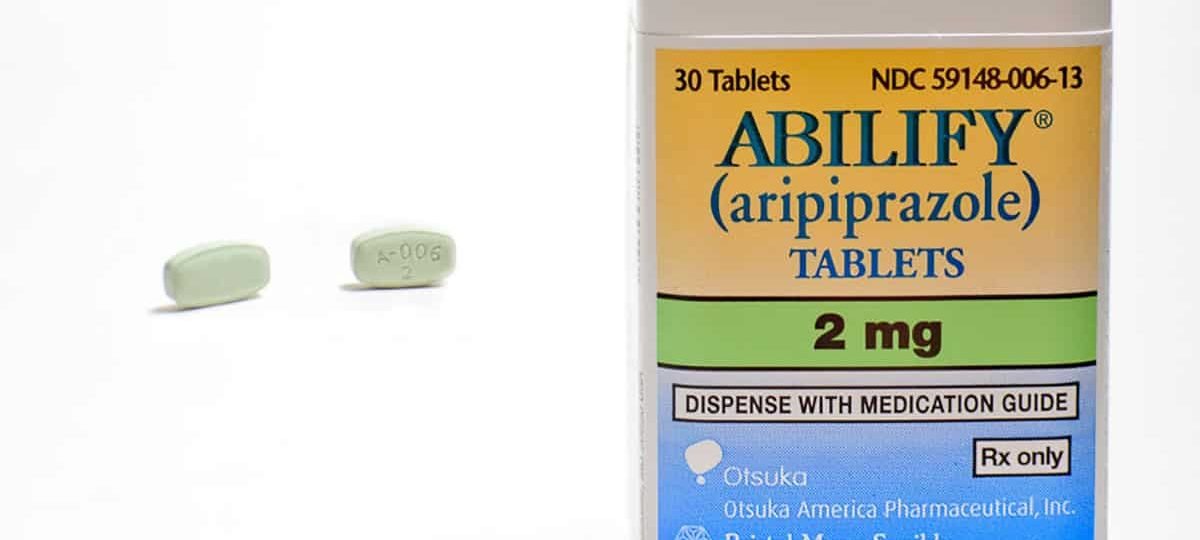
    Abilify (aripiprazole) is used to treat certain mental health conditions, including schizophrenia, bipolar I disorder, and, in some cases, depression when added to an antidepressant. If you are asking what is abilify used for, the practical answer is that it may help stabilize thinking, mood, irritability, or manic symptoms when a prescriber decides the benefits outweigh the risks.

    Aripiprazole belongs to a group called atypical antipsychotics. These medicines affect dopamine and serotonin signaling in the brain. That matters because the same medicine can be used in different ways, depending on the diagnosis, dose, age, and treatment goals. For a shorter medication overview, see What Is Abilify. For brand and generic naming basics, Abilify Generic Name explains why prescriptions may list aripiprazole instead.

    Key Takeaways

    • Approved uses vary: schizophrenia, bipolar I, depression adjunct, autism-related irritability, and Tourette’s disorder.
    • Dose depends on diagnosis: starting and target doses are individualized by the prescriber.
    • Side effects need tracking: restlessness, insomnia, nausea, headache, and weight changes can occur.
    • Safety is personal: age, other medicines, pregnancy plans, and past reactions matter.
    • Stopping needs planning: abrupt changes can raise relapse or withdrawal-like risks.

    What Is Abilify Used For in Mental Health Care?

    Abilify is most commonly prescribed for psychosis and mood disorders where dopamine-serotonin balance is part of the treatment strategy. In schizophrenia, it may help reduce hallucinations, delusions, disorganized thinking, or severe agitation. In bipolar I disorder, it may be used for manic or mixed episodes, and sometimes as part of maintenance treatment.

    Another important use is depression augmentation. In this context, abilify for depression means aripiprazole is added to an antidepressant when symptoms have not improved enough with antidepressant treatment alone. This is different from using it as a stand-alone antidepressant. The dose and monitoring plan are usually tailored carefully because lower doses may still cause side effects in sensitive people.

    In younger patients, aripiprazole has specific approved uses for irritability associated with autism spectrum disorder and for Tourette’s disorder. These decisions require close family and clinician involvement. Children and adolescents can respond differently than adults, and growth, sleep, movement symptoms, and school functioning may need extra attention.

    Clinicians may sometimes discuss off-label use for symptoms such as mood instability, anxiety with depression, or bipolar II-related symptoms. Off-label does not mean unsafe by itself, but it does mean the reason, evidence, alternatives, and monitoring plan should be clear. For a broader condition-by-condition discussion, see Abilify Uses.

    Why it matters: The same tablet can have different goals in different diagnoses.

    How Aripiprazole Works and Why Effects Can Feel Different

    Aripiprazole works partly by acting as a dopamine D2 partial agonist, which means it can adjust dopamine activity rather than simply blocking it. It also affects serotonin receptors, including 5-HT1A and 5-HT2A pathways. In plain language, it can help steady certain brain signals involved in mood, perception, motivation, and agitation.

    This mechanism helps explain why experiences vary. Some people feel calmer and more organized. Others feel activated, restless, or unable to sleep, especially early in treatment or after a dose increase. These reactions are not character flaws. They are signals to document and discuss.

    The word “antipsychotic” can feel alarming, especially when aripiprazole is used for depression. The label describes the drug class, not a judgment about the person taking it. In depression care, the goal is usually augmentation: adding a second medicine to improve response when the first plan was only partly effective.

    Dosing Questions to Discuss With a Prescriber

    Abilify dosage depends on the condition being treated, age, other medicines, and how well side effects are tolerated. Prescribers often start with a lower dose and adjust based on response. The lowest or highest dose is not the main goal by itself. The safer goal is the lowest effective dose for the intended use.

    People often search for what is considered a high dose of abilify because they worry about escalation. In practice, clinicians compare the dose with label-based ranges, diagnosis-specific goals, side effects, and drug interactions. A dose that is routine for one condition may not be appropriate for another. For example, aripiprazole dosage for depression is often approached differently from dosing for schizophrenia or acute mania.

    Timing also matters. Some people take aripiprazole in the morning because it feels energizing or interferes with sleep. Others take it later because it makes them drowsy. If you wonder why take aripiprazole in the morning, the usual reason is to reduce insomnia or nighttime restlessness. Do not change timing on your own if your prescriber gave specific instructions.

    Long-acting injectable aripiprazole may be considered when consistent daily dosing is difficult or relapse prevention is a priority. It is not a simple substitute for oral tablets, because injection schedules, oral overlap, monitoring, and clinic logistics may apply. For formulation context, Abilify Maintena outlines one long-acting product page, while Aripiprazole provides general product navigation.

    Practical questions for your appointment

    • Primary goal: which symptom should improve first?
    • Starting plan: what dose and timing are intended?
    • Side-effect plan: which symptoms require a call?
    • Interaction check: which medicines or substances matter?
    • Follow-up timing: when should progress be reviewed?

    Side Effects, Early Warning Signs, and Long-Term Risks

    The most common Abilify side effects can include restlessness, insomnia, anxiety, nausea, vomiting, headache, dizziness, and constipation. Akathisia (inner restlessness with an urge to move) is especially important to recognize because it can feel like worsening anxiety. If it appears, describe it clearly rather than waiting for it to pass.

    Some effects appear in the first week. Others develop gradually. Abilify side effects first week may include sleep changes, stomach upset, jitteriness, or feeling unusually activated. Many early effects are manageable, but severe agitation, new suicidal thoughts, fainting, allergic symptoms, or uncontrollable movements need urgent medical attention.

    Longer-term monitoring may include weight, blood sugar, cholesterol, movement symptoms, and impulse-control changes. Rare impulse-control problems may involve gambling, shopping, binge eating, or sexual urges that feel difficult to control. These can be embarrassing to mention, but they are medical safety issues.

    Movement-related risks include tremor, stiffness, and tardive dyskinesia (involuntary movements that may persist). Aripiprazole can have lower risk for some movement or prolactin effects than certain older antipsychotics, but it is not risk-free. For a focused safety walkthrough, see Abilify Side Effects.

    Weight change is another common concern. Some people gain weight, some notice appetite shifts, and some have little change. Lifestyle steps may help, but medication-related weight gain is not just a willpower issue. If this concern is central for you, Abilify Weight Gain covers monitoring and practical discussion points.

    Quick tip: Track sleep, restlessness, appetite, mood, and movement symptoms weekly.

    Women’s Health, Pregnancy Planning, and Hormone-Related Concerns

    Aripiprazole side effects in females can include the same general effects seen in all adults, plus concerns related to menstrual cycles, sexual function, pregnancy, and breastfeeding. Aripiprazole may affect prolactin differently than some antipsychotics, but cycle changes, libido changes, or breast symptoms should still be discussed.

    Pregnancy planning needs careful coordination. Untreated mental health symptoms can carry risks, and medication exposure can also matter. The safest plan is usually not an abrupt stop. Instead, talk early with the prescriber, obstetric clinician, and, when available, a perinatal mental health specialist.

    Sexual side effects can affect desire, arousal, orgasm, or satisfaction. These concerns are valid even when the medicine is helping mood or thinking. A dose change, timing change, alternative medicine, or treatment of another cause may be considered by the care team, but the right response depends on the full clinical picture.

    Pros, Cons, and When Anxiety Is Part of the Picture

    The possible benefit of aripiprazole is symptom stabilization when the medication fits the diagnosis and goals. It may reduce psychosis, mania, irritability, or persistent depressive symptoms when used appropriately. For some people, that can support sleep, relationships, school, work, or safer daily functioning.

    The trade-off is that side effects can be difficult. Searches such as “abilify ruined my life” often reflect real distress, especially when restlessness, insomnia, emotional blunting, weight change, or withdrawal-like symptoms were not expected. These experiences deserve careful review, not dismissal. They also do not predict every person’s response.

    Does Abilify help anxiety? Sometimes anxiety improves when depression, mania, psychosis, or agitation improves. But aripiprazole can also cause activation or akathisia that feels like anxiety. That distinction matters because the response may differ. A symptom diary can help your prescriber tell whether anxiety is part of the original condition, a side effect, or both.

    If you are comparing options within the same broad class, your clinician may discuss other atypical antipsychotics or adjunctive medicines. BorderFreeHealth also maintains a browseable Mental Health collection for related educational reading. Product-category pages, such as Mental Health Products, are best used for navigation rather than clinical evidence.

    Starting, Monitoring, and Stopping Safely

    Starting aripiprazole is easier to evaluate when you know what to monitor. Before the first dose, ask what symptoms should improve, what side effects are most likely, and when follow-up should happen. If you already take antidepressants, stimulants, sleep medicines, seizure medicines, or other psychiatric medicines, make sure the full list is reviewed.

    How long until Abilify side effects go away depends on the symptom. Mild nausea or sleep disruption may improve as the body adjusts. Akathisia, severe insomnia, or distressing mood changes should be reported promptly. Waiting too long can make it harder to tell whether the issue is dose-related, timing-related, or unrelated.

    Alcohol and cannabis can complicate monitoring because they may worsen sedation, dizziness, sleep quality, mood, or judgment. Other medications can also affect aripiprazole levels. This is why pharmacy and prescriber medication checks matter, especially when starting, stopping, or adding treatments.

    Do not stop aripiprazole suddenly unless a clinician tells you to do so for safety reasons. Abrupt stopping may lead to withdrawal-like symptoms or return of the underlying condition. A taper, when appropriate, should be individualized. BorderFreeHealth connects U.S. patients with licensed Canadian partner pharmacies, and prescription details may be verified with the prescriber when required before dispensing by the pharmacy.

    Authoritative Sources

    For official prescribing details, including approved uses and boxed warnings, review the DailyMed aripiprazole labeling database. It provides current U.S. label information for listed products.

    For patient-friendly medication basics, the MedlinePlus aripiprazole information page explains common uses, precautions, and side effects in plain language.

    For broader antipsychotic care principles in schizophrenia, the American Psychiatric Association schizophrenia guideline summarizes evidence-based treatment considerations.

    Recap for Safer Conversations

    What is abilify used for? It is used for selected mental health conditions where aripiprazole may help stabilize mood, thinking, irritability, or manic symptoms. The main uses include schizophrenia, bipolar I disorder, adjunctive treatment for depression, autism-related irritability, and Tourette’s disorder.

    The key is fit. Benefits, side effects, dose, timing, and long-term monitoring should be reviewed together. Bring a symptom diary, medication list, and specific concerns to each appointment. That makes the conversation more concrete and helps your care team adjust the plan safely.

    This content is for informational purposes only and is not a substitute for professional medical advice.

  • What Is Abilify? Uses, Side Effects, and Safety Basics

    What Is Abilify? Uses, Side Effects, and Safety Basics

    Abilify is the brand name for aripiprazole, a prescription atypical antipsychotic used to help manage certain mood, thinking, and behavior symptoms. If you are asking what is abilify, the short answer is that it works on dopamine and serotonin signaling in the brain, but it is not a stimulant, sedative, or quick anxiety medicine. It can be helpful for some people, yet it also needs careful monitoring for side effects, interactions, and changes in mood or movement.

    Key Takeaways

    • Medication type: Aripiprazole is a dopamine-serotonin modulator.
    • Main uses: It is used for several psychiatric conditions.
    • Dosing approach: Prescribers tailor dose to diagnosis and response.
    • Safety focus: Watch for restlessness, movement changes, and metabolic effects.
    • Long-acting options: Injections may help when daily pills are difficult.

    This page explains Abilify in plain language so you can have a safer, more informed conversation with your clinician. It does not replace diagnosis, prescribing advice, or urgent care when symptoms feel unsafe.

    What Is Abilify and How Does It Work?

    Abilify (aripiprazole) belongs to a group called second-generation, or atypical, antipsychotics. These medicines can affect psychosis symptoms, mood episodes, irritability, and treatment-resistant depression when used in specific care plans. Aripiprazole is sometimes described as a dopamine-serotonin modulator because it does not simply block dopamine in one direction.

    At a high level, aripiprazole acts as a partial agonist at dopamine D2 receptors. A partial agonist can activate a receptor, but not as strongly as the body’s own chemical signal. In areas where dopamine activity may be too high, it can reduce the overall signal. In areas where activity is lower, it may provide a smaller signal. This is one reason clinicians view it differently from older antipsychotic medicines.

    Aripiprazole also affects serotonin receptors, including 5-HT1A and 5-HT2A receptors. These actions may contribute to mood and anxiety-related effects in some people. That does not mean it treats every mood symptom, and it does not work like benzodiazepines such as alprazolam. It is also not considered a classic stimulant or depressant. Its effects depend on dose, diagnosis, other medicines, and individual sensitivity.

    Available forms can include tablets, orally disintegrating tablets, oral solution in some markets, and long-acting injectable formulations. For a medication-specific navigation page, see Abilify. If your prescriber discusses the non-brand version, Aripiprazole may help you understand the generic name used in prescriptions and records.

    Why it matters: Knowing the drug class helps you ask better questions about benefits, risks, and monitoring.

    Common Uses and Where It Fits in Care

    The main Abilify uses include conditions where changes in thinking, mood, or behavior need structured treatment. In the United States, aripiprazole products have been approved for several indications, which can vary by formulation and age group. These include schizophrenia, manic or mixed episodes related to bipolar I disorder, adjunctive treatment for major depressive disorder in adults, irritability associated with autistic disorder in pediatric patients, and Tourette’s disorder for some pediatric patients.

    In schizophrenia, the goal is often to reduce symptoms such as hallucinations, delusions, disorganized thoughts, or severe functional disruption. In bipolar I disorder, the focus may be manic or mixed episodes, where energy, sleep, mood, impulsivity, and judgment can shift sharply. In depression care, aripiprazole is usually considered an add-on option when an antidepressant alone has not provided enough benefit.

    Some people hear about Abilify for anxiety, obsessive-compulsive symptoms, ADHD, borderline personality disorder, or bipolar II disorder in online discussions. These are more nuanced situations. A prescriber may sometimes consider off-label use, but that decision should involve a clear reason, defined goals, and a careful review of risks. Online stories can be useful for feeling less alone, but they cannot predict your response.

    For a deeper look at indications, see What Is Abilify Used For. You can also compare a broader benefits-focused discussion in Abilify Uses. These resources can help you separate approved uses, common clinical reasoning, and questions to bring to a visit.

    Dosage Principles Without Guessing Your Dose

    Abilify dosage is individualized, so no article can safely tell you what dose to take. Prescribers consider the diagnosis, age, formulation, symptom severity, prior medicine response, side effects, and drug interactions. They may also adjust the plan if another medicine affects liver enzymes that process aripiprazole.

    Many clinicians use a “start low and adjust carefully” approach, especially when treating depression augmentation or when a person is sensitive to restlessness, insomnia, nausea, or dizziness. Because aripiprazole stays in the body for a relatively long time, changes may not feel immediate. A dose adjustment can take time to show its full effect, and early side effects may change as the body adapts.

    People often ask what is considered a high dose of Abilify. The answer depends on the condition, the formulation, and the treatment goal. Higher is not automatically better. More medication can raise the chance of akathisia (inner restlessness), sleep disruption, tremor, sedation, or metabolic changes. If symptoms are not improving, clinicians often reassess the diagnosis, adherence, interactions, substance use, sleep, and other health factors before increasing dose.

    Questions to Ask Before a Dose Change

    • Treatment goal: What symptom should improve first?
    • Timing plan: When should effects be reassessed?
    • Side-effect watch: Which symptoms need a call?
    • Interaction review: Do other medicines affect levels?
    • Stop plan: What happens if it is not tolerated?

    If you are unsure whether your medication is brand or generic, this explainer on Abilify Generic Name can help clarify terminology. Prescription labels, pharmacy records, and clinician notes may use either the brand name or aripiprazole.

    Side Effects, Warnings, and When to Get Help

    Abilify side effects can range from mild and temporary to serious and urgent. Commonly reported effects include nausea, vomiting, constipation, headache, dizziness, sleepiness, insomnia, anxiety, and akathisia. Akathisia can feel like an uncomfortable need to move, pacing, or being unable to sit still. It can be distressing, so it deserves prompt discussion rather than silent endurance.

    Movement-related effects need particular attention. Some people develop tremor, stiffness, or other extrapyramidal symptoms (drug-related movement symptoms). A rare but potentially persistent condition called tardive dyskinesia can cause involuntary movements, often of the face, tongue, or limbs. The risk varies by person and exposure, and early reporting matters.

    Serious warnings also include neuroleptic malignant syndrome, a rare emergency that can involve fever, severe muscle stiffness, confusion, and unstable blood pressure or heart rate. Seek urgent care for severe allergic reactions, fainting, chest pain, severe confusion, high fever with stiffness, or thoughts of self-harm. Families and caregivers should also watch for sudden changes in behavior, agitation, impulse-control problems, or unsafe risk-taking.

    Some people search “Abilify ruined my life” after a difficult experience. Those stories often reflect real distress, even though they do not represent every outcome. If a side effect feels intolerable, do not stop abruptly without medical guidance unless a clinician or emergency service tells you to. Contact the prescriber, urgent care, or crisis support when symptoms feel dangerous.

    For a practical symptom-by-symptom review, see Abilify Side Effects. That kind of checklist can help you describe timing, severity, and triggers at follow-up visits.

    Weight, Metabolic Health, and Daily Monitoring

    Abilify weight gain can happen, although average weight effects may differ from some other antipsychotics. Individual responses vary widely. Some people notice appetite changes, body weight changes, or shifts in blood sugar and cholesterol. Others see little change. The safest approach is to monitor instead of guessing.

    Clinicians may track weight, waist circumference, blood pressure, fasting glucose or A1C, and lipid levels. These checks help detect metabolic changes early. They are especially important for people with diabetes, prediabetes, heart disease risk factors, or a history of significant antipsychotic-related weight change.

    Daily habits cannot prevent every medication effect, but they can support the bigger plan. Regular sleep, consistent meals, movement that fits your ability, and limiting alcohol can reduce avoidable strain. If appetite rises sharply or weight changes quickly, bring that pattern to your prescriber rather than blaming willpower.

    Quick tip: Track weight, sleep, restlessness, and appetite weekly during early treatment changes.

    Injection Options, Alcohol, and Interactions

    An Abilify injection may be considered when a long-acting plan fits the person’s diagnosis and treatment goals. Long-acting injectable aripiprazole is given by a healthcare professional on a schedule set by the product and prescriber. These options are usually considered after tolerability with oral aripiprazole has been established.

    Long-acting treatment may help when daily tablets are hard to remember or when symptom relapse is linked to missed doses. It is not the right fit for everyone. The care team still needs to monitor side effects, injection-site reactions, mood changes, movement symptoms, and other medicines.

    For product-specific navigation, see Abilify Maintena. That page can help you recognize the long-acting brand name if it appears in a treatment discussion. It should not replace the instructions provided by the administering clinician.

    Alcohol deserves caution. It can worsen dizziness, sleepiness, slowed reaction time, and judgment. It can also complicate mood symptoms and make it harder to interpret side effects. For a focused discussion, see Abilify and Alcohol.

    Drug interactions also matter. Some medicines can raise or lower aripiprazole levels by affecting CYP2D6 or CYP3A4 liver enzymes. Examples can include certain antidepressants, antifungals, antibiotics, seizure medicines, and HIV medications. Always share prescription medicines, over-the-counter products, cannabis use, alcohol intake, and supplements with the prescribing team.

    Practical Tips for Safer Conversations With Your Clinician

    A safer medication plan starts with a shared picture of what you want to treat. Before starting or changing aripiprazole, write down the main symptoms, how long they have been present, and how they affect sleep, work, school, relationships, or safety. This helps separate target symptoms from side effects after treatment begins.

    It also helps to name your biggest concerns. Some people worry most about weight gain. Others fear emotional blunting, restlessness, sexual side effects, or long-term movement problems. A direct conversation can help your prescriber choose monitoring steps and decide when a change is worth considering.

    Bring a full medication list to each visit. Include exact names when possible, but do not worry if you only know the bottle label. If access or prescription logistics are part of your planning, BorderFreeHealth connects U.S. patients with licensed Canadian partner pharmacies, and prescription details may be verified with the prescriber where required before pharmacy dispensing. This service context does not change whether a medicine is clinically appropriate for you.

    If you prefer to browse mental health topics more broadly, the Mental Health collection may help you compare related educational pages. For medication navigation by category, the Mental Health Medications category can help you recognize names your clinician may mention.

    Authoritative Sources

    For official labeling, indications, boxed warnings, and safety details, review the DailyMed aripiprazole labeling database. Labels vary by product and formulation, so match the exact medicine whenever possible.

    For a plain-language medication summary, the National Library of Medicine provides MedlinePlus information on aripiprazole. It covers common precautions, missed-dose principles, and safety topics for patients.

    For broader clinical background, the National Center for Biotechnology Information includes StatPearls clinical information on aripiprazole. This source is more technical, but it can help readers understand mechanism and monitoring concepts.

    Recap

    So, what is abilify in practical terms? It is aripiprazole, a prescription antipsychotic used in several psychiatric care plans, including some mood and psychosis-related conditions. It can be taken orally or, for some people, given as a long-acting injection. The most important safety habits are clear goals, slow and supervised changes, side-effect tracking, and honest conversations about alcohol, other medicines, weight, movement symptoms, and mood changes.

    Contact a healthcare professional promptly if you notice severe restlessness, involuntary movements, major mood changes, impulse-control problems, allergic symptoms, high fever with stiffness, or thoughts of self-harm. Medication decisions should be individualized and revisited as your symptoms, health history, and life circumstances change.

    This content is for informational purposes only and is not a substitute for professional medical advice.

  • Stress and Aging: How Chronic Pressure Affects the Body

    Stress and Aging: How Chronic Pressure Affects the Body

    Stress and aging are linked because prolonged stress can keep the body in a high-alert state, raising inflammation, disrupting sleep, and adding wear across several systems. This does not mean every hard season permanently ages you. It does mean recovery time, support, and safer daily routines matter for long-term health.

    Researchers now study biological aging with tools such as epigenetic clocks, which estimate age-related DNA methylation patterns. These tools are imperfect, but they help show how life events may leave measurable marks. For background on the science of gene regulation, the National Human Genome Research Institute offers a clear overview of epigenomics and human health.

    Key Takeaways

    • Chronic strain adds load: Long-lasting stress can affect hormones, immunity, sleep, and metabolism.
    • Symptoms vary widely: Warning signs can be physical, emotional, cognitive, or behavioural.
    • Recovery is possible: Some stress-related biological changes may improve when stressors ease.
    • Small habits matter: Sleep, movement, therapy, and social support can reduce allostatic load.
    • Context matters too: Unsafe housing, discrimination, caregiving strain, and poverty need more than individual coping tips.

    How Stress and Aging Connect Biologically

    Stress affects aging when short-term survival responses stay switched on too often. The hypothalamic-pituitary-adrenal axis, often called the HPA axis, releases cortisol to help you respond to a threat. In brief bursts, this response can be useful. When pressure lasts for weeks or months, the same system can disturb sleep, blood sugar control, immune balance, and tissue repair.

    Scientists often describe this burden as allostatic load, meaning cumulative wear from repeated adaptation. A person may look functional on the outside while their body keeps paying the cost. That cost can show up as fatigue, higher blood pressure, poorer concentration, more pain flares, or slower recovery after illness.

    At the cell level, researchers study several overlapping markers. Telomeres are protective endcaps on chromosomes, and shorter telomeres are associated with aging in many studies. Inflammation, DNA damage responses, cellular senescence, and mitochondrial function also matter. Epigenetic clocks add another lens by estimating biological age from DNA methylation patterns.

    Why this matters: biological aging is not one number or one destiny. It reflects many inputs, including sleep, movement, trauma history, diet quality, pollution exposure, infection, relationships, and access to care. For a broader primer on stress pathways, see our deeper discussion of The Science Of Stress.

    What Is Chronic Stress?

    Chronic stress is ongoing pressure that continues without enough recovery. It differs from acute stress, which is short-lived and usually resolves after the challenge passes. A difficult conversation, a near-miss in traffic, or a deadline can trigger acute stress. Chronic stress is more like living under a demand that keeps returning.

    Common examples include caregiving strain, job insecurity, debt, unsafe housing, discrimination, long-term conflict, chronic illness, or repeated exposure to trauma reminders. Some people face several of these at once. The nervous system may then adapt to a high-alert baseline, making calm feel unfamiliar or short-lived.

    Chronic stress is not always a formal diagnosis by itself. It can overlap with anxiety disorders, depression, post-traumatic stress disorder, substance use concerns, insomnia, or burnout. It can also develop around medical conditions that require constant planning and vigilance.

    If you are trying to name what is happening, focus on duration, intensity, and recovery. Stress becomes more concerning when it lasts for weeks, affects daily functioning, changes sleep or appetite, or makes you feel trapped. Our Mental Health collection gathers related topics in one browseable place: Mental Health.

    Five Warning Signs of Chronic Stress

    Chronic stress symptoms often appear in clusters, not as one clear signal. Many people first notice irritability or poor sleep, then realize their body has been tense for months. Others notice digestive changes, headaches, or repeated illness before they connect the dots.

    • Sleep disruption: Trouble falling asleep, early waking, or unrefreshing rest.
    • Body tension: Headaches, jaw clenching, neck tightness, or unexplained aches.
    • Mood changes: Irritability, sadness, numbness, worry, or feeling easily overwhelmed.
    • Thinking problems: Poor focus, forgetfulness, racing thoughts, or decision fatigue.
    • Behaviour shifts: More alcohol, nicotine, emotional eating, withdrawal, or constant scrolling.

    These signs do not prove that stress is the only cause. Thyroid disease, anemia, sleep apnea, medication effects, chronic pain, and other conditions can look similar. If symptoms are new, severe, or worsening, a clinician can help rule out medical causes.

    Stress can also affect the gut-brain axis, the two-way communication between the digestive tract and nervous system. Some people notice bloating, cramps, urgency, or appetite changes during prolonged strain. For more on that pattern, read Stress And IBS Symptoms.

    Can Stress Aging Be Reversed?

    Some stress-related aging signals may improve, especially when major stressors ease and recovery becomes consistent. That is the hopeful part. The cautious part is that no routine test can promise a personal reversal timeline, and biological aging is shaped by many factors beyond stress alone.

    Research on epigenetic age suggests that biological age can be more flexible than once assumed. Short-term changes have been reported after major stressors and after recovery periods. Still, different epigenetic clocks can give different estimates, and the field is still refining what each result means for everyday health decisions.

    It is also important to separate visible changes from deeper biology. A stress aging face may reflect sleep loss, dehydration, inflammation, skin barrier disruption, sun exposure, smoking, or alcohol use. Better sleep, sun protection, hydration, and less alcohol can improve appearance for some people. That does not mean a cream or supplement can erase chronic adversity.

    Brain-related recovery deserves the same balanced approach. Chronic stress may affect memory, attention, emotional regulation, and hippocampal function, but the brain remains adaptable. Therapy, exercise, social connection, sleep treatment, and safer routines may support recovery. If trauma, depression, or anxiety are present, professional support often matters more than willpower.

    Quick tip: Track two habits for two weeks, such as bedtime and daily movement.

    For practical coping ideas, our stepwise article on Manage Anxiety Tips can help you build a simpler starting plan.

    Recovery Steps That Reduce the Load

    The most useful plan targets recovery capacity, not perfection. If stress and aging are connected through repeated wear, then the goal is to reduce the number of daily stress activations and improve how well the body returns to baseline.

    Protect sleep first

    Sleep is one of the strongest recovery signals you can influence. A consistent wake time, morning light, a wind-down routine, and a cooler bedroom can help. If snoring, gasping, restless legs, nightmares, or severe insomnia are present, ask a clinician about evaluation rather than forcing more sleep hygiene.

    Move in small, repeatable ways

    Movement helps regulate stress hormones, mood, blood pressure, glucose handling, and sleep. You do not need an intense routine to start. Short walks, gentle cycling, stretching, resistance bands, or stair breaks can be useful. Choose activities that feel safe for your body and circumstances.

    Use support, not isolation

    Stress becomes more harmful when people carry it alone. Support may include therapy, peer groups, trusted friends, faith communities, legal aid, financial counselling, or workplace accommodations. When stress comes from unsafe systems, individual breathing exercises are not enough. Practical protection and advocacy matter.

    Reduce avoidable strain

    Some stressors cannot be removed quickly, but small reductions still count. You might simplify decisions, automate one bill, prepare a basic meal plan, mute hostile notifications, or schedule one protected rest block. These actions lower friction, which can make healthier choices easier.

    Brain health also benefits from steady, long-term habits rather than dramatic resets. Our article on Lifelong Brain Care covers daily protective routines across adulthood.

    How Long Does Chronic Stress Recovery Take?

    Recovery time depends on how long the stress lasted, how intense it was, and whether the source is still present. A person recovering from a short workplace crunch may rebound faster than someone facing years of caregiving, trauma, housing instability, or chronic illness.

    Some symptoms can improve within days or weeks when sleep and safety improve. Other patterns, such as burnout, trauma responses, depressed mood, or persistent insomnia, may need longer support. Recovery is often uneven. You may feel better for several days, then flare after a reminder, conflict, or poor night of sleep.

    A helpful question is not only “How long will this take?” but “What is still keeping my body on alert?” Ongoing threats, untreated pain, financial insecurity, isolation, and unresolved trauma can keep the stress response active. Addressing those drivers is part of health care, not a personal failure.

    Seek prompt support if stress comes with thoughts of self-harm, chest pain, fainting, severe shortness of breath, confusion, new neurological symptoms, or feeling unable to stay safe. If symptoms interfere with work, caregiving, sleep, or relationships, a mental health professional or primary care clinician can help you sort the next step.

    Research Limits and What to Watch Next

    Stress biology research is moving quickly, but it still has limits. Many studies show associations, meaning stress and aging markers move together. That does not always prove that stress alone caused every change. Genetics, income, childhood adversity, sleep, infection, nutrition, and environmental exposures can all influence results.

    Epigenetic clocks are useful research tools, but they are not simple scorecards for daily choices. Different clocks were built for different outcomes. One may estimate chronological age closely, while another may relate more to disease risk or mortality patterns. A single test result should not be treated as a diagnosis.

    That said, the broad pattern is consistent enough to take seriously. Chronic strain can affect immune aging, inflammation, metabolic health, mood, cognition, and recovery. Reducing stress load is not cosmetic self-improvement. It is preventive care, especially for people who have carried pressure for years.

    For updates on emerging studies and methods, browse the Research category. For a seasonal reminder to check in on mental well-being, see National Stress Awareness Month.

    Authoritative Sources

    The National Human Genome Research Institute explains how epigenomic changes influence gene activity in its overview of epigenomics and human health.

    MedlinePlus summarizes common stress effects, symptoms, and coping basics in its plain-language resource on stress and overall health.

    A peer-reviewed review in the National Library of Medicine discusses biological pathways linking chronic stress with accelerated aging in chronic stress and aging research.

    Recap

    Stress and aging connect through hormones, inflammation, sleep, immunity, and cellular repair. Chronic stress can increase biological wear, but many recovery pathways remain changeable. The best next step is not a dramatic anti-aging plan. It is a realistic reduction in load, paired with rest, support, movement, and care when symptoms persist.

    This content is for informational purposes only and is not a substitute for professional medical advice.

  • What Does Omega 3 Do: A Practical Guide to Health

    What Does Omega 3 Do: A Practical Guide to Health

    Key Takeaways

    • Omega-3s support heart, brain, skin, and eye health.
    • Food-first sources beat supplements for most people.
    • Balance omega-6 intake to reduce inflammatory load.
    • Check dose, purity, and interactions before supplementing.

    Understanding what does omega 3 do helps you make informed choices about diet, supplements, and long-term health. These essential fats shape cell membranes, modulate inflammation, and influence lipids. The right balance may support your heart and brain across life stages.

    What Does Omega 3 Do?

    Omega-3 fatty acids—EPA (eicosapentaenoic acid), DHA (docosahexaenoic acid), and ALA (alpha-linolenic acid)—play structural and signaling roles in the body. EPA and DHA embed in cell membranes, helping regulate inflammatory mediators and vascular tone. ALA, from plants, converts only modestly to EPA/DHA, so marine sources often deliver more predictable benefits.

    Clinically, omega-3s can help maintain healthy triglyceride levels and support vascular function. DHA concentrates in retinal and brain tissue, supporting visual processing and neural signaling. These mechanisms explain why nutrition guidance prioritizes fish, seafood, and select plant sources as part of a heart-smart eating pattern. For clinical overviews and safety context, see the NIH fact sheet on omega-3 fatty acids (NIH fact sheet).

    For certain high-risk adults with elevated triglycerides, prescription EPA may be considered by clinicians. Review product details in Vascepa for prescription EPA details and triglyceride management information.

    Omega-3 Sources: Foods, Fruits, and Vegetables

    Start with foods. Fatty fish like salmon, sardines, mackerel, and trout provide concentrated EPA and DHA. For plant-forward eaters, ground flaxseed, chia, hemp seeds, and walnuts supply ALA. Some seaweeds and microalgae contribute DHA directly, which can be useful for people who avoid fish. Choosing omega-3 foods twice weekly fits many heart-healthy plans.

    Fruits and vegetables contribute smaller amounts, yet they still help overall patterns. Brussels sprouts, spinach, and kale contain ALA precursors, while berries and citrus pair well with seafood to build balanced plates. If you follow a plant-heavy diet, consider algae-based DHA to complement seeds and nuts. When comparing options, aim for variety, fiber, and minimally processed choices that you enjoy.

    Plant Versus Marine Sources

    Marine sources deliver EPA/DHA directly, so the body bypasses the limited ALA conversion step. Plant sources remain valuable for fiber, polyphenols, and overall dietary quality, but you may need more planning to meet similar EPA/DHA exposure. A practical approach blends both: include a couple of fish meals per week, fortify with ground flaxseed at breakfast, and use a modest algae-based DHA if needed. For broader heart topics and meal ideas, explore our Cardiovascular category for broader heart health guidance and lipid topics. Major professional groups support fish intake as part of heart-friendly patterns; see the American Heart Association’s advisory for context (AHA science advisory).

    Tip: If you do not eat fish, consider algae-based DHA several times per week, and rotate flax, chia, and walnut servings through meals.

    To compare non-diet lipid supports, see Lipitor to compare LDL-lowering strategies alongside dietary fats, or Fenofibrate for triglyceride-lowering options when lifestyle changes are insufficient.

    Who Benefits: Across Life Stages and Identities

    Omega-3s contribute to heart rhythm stability, blood vessel health, and inflammatory balance—important for adults of all ages. Brain and eye tissues rely on DHA for structure, which may help with cognition and visual function over time. Skin barrier integrity can also benefit from adequate intake, supporting moisture and resilience. These broad effects matter for busy lifestyles, stress, and recovery.

    Some research highlights needs across sex and life stages. Pregnancy and lactation demand higher DHA for fetal brain and eye development, while midlife adults often focus on lipids and blood pressure. Emerging evidence around omega-3 benefits for women addresses menstrual symptoms and perimenopausal transitions, though results vary. Likewise, men often focus on heart health and exercise recovery; balanced intake supports these goals without over-supplementing.

    For brain circulation topics beyond nutrition, see Nimotop Uses for additional reading on brain circulation support. For mood and resilience tools, our Mental Health category offers context around stress, sleep, and coping strategies.

    One targeted query is omega-3 benefits for women in relation to mood, cycle-related discomfort, and skin support; evidence is mixed but promising for some individuals. Personalized guidance from a clinician can help match dietary patterns to goals.

    Dosing Basics and Safety

    Most adults can meet needs with two fish meals weekly plus plant sources. Supplement use depends on diet, preferences, and clinical goals. Discuss individualized amounts with a clinician, especially if you take blood thinners or have bleeding risks. Typical product labels list EPA/DHA per serving; focus on EPA/DHA content rather than capsule size.

    For general guidance, many clinicians align intake with whole-diet patterns, then add a focused supplement if needed. Evidence summaries from the NIH provide safety considerations, upper limits, and interactions; see the detailed overview here (health professionals overview). If you need a concrete reference point, clinicians often consider omega-3 dosage for adults in light of diet quality, triglycerides, and comorbidities, rather than a single number.

    Note: High-dose products can raise bleeding risk or interact with anticoagulants. Always review your medication list and lab goals with your healthcare team.

    For deeper supplement comparisons and safe-use tips, browse our Vitamins Supplements category for more supplement insights and safety notes.

    Omega-6 Balance and Practical Meals

    Beyond absolute omega-3 intake, the omega-6 to omega-3 ratio can influence inflammatory signaling. Many modern diets are heavy in refined seed oils and processed snacks, which pushes the ratio toward pro-inflammatory pathways. You do not need a perfect number; simply shift patterns. Use olive oil often, cook more at home, and choose nuts and seeds in whole forms.

    Reducing select omega-6 foods (fried fast foods, processed chips, and baked goods) while increasing fish, legumes, and vegetables can help. Build meals around salmon or trout with roasted greens, whole grains, and a citrus-walnut dressing. Rotate plant-based bowls with beans, quinoa, kale, and flax-yogurt sauce. Small shifts add up when repeated weekly.

    Supplements: Types, Vegan Options, and Label Literacy

    Supplements vary by source (fish, krill, cod liver, algae) and by EPA/DHA ratio. For plant-based users, vegan omega-3 supplements from algae can deliver DHA and sometimes EPA, with fewer sustainability concerns. Check third-party testing for purity and oxidation, and confirm the EPA/DHA dose, not just total oil. Capsule counts can be misleading; compare total daily EPA/DHA.

    Be mindful of omega-3 supplements side effects such as reflux, fishy burps, gastrointestinal upset, or bruising in sensitive users. Taking capsules with meals, splitting doses, or switching to enteric-coated forms may help. If you avoid fish entirely, algae-based DHA can pair well with ALA-rich foods. For clinical lipid therapy context, see Vascepa again for prescription EPA details, or consider Pravastatin Sodium to understand statin-based LDL reduction for comprehensive risk management.

    Special Situations: Fatty Liver, Hair, and Sexual Health

    Early studies suggest omega-3s may help normalize liver fat and triglycerides in nonalcoholic fatty liver contexts, especially when paired with weight management and exercise. Discuss individualized plans if you are considering targeted amounts or product forms. Hair and skin often respond best to overall dietary patterns, hydration, and micronutrient sufficiency; omega-3s can complement these foundations.

    People often ask, does omega-3 help sexually? Limited evidence suggests possible benefits for endothelial function and blood flow, yet findings are preliminary. Address cardiovascular risk factors, sleep, and stress for the biggest gains. For metabolic health awareness that influences vascular wellbeing, see World Diabetes Day for context on glucose and cardiometabolic risk.

    To support stress and mood—factors closely tied to libido—practical strategies can help. Explore Manage Anxiety for actionable techniques that complement nutrition and movement.

    Recap

    Omega-3s shape cell membranes, influence inflammation, and support heart and brain function. Food-first approaches come first, with supplements as a tailored add-on. Keep patterns balanced by trimming ultra-processed fats and adding diverse marine and plant sources. When considering products, verify dose, quality, and potential interactions, and integrate them into your broader care plan.

    This content is for informational purposes only and is not a substitute for professional medical advice.