Category: Mental Health

Living with ongoing worry, low mood, or trauma reminders can feel overwhelming. These Behavioral Health Resources support patients and caregivers who need clear, practical context. Use this hub to browse medications, compare care paths, and learn key terms. Ships from Canada to US is available for eligible prescription items.

Some pages discuss therapy options like psychotherapy (talk therapy) and teletherapy (video or phone visits). Others focus on prescription medicines used in depression, anxiety, ADHD, and bipolar disorder. Information here is educational and administrative, not diagnostic. Care decisions belong with licensed clinicians who know the full history.

Stigma can delay support and complicate everyday planning. Support groups, crisis resources, and family education can also matter. This category explains common terms used in behavioral health services and psychiatry.

Behavioral Health Resources: Category Overview

This hub supports browsing across medications, counseling topics, and everyday coping tools. It covers adolescent care needs and adult care needs in plain language. It also outlines how care teams can include primary care, psychiatry, and therapy.

Use this page to scan the main topics first. Then open the links that match the questions being asked now. Many people also use it to track patterns over time.

Prescription items are sourced through licensed Canadian partner pharmacies for U.S. patients.

What You’ll Find in This Category

These Behavioral Health Resources include both product listings and educational content. The listings help compare prescription items that may support symptom management. The reading pages explain terms, common concerns, and typical care pathways.

For medication browsing, start with the Mental Health product category. Then explore focused guides that match the questions coming up now.

How to Choose

Comparing Behavioral Health Resources works best when goals are clear. Some people want information for a first evaluation. Others need help organizing questions about medicines, therapy options, or follow-up visits.

Quick tip: Save a current medication list and prescriber contacts in one place.

Checklist for comparing options

This checklist is not medical advice, but it improves conversations.

  • Condition focus, such as major depressive disorder (MDD) or PTSD (trauma-related symptoms).
  • Age and support needs, including school supports and caregiver involvement.
  • Past responses, including benefits, side effects, and adherence barriers.
  • Medication form, like tablets versus long-acting injectable (LAI) options.
  • Interaction risks with alcohol, cannabis, or other prescriptions.
  • Monitoring needs, such as labs, weight checks, or symptom scales.
  • Care supports, including psychotherapy, family therapy, and peer support groups.

Many pages also discuss counseling approaches and stress management routines. Look for plain-language definitions when clinical terms feel unfamiliar. For example, psychiatry services focus on medical management, while therapy focuses on skills and processing.

Safety and Use Notes

Medication and therapy choices can affect sleep, appetite, and concentration. Side effects can be mild, serious, or delayed. This hub summarizes common safety themes, not personal recommendations.

When reviewing Behavioral Health Resources, watch for interaction warnings and discontinuation symptoms. Discontinuation symptoms can occur after missed doses or abrupt stopping. Some medications also carry boxed warnings for certain ages.

Safety notes may mention adverse effects (unwanted reactions) and warning labels. Terms like akathisia (inner restlessness) can appear in medication guides. Some pages explain ways to track symptoms and daily functioning. Serious or fast-changing symptoms need prompt medical attention.

Urgent safety and crisis support

Some moments require immediate help, not more reading. If someone is in immediate danger, call local emergency services. For U.S. crisis support, see the 988 Suicide & Crisis Lifeline. For background on medication classes, see the NIMH mental health medications page.

When a prescription is required, it is confirmed with the prescriber before dispensing.

Access and Prescription Requirements

Access barriers can add stress during ongoing symptoms. Behavioral Health Resources here include guidance on prescriptions and fulfillment steps. Many items require a current prescription from a licensed prescriber.

Some people use cash pay, including those without insurance. Requirements can vary by medication class and pharmacy rules. Keep records organized to reduce back-and-forth during verification.

Why it matters: Complete paperwork reduces delays when pharmacies need clarification.

  • Check each product page for prescription requirements and available formats.
  • Have prescriber details ready in case verification questions arise.
  • Review import and controlled-substance limits before selecting an item.
  • Plan refills around follow-up visits and monitoring schedules.
  • Store documents securely, especially when caregivers help manage care.

Cash-pay options are available for people who are without insurance.

This content is for informational purposes only and is not a substitute for professional medical advice.


  • Celexa vs Zoloft: Differences That Matter in SSRI Care

    Celexa vs Zoloft: Differences That Matter in SSRI Care

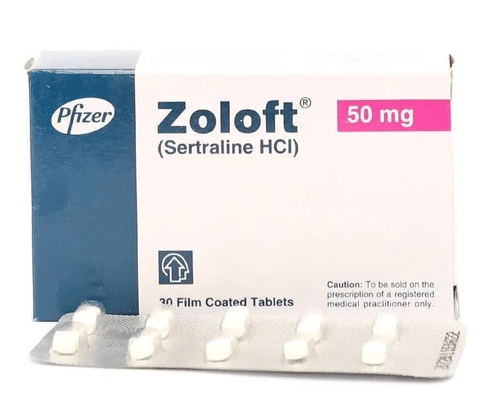
    Celexa and Zoloft are both selective serotonin reuptake inhibitors, or SSRIs, but they are not interchangeable for every person. A practical celexa vs zoloft comparison looks at approved uses, side effects, weight changes, dosing approach, interaction risks, and how a clinician might plan a switch. The better fit depends on your symptoms, medical history, past response, and what side effects would disrupt your daily life most.

    Why this matters: SSRI choice is rarely about one headline difference. Two people can take the same medicine and report very different sleep, appetite, stomach, or sexual side effects. A clear comparison helps you bring sharper questions to your prescriber instead of guessing from scattered reviews.

    Key Takeaways

    • Same class, different details: Both medicines raise serotonin signaling, but their approvals and cautions differ.
    • Anxiety context matters: Sertraline has several anxiety-related approvals; citalopram is commonly used for depression.
    • Weight varies widely: Appetite, sleep, activity, and symptom recovery all influence changes.
    • Dose matching is imperfect: Equivalent-dose tables are rough references, not personal instructions.
    • Switching needs supervision: Taper plans reduce withdrawal, overlap risks, and relapse confusion.

    How These SSRIs Compare in Everyday Care

    Both medications can be part of depression treatment, but sertraline and citalopram have different label details and clinical considerations. Celexa is the brand name for citalopram. Zoloft is the brand name for sertraline. Both belong to the SSRI class, which means they affect serotonin, a chemical messenger involved in mood, anxiety, sleep, and appetite.

    The most useful question is not simply which one is stronger. A better question is which medication profile fits your symptoms and risk factors. For example, a person with prominent panic symptoms may have a different discussion than someone whose main concern is low mood with fatigue. Someone with a heart rhythm history also needs a different safety review than someone without cardiac risk factors.

    Sertraline is often discussed when anxiety disorders, panic disorder, obsessive-compulsive disorder, or post-traumatic stress symptoms are part of the picture. Citalopram is often discussed for depression and may be familiar to people who have taken related SSRIs before. Still, these are broad patterns, not rules. Individual response can override expectations.

    If you want more background on one medicine before comparing them, review Uses of Celexa for condition context. For a sertraline-specific anxiety discussion, Zoloft for Anxiety explains where it may fit in care.

    Side Effects: What Usually Drives the Decision

    Side effects often decide whether an SSRI is tolerable, even when mood symptoms improve. Common SSRI effects can include nausea, loose stools, dry mouth, headache, sleep changes, sweating, and sexual side effects. These effects may be mild for one person and disruptive for another.

    In a celexa vs zoloft discussion, stomach effects and activation are common practical topics. Some people describe sertraline as more activating, especially early in treatment. Others feel tired or foggy on either medication. Citalopram may cause fatigue, dry mouth, sweating, or sexual side effects. Sertraline may cause nausea, diarrhea, tremor, sleep disruption, or sexual side effects. These are possible patterns, not guaranteed outcomes.

    Sexual side effects deserve direct discussion. They can include lower libido, delayed orgasm, or erectile difficulty. Many people feel embarrassed to mention them, but clinicians hear these concerns often. Naming the problem helps your prescriber consider timing changes, dose review, switching, or other options when appropriate.

    For deeper reading on citalopram tolerability, see Celexa Side Effects. For sertraline-specific warning signs and management considerations, see Zoloft Side Effects.

    Safety flags that need extra care

    Citalopram has an important dose-related warning about QT prolongation, which means a change in the heart’s electrical recovery time. This does not affect everyone, but it matters more if you have heart rhythm problems, low potassium or magnesium, liver impairment, older age, or other medicines that can also affect rhythm.

    Sertraline also has interaction concerns. SSRIs can increase bleeding risk when combined with certain blood thinners, antiplatelet medicines, or frequent nonsteroidal anti-inflammatory drug use. Any SSRI can also contribute to serotonin syndrome, a rare but serious reaction linked to excessive serotonin activity. Warning symptoms can include agitation, confusion, fever, sweating, diarrhea, tremor, muscle stiffness, or fast heart rate.

    Quick tip: Bring a complete medicine list, including supplements, to every prescribing visit.

    Weight Gain, Appetite, and Daily Function

    Weight change with SSRIs is usually influenced by several factors at once. Appetite may return as depression improves. Sleep may normalize, which can affect cravings and activity. Some people eat more when anxiety eases. Others lose weight early because nausea or reduced appetite appears during startup.

    People often search for celexa vs zoloft weight gain because personal reviews feel more relatable than labels. Reviews can be useful for empathy, but they cannot predict your outcome. A person’s baseline weight, diet pattern, activity, sleep, age, other medicines, and untreated symptoms all shape what happens over months.

    Sertraline weight gain reviews often include mixed stories: some people report stable weight, while others notice gradual increases. Citalopram weight gain reviews are similarly varied. A more useful approach is tracking. Record weight, appetite, sleep hours, cravings, bowel changes, and activity weekly during the first few months. This gives your prescriber better information than memory alone.

    Some readers ask whether Zoloft or Celexa is better for weight loss. Neither should be treated as a weight-loss medicine. If weight is a major concern, discuss your metabolic history, eating patterns, and current medications before choosing or changing therapy. If weight gain is rapid, severe, or linked with swelling, shortness of breath, or major fatigue, seek medical review promptly.

    Dosing and Equivalent-Dose Questions

    SSRI dosing is individualized, and milligram numbers do not compare neatly across drugs. A common question is whether 20mg citalopram is equivalent to sertraline. Clinicians may use antidepressant equivalent dose tables as rough references, but they do not treat them like exact conversion formulas.

    Several reasons make exact matching difficult. Each SSRI has different pharmacology, metabolism, half-life, and tolerability patterns. A dose that feels calming for one person may feel activating for another. Age, liver function, other medications, and sensitivity to side effects can also change the plan.

    This is why an antidepressant equivalent dose calculator, when discussed online, should be viewed with caution. It may help frame a conversation, but it cannot account for your history, diagnosis, adverse effects, or interaction risks. Your prescriber may start lower, hold longer, or adjust more slowly than a chart suggests.

    For citalopram-specific dose concepts, Celexa Dosage offers a closer look at typical prescribing considerations. If you are reviewing medication access pages, product information such as Celexa or Sertraline HCL can help you identify the exact medicine name, but prescribing decisions still belong with a licensed clinician.

    Why 10 mg, 20 mg, or 50 mg comparisons can mislead

    Searches such as 10mg citalopram to 50mg sertraline or 40mg citalopram equivalent to sertraline can make switching sound like simple math. In practice, prescribers also consider how long you have taken the medicine, whether symptoms are controlled, and whether side effects are dose-related. They may also consider whether the goal is switching, tapering, or treating incomplete response.

    Do not split, stop, or combine antidepressants based on an online equivalency table. Abrupt changes can cause dizziness, irritability, flu-like feelings, electric-shock sensations, insomnia, or a return of symptoms. A planned adjustment is safer and usually easier to interpret.

    Switching Between Citalopram and Sertraline

    Switching from citalopram to sertraline, or the reverse, should be planned with the prescriber who knows your history. The plan may involve a gradual taper, a direct switch in selected cases, or a cautious overlap. The right approach depends on dose, duration, withdrawal history, symptom severity, and interaction risk.

    A cross-taper means one medicine is reduced while the other is introduced. This can reduce discontinuation symptoms, but overlap may increase serotonin-related side effects. A direct switch avoids overlap, but it may feel abrupt for some people. There is no single method that fits everyone.

    Withdrawal and relapse can look similar. Withdrawal often appears after dose reductions and may include dizziness, sensory symptoms, nausea, irritability, and sleep disruption. Relapse usually involves a more sustained return of depression or anxiety symptoms. Keeping a simple symptom log can help your clinician tell the difference.

    Switching from citalopram to Wellbutrin, or comparing Zoloft vs Celexa vs Wellbutrin, raises a different issue because bupropion is not an SSRI. It affects different neurotransmitter pathways and has a different side effect profile. That comparison needs separate clinical review, especially if anxiety, seizure risk, eating disorder history, or substance use concerns are present.

    Which One Fits Anxiety, Depression, or Mixed Symptoms?

    No SSRI is universally better, but the symptom pattern can guide the first conversation. In celexa vs zoloft for anxiety, sertraline often gets attention because it has several anxiety-related approvals. Citalopram may still help anxiety symptoms for some people, especially when they occur alongside depression, but the official labeling and individual history matter.

    For depression, both medicines have long clinical use. The best choice may depend on what has worked before, what a close family member tolerated, and what side effects you most want to avoid. If sleep is already fragile, activation may matter. If daytime fatigue is severe, sedation may matter. If sexual side effects have caused past discontinuation, raise that concern early.

    Some people compare Zoloft vs Celexa vs Lexapro because escitalopram is closely related to citalopram. Others compare Zoloft vs Celexa vs Prozac because fluoxetine has a longer half-life and different discontinuation considerations. These comparisons can be useful, but they should not replace a focused medication history. Your prior response is often more informative than broad class averages.

    If you are browsing broader mental health topics, the Mental Health category can help you find related educational pages. Medication product categories, such as Mental Health Products, are best used for navigation rather than clinical decision-making.

    Monitoring and Questions to Bring to Your Prescriber

    A good follow-up plan makes SSRI treatment easier to judge. Before starting or switching, write down your main symptoms, sleep pattern, appetite, weight trend, sexual function, caffeine use, alcohol use, and current medicines. These details help your clinician interpret side effects in context.

    Ask which side effects should improve with time and which should prompt a call. Ask how long to track symptoms before reassessment. Ask what to do if you miss a dose. Ask whether your heart history, bleeding risk, pregnancy plans, breastfeeding, liver disease, or other medications change the plan.

    For citalopram, ask whether QT risk applies to you and whether an electrocardiogram, or ECG, is needed. An ECG measures the heart’s electrical activity. If your clinician gives you a QT interval and heart rate, a calculator can help you understand the general correction concept, but it does not replace clinical interpretation.

    [qtc-calculator]

    The QTc calculator estimates a corrected QT interval from heart-rate-related inputs. It can support a conversation about monitoring, but only a clinician can interpret risk in your medical context.

    Why it matters: Monitoring turns vague side effects into patterns your prescriber can act on.

    Authoritative Sources

    Official labeling is the best place to verify approved uses, boxed warnings, contraindications, and interaction language. The DailyMed citalopram label summarizes dosing limits, QT-related cautions, and safety information.

    For sertraline, the DailyMed sertraline label provides approved indications, warnings, adverse reactions, and interaction details.

    For broader depression-care context, the National Institute of Mental Health explains symptoms, treatment approaches, and when to seek help.

    Recap

    Celexa and Zoloft are both established SSRIs, but their differences matter. Sertraline has broader anxiety-related labeling, while citalopram has a notable QT-related caution at higher-risk doses or in susceptible people. Both can cause stomach, sleep, sexual, and appetite-related effects. Neither has a predictable weight outcome for every person.

    The safest next step is a structured conversation. Bring your symptom history, side effect priorities, current medicines, and past antidepressant experiences. If you are comparing access options, BorderFreeHealth connects U.S. patients with licensed Canadian partner pharmacies, and prescription details are verified with the prescriber where required before dispensing. That access context does not replace medical evaluation or individualized prescribing.

    This content is for informational purposes only and is not a substitute for professional medical advice.

  • Celexa Dosage: Safe Ranges, Titration, and Monitoring

    Celexa Dosage: Safe Ranges, Titration, and Monitoring

    Celexa dosage is usually individualized, but most adult treatment plans use once-daily dosing, careful titration, and clear upper limits to reduce avoidable risks. The main safety issue is dose-related QT prolongation, a change in heart rhythm timing that can matter more in people with certain medical conditions, older age, liver impairment, low potassium or magnesium, or interacting medicines.

    This guide explains how clinicians think about starting amounts, dose changes, timing, and red flags. It does not replace your prescriber’s instructions. If your medication label differs from general information online, ask your pharmacist or prescriber to clarify before making any change.

    Key Takeaways

    • Start conservatively: Lower starting amounts can improve tolerability.
    • Increase carefully: Dose changes should be prescriber-directed.
    • Respect maximums: Higher doses can increase heart rhythm risk.
    • Track patterns: Sleep, mood, and side effects guide follow-up.
    • Act on red flags: Overdose symptoms or severe mood changes need urgent help.

    How Celexa Dosage Is Usually Chosen

    Celexa is the brand name for citalopram, a selective serotonin reuptake inhibitor (SSRI). SSRIs affect serotonin signaling in the brain and are commonly used in depression care. Clinicians choose a dose by balancing symptom severity, tolerability, medical history, age, and other medicines.

    For many adults, prescribers start with a standard once-daily amount and reassess after the body has had time to adjust. Some people start lower, especially if they are sensitive to side effects, older, taking interacting medicines, or have liver concerns. The lowest effective dose of citalopram is not the same for everyone. It means the smallest amount that gives meaningful benefit with acceptable side effects.

    Why this matters: a higher amount is not always better. Citalopram has dose-related safety cautions, especially around QT interval prolongation. The QT interval is a heart electrical timing measure. When it becomes too long, rare but serious rhythm problems may become more likely.

    For broader context on why this medication may be prescribed, see Celexa Uses. If you are comparing SSRI options, Celexa vs Zoloft explains practical differences to discuss with a clinician.

    Starting Amounts, Titration, and Maximum Limits

    Celexa dosage changes should be gradual and supervised. A prescriber may increase the dose when symptoms remain troublesome and early side effects are manageable. They may hold or reduce a dose when side effects, interactions, or cardiac risk factors become more important than expected benefit.

    Many readers search for citalopram dosage 10 mg, citalopram 10mg vs 20mg, or increasing citalopram dose 10 to 20. Those questions are common because the early weeks can feel uncertain. In practice, clinicians often use lower amounts for cautious starts, then adjust only after reviewing response, sleep, appetite, anxiety, stomach symptoms, sexual side effects, and energy levels.

    The citalopram dosage maximum is not simply a preference. Official labeling states that doses above 40 mg per day are not recommended because of QT prolongation risk. Some people have lower recommended maximums, including many older adults, people with hepatic impairment, poor CYP2C19 metabolism, or those taking certain CYP2C19 inhibitors. CYP2C19 is a liver enzyme involved in processing citalopram.

    Questions like “is citalopram 40 mg a high dose” need context. It is the labeled upper daily limit for many adults, not a routine target for everyone. For some patients, 40 mg may be inappropriate because of age, liver function, other medicines, electrolyte problems, or heart history.

    Searches about citalopram dosage 60 mg, citalopram 60 mg, or whether 60 mg of Celexa is too much deserve a clear answer. Current labeling does not recommend doses above 40 mg per day because higher amounts increase QT-related concern without a matching safety margin. Do not raise your dose above the prescribed amount based on past instructions, old online discussions, or someone else’s experience.

    What 10 mg, 20 mg, 30 mg, and 40 mg Can Mean

    Common dose numbers can be confusing because they do not describe the whole treatment plan. A 10 mg amount may be used as a cautious start, a lower maintenance amount, or a step during titration. Some people ask about the lowest effective dose of citalopram 5mg or citalopram 5 mg for anxiety, but very low amounts may involve tablet splitting or special instructions. That should only happen if your prescriber and pharmacist say it is appropriate.

    People often ask, “what does 20 mg of citalopram do?” A 20 mg daily amount is commonly used in adult treatment, but response is judged by changes in daily function, mood, anxiety, sleep, and side effects over time. It is not possible to predict an individual result from the number alone.

    Questions about whether citalopram 30 mg is a high dose also depend on the person. It sits between common mid-range and upper-limit dosing, so clinicians usually consider risk factors carefully. They may review drug interactions, alcohol use, other QT-prolonging medicines, and personal or family heart rhythm history.

    Citalopram dosage 40 mg and citalopram 40 mg used for are common searches because 40 mg is often seen as the highest labeled adult daily amount. It may be considered when lower doses have not provided enough benefit and the person does not have added risk factors. It also requires more caution, especially if side effects appear or another medication is added.

    If side effects are the main concern, Celexa Side Effects covers common and serious reactions in more detail. For a related SSRI dosing comparison, see Escitalopram Dosage.

    Timing Your Dose: Morning or Night

    Celexa is generally taken once daily, and the best time depends on how it affects you. Some people feel sleepy or foggy and prefer evening dosing. Others feel restless, alert, or have insomnia and do better with morning dosing.

    The benefits of taking citalopram at night may include less awareness of nausea, sleepiness, or daytime fatigue. Night dosing is not better for everyone, though. If the medicine seems to disturb sleep or vivid dreams become difficult, morning dosing may be easier to tolerate.

    Consistency matters more than the exact clock time for many people. Try to take it at the same time each day unless your prescriber gives different instructions. If you want to switch from morning to night, or from night to morning, ask how to do it safely rather than doubling up or skipping doses.

    Quick tip: Keep a simple one-week log of dose time, sleep, mood, caffeine, alcohol, and side effects.

    Safety Checks Before and After Dose Changes

    Safety monitoring is most important when the dose rises, risk factors change, or new medicines are added. Your clinician may ask about heart disease, fainting, palpitations, seizures, bipolar disorder, bleeding risk, pregnancy, liver disease, or previous reactions to antidepressants.

    Drug interactions matter. Some medicines can raise citalopram levels, affect serotonin, increase bleeding risk, or also prolong the QT interval. Examples may include certain antiarrhythmics, antipsychotics, antibiotics, migraine medicines, blood thinners, nonsteroidal anti-inflammatory drugs, and other antidepressants. Do not stop or combine medicines without professional guidance.

    Electrolytes also matter. Low potassium or magnesium can increase rhythm risk. This may be more relevant if you take diuretics, have prolonged vomiting or diarrhea, have an eating disorder, or have other conditions affecting fluid balance. In selected cases, prescribers may order blood tests or an electrocardiogram, often called an ECG or EKG.

    The QTc is a corrected QT interval that adjusts heart rhythm timing for heart rate. This calculator can help you understand the general concept if you already have QT and heart-rate values from a clinical report; it does not interpret whether citalopram is safe for you.

    [qtc-calculator]

    If you use BorderFreeHealth to review medication access options, prescription details may need verification with the prescriber before a partner pharmacy dispenses medication. That process is separate from clinical dose selection, which remains a prescriber decision.

    When to Seek Help or Call Poison Control

    Seek urgent medical help for fainting, severe dizziness, chest pain, fast or irregular heartbeat, confusion, seizures, severe agitation, or symptoms of serotonin syndrome. Serotonin syndrome is a potentially serious reaction that can include fever, sweating, diarrhea, tremor, stiffness, confusion, or rapid heart rate, especially when serotonergic medicines are combined.

    Mood changes also need attention. Contact a clinician promptly for worsening depression, new suicidal thoughts, unusual risk-taking, severe restlessness, or behavior that feels out of character. Younger adults and people early in treatment or after dose changes may need closer monitoring.

    If you accidentally took 80 mg citalopram, or you think you took more than prescribed, contact Poison Control or emergency care right away. Do not wait for symptoms to appear. Keep the medication bottle nearby and be ready to share the amount, timing, alcohol use, and any other substances taken.

    Questions about citalopram dosage 80mg or “I accidentally took 80 mg of citalopram” should not be handled through routine messaging. Overdose risk depends on the amount, timing, other medicines, medical history, and symptoms. Same-day professional guidance is the safest next step.

    Practical Questions to Bring to Your Prescriber

    Good follow-up visits make Celexa dosage decisions safer. Bring a current medication list, including supplements and over-the-counter products. Also mention missed doses, alcohol or cannabis use, new medical diagnoses, and any recent emergency visits.

    • Response so far: Which symptoms have changed?
    • Side effects: Which effects affect daily life?
    • Sleep pattern: Is dosing time helping or hurting?
    • Heart risks: Is an ECG needed?
    • Interactions: Did any medicine recently change?
    • Next step: What should trigger a call?

    If anxiety symptoms are part of the discussion, citalopram dosage for anxiety may differ from what another person uses for depression. SSRIs can sometimes feel activating early on, so prescribers may use cautious titration. For condition-specific context, Mental Health Resources can help you find related educational pages.

    Medication access questions should stay separate from dosing decisions. You can review a neutral product listing such as Celexa to understand naming and product context, but your dose and suitability should come from your prescriber. BorderFreeHealth connects U.S. patients with licensed Canadian partner pharmacies for eligible cash-pay prescription options, including some patients without insurance, when jurisdictional requirements are met.

    How This Fits With Other SSRI Options

    Citalopram is one SSRI among several. A clinician may consider another SSRI if side effects, interactions, response, or safety factors make Celexa less suitable. This does not mean one medicine is universally better. It means the best fit depends on the person and the treatment goal.

    Escitalopram is closely related to citalopram, while fluoxetine and sertraline have different pharmacologic profiles. Differences can matter for half-life, interaction potential, side effects, and prior treatment history. If you want a plain-language comparison, Celexa vs Prozac may help frame questions for your appointment.

    Some people also ask whether combining antidepressants is appropriate. Combination therapy can raise interaction and side-effect concerns, so it requires careful supervision. If your clinician mentions adding another medicine, ask what symptom is being targeted, what risks are being monitored, and when follow-up should occur.

    Authoritative Sources

    For current labeling on dose limits, QT prolongation, interactions, and special populations, review the FDA Celexa prescribing information.

    For consumer-friendly medication safety details, MedlinePlus provides citalopram drug information covering precautions, side effects, and overdose concerns.

    For general dosing and administration context, the NHS explains how and when to take citalopram in patient-facing language.

    Celexa dosage is safest when it is individualized, monitored, and kept within current prescribing limits. Bring questions early, report new symptoms promptly, and avoid changing the dose on your own.

    This content is for informational purposes only and is not a substitute for professional medical advice.
  • Celexa Side Effects: Safety, Timing, and Red Flags

    Celexa Side Effects: Safety, Timing, and Red Flags

    Celexa side effects are usually mild at first, but a few symptoms need prompt medical attention. Many people notice nausea, headache, dry mouth, sweating, sleep changes, or sexual side effects while the body adjusts to citalopram. The key is knowing what is common, what is urgent, and what to track before changing anything on your own.

    Celexa is the brand name for citalopram, a selective serotonin reuptake inhibitor (SSRI). It affects serotonin signaling in the brain and body. That can help mood symptoms over time, but it can also cause early physical changes. If you are unsure why it was prescribed, our Uses of Celexa page explains common treatment contexts.

    Key Takeaways

    • Common effects: nausea, dry mouth, headache, sweating, and sleep changes may improve.
    • Early adjustment: anxiety, restlessness, or stomach upset can appear during the first weeks.
    • Serious warnings: fainting, chest symptoms, serotonin syndrome signs, or suicidal thoughts need urgent care.
    • Timing can help: morning or evening dosing may fit different sleep and alertness patterns.
    • Do not stop abruptly: sudden changes can cause withdrawal-like symptoms or symptom rebound.

    Celexa Side Effects: What Is Common Versus Concerning

    Most citalopram side effects are uncomfortable rather than dangerous. Common reactions include nausea, diarrhea, dry mouth, headache, drowsiness, insomnia, sweating, tremor, yawning, fatigue, and sexual problems. These effects can feel discouraging, especially when you started treatment to feel better. Still, many early symptoms lessen as your body adapts.

    What matters most is the pattern. A mild headache after the first dose is different from fainting, severe confusion, or a racing heartbeat. Write down when symptoms started, how strong they feel, and whether they affect driving, work, sleep, eating, or relationships. This helps your prescriber separate expected adjustment from a safety concern.

    The biggest side effect for one person may be nausea. For another, it may be low libido, drowsiness, or worsened anxiety during the first days. There is no single “biggest” side effect for everyone. The most important question is whether the symptom is severe, worsening, or paired with red flags.

    Why it matters: Clear tracking gives your clinician better information than memory alone.

    How Citalopram Can Feel at First

    Citalopram can feel activating, calming, sedating, or physically odd at first. Some people feel more restless before they feel better. Others feel sleepy, foggy, queasy, or emotionally flatter than expected. This early phase can be frustrating because benefits may take time, while side effects can show up sooner.

    SSRIs can temporarily affect serotonin signaling in the gut, sleep-wake pathways, and anxiety circuits. That is one reason early nausea, loose stools, vivid dreams, sweating, or jitteriness can happen. If you were already anxious about starting medication, normal body sensations may also feel more alarming.

    Try to avoid judging the medicine from one difficult day. Instead, track trends across several days. Note sleep, caffeine, alcohol, missed meals, new supplements, and other medications. If symptoms are intense, unsafe, or rapidly worsening, contact your clinician rather than waiting for the next routine appointment.

    First-Week Symptoms Worth Tracking

    • Stomach changes: nausea, diarrhea, appetite shifts, or cramps.
    • Sleep pattern: insomnia, drowsiness, vivid dreams, or waking often.
    • Nervous system signs: tremor, restlessness, sweating, or headache.
    • Mood changes: agitation, irritability, panic, or worsening depression.
    • Function impact: driving concerns, missed work, or unsafe fatigue.

    Questions about starting amounts or dose changes are common. For general context on usual dose discussions, see Celexa Dosage. Do not adjust your dose without prescriber guidance, especially if side effects feel sudden or severe.

    Serious Reactions and When to Seek Care

    The worst side effects of citalopram are uncommon, but they deserve fast action. Seek urgent medical help for fainting, chest pain, irregular heartbeat, severe dizziness, swelling of the face or throat, seizures, severe confusion, or thoughts of self-harm. New or worsening suicidal thoughts require immediate support, especially in children, teens, and young adults.

    Serotonin syndrome is another serious concern. This means too much serotonin activity in the body. Warning signs can include agitation, fever, heavy sweating, diarrhea, tremor, muscle stiffness, fast heartbeat, and confusion. The risk can rise when citalopram is combined with other serotonergic drugs or certain supplements.

    Citalopram also has a dose-related warning for QT interval prolongation, a heart rhythm issue measured on an electrocardiogram (ECG). People with certain heart conditions, low potassium or magnesium, liver problems, older age, or interacting medications may need closer monitoring. Your clinician may review your history before choosing or changing therapy.

    Eye symptoms are less common but still important. Seek urgent care for sudden eye pain, vision changes, swelling, redness, or seeing halos around lights. These symptoms can have several causes, and prompt assessment matters.

    Quick tip: Keep a current medication and supplement list on your phone.

    Timing, Sleep, and Daily Routines

    Morning or night dosing can change how side effects feel during the day. If citalopram makes you sleepy, evening dosing may feel easier for some people. If it causes insomnia or vivid dreams, morning dosing may be more comfortable. The best timing depends on your pattern and your prescriber’s directions.

    People often ask about the benefits of taking citalopram at night. The main possible benefit is reducing daytime drowsiness or grogginess. But night dosing does not help everyone sleep. For some, it may worsen sleep disruption or vivid dreams. A consistent schedule usually matters more than repeatedly switching times.

    Daily habits can also shape tolerability. Take notes on caffeine timing, alcohol intake, skipped meals, hydration, bedtime, and screen use. If dizziness or sleepiness occurs, be careful with driving or tasks that require alertness until you know how the medicine affects you.

    Alcohol deserves special caution. It can worsen sedation, dizziness, coordination problems, and mood symptoms. It may also make it harder to judge whether a symptom is medication-related. If alcohol use is part of your routine, discuss safe limits with your care team.

    Sexual, Weight, and Sex-Specific Concerns

    Sexual side effects can affect women, men, and people of any gender. They may include lower desire, delayed orgasm, difficulty reaching orgasm, erectile problems, or ejaculation changes. These concerns are common enough that you should not feel embarrassed raising them. They can affect relationships, self-esteem, and willingness to continue treatment.

    Citalopram side effects in females may overlap with menstrual cycle changes, pregnancy planning, postpartum mood concerns, or perimenopause symptoms. Some people also report vaginal bleeding or changes in sexual response. These symptoms do not always come from medication, so timing and context help your clinician assess the cause.

    Citalopram side effects in males may include delayed ejaculation, erectile difficulty, or reduced libido. Men may underreport these symptoms, especially if the conversation feels rushed. A direct note such as “sexual function changed after starting treatment” can open a practical discussion.

    Weight changes vary. Some people lose weight early because nausea lowers appetite. Others gain weight later as appetite returns, activity changes, or depression improves. If you are worried about celexa side effects weight gain, track weight weekly rather than daily. Also note hunger, cravings, sleep, movement, and mood.

    Practical Ways to Reduce Weight-Related Stress

    • Set a baseline: record starting weight and waist measurement.
    • Track gently: use weekly trends, not daily fluctuations.
    • Protect meals: include protein and fibre when possible.
    • Move consistently: choose realistic activity you can repeat.
    • Ask early: discuss rapid or distressing changes promptly.

    Some people compare SSRIs when side effects affect daily life. For a broader comparison with another SSRI, see Celexa vs Zoloft. If you want another medication comparison, Celexa vs Prozac covers key differences to discuss with a prescriber.

    Long-Term Use and Monitoring Questions

    Long-term side effects of citalopram can include persistent sexual symptoms, weight changes, sleep disruption, sweating, or emotional blunting in some people. Others tolerate treatment well for extended periods. The right plan depends on symptom control, side effects, other health conditions, and personal goals.

    Monitoring is especially important if you take other medications. Some drugs can increase serotonin-related risks. Others can affect heart rhythm or citalopram levels. Over-the-counter products, migraine medicines, certain pain medicines, antibiotics, antiarrhythmics, and herbal supplements may matter. Bring the full list to every medication review.

    Do not stop citalopram suddenly unless a clinician tells you to do so for safety reasons. Stopping abruptly can cause dizziness, electric-shock sensations, irritability, sleep problems, nausea, or mood changes. A planned taper, when appropriate, is usually safer than an abrupt stop.

    For people reviewing treatment duration or medication burden, our Long-Term Antidepressants Side Effects resource explains broader monitoring issues across antidepressant therapy. You can also browse related mental health topics in the Mental Health collection.

    If access to prescribed medication is part of your planning, BorderFreeHealth connects U.S. patients with licensed Canadian partner pharmacies, where prescription details may be verified when required. This access context should not replace clinical review of side effects, interactions, or monitoring needs.

    What to Avoid or Review Before and During Treatment

    Several avoidable problems can make celexa side effects harder to manage. The most important step is to review other medicines, supplements, alcohol use, and medical history with your clinician or pharmacist. This is especially important if you have heart rhythm issues, electrolyte problems, liver disease, seizure history, bipolar disorder, glaucoma risk, or pregnancy-related questions.

    Use caution with other substances that cause sleepiness. This includes alcohol, sedating antihistamines, sleep aids, and some pain medicines. Also ask before combining citalopram with St. John’s wort, MDMA, certain migraine medicines, linezolid, lithium, tramadol, or other antidepressants, because serotonin-related risk may increase.

    People sometimes ask whether Celexa is “best” for anxiety. That depends on the person, diagnosis, past medication responses, side effects, interactions, and preferences. SSRIs are commonly used in anxiety care, but no single medicine is best for everyone. If anxiety worsens at first, tell your prescriber, especially if restlessness, agitation, or insomnia becomes intense.

    Authoritative Sources

    For official prescribing warnings, dose-related cautions, and adverse reaction details, review the FDA-approved Celexa label. It includes QT interval warnings and other safety information.

    For patient-friendly drug information and urgent symptom guidance, see MedlinePlus citalopram information. It explains common side effects and when to seek help.

    For another regulator-backed medication resource, the DailyMed Celexa medication information provides label-based details for patients and clinicians.

    Recap

    Celexa side effects often involve the stomach, sleep, sweating, headache, energy, or sexual function. Many early effects improve, but serious symptoms need quick evaluation. Track timing, severity, sleep, alcohol, other medicines, and daily function. Then bring those notes to your prescriber.

    Your experience deserves to be taken seriously. Side effects are not a personal failure, and they should not be ignored. A careful review can help you weigh benefits, safety, comfort, and next steps without making rushed changes.

    This content is for informational purposes only and is not a substitute for professional medical advice.

  • Bupropion Overdose: Symptoms, Time Course, and Emergency Care

    Bupropion Overdose: Symptoms, Time Course, and Emergency Care

    Bupropion Overdose: Symptoms, Time Course, and Safer Management starts with one urgent fact: taking too much bupropion can cause agitation, tremor, a fast heartbeat, hallucinations, and seizures, and some serious effects may appear late, especially with sustained-release or extended-release tablets. That is why a possible overdose needs same-day guidance from Poison Control or emergency evaluation rather than watchful waiting. Even when symptoms seem mild at first, the pattern can change over hours.

    Key Takeaways

    • Bupropion overdose can affect the brain and heart, not just the stomach.
    • Common warning signs include agitation, tremor, confusion, hallucinations, fast heart rate, and seizures.
    • XL and SR products can cause delayed symptoms, including seizures many hours later.
    • There is no single home rule for a toxic level; formulation, amount, co-ingestants, and symptoms all matter.
    • Safer management means early expert help, close observation, and attention to mental health as well as medication safety.

    Why it matters: A calm early period does not always mean the danger has passed.

    BorderFreeHealth connects eligible U.S. patients with licensed Canadian partner pharmacies.

    Bupropion Overdose Symptoms: What They Often Look Like

    Bupropion toxicity, sometimes searched as Wellbutrin overdose, often looks like overstimulation of the nervous system. People may become restless, shaky, anxious, sweaty, nauseated, or unusually keyed up. A fast heart rate is common. As toxicity worsens, symptoms can move toward confusion, severe agitation, visual disturbance, hallucinations, muscle jerks, and seizures.

    The brain and the heart are the main organs clinicians watch. Severe cases can include status epilepticus (continuous or repeated seizures), coma, or arrhythmias (abnormal heart rhythms). Those are medical emergencies. Not everyone with an overdose develops the worst effects, but the symptom pattern can change quickly enough that early assessment matters.

    It also helps to separate overdose from routine side effects. Mild insomnia, dry mouth, or reduced appetite can happen with normal treatment. Overdose is different. The combination of marked tremor, agitation, altered thinking, hallucinations, or seizure-like activity points to a higher-risk problem.

    Children, older adults, and people with other medical conditions may need especially careful assessment. Emergency teams also ask about seizure history, eating disorders, stimulant use, and other medicines that can lower seizure threshold or affect the heart.

    For broader mental health background, the Mental Health Hub, Depression Symptoms And Treatment, and Anxiety And Depression And Medicines pages explain how these medicines fit into care. That background can be useful, but overdose questions need a separate, more urgent lens.

    Why the time course can be delayed

    Time course means when symptoms start, how fast they build, and how long monitoring may be needed. With bupropion overdose, that timeline can be misleading. Immediate-release products often cause symptoms sooner. Sustained-release and extended-release forms can produce delayed toxicity because the medication keeps releasing over time.

    That delay is one of the most important facts for patients and families. A person can look fairly stable early on and still worsen later. Delayed seizures after bupropion overdose are a known risk, especially with XL products. That is why clinicians may recommend longer observation when the amount is unclear, the product is SR or XL, or symptoms are already evolving.

    Situation Typical pattern Why it changes management
    Immediate-release ingestion Symptoms often appear earlier, sometimes within a few hours Early improvement does not rule out later complications
    SR or XL ingestion Symptoms may be delayed for many hours, including delayed seizures Observation may last longer because the drug keeps releasing
    Unknown amount or mixed ingestion The course is less predictable Alcohol and other drugs can change mental status and heart risk

    People often search for a toxic level of bupropion, hoping for one reassuring number. There is no simple home cutoff that reliably predicts safety. The formulation, the amount, the person’s size and health, other substances, and the current symptoms all affect risk. That is why poison specialists and emergency clinicians focus on the whole picture rather than a single dose estimate or internet threshold.

    Quick tip: Keep the bottle or blister pack nearby before calling for help.

    What safer management means in real life

    Safer management starts with real-time expert guidance. In the U.S., that usually means calling Poison Control right away or seeking emergency care if the amount was large, the amount is unknown, symptoms are present, or there is any concern about self-harm. The goal is early assessment, not panic. Because bupropion can cause delayed seizures, waiting for symptoms to become obvious can be risky.

    Home fixes are not the answer. Do not try to make the person vomit. Do not assume that staying awake or talking normally means the event is minor. If the person is confused, very agitated, having abnormal movements, or seems unwell in any serious way, emergency services are appropriate. If a child was exposed or the tablets belong to someone else, treat the situation as urgent even if you cannot estimate the exact amount.

    The most useful details to share are simple:

    • Product name and form
    • IR, SR, or XL
    • Estimated amount taken
    • Time of ingestion
    • Other drugs or alcohol
    • Current symptoms

    Those details help determine the likely bupropion overdose time course and whether observation needs to be prolonged. An accidental double dose may still deserve same-day review. A deliberate ingestion needs emergency care and mental health support even if symptoms seem limited at first.

    When verification is required, the pharmacy may confirm prescription details with the prescriber.

    What emergency care may involve

    Emergency care focuses on stabilization and observation. Clinicians start with airway, breathing, circulation, temperature, mental status, and seizure risk. They may use continuous heart monitoring, repeated vital signs, blood glucose checks, and an electrocardiogram, or ECG, to look for conduction problems and rhythm changes.

    One term people see online is QTc. QTc is an ECG measurement that reflects how long the heart takes to reset between beats. In bupropion overdose, a QTc change can matter, but it is not interpreted alone. The whole ECG pattern, the person’s symptoms, and any co-ingestants help determine how serious the finding is.

    Treatment is usually supportive. That may include IV fluids, oxygen, medication for seizures or severe agitation, correction of low blood sugar if present, and close neurologic and cardiac monitoring. Hospital teams may also decide whether decontamination steps are appropriate, but those decisions depend on timing, symptoms, and airway safety. They are not home remedies.

    There is also no single observation period that fits every case. Longer monitoring is more likely when the product is extended-release, when the timing is uncertain, when symptoms are progressing, or when seizures or ECG changes have already appeared. In severe cases, intensive care may be needed for recurrent seizures, shock, or dangerous rhythm problems.

    People sometimes look for advice on how to treat a Wellbutrin overdose a few days later. By that stage, the key question is whether symptoms are still happening. Ongoing confusion, chest symptoms, fainting, hallucinations, recurrent vomiting, or abnormal movements still warrant medical assessment. If the acute toxic effects have passed, follow-up usually shifts toward medication review, safer storage, and mental health support.

    How overdose differs from routine side effects

    Routine side effects and overdose are not the same event. Many antidepressants can cause temporary nausea, headache, dry mouth, or sleep changes when treatment begins. Bupropion overdose raises a different level of concern because it can produce marked stimulation of the nervous system and, in some cases, cardiac effects.

    If you are sorting through medication symptoms more generally, Side Effects And Management offers a broad framework. For comparison with other common mental health medicines, you can also review Depression Medication Options, Anxiety And Depression Medications, and Anxiety Medication Options.

    That comparison matters because people sometimes think taking too much of a medicine will simply produce stronger versions of ordinary side effects. With bupropion toxicity, that shortcut can be unsafe. Tremor, hallucinations, seizure risk, and delayed progression do not behave like routine startup effects.

    Questions that shape risk and recovery

    Three questions often shape the next steps: which formulation was taken, were other substances involved, and what symptoms are happening now? Those answers help clinicians predict whether the main concern is delayed neurologic toxicity, a mixed overdose, or a lower-risk exposure that still needs observation.

    Immediate-release vs. XL products

    Extended-release bupropion deserves extra caution because serious effects may appear later. That is why bupropion XL overdose symptoms can seem out of proportion to an initially reassuring exam. Immediate-release products often declare themselves sooner, but they can still cause major toxicity.

    Hallucinations and agitation

    Bupropion overdose hallucinations, severe restlessness, and worsening tremor are important warning signs. They are not just unpleasant side effects. In some cases, they can appear before seizures or alongside a rising heart rate.

    Heart rhythm changes

    Fast heart rate is common. More serious heart rhythm changes are less common, but they matter because they can change monitoring, treatment intensity, and the need for higher-acuity care. When alcohol, stimulants, or other antidepressants are part of the picture, the course becomes harder to predict.

    Cash-pay cross-border options depend on eligibility and jurisdiction, including some patients without insurance.

    Planning the next conversation after the emergency

    Once the urgent phase is over, the next step is usually prevention. Was this a dosing mix-up, a confusing label, a duplicate prescription, or a mental health crisis? Each answer points to a different kind of follow-up.

    For accidental ingestions, practical changes may include using a pill organizer, separating old and new bottles, keeping IR and XL products clearly labeled, and reviewing the full medication list with a clinician or pharmacist. For intentional ingestions, follow-up should include crisis support and a careful review of the treatment plan.

    That follow-up review matters because prevention is rarely just about willpower. Sometimes the problem is packaging, a recent dose change, two similar bottles in one cabinet, or several prescribers using separate medication lists. Fixing the system around the medicine can be as important as discussing the medicine itself.

    If you are looking at broader treatment context after an emergency, the Mental Health Treatments hub can help you browse related categories. Pages such as Zoloft Side Effects and Escitalopram Side Effects also show how side-effect patterns differ across medicines, though overdose questions should always be handled as a separate, higher-risk issue.

    Authoritative Sources

    Bupropion overdose can look mild early and still become serious later, especially with extended-release forms. Early expert input, careful monitoring, and thoughtful follow-up are the safest way to approach the situation.

    This content is for informational purposes only and is not a substitute for professional medical advice.

  • Buspirone vs Bupropion: Differences That Matter

    Buspirone vs Bupropion: Differences That Matter

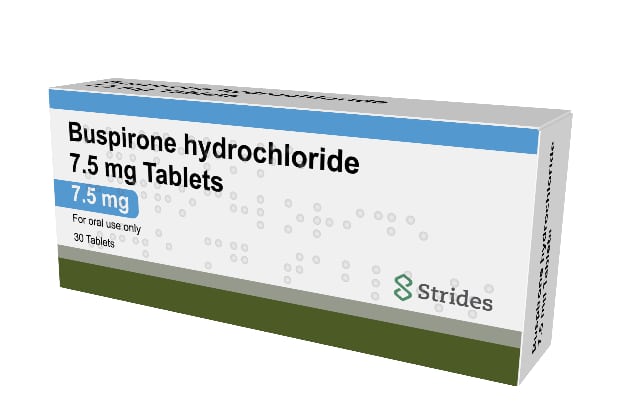
    Buspirone and bupropion are not interchangeable medicines. In a buspirone vs bupropion decision, buspirone is usually considered for chronic anxiety symptoms, while bupropion is used for depression, seasonal depression, and smoking cessation support. The right discussion starts with your main symptom pattern, medical history, side-effect concerns, and current medicines.

    This distinction matters because these drugs work through different brain systems. One is aimed at worry and tension. The other may help low mood, energy, motivation, and nicotine cravings. Neither choice should be made from a comparison chart alone.

    Key Takeaways

    • Different roles: Buspirone treats anxiety; bupropion targets depression and nicotine cravings.
    • Different mechanisms: Buspirone affects serotonin signaling; bupropion affects norepinephrine and dopamine.
    • Different cautions: Bupropion has seizure-related warnings; buspirone often causes dizziness or nausea.
    • Different timing: Both usually need steady use and follow-up, not one-time symptom relief.
    • Combination care: Clinicians may use them with other medicines when symptoms overlap.

    How Buspirone vs Bupropion Works in the Body

    Buspirone works mainly as a 5-HT1A receptor partial agonist, which means it influences a serotonin receptor involved in anxiety regulation. In plain language, it can reduce ongoing worry, inner tension, and restlessness without acting like a sedative. It is not designed for instant relief during a sudden panic episode.

    Bupropion is an antidepressant that affects norepinephrine and dopamine, two chemical messengers involved in alertness, reward, focus, and drive. It is often described as more activating than many serotonin-based antidepressants. That can be helpful for some people, but it may worsen insomnia or jitteriness in others.

    For deeper background on buspirone specifically, see Buspirone Uses. If you are learning the broader medication landscape, Anxiety Medication Basics explains common classes and next-step questions.

    Why it matters: Mechanism helps explain why one medicine may fit worry, while the other may fit low energy or cravings.

    Uses and Decision Factors Patients Often Ask About

    The simplest comparison is this: buspirone is an antianxiety medicine, and bupropion is an antidepressant with a smoking-cessation role. That does not mean every person with anxiety needs buspirone or every person with depression needs bupropion. It means the starting point differs.

    Buspirone is approved for anxiety disorders and is commonly discussed when generalized anxiety symptoms dominate. These may include persistent worry, muscle tension, irritability, and feeling keyed up. It may also be considered as an add-on when anxiety persists despite another treatment plan.

    Bupropion is approved for major depressive disorder and seasonal affective disorder. A sustained-release form is also used as part of smoking cessation treatment. Clinicians may consider it when depression includes fatigue, low motivation, poor concentration, or nicotine cravings. It is not usually chosen as a first-line calming medicine for acute anxiety.

    When people ask which is “better,” the safer answer is that they are better for different treatment goals. A person with nonstop worry but normal energy may have a different discussion than a person with low mood, morning inertia, and tobacco dependence. Your clinician will also consider blood pressure, seizure history, eating-disorder history, sleep, substance use, pregnancy considerations, and other prescriptions.

    If bupropion is part of your discussion, Bupropion Uses offers a patient-friendly primer. For a broader comparison of medicine examples, see Medications for Anxiety and Depression.

    How These Medicines Compare With Related Options

    Buspirone vs bupropion is only one comparison. Many patients also hear about SSRIs, benzodiazepines, or brand-name versions of bupropion. Understanding those categories can make your appointment more productive.

    Buspirone versus benzodiazepines

    Buspirone is not a benzodiazepine. It does not work like alprazolam or lorazepam, and it is not used for rapid sedation. Benzodiazepines can reduce acute anxiety quickly, but they carry risks such as sedation, impaired coordination, tolerance, and dependence. Buspirone is generally discussed for steady baseline anxiety rather than immediate rescue use.

    Questions such as “is buspirone a benzo” or “is buspirone a narcotic” are common and important. The answer to both is no. Buspirone is not an opioid, not a narcotic, and not a controlled substance in the way many sedatives are. Still, it is a prescription medicine and should be used only as directed by a licensed clinician.

    Buspirone versus SSRIs

    Buspirone and SSRIs, such as escitalopram, can both appear in anxiety treatment plans, but they are not the same type of medicine. SSRIs affect serotonin reuptake and are often used for depression and several anxiety disorders. Buspirone is narrower and is often discussed for generalized worry or as an add-on when anxiety remains.

    That context helps explain searches like buspirone vs Lexapro or why a doctor might prescribe buspirone with an SSRI. In some cases, clinicians combine medicines to target different symptom clusters. The key is to know what each medicine is supposed to improve and which side effects should be tracked.

    Bupropion, Wellbutrin, SR, and XL

    Bupropion is the generic medication name. Wellbutrin is a brand name used for some bupropion products. SR and XL refer to different release patterns, which can affect how the medicine is scheduled and tolerated. Your prescriber chooses a formulation based on clinical goals, sleep pattern, side effects, and safety factors.

    Bupropion is sometimes discussed off label for attention-related symptoms, but it is not the same as stimulant ADHD treatment. Any use outside labeled indications should be reviewed carefully with a clinician. If anxiety is prominent, it is also worth discussing whether activation, insomnia, or nervousness could become a problem.

    Readers exploring brand and generic terms may find Wellbutrin for Anxiety useful for context.

    Side Effects, Warnings, and When to Be Cautious

    The safety profiles are different enough that side effects should be part of the first conversation, not an afterthought. Bupropion side effects can include dry mouth, headache, insomnia, nausea, constipation, tremor, sweating, and feeling more anxious or activated. It can also raise blood pressure in some people.

    Bupropion has an important seizure warning. Risk can increase with higher exposure, certain medical histories, eating disorders, abrupt alcohol or sedative withdrawal, and some interacting medicines. Tell your prescriber about seizure history, bulimia or anorexia, heavy alcohol use, head injury, and all current prescriptions or supplements.

    Buspirone commonly causes dizziness, lightheadedness, nausea, headache, and nervousness. Some people notice these effects more when starting or when doses change. It can interact with certain medicines and substances, including some strong enzyme inhibitors and monoamine oxidase inhibitors. Grapefruit products may also matter for some buspirone users, so ask your pharmacist or prescriber about food and drug interactions.

    Seek urgent medical help for severe allergic symptoms, fainting, chest pain, seizure, severe confusion, suicidal thoughts, or sudden dangerous behavior changes. New or worsening mood symptoms should be taken seriously, especially early in treatment or after medication changes.

    Quick tip: Bring a current medicine list, including supplements, to every medication visit.

    Weight, Energy, Sleep, and Signs of Progress

    Weight and energy questions often drive interest in buspirone vs bupropion. Bupropion is generally considered less likely to cause weight gain than some antidepressants, and some people may lose weight. That does not make it a weight-loss medicine for everyone. Appetite, sleep, activity, mood, and smoking changes can all affect weight.

    Buspirone is usually considered weight neutral for many people. The question “does buspirone cause weight loss” does not have a simple universal answer. Some people report appetite or weight changes, but those experiences do not prove the medication caused them. Track changes over time and discuss patterns rather than relying on isolated online reviews.

    Signs bupropion is working may include better morning activation, more consistent motivation, improved concentration, less hopelessness, or fewer nicotine cravings when it is used for smoking cessation. Some people first notice side effects before benefits. Others notice sleep changes, appetite shifts, or less emotional slowing.

    Signs buspirone is helping may be quieter worry loops, fewer tension-driven physical symptoms, and less constant restlessness. Because buspirone does not act like a fast sedative, progress may feel subtle. Weekly notes can help you see whether anxiety is truly changing.

    Use a simple tracker with these items: mood, worry, sleep quality, energy, appetite, cravings, dizziness, headaches, and missed doses. Bring it to follow-up appointments. It gives your clinician better data than memory alone.

    Can Buspirone and Bupropion Be Used Together?

    Buspirone and bupropion together may be considered when anxiety and depression symptoms overlap, but the combination should be clinician-directed. The purpose should be clear. For example, one medicine might target chronic worry while the other targets depressive fatigue or smoking-related cravings.

    Combination therapy requires monitoring. Your clinician may ask about sleep, agitation, blood pressure, mood changes, headaches, dizziness, and other side effects. They may also check for interactions with antidepressants, stimulants, migraine medicines, sedatives, alcohol use, or other prescription drugs.

    Avoid making same-day changes on your own, such as stopping one medicine or adding leftover medication from a prior prescription. Sudden changes can confuse the picture and may increase risk. If you feel worse after a change, contact your prescriber promptly and describe what changed, when it changed, and what symptoms appeared.

    Practical Questions to Bring to Your Clinician

    A short question list can turn a rushed visit into a safer medication review. It also helps you avoid focusing only on one appealing feature, such as weight neutrality or fast symptom relief.

    • Primary target: Which symptom are we treating first?
    • Expected benefit: What change would count as meaningful?
    • Safety history: Do any conditions make this option risky?
    • Interaction check: Which medicines or supplements matter?
    • Monitoring plan: What should I track each week?
    • Sleep impact: Could this worsen insomnia or fatigue?
    • Next step: When should we reassess tolerability and fit?

    If access or medication review is part of your planning, BorderFreeHealth connects U.S. patients with licensed Canadian partner pharmacies for eligible prescription options. When required, prescription details are verified with the prescriber before a partner pharmacy dispenses medication. Product pages such as Buspirone and Bupropion XL can help you recognize names and formulations before discussing them with your clinician.

    Authoritative Sources

    For official prescribing details on buspirone, review the DailyMed buspirone labeling records. These labels summarize approved uses, warnings, interactions, and adverse reactions.

    For bupropion safety and labeling information, see the DailyMed bupropion labeling records. Label details vary by formulation, so match the exact product when reviewing risks.

    For patient-centered depression treatment context, the National Institute of Mental Health depression resource explains symptoms, treatment approaches, and when to seek help.

    Recap

    Buspirone and bupropion serve different clinical roles. Buspirone is mainly an anxiety-focused medicine. Bupropion is mainly an antidepressant and smoking-cessation aid. The best option depends on your symptoms, risks, current medicines, and treatment goals.

    Before changing any medication, write down what you want improved, what side effects you most want to avoid, and what medical history your prescriber should know. That preparation supports a safer and more useful shared decision.

    This content is for informational purposes only and is not a substitute for professional medical advice.

  • Lexapro vs Abilify: Differences That Matter in Care

    Lexapro vs Abilify: Differences That Matter in Care

    Lexapro vs Abilify is not a choice between two versions of the same medicine. Lexapro is an SSRI antidepressant often used for depression and anxiety, while Abilify is an atypical antipsychotic used for conditions such as schizophrenia, bipolar disorder, and sometimes as an add-on for depression. The right discussion starts with your diagnosis, target symptoms, past response, and side effect priorities.

    That distinction matters because these medicines affect different brain signaling pathways. They also need different monitoring. Lexapro may fit persistent worry, low mood, or rumination. Abilify may fit psychosis, mania, mood instability, or incomplete antidepressant response. Some people use both, but combination treatment deserves a clear plan and close follow-up.

    Key Takeaways

    • Different classes: Lexapro is an SSRI; Abilify is an atypical antipsychotic.
    • Different targets: Lexapro often treats depression and anxiety; Abilify has broader mood and psychosis uses.
    • Side effects differ: nausea and sexual effects are common SSRI concerns; akathisia and metabolic changes are key Abilify concerns.
    • Combination treatment: Lexapro and Abilify together may be considered after partial response, but monitoring becomes more important.
    • Decision focus: diagnosis, safety history, interactions, pregnancy plans, and daily tolerability should guide the conversation.

    Lexapro vs Abilify: The Core Clinical Difference

    Lexapro and Abilify differ most in drug class and treatment role. Lexapro is the brand name for escitalopram, a selective serotonin reuptake inhibitor. SSRIs increase serotonin availability by blocking its reuptake, which may help depressive and anxiety symptoms over time. If you want a deeper primer, see What Is Lexapro for background on how escitalopram fits into antidepressant care.

    Abilify is the brand name for aripiprazole. It is an atypical antipsychotic that acts partly on dopamine and serotonin receptors. Unlike older antipsychotics that mainly block dopamine receptors, aripiprazole is described as a partial agonist at some dopamine and serotonin sites. In plain language, it can dampen or support certain signals depending on the surrounding brain chemistry.

    These mechanisms shape expectations. Lexapro is usually discussed when anxiety, depression, panic-like symptoms, or persistent worry are central. Abilify is more often discussed when manic symptoms, psychotic symptoms, severe mood instability, or antidepressant augmentation are part of the plan. For plain-language context, What Is Abilify explains its class and common clinical uses.

    Why it matters: A medicine can be reasonable for one diagnosis and risky or unhelpful for another.

    How Uses Overlap and Where They Do Not

    Lexapro and Abilify can both appear in depression care, but usually in different positions. Lexapro may be used as a primary antidepressant. Abilify may be added when depressive symptoms improve only partly with an antidepressant, or when another diagnosis changes the treatment goal.

    Approved uses are not identical. Escitalopram is used for major depressive disorder and generalized anxiety disorder in many settings, with age ranges depending on the country and product label. Aripiprazole has labeled uses that may include schizophrenia, bipolar I disorder, adjunctive treatment for major depressive disorder in adults, irritability associated with autism, and Tourette-related tics, depending on the product and jurisdiction. For a broader use-focused explanation, see What Is Abilify Used For.

    In anxiety care, Lexapro is more directly aligned with common treatment pathways. Abilify is not usually a first-line anxiety medicine, although some clinicians may consider it when anxiety occurs with bipolar disorder, psychosis, severe agitation, or treatment-resistant depression. This is why the question, “Does Abilify help with anxiety?” needs context. It may help some anxiety-like symptoms when they are tied to another condition, but it can also cause restlessness in some people.

    In bipolar disorder, extra caution is needed with antidepressants. An SSRI can sometimes worsen activation or contribute to mood switching in susceptible people. Abilify may play a larger role in bipolar treatment, especially when manic or mixed symptoms are present. These decisions should be individualized rather than based on a simple medication comparison.

    Side Effects That Often Drive the Decision

    Side effects are often the practical difference patients feel first. Lexapro side effects commonly include nausea, headache, sleep changes, sweating, sexual dysfunction, dry mouth, and early jitteriness. Some effects ease after the first days or weeks, while others can persist. If side effects are intense, sudden, or hard to tolerate, contact your prescriber rather than adjusting the medicine alone.

    Abilify side effects often raise different concerns. People may notice akathisia, which is an uncomfortable inner restlessness that can feel hard to sit through. Other possible effects include sleep changes, nausea, headache, stiffness, tremor, body aches, or changes in appetite and weight. Antipsychotics can also affect blood sugar and cholesterol, so monitoring may include weight, glucose, and lipid checks.

    Sexual side effects can happen with both medicines, though they are often discussed more with SSRIs. Lexapro may reduce libido, delay orgasm, or affect arousal. Abilify can have variable sexual effects, and some people notice changes when it is added to an antidepressant. These concerns are medical, not embarrassing. Naming them early gives your clinician more options.

    Women may have additional planning needs. Pregnancy intentions, breastfeeding, menstrual changes, migraine history, thyroid disease, and perimenopause symptoms can all complicate side effect tracking. Reported Abilify side effects in females can include restlessness, sleep disruption, and metabolic changes, while Lexapro side effects in women may include nausea or sexual dysfunction. Individual response varies more than averages suggest.

    For practical warning signs and coping questions, see Abilify Side Effects. Use it as a discussion aid, not as a substitute for care.

    What to Expect in the First Weeks

    The first few weeks are often about tolerability, routine, and early symptom tracking. Lexapro side effects first week can include stomach upset, sleep changes, headache, fatigue, or a wired feeling. Some people worry when they feel worse before they feel better. That concern deserves a call to the prescribing clinician, especially if mood, agitation, or suicidal thoughts change.

    The best time to take Lexapro for anxiety depends on how it affects you. Morning dosing may suit people who feel alert or have insomnia. Evening dosing may suit people who feel sleepy. Consistency matters more than the exact hour for many patients, but timing should be adjusted with professional guidance when side effects interfere with life.

    Missing a dose can also feel unsettling. Missing a dose of Lexapro side effects may include return of anxiety, dizziness, irritability, nausea, or “electric shock” sensations in some people, especially with repeated missed doses. The safest next step is to ask a pharmacist or prescriber what to do based on your timing, dose, and other medicines.

    Starting Abilify can bring its own early pattern. Restlessness, insomnia, sleepiness, nausea, or movement symptoms may appear early. Because akathisia can be distressing and can overlap with anxiety, it is worth describing the sensation clearly: whether it feels like worry, agitation, pacing, or a physical inability to sit still.

    When the Two Medicines Are Used Together

    Lexapro vs Abilify becomes more nuanced when they are combined. In major depression, aripiprazole may be used as augmentation, meaning it is added to an antidepressant after response remains incomplete. The goal is not simply “stronger treatment.” It is a different mechanism added for a specific clinical reason.

    Combination treatment can also increase the number of things to monitor. Clinicians may ask about sleep, agitation, weight, appetite, sexual function, movement symptoms, and mood changes. Lab monitoring may be considered for metabolic risk with antipsychotic therapy. People with diabetes risk, high cholesterol, or a family history of metabolic disease should mention that history clearly.

    Reviews and online experiences can be emotionally reassuring, but they are not reliable predictors. Lexapro and Abilify combo reviews often reflect individual diagnoses, doses, other medicines, and life stressors that may not match your situation. Use personal stories to form questions, not to decide whether a regimen is safe for you.

    Quick tip: Bring a one-page symptom log to appointments after any medication change.

    Switching, Alternatives, and Related Comparisons

    Switching from Lexapro to Abilify is not a simple swap, because the medicines treat different symptom clusters. A clinician may consider tapering, overlap, or a new diagnosis-focused plan depending on why the change is happening. Stopping an SSRI suddenly can cause discontinuation symptoms, while starting aripiprazole can introduce restlessness or sleep effects.

    Comparisons within the SSRI class are different. Lexapro vs Zoloft, or Lexapro vs Zoloft vs Prozac, focuses on antidepressants with overlapping serotonin effects. Differences may involve activation, gastrointestinal symptoms, drug interactions, half-life, sexual side effects, and personal response. These are closer “same class” comparisons than Lexapro vs Abilify.

    Wellbutrin for anxiety is another common question, but it belongs to a different antidepressant class. Bupropion may help depression for some people, yet it can feel activating and may not be ideal for every anxiety presentation. The better question is not which medication is “best,” but which symptom target, safety profile, and diagnosis fit the person being treated.

    For people comparing add-on strategies in depression care, Antidepressants With Abilify covers related decision points. If you are browsing broader educational topics, the Mental Health collection can help you keep class names and treatment roles organized.

    Safety Questions to Raise Before Deciding

    A safe comparison should include medical history, not only symptom goals. Tell your clinician about bipolar disorder, seizures, heart rhythm concerns, liver or kidney disease, diabetes risk, high cholesterol, pregnancy plans, breastfeeding, and prior reactions to psychiatric medicines. Also list alcohol, cannabis, supplements, and over-the-counter products.

    Lexapro can interact with medicines that increase serotonin, such as MAOIs, linezolid, some migraine medicines, and other serotonergic drugs. It may also affect bleeding risk when combined with certain blood thinners or anti-inflammatory medicines. Abilify levels can change when combined with strong CYP2D6 or CYP3A4 inhibitors or inducers, which can affect tolerability.

    Both medicines have serious warning categories. Antidepressants carry warnings about increased suicidal thoughts and behaviors in younger people, especially early in treatment or after dose changes. Antipsychotics carry warnings about use in older adults with dementia-related psychosis, plus risks such as metabolic changes and movement disorders. Seek urgent help for suicidal thoughts, severe agitation, allergic reaction signs, fainting, chest pain, high fever with stiffness, or uncontrollable movements.

    If access or continuity is part of your planning, use neutral information sources. BorderFreeHealth connects U.S. patients with licensed Canadian partner pharmacies, and prescription details may be verified with the prescriber when required before dispensing. Product pages such as Cipralex Lexapro and Abilify can help you identify medication names and formulations to discuss with a clinician, but they should not replace medical guidance.

    How to Prepare for a Medication Visit

    Preparation makes the Lexapro vs Abilify conversation more useful. Bring a clear description of what you want treated: low mood, panic, worry, intrusive thoughts, voices, paranoia, irritability, mania, sleep disruption, or low motivation. Those details help separate anxiety, depression, bipolar symptoms, trauma responses, and psychosis-related concerns.

    • Symptom target: Name the top two problems.
    • Past response: List medicines that helped or harmed.
    • Side effect priorities: Include sexual, sleep, and weight concerns.
    • Medical history: Mention diabetes, heart, seizure, or pregnancy factors.
    • Interaction check: Bring all medicines and supplements.
    • Follow-up plan: Ask what changes require urgent contact.

    Ask how success will be measured. Some plans focus on fewer panic episodes. Others focus on stable sleep, reduced hallucinations, less impulsivity, or improved daily functioning. A shared target helps you avoid staying on a medicine that is tolerable but not useful, or stopping one before the plan has been fairly assessed.

    Authoritative Sources

    For official escitalopram labeling, review the DailyMed escitalopram label listings, which summarize indications, warnings, interactions, and adverse reactions.

    For aripiprazole labeling details, see the DailyMed aripiprazole label listings, including boxed warnings and monitoring considerations.

    For patient-friendly mental health background, the National Institute of Mental Health medication resource explains major psychiatric medication classes and safety topics.

    Recap

    Lexapro vs Abilify is mainly a comparison between an SSRI antidepressant and an atypical antipsychotic. They can overlap in depression care, especially when Abilify is used as an add-on, but they are not interchangeable. The best discussion covers diagnosis, target symptoms, side effects, interactions, monitoring, and what to do if symptoms worsen.

    Use this comparison to prepare better questions. Bring your symptom history, side effect concerns, and medication list to the clinician or pharmacist who knows your case. That conversation is where the safest plan takes shape.

    This content is for informational purposes only and is not a substitute for professional medical advice.
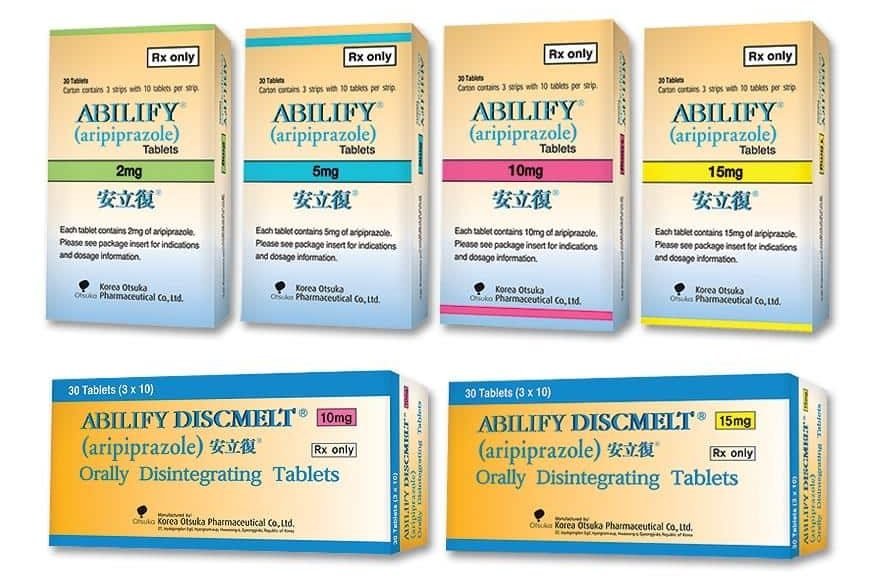
  • Best Antidepressants With Abilify: How Clinicians Decide

    Best Antidepressants With Abilify: How Clinicians Decide

    Questions about the best antidepressants with Abilify usually come up when one medication has helped, but not enough. The short answer is that there is no single best pairing for everyone. Abilify, the brand name for aripiprazole, is often used as augmentation, meaning an add-on medicine meant to strengthen an antidepressant response. Common partners include SSRIs, SNRIs, bupropion, and sometimes mirtazapine. The right match depends on symptom pattern, past response, side effects, and interaction risk. Why this matters is simple: a combination that helps one person may feel activating, sedating, or hard to tolerate for someone else.

    Key Takeaways

    • There is no universal best combination; the choice depends on symptoms, history, and tolerability.
    • SSRIs and SNRIs are common add-on partners, while bupropion and mirtazapine may also be considered.
    • Interaction review matters because some medicines can change aripiprazole levels or add side effects.
    • Restlessness, sleep changes, appetite changes, and movement symptoms deserve careful follow-up.
    • Online reviews can be misleading; combination therapy should be individualized and clinician-guided.

    BorderFreeHealth serves U.S. patients through licensed Canadian partner pharmacies.

    Why Aripiprazole Is Added Instead of Swapped

    Aripiprazole is usually added when an antidepressant has produced a partial response, but depression symptoms still interfere with daily life. In plain language, that means mood may be somewhat better, yet concentration, motivation, sleep, anxiety, or hopelessness still feel stuck. Instead of starting over with a completely different antidepressant, a clinician may consider add-on treatment to see whether the existing response can be strengthened.

    This is not the first step for most people with depression. It is one option within a broader treatment plan that may also include switching antidepressants, psychotherapy, sleep and substance-use review, or evaluation for other conditions that can affect mood. If you want broader background on depression itself, What Causes Depression offers a helpful starting point, and the Mental Health Hub groups related education in one place.

    Why it matters: A partial response does not always mean the first medicine failed.

    That is also why the best antidepressants with Abilify are not the same for every person. There is no recognized miracle antidepressant and no single combination that works best across the board. A clinician is usually trying to answer a more practical question: which remaining symptoms matter most, and which option is least likely to create new problems? For some people, that points toward an SSRI. For others, bupropion or mirtazapine may make more sense. The goal is fit, not popularity.

    Common Antidepressants With Abilify

    The combinations most often discussed pair aripiprazole with an SSRI, an SNRI, bupropion, or mirtazapine. These are broad categories, not a ranking.

    Medication group Examples often discussed Why it may be considered What clinicians review closely
    SSRIs Sertraline, fluoxetine, escitalopram Common antidepressant class with broad use in depression, especially when anxiety symptoms also matter Sexual side effects, nausea, sleep changes, and interaction potential with some agents
    SNRIs Venlafaxine, duloxetine May be considered after inadequate response to another antidepressant or when pain symptoms overlap Activation, sweating, blood pressure effects with some agents, and discontinuation sensitivity
    Bupropion Bupropion SR, bupropion XL, Wellbutrin XL Often discussed when low energy, low motivation, or sexual side effects are important concerns Anxiety, insomnia, seizure-risk factors, and interaction review
    Mirtazapine Mirtazapine May be considered when poor sleep or low appetite are part of the picture Sedation, appetite increase, and weight change

    SSRIs are among the most familiar pairings. Sertraline, fluoxetine, and escitalopram are common examples because they are widely used for major depressive disorder and often remain the foundation medicine when aripiprazole is added. If depression comes with anxious rumination, panic symptoms, or persistent worry, an SSRI may still be the anchor medication while augmentation is considered. That said, tolerability matters. Sexual side effects, gastrointestinal symptoms, and sleep disruption can influence whether an SSRI remains the best fit.

    SNRIs, such as venlafaxine, may enter the discussion when a prior SSRI did not help enough or when depression overlaps with physical pain symptoms. Some people find SNRIs more activating. Others do not. What matters is the total pattern: energy, anxiety, blood pressure history, and what happened during earlier medication trials. Again, there is no single best SNRI to combine with aripiprazole.

    Bupropion is a frequent point of interest because it works differently from SSRIs and SNRIs. It may come up when fatigue, low drive, or sexual side effects are major concerns. But it is not automatically the right answer. It can feel too activating for some people, especially when anxiety or insomnia is already a problem. If bupropion is part of the conversation, our pages on Bupropion XL and Bupropion Side Effects explain common trade-offs in plain language.

    Weight and sexual side effects often shape these decisions too. For added context, Antidepressants and Weight Loss reviews one common area of concern, while Wellbutrin and Sexual Side Effects explores another. If you want a broader look at how that medicine fits within depression care, Where Wellbutrin Fits is useful background.

    Mirtazapine is less often described as the ‘best’ add-on partner, but it can be clinically relevant when poor sleep, reduced appetite, or significant weight loss are central problems. The trade-off is that it may be more sedating and may increase appetite. That makes it a better fit for some people and a poor fit for others. Common antidepressants with Abilify usually come from these familiar groups, but the right choice still depends on the individual.

    What Makes One Combination a Better Fit

    Clinicians usually choose the antidepressant partner by matching the remaining symptoms and the side-effect burden. That sounds simple, but it pulls together several moving parts at once.

    Symptom pattern and prior response

    If persistent symptoms are low energy, slowed thinking, and poor motivation, one medication may look more attractive than another. If the bigger problem is anxious distress, panic, or intrusive worry, a different option may make more sense. When insomnia and appetite loss dominate, that points in yet another direction. Past response matters just as much. A medicine that once helped and was tolerated reasonably well often gets more attention than one that caused major side effects or never worked at all.

    This is also where online talk about Prozac and Abilify, Zoloft and Abilify, or Wellbutrin and Abilify can become misleading. Those names stand in for very different clinical situations. One person may have residual anxiety. Another may be struggling with sexual side effects. Someone else may have fatigue, chronic pain, or trouble eating. The better question is not which combination gets the most mentions online. It is which combination fits the actual problem being treated.

    Interaction and risk review

    Interaction screening is one of the biggest reasons these decisions should stay clinician-guided. Aripiprazole is processed through CYP2D6 and CYP3A4, two liver enzyme pathways. Some antidepressants can affect those pathways and change how much aripiprazole circulates in the body. Fluoxetine is a well-known example that often prompts closer review. That does not mean the combination cannot be used. It means the choice needs a careful medication check that includes prescriptions, over-the-counter drugs, supplements, alcohol use, and other health conditions.

    Other risks matter too. Bupropion may not be the best fit when seizure-risk factors are present. SNRIs may deserve added attention when blood pressure is a concern. Any antidepressant plan should also take a careful history of past mania or hypomania, since periods of unusually high energy, reduced need for sleep, or impulsive behavior can change the whole treatment picture. When needed, prescription details are confirmed with the prescriber before a pharmacy dispenses medication.

    In other words, the combination is not chosen by category alone. It is chosen by the full picture: symptom target, prior trials, medical history, side effects, and interaction burden.

    Safety and Side Effects to Watch

    The key question is not only whether a combination can help, but what new problems it may add. Augmentation can improve depressive symptoms for some people, yet it can also introduce side effects that were not present before.

    One of the better-known issues with aripiprazole is akathisia, an inner restlessness that can feel like being unable to sit still. Some people describe it as agitation in the body rather than the mind. Sleep can shift in either direction. Appetite can change. Nausea, headache, dizziness, and fatigue may also show up. Because these combinations layer one medicine onto another, the side-effect profile can become harder to sort out. A symptom might come from the antidepressant, the add-on drug, or the interaction between both.

    Longer-term monitoring matters as well. Weight change, metabolic concerns, sexual side effects, and movement symptoms should not be brushed aside just because mood has improved. For broader reading, Long-Term Antidepressant Side Effects looks at ongoing trade-offs, and Managing Side Effects covers practical tracking ideas. If bupropion is one of the options being compared, Wellbutrin and Weight Changes may also help frame that part of the discussion.

    When to seek prompt or urgent care

    Urgent assessment is appropriate for severe restlessness, suicidal thoughts, fainting, a widespread rash, trouble breathing, fever with muscle stiffness or confusion, or new uncontrolled movements. Prompt medical review also matters if agitation escalates quickly, sleep drops sharply, or behavior becomes unusually impulsive or risky. Those problems do not automatically mean the medication caused them, but they should not be ignored.

    Quick tip: Keep a short symptom log after medication changes to track sleep, appetite, restlessness, and mood.

    Questions To Bring to a Medication Review

    If you are researching the best antidepressants with Abilify, the most useful next step is a focused medication review, not a ranked list from the internet. Bringing the right questions can make that visit more productive.

    • Main target symptom — low mood, anxiety, energy, sleep, or concentration
    • Past medication response — what helped, what did not, and why it stopped
    • Current medication list — prescriptions, supplements, and over-the-counter products
    • Side-effect priorities — weight, sexual effects, nausea, insomnia, or restlessness
    • Health history factors — seizure risks, blood pressure concerns, or bipolar symptoms
    • Monitoring plan — what to watch and when to check back in
    • Escalation plan — which symptoms need prompt or urgent medical attention

    This kind of preparation helps a clinician compare options without reducing the conversation to brand names alone. It also makes room for practical concerns, such as work schedule, sleep pattern, and side effects you would most want to avoid. For browsing related medicines people may already be comparing, the Mental Health Product Hub can help organize the landscape without turning the decision into a popularity contest.

    Cash-pay cross-border options may be available for eligible patients without insurance, depending on jurisdiction.

    Authoritative Sources

    Further reading: in practice, the best antidepressants with Abilify are chosen by fit, not by trend. SSRIs, SNRIs, bupropion, and mirtazapine are all common discussion points, but the safer and more useful choice depends on the whole clinical picture.

    This content is for informational purposes only and is not a substitute for professional medical advice.
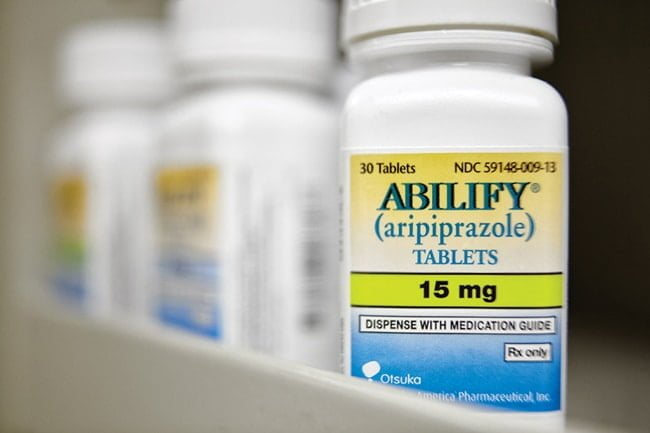
  • Abilify Side Effects Sexually: Risks, Patterns, and Next Steps

    Abilify Side Effects Sexually: Risks, Patterns, and Next Steps

    Abilify can affect sexual function, but the direction is not the same for everyone. Some people notice lower desire, erection or lubrication problems, delayed orgasm, or less pleasure. Others report increased libido or urges that feel unusual. If you are searching for abilify side effects sexually, the key point is this: changes are possible, often multifactorial, and worth discussing early rather than silently tolerating them.

    Aripiprazole is used for several mental health conditions, and symptom control matters. Sexual well-being matters too. A balanced plan looks at the medication, the condition being treated, other medicines, sleep, hormones, relationships, and safety signals.

    Key Takeaways

    • Sexual effects vary: desire, arousal, erection, lubrication, orgasm, or urges may change.
    • Both lower and higher libido can occur, though severe impulse-control symptoms are uncommon.
    • Other causes matter: depression, anxiety, SSRIs, sleep problems, alcohol, hormones, and vascular health can contribute.
    • Do not stop suddenly: abrupt changes can worsen symptoms or cause withdrawal-like effects.
    • Track patterns: a short symptom log helps your prescriber adjust the plan safely.

    How Aripiprazole Can Affect Sexual Function

    Aripiprazole can influence sexual function because it acts on dopamine and serotonin pathways. Dopamine helps regulate motivation, reward, movement, and sexual drive. Serotonin affects mood, anxiety, arousal, and orgasm. Because aripiprazole is a dopamine D2 partial agonist, it can behave differently from many older antipsychotics.

    Why this matters: sexual changes may come from the medicine, the condition being treated, or both. Depression can lower libido. Mania or mixed mood states can increase risk-taking. Anxiety can interfere with arousal and orgasm. Psychosis, trauma, relationship stress, and body image can also shape sexual response.

    Some people experience sexual improvement after starting aripiprazole, especially if mood, intrusive thoughts, or prolactin-related effects from another medicine improve. Others experience new problems. For a broader orientation to indications and treatment context, see What Is Abilify Used For.

    Clinicians often consider the whole medication list. Selective serotonin reuptake inhibitors, serotonin-norepinephrine reuptake inhibitors, some blood pressure medicines, sedatives, opioids, alcohol, and recreational substances can affect sexual function. So can medical issues such as diabetes, thyroid disease, pelvic pain, menopause, low testosterone, cardiovascular disease, and sleep apnea.

    Abilify Side Effects Sexually: Common Patterns to Watch

    Abilify side effects sexually can show up as changes in desire, arousal, performance, orgasm, or sexual decision-making. These categories overlap. For example, poor sleep can lower desire and also make erection quality or lubrication worse.

    Low libido is one common concern. You may notice fewer sexual thoughts, less interest in initiating sex, or reduced response to touch. Some people also describe emotional blunting, fatigue, or restlessness that makes intimacy feel harder. These experiences can be distressing, even when the medication helps mood or psychosis symptoms.

    Arousal changes may include erectile difficulty, reduced genital sensation, less lubrication, or difficulty staying engaged. Orgasm changes may include delayed orgasm, weaker orgasm, or trouble reaching orgasm. These symptoms are not always caused by aripiprazole alone, so a careful review helps avoid the wrong conclusion.

    Increased libido can also happen. The important distinction is whether the change feels welcome, manageable, and consistent with your values. A rise in sexual interest is different from compulsive urges, risky choices, or behavior that feels out of character.

    Quick tip: Note what changed, when it started, and whether it affects desire, arousal, orgasm, comfort, or urges.

    Hypersexuality and Impulse-Control Warning Signs

    Hypersexuality with aripiprazole appears uncommon, but it is important because it can harm relationships, finances, safety, and mental health. Reports have described compulsive gambling, shopping, eating, and sexual urges in some people taking aripiprazole. These behaviors may improve after the prescriber changes the plan, but medication changes should not be made without medical guidance.

    Watch for a sudden increase in sexual thoughts, pornography use, dating-app use, spending, secrecy, risky encounters, or distressing urges. The concern is stronger when the behavior feels new, hard to control, or inconsistent with your usual choices. Loved ones may notice changes before the person taking the medicine does.

    Several factors can complicate the picture. Bipolar mood elevation can increase sexual risk-taking. Substance use can lower inhibition. Prior impulse-control problems may increase vulnerability. Higher stress, poor sleep, and medication interactions can also make behavior harder to judge.

    If sexual urges feel urgent, risky, or out of character, contact your prescriber promptly. If there is immediate danger, coercion, severe mania, psychosis, suicidal thoughts, or unsafe behavior, seek urgent care or emergency help.

    Differences by Sex, Hormones, and Life Stage

    Sexual side effects can look different across bodies and life stages. In females, aripiprazole side effects may involve libido, arousal, lubrication, orgasm, menstrual patterns, or pelvic comfort. Estrogen changes during postpartum recovery, perimenopause, and menopause can also affect desire and pain with sex.

    Vaginal dryness or painful intercourse may not be a medication side effect. It can reflect genitourinary syndrome of menopause, pelvic floor tension, infections, dermatologic conditions, or trauma-related pain. If discomfort appears, a clinician can help separate medication effects from gynecologic or pelvic causes. You can also browse related education through the Sexual Health category.

    In males, sexual changes may involve erections, ejaculation timing, orgasm intensity, desire, or confidence. Aripiprazole erectile dysfunction is reported by some people, but it can also stem from depression, anxiety, nicotine, alcohol, cardiovascular disease, diabetes, low testosterone, or sleep apnea. Morning erections, medication timing, and changes in mood can provide useful clues.

    Hormones deserve careful handling. Searches about Abilify and testosterone are common, but sexual symptoms do not automatically mean testosterone is low. A clinician may consider testing when symptoms, age, medical history, and exam findings support it. Testing without context can lead to confusing results and unnecessary treatment.

    First Week, Long-Term Use, and Timing Questions

    Early side effects can indirectly affect sex because the body is adjusting. In the first week, some people notice restlessness, insomnia, nausea, sleepiness, headache, or appetite changes. Restlessness, also called akathisia (an inner sense of agitation), can make intimacy difficult and should be reported if it feels severe.

    People often ask how long until side effects go away. The answer varies. Some early effects ease as the body adapts, while others persist or appear later. Dose, other medicines, caffeine, alcohol, sleep quality, and the condition being treated all matter. Avoid setting a private deadline without involving your prescriber, especially if symptoms are intense.

    Long-term sexual changes deserve the same attention as early ones. Weight change, metabolic health, relationship stress, body image, and emotional flattening can affect intimacy over time. For a broader review of tolerability and monitoring topics, see Abilify Side Effects Explained.

    Morning or Evening Dosing

    Some people take aripiprazole in the morning because it feels activating. Others take it later because it feels sedating. The better timing depends on your response and your prescriber’s instructions. If insomnia, daytime sleepiness, or sexual timing is a concern, ask whether a consistent timing change is reasonable.

    Do not switch back and forth frequently. Consistency helps you interpret changes. Track dose time, sleep, libido, arousal, orgasm, restlessness, and mood for one to two weeks after any prescriber-approved timing change.

    Medication Interactions and Sexual Health Supports

    Medication interactions can affect both sexual function and safety. Aripiprazole is processed through liver enzyme pathways that some medicines can inhibit or induce. This may change aripiprazole exposure. Other drugs can increase sedation, dizziness, movement symptoms, or sexual dysfunction. Ask your clinician or pharmacist to review prescription medicines, over-the-counter products, supplements, alcohol, and cannabis.

    People also ask about Abilify and Viagra or Abilify and Cialis. Erectile dysfunction medicines may be appropriate for some people, but they are not safe for everyone. Heart disease, chest pain medicines such as nitrates, blood pressure concerns, and other health factors require clinician review. Sexual aids, lubricants, pelvic floor therapy, couples therapy, and anxiety treatment may also help, depending on the cause.

    Post-SSRI sexual dysfunction, often shortened to PSSD, can complicate the picture. Some people notice persistent sexual symptoms after antidepressant exposure. Others develop symptoms while taking antidepressants along with aripiprazole. Because causes can overlap, a medication timeline is more useful than guessing from one symptom.

    If you are comparing mental health medicines or trying to understand where aripiprazole fits, the Mental Health category can help you find related education. If you need medication-specific context, What Is Abilify gives a plain-language overview.

    What to Discuss With Your Prescriber

    A focused conversation works better than a vague report of “sexual problems.” Describe the symptom, timing, severity, and impact. Mention whether the change affects desire, arousal, erection, lubrication, orgasm, pain, or urges. Include mood changes, sleep changes, restlessness, and new risk-taking.

    • Symptom start: note the date and whether it followed a dose or medication change.
    • Pattern details: track morning, evening, partner-related, and solo sexual response.
    • Other medicines: include antidepressants, sedatives, blood pressure drugs, supplements, and substances.
    • Safety signals: report compulsive urges, risky sex, severe restlessness, mania, or suicidal thoughts.
    • Personal goals: explain whether your priority is desire, comfort, erection quality, orgasm, or impulse control.
    • Medical factors: ask about sleep apnea, diabetes, thyroid disease, hormones, or pelvic pain when relevant.

    Your prescriber may consider several options. These can include waiting with monitoring, addressing sleep or anxiety, adjusting timing, changing another medicine, evaluating medical causes, or changing the regimen. The right choice depends on why aripiprazole was prescribed and how well it is working.

    Do not stop aripiprazole suddenly unless a clinician tells you to do so. Abrupt stopping can lead to symptom return or withdrawal-like effects for some people. If discontinuation is being considered, the plan should be individualized. For general education about stopping-related concerns, see Abilify Withdrawal Strategies.

    Some readers arrive after searching phrases such as “Abilify ruined my life” or browsing Reddit threads about sexual side effects. Those stories can validate distress, but they cannot predict your outcome. Bring your concerns to a clinician who can review your diagnosis, dose, timeline, and alternatives.

    Where Access and Product Information Fit

    This article is educational and cannot determine whether aripiprazole is right for you. If you are reviewing medication names with your clinician, product pages can help you identify brand and generic terms. BorderFreeHealth connects U.S. patients with licensed Canadian partner pharmacies, and prescription details are verified with the prescriber when required before pharmacy dispensing.

    For medication-name context only, you can review Abilify and Aripiprazole. Keep any access questions separate from clinical decisions about side effects, dose changes, or stopping treatment.

    Authoritative Sources

    For official prescribing details, adverse reactions, warnings, and interaction information, review the FDA prescribing information for aripiprazole.

    For a clinical summary of aripiprazole pharmacology and monitoring considerations, see the StatPearls aripiprazole monograph.

    For published case-based discussion of hypersexuality reports, see this peer-reviewed case report in PMC.

    Recap and Next Steps

    Abilify side effects sexually are real for some people, but they are not uniform. The same medication may reduce sexual function, improve it indirectly, or rarely contribute to compulsive sexual urges. The safest next step is a clear symptom timeline and an honest prescriber discussion.

    Bring notes on sleep, mood, dose timing, sexual symptoms, other medicines, and any urge-driven behavior. That record helps your care team weigh benefits, risks, and alternatives without guessing.

    This content is for informational purposes only and is not a substitute for professional medical advice.

  • Does Abilify Give You Energy? Activation, Restlessness, and Fatigue

    Does Abilify Give You Energy? Activation, Restlessness, and Fatigue

    Does Abilify give you energy? Sometimes it may feel that way, but usually not because it acts like a stimulant. Some people notice less mental slowing, better motivation, or more alertness after starting aripiprazole. Others feel sleepy, tired, restless, or unable to settle. That difference matters because a change in energy can reflect symptom relief, insomnia, or akathisia (an inner sense of motor restlessness), and those situations are not managed the same way.

    Abilify is the brand name for aripiprazole, an atypical antipsychotic used in several mental health conditions. It affects dopamine and serotonin signaling in a way that can feel activating for some people and sedating for others. Your diagnosis, sleep, other medicines, and baseline symptoms all shape the experience. For broader background, see What Is Abilify and What Is Abilify Used For.

    Key Takeaways

    • Abilify is not a stimulant, but some people feel more alert while others feel sleepy or drained.
    • What seems like more energy may actually be symptom relief, insomnia, or akathisia.
    • Day-to-day effects depend on the condition being treated, sleep, other medicines, and individual response.
    • Tracking restlessness, mood, and sleep patterns can help clarify whether a change feels helpful or disruptive.

    Does Abilify Give You Energy or Cause Fatigue?

    Abilify can land on either side of the energy question. It is not prescribed as an energy booster, yet some people do report feeling more activated. Others report fatigue, daytime sleepiness, or emotional flattening. The key is to separate a helpful return of normal energy from side effects that only imitate it.

    When people say a medicine gives them energy, they may mean very different things. One person means they can get out of bed and focus again. Another means they cannot sit still. Another means they are sleeping less. Another feels heavy and drowsy. That is why the answer to does Abilify give you energy depends on what the change actually feels like and what else is happening around it.

    If you want the wider side-effect picture, Abilify Side Effects Explained gives useful context beyond sleep and energy alone.

    BorderFreeHealth works with licensed Canadian partner pharmacies for U.S. patients.

    Why Activation and Fatigue Can Both Happen

    Aripiprazole can push the daily experience in different directions because it modulates dopamine and serotonin signaling rather than simply turning brain activity up or down. Dopamine helps shape reward, motivation, and movement, so small shifts can feel very noticeable. That helps explain why one person feels steadier and another feels keyed up or worn out.

    For some people, the medicine eases symptoms that were already draining energy. Depression can cause slowed thinking, low motivation, poor concentration, and physical fatigue. If those symptoms lift, you may feel more like yourself again. That can feel energizing, even though the medicine is not working like a stimulant.

    Activation Can Be Misread as Energy

    Activation is a real reason some people describe aripiprazole as energizing. It can show up as nervous energy, restlessness, pacing, or feeling unable to sit comfortably. A specific term here is akathisia, which means a distressing inner urge to move. People often confuse that with healthy motivation at first, but it usually feels uncomfortable rather than calm or productive.

    Sleep Changes Can Reverse the Picture

    Sleep can complicate the story. Some people develop insomnia or lighter sleep. That may create a brief sense of being switched on, followed by next-day exhaustion. Others feel sedated or sleepy from the start. In both cases, the issue is not a simple energy boost. It is a change in arousal and sleep-wake rhythm.

    Pattern How it may feel Why it matters
    Symptom relief Less heaviness, better focus, more normal drive May reflect improvement in the underlying condition
    Activation or akathisia Pacing, inner tension, inability to sit still Can be mistaken for extra energy but may need prompt review
    Insomnia More awake at night, then tired the next day Sleep loss can blur whether the medicine feels activating or exhausting
    Drowsiness or fatigue Sleepiness, slowed thinking, daytime naps May interfere with work, driving, or daily tasks

    Why it matters: Restlessness can look like improved energy, but the next conversation may be very different.

    When Feeling Better Is Not the Same as Feeling Good

    Some people ask why Abilify makes them feel good. Often, the simplest explanation is relief. If low mood, irritability, intrusive thoughts, or agitation ease, you may feel lighter, calmer, or more able to function. That is very different from a drug-induced high.

    It also helps to remember that the condition being treated strongly affects energy. If depression is part of the picture, the starting point may already include exhaustion, slowed thinking, or loss of interest. Resources on Depression Symptoms, What Causes Depression, and Anxiety And Depression Medicines can help separate illness effects from medication effects.

    A helpful response usually feels steadier over time. A concerning shift often feels more extreme. Marked agitation, racing thoughts, much less need for sleep, impulsive behavior, or intense mood elevation should not be brushed aside. The same is true for new suicidal thoughts, severe anxiety, or a sudden change that feels out of character. Those changes deserve timely medical review, and urgent symptoms deserve urgent help.

    When required, prescription details are confirmed with the prescriber before dispensing.

    What Shapes the Day-to-Day Experience

    The day-to-day experience depends on more than the medication alone. The biggest factors are your baseline symptoms, what other medicines you take, how well you sleep, and how sensitive you are to activation or sedation. Two people can take the same medicine for different reasons and report opposite effects.

    • Starting point matters: returning from depression-related slowing can feel like energy.
    • Other medicines matter: some combinations can feel more sedating or more activating.
    • Sleep matters: a restless night can imitate extra drive at first.
    • Daily habits matter: caffeine, alcohol, and other substances can blur the picture.
    • Recent changes matter: new starts or adjustments often feel different from long-term use.

    Example: a person whose main problem was severe depressive slowing may notice a more normal morning routine and better concentration. They may call that energy, but what changed is function. Example: another person may sleep less, feel revved up, and pace around the house. That also sounds like energy, yet it points more toward activation or sleep disruption.

    Abilify is also sometimes used alongside antidepressants, which can complicate how the experience gets labeled. If you are trying to sort out the role of different medicines in a treatment plan, Lexapro Vs Abilify offers one example of how people compare them.

    What to Track and When to Reach Out

    The most useful next step is to track the pattern instead of guessing. A simple note on your phone can be enough. What matters is whether the change feels calm and functional, or agitated and disruptive, and whether it is getting better, worse, or staying stuck.

    • Sleep pattern: bedtime, wake time, and night waking
    • Daytime alertness: sleepy, steady, or wired
    • Restlessness: pacing, leg movement, inability to sit still
    • Mood shifts: calmer, brighter, irritable, or unusually elevated
    • Function: work, school, focus, and daily tasks
    • Context: caffeine, alcohol, and any other medicines taken that day

    Quick tip: Bring a few days of notes to your next visit instead of relying on memory.

    Reach out sooner if sleep loss becomes significant, restlessness feels unbearable, anxiety sharply worsens, or the change affects safety. Seek urgent care for self-harm thoughts, severe agitation, sudden marked mood elevation, abnormal movements, or fever and confusion. Do not stop or adjust the medicine on your own without clinician guidance, because abrupt changes can create a different set of problems.

    How Related Medicines Fit Into the Picture

    Comparisons can help when energy changes are hard to interpret. Different mental health medicines have different side-effect patterns, and patients often recognize their own experience more clearly when they see the contrast. That does not make one medicine universally better. It just helps frame the right questions.

    For example, some medicines are often described as more sedating, while others are more likely to feel activating for some people. If you want related reading, you can compare side-effect patterns in Latuda Side Effects and Rexulti Side Effects. For broader browsing, the Mental Health Hub and Mental Health Medications hub let you explore related education and product lists.

    Some cash-pay cross-border options may help people without insurance, depending on eligibility and jurisdiction.

    The broader point is that labels like activating and sedating are shorthand, not destiny. Your actual pattern of sleep, restlessness, motivation, and daily function is more useful than a single word when you talk with a clinician.

    Authoritative Sources

    If you came here asking does Abilify give you energy, the balanced answer is that it may feel activating for some people and tiring for others. What sounds like extra energy may really be symptom relief, insomnia, or restlessness. Tracking the pattern and reviewing it with a clinician is the clearest way to tell the difference.

    This content is for informational purposes only and is not a substitute for professional medical advice.

  • Abilify Generic Name: Uses, Safety, and Care Context

    Abilify Generic Name: Uses, Safety, and Care Context

    The Abilify generic name is aripiprazole. It is a prescription atypical antipsychotic used for several mental health conditions, depending on diagnosis, age, and formulation. The generic name matters because pharmacy labels, medication lists, and safety information may use aripiprazole instead of Abilify.

    If you or someone you support takes this medication, the practical goal is simple: know the name, know why it was prescribed, and know which safety signs deserve prompt medical attention.

    Key Takeaways

    • Aripiprazole is the active ingredient in brand-name Abilify.
    • It may be used in care for schizophrenia, bipolar I disorder, depression support, Tourette syndrome, and certain autism-related irritability.
    • Common side effects can include restlessness, sleep changes, nausea, dizziness, or weight changes.
    • Serious reactions need prompt care, especially severe stiffness, confusion, fever, fainting, or suicidal thoughts.
    • Do not start, stop, or combine aripiprazole with other medicines without prescriber guidance.

    Abilify Generic Name and What It Means

    Abilify is the brand name. Aripiprazole is the generic, or nonproprietary, name for the same active ingredient. You may see either name on a prescription label, medication guide, discharge summary, or pharmacy record.

    Generic Abilify usually refers to aripiprazole products that contain the same active drug as the brand. Inactive ingredients, tablet appearance, and manufacturer details can differ. If a pill looks different after a refill, ask the pharmacist to confirm it before taking it.

    For a broader orientation to the brand medication, see What Is Abilify. That context can help you connect the brand name, the drug class, and the conditions it may be used to treat.

    Term Plain Meaning Why It Matters
    Abilify Brand name Often used in conversation with clinicians or caregivers.
    Aripiprazole Generic name Helps with interaction checks, pharmacy records, and medication lists.
    Atypical antipsychotic Drug class Signals the need for mental health monitoring and metabolic checks.
    Generic Abilify Non-brand aripiprazole May look different, while still containing aripiprazole as the active ingredient.

    Why it matters: A clear medication list reduces confusion during refills, urgent care, and specialist visits.

    How Aripiprazole Works in Mental Health Care

    Aripiprazole works by adjusting dopamine and serotonin signaling in the brain. Dopamine and serotonin are chemical messengers involved in mood, motivation, perception, and movement. Aripiprazole is often described as a partial agonist, meaning it can activate some receptors while also limiting excessive signaling in certain pathways.

    That mechanism is different from simply “sedating” a person. Some people feel more settled. Others may notice restlessness, sleep changes, or a sense of inner agitation. These effects should be discussed early because they can affect adherence and daily functioning.

    Aripiprazole is not a cure for a mental health condition. It is one tool that may fit into a wider care plan. That plan can include therapy, crisis planning, sleep support, substance-use care, family education, and regular follow-up.

    When aripiprazole is used alongside an antidepressant, the prescriber should explain the treatment goal and monitoring plan. For more context on combination treatment discussions, read Antidepressants With Abilify.

    What Generic Abilify Is Used For

    Generic Abilify may be prescribed in care for schizophrenia, bipolar I disorder, major depressive disorder as add-on treatment, Tourette syndrome, and irritability associated with autistic disorder. The exact use depends on the person, diagnosis, age, formulation, and product label.

    For a condition-by-condition discussion, What Is Abilify Used For explains common treatment contexts in more detail. The most important point is that the same active ingredient can have different roles across different diagnoses.

    Schizophrenia and psychosis-related care

    In schizophrenia, aripiprazole may be used to help manage symptoms such as hallucinations, delusions, disorganized thinking, or reduced emotional expression. These symptoms can affect safety, relationships, work, and self-care. Follow-up visits help the prescriber assess benefits, side effects, and whether the care plan still fits.

    Bipolar disorder and depression support

    In bipolar I disorder, aripiprazole may be used for manic or mixed episodes, depending on the clinical situation. In major depressive disorder, it may be used as an add-on when an antidepressant alone has not been enough. This does not mean it is an antidepressant in the same class as SSRIs or SNRIs.

    Tourette syndrome and autism-related irritability

    Aripiprazole may also be used in certain pediatric or adolescent care settings, such as Tourette syndrome or irritability linked with autistic disorder. These decisions require careful monitoring, caregiver education, and clear expectations about what symptoms are being targeted.

    If anxiety is the main concern, aripiprazole is not usually framed as a first-line anxiety medicine. Readers comparing anxiety treatments may find Anxiety Medication Basics useful for class-level context.

    Safety Signals: Side Effects, Warnings, and Interactions

    Aripiprazole can cause side effects, and the pattern varies from person to person. The most practical approach is to separate common discomforts from warning signs that need urgent attention.

    Commonly reported effects may include restlessness, insomnia, sleepiness, nausea, vomiting, constipation, headache, dizziness, anxiety, or weight changes. Some people experience akathisia, a distressing inner restlessness that can feel hard to sit through. If this happens, contact the prescriber rather than stopping on your own.

    For a deeper side-effect review, see Abilify Side Effects. If weight change is a specific concern, Abilify Weight Gain covers that question in more detail.

    Serious reactions are less common but important. Seek urgent medical help for severe muscle stiffness with fever, confusion, uncontrolled movements, fainting, trouble breathing, allergic swelling, or thoughts of self-harm. These symptoms can signal rare but dangerous reactions that need immediate assessment.

    Medication guides also warn that antipsychotic medicines are associated with increased risk of death in older adults with dementia-related psychosis. Abilify is not approved for that use. Families should ask clear questions if an older adult with dementia is prescribed any antipsychotic.

    Knowing the Abilify generic name also helps during interaction checks. Aripiprazole can interact with other prescription medicines, over-the-counter products, supplements, alcohol, and substances that affect alertness. Some medicines can change how aripiprazole is processed by the body, which may alter side effects or response.

    Pregnancy, breastfeeding, seizure history, diabetes, low blood pressure, movement disorders, and substance use should all be discussed before and during treatment. If pregnancy occurs while taking aripiprazole, contact the prescriber promptly to review risks and benefits. Do not stop abruptly unless a clinician tells you to do so.

    Stopping suddenly can lead to symptom return or uncomfortable withdrawal-like effects for some people. If discontinuation is being considered, Abilify Withdrawal offers more context on why supervised changes matter.

    Brand, Generic, and Related Medication Questions

    The Abilify generic name matters when comparing medications because aripiprazole is not the same as every drug used in mental health care. A brand-versus-generic question is different from a drug-versus-drug question.

    Brand-name Abilify and generic aripiprazole share the same active ingredient. A switch between manufacturers may still feel unsettling if the tablet shape, color, or imprint changes. Keep the bottle, label, and medication list available, especially after hospital visits or pharmacy changes.

    Aripiprazole also differs from other antipsychotics. Rexulti, for example, contains brexpiprazole, a related but different active ingredient. If you are comparing options in that class, Rexulti Uses can help frame the discussion.

    Aripiprazole also differs from antidepressants such as escitalopram. For a class comparison, Lexapro Vs Abilify explains why these medicines are not interchangeable, even when they appear in the same treatment plan.

    BorderFreeHealth works with licensed Canadian partner pharmacies.

    If you need item-specific context, the Aripiprazole page can help you compare the medication name on your prescription with product-level information. Use that only as a reference point, not as a substitute for clinical advice.

    Practical Steps Before and During Treatment

    A careful medication conversation can prevent avoidable problems. Bring the full medication list, the diagnosis being treated, and any past side effects to each visit. Caregivers can help by tracking changes in sleep, mood, movement, appetite, and daily functioning.

    Quick tip: Keep one updated medication list that includes both brand and generic names.

    • Confirm the active ingredient as aripiprazole.
    • Ask which symptoms the medicine is meant to target.
    • Review common side effects and urgent warning signs.
    • Share all prescriptions, supplements, and substance use.
    • Ask about monitoring for weight, glucose, and cholesterol.
    • Discuss pregnancy, breastfeeding, driving, alcohol, and overheating risks.
    • Clarify what to do if a dose is missed.
    • Plan follow-up before making any medication changes.

    Some people also ask about cash-pay prescription options without insurance. Eligibility, documentation, and jurisdiction still matter, so access questions should stay separate from clinical decisions.

    Prescription details are checked with the prescriber when required before pharmacy dispensing.

    When you see the Abilify generic name on paperwork, match it with your prescriber’s instructions before assuming a medication has changed. If anything looks unfamiliar, pause and ask the pharmacist or prescribing clinic to verify it.

    Authoritative Sources

    These references support the medication details and safety framing above.

    Further Reading and Recap

    For broader education, the Mental Health Resources hub collects related condition and medication pages. The Mental Health Products hub is a browseable list for product-level comparison.

    To recap, the Abilify generic name is aripiprazole. Knowing both names helps you read labels, prepare for appointments, spot possible interactions, and ask better safety questions. The next step is not to self-adjust treatment, but to bring clear concerns to a qualified clinician.

    This content is for informational purposes only and is not a substitute for professional medical advice.