
Category: Mental Health

Living with ongoing worry, low mood, or trauma reminders can feel overwhelming. These Behavioral Health Resources support patients and caregivers who need clear, practical context. Use this hub to browse medications, compare care paths, and learn key terms. Ships from Canada to US is available for eligible prescription items.

Some pages discuss therapy options like psychotherapy (talk therapy) and teletherapy (video or phone visits). Others focus on prescription medicines used in depression, anxiety, ADHD, and bipolar disorder. Information here is educational and administrative, not diagnostic. Care decisions belong with licensed clinicians who know the full history.

Stigma can delay support and complicate everyday planning. Support groups, crisis resources, and family education can also matter. This category explains common terms used in behavioral health services and psychiatry.

Behavioral Health Resources: Category Overview

This hub supports browsing across medications, counseling topics, and everyday coping tools. It covers adolescent care needs and adult care needs in plain language. It also outlines how care teams can include primary care, psychiatry, and therapy.

Use this page to scan the main topics first. Then open the links that match the questions being asked now. Many people also use it to track patterns over time.

Prescription items are sourced through licensed Canadian partner pharmacies for U.S. patients.

What You’ll Find in This Category

These Behavioral Health Resources include both product listings and educational content. The listings help compare prescription items that may support symptom management. The reading pages explain terms, common concerns, and typical care pathways.

For medication browsing, start with the Mental Health product category. Then explore focused guides that match the questions coming up now.

How to Choose

Comparing Behavioral Health Resources works best when goals are clear. Some people want information for a first evaluation. Others need help organizing questions about medicines, therapy options, or follow-up visits.

Quick tip: Save a current medication list and prescriber contacts in one place.

Checklist for comparing options

This checklist is not medical advice, but it improves conversations.

  • Condition focus, such as major depressive disorder (MDD) or PTSD (trauma-related symptoms).
  • Age and support needs, including school supports and caregiver involvement.
  • Past responses, including benefits, side effects, and adherence barriers.
  • Medication form, like tablets versus long-acting injectable (LAI) options.
  • Interaction risks with alcohol, cannabis, or other prescriptions.
  • Monitoring needs, such as labs, weight checks, or symptom scales.
  • Care supports, including psychotherapy, family therapy, and peer support groups.

Many pages also discuss counseling approaches and stress management routines. Look for plain-language definitions when clinical terms feel unfamiliar. For example, psychiatry services focus on medical management, while therapy focuses on skills and processing.

Safety and Use Notes

Medication and therapy choices can affect sleep, appetite, and concentration. Side effects can be mild, serious, or delayed. This hub summarizes common safety themes, not personal recommendations.

When reviewing Behavioral Health Resources, watch for interaction warnings and discontinuation symptoms. Discontinuation symptoms can occur after missed doses or abrupt stopping. Some medications also carry boxed warnings for certain ages.

Safety notes may mention adverse effects (unwanted reactions) and warning labels. Terms like akathisia (inner restlessness) can appear in medication guides. Some pages explain ways to track symptoms and daily functioning. Serious or fast-changing symptoms need prompt medical attention.

Urgent safety and crisis support

Some moments require immediate help, not more reading. If someone is in immediate danger, call local emergency services. For U.S. crisis support, see the 988 Suicide & Crisis Lifeline. For background on medication classes, see the NIMH mental health medications page.

When a prescription is required, it is confirmed with the prescriber before dispensing.

Access and Prescription Requirements

Access barriers can add stress during ongoing symptoms. Behavioral Health Resources here include guidance on prescriptions and fulfillment steps. Many items require a current prescription from a licensed prescriber.

Some people use cash pay, including those without insurance. Requirements can vary by medication class and pharmacy rules. Keep records organized to reduce back-and-forth during verification.

Why it matters: Complete paperwork reduces delays when pharmacies need clarification.

  • Check each product page for prescription requirements and available formats.
  • Have prescriber details ready in case verification questions arise.
  • Review import and controlled-substance limits before selecting an item.
  • Plan refills around follow-up visits and monitoring schedules.
  • Store documents securely, especially when caregivers help manage care.

Cash-pay options are available for people who are without insurance.

This content is for informational purposes only and is not a substitute for professional medical advice.


  • Wellbutrin Side Effects Sexually: Libido, Arousal, and Orgasm

    Wellbutrin Side Effects Sexually: Libido, Arousal, and Orgasm

    Wellbutrin side effects sexually are usually less common than with many SSRI antidepressants, but they can still happen. Some people notice lower desire, erection changes, delayed orgasm, or difficulty reaching orgasm. Others notice improved sex drive as depression symptoms lift. The key is to track what changed, avoid changing the medicine on your own, and discuss persistent or distressing symptoms with your prescriber.

    This topic matters because sexual wellbeing affects mood, relationships, confidence, and treatment adherence. When people feel embarrassed, they may stop medication suddenly or stay silent for months. A clearer plan can protect both mental health and intimacy.

    Key Takeaways

    • Lower SSRI risk: Bupropion often causes fewer sexual problems than serotonin-focused antidepressants.
    • Mixed effects happen: Desire, arousal, erections, lubrication, or orgasm can improve or worsen.
    • Causes can overlap: Depression, stress, sleep, alcohol, hormones, and other medicines may contribute.
    • Do not self-adjust: Dose or formulation changes should be clinician-guided.
    • Speak early: Specific symptom notes help your clinician identify practical next steps.

    How Bupropion Can Affect Sexual Function

    Bupropion can affect sexual function because it works differently from many antidepressants. It is a norepinephrine-dopamine reuptake inhibitor, often shortened to NDRI. That means it mainly influences norepinephrine and dopamine, two brain chemicals involved in energy, motivation, reward, and attention. It does not directly increase serotonin in the same way SSRIs do.

    That difference helps explain why Wellbutrin sexual side effects are often discussed separately from SSRI-related sexual dysfunction. Serotonin-focused medicines can interfere with desire, arousal, and orgasm for some people. Bupropion is often considered when sexual side effects are a major concern, but it is not free of sexual effects for everyone.

    People may report several patterns:

    • Decreased libido: Less interest in sex or less spontaneous desire.
    • Increased libido: More sexual thoughts, interest, or responsiveness.
    • Arousal changes: Different sensitivity, lubrication, erection quality, or readiness.
    • Orgasm changes: Delayed orgasm, weaker orgasm, or difficulty climaxing.
    • Mixed experience: Better mood, but new sexual frustration.

    Why the same medication can feel different across people is not always clear. Depression itself can reduce desire and make intimacy feel effortful. Anxiety can add performance pressure. Sleep loss, alcohol, nicotine, pain, hormonal changes, relationship strain, and other medicines can also affect sexual response.

    Why it matters: The symptom may not have one single cause, so careful tracking helps.

    For a broader adverse-effect context, see our Wellbutrin Side Effects resource. It can help you separate common adjustment symptoms from issues that deserve prompt review.

    Wellbutrin Versus SSRIs: Why the Sexual Profile Differs

    Wellbutrin vs SSRIs sexual side effects is a common comparison because the drug classes affect different neurotransmitters. SSRIs include medicines such as fluoxetine, sertraline, paroxetine, and escitalopram. They can be very helpful for many people, but sexual dysfunction is a recognized concern with serotonergic antidepressants.

    Bupropion is often associated with a lower risk of libido and orgasm problems than many SSRIs. Some studies and clinical experience also describe improved sexual function in selected people, especially when depression improves or when bupropion is used after SSRI-related sexual side effects. Still, this does not mean it reliably improves sexual function for every person.

    One practical way to compare the experience is to look at what changed first. If sexual symptoms began after an SSRI and improved after a clinician-guided switch, the SSRI may have been a major contributor. If symptoms began after starting bupropion, your clinician may consider timing, dose, formulation, anxiety, sleep, and other health factors. If symptoms existed before treatment, untreated mood symptoms may be central.

    People considering medication changes should avoid simple conclusions such as “this drug always helps libido” or “this drug never causes sexual issues.” Sexual function is complex. It involves brain chemistry, blood flow, hormones, pelvic comfort, relationship safety, and attention. A medication can influence one part while another factor drives the main problem.

    If you are comparing antidepressant experiences over time, our overview of Long-Term Antidepressant Side Effects explains why monitoring should include physical, emotional, and quality-of-life concerns.

    Libido, Arousal, and Orgasm Changes to Watch

    Wellbutrin libido changes can move in either direction. Some people feel more interest in sex as energy and motivation return. Others feel less interested, more tense, or less physically responsive. Neither experience means you did something wrong, and neither should be ignored if it affects your wellbeing.

    Changes in desire

    Desire is not only a “sex drive” switch. It can be spontaneous, responsive, or both. Spontaneous desire appears without much prompting. Responsive desire builds after affection, relaxation, privacy, or pleasurable touch. Depression may blunt both forms. Treatment may improve one but not the other.

    If you notice Wellbutrin decreased libido, write down when it began, whether it changes by time of day, and whether mood symptoms improved at the same time. This gives your clinician more useful information than a general statement like “my libido is gone.”

    Changes in arousal

    Arousal includes physical readiness and mental engagement. Men may notice erection firmness, erection duration, or confidence changes. Women may notice lubrication, genital sensitivity, pelvic comfort, or difficulty staying mentally present. These changes can also occur in people of any gender, depending on anatomy, hormones, and medical history.

    Wellbutrin erectile dysfunction is not considered the typical pattern compared with many serotonin-based antidepressants, but it can be reported. Erectile changes also have many possible contributors, including cardiovascular risk, diabetes, alcohol use, sleep problems, anxiety, nicotine, and other medicines. That is why a focused medical review matters when erection changes are new or persistent.

    Changes in orgasm

    Orgasm concerns can include delayed ejaculation, difficulty climaxing, weaker orgasm, or anorgasmia (inability to reach orgasm). Some people can become aroused but feel “stuck” before climax. Others describe reduced intensity or less emotional release.

    Wellbutrin difficulty orgasm can be frustrating because it may feel invisible to others. It can also create pressure during sex, which then worsens the problem. A practical first step is to remove performance goals for a while. Couples can focus on touch, closeness, and pleasure without making orgasm the measure of success.

    Quick tip: Track desire, arousal, orgasm, sleep, alcohol, and stress for two to four weeks.

    Sex-Specific Patterns and Life-Stage Factors

    Wellbutrin sexual side effects male patterns often center on erections, ejaculation timing, libido, and orgasm sensation. Men may also interpret any change as a sign of performance failure, which can intensify anxiety. A more useful frame is body feedback: something changed, and it deserves a calm review.

    For men, clinicians may ask about morning erections, cardiovascular risk, testosterone-related symptoms, alcohol intake, sleep apnea symptoms, nicotine use, and other prescriptions. This is not because the concern is “all in your head.” It is because erectile and orgasm changes often have several overlapping causes.

    Wellbutrin sexual side effects female patterns may include lower desire, increased desire, lubrication changes, orgasm difficulty, genital sensitivity changes, or pain that becomes more noticeable during arousal. Hormonal life stages can also matter. Postpartum changes, perimenopause, menopause, pelvic pain conditions, and contraception choices may all influence sexual response.

    Women may feel dismissed when sexual symptoms are described only as libido changes. Be specific when talking with a clinician. Mention lubrication, pain, sensation, orgasm, desire, and emotional closeness as separate issues. That detail can shape the next conversation more effectively.

    For broader educational reading, the Sexual Health collection can help you explore related topics without narrowing the issue too quickly to one medication.

    Dose, Formulation, and Timing Questions

    Wellbutrin dosage and sexual side effects can be related, but the relationship is not always predictable. Higher exposure may worsen certain side effects for some people, while mood improvement at a stable dose may improve sexual interest for others. Any change in dose should be guided by the prescriber because bupropion has important safety considerations, including seizure risk in certain situations.

    Formulation can also shape the daily experience. Immediate-release, sustained-release, and extended-release versions release medication differently. This may influence energy, sleep, appetite, anxiety, or timing of side effects. Those factors can indirectly affect intimacy, even when the medication is not directly changing sexual function.

    People often ask whether Wellbutrin XL sexual side effects differ from Wellbutrin SR sexual side effects. Head-to-head sexual-function data are limited, so clinicians usually individualize based on the whole side-effect pattern, dosing schedule, sleep, anxiety, and response. If daily peaks and troughs seem linked to intimacy, describe that timing to your clinician rather than guessing at changes yourself.

    For formulation-specific context, see Wellbutrin XL Side Effects. If your prescriber uses generic names in discussion, Generic Wellbutrin may help clarify brand and generic terminology.

    Managing Sexual Side Effects Without Guesswork

    Managing sexual side effects on Wellbutrin starts with clarity, not self-blame. Before changing medication, it helps to identify the exact problem, when it began, what else changed, and how much distress it causes. This turns an awkward conversation into a practical clinical review.

    Consider preparing these notes before your appointment:

    • Symptom type: Desire, arousal, erection, lubrication, orgasm, or pain.
    • Timing pattern: Morning, evening, after dosing, or unpredictable.
    • Medication timeline: Start date, formulation, and recent changes.
    • Mood status: Depression, anxiety, motivation, and energy changes.
    • Health factors: Sleep, alcohol, nicotine, pain, hormones, or new diagnoses.
    • Relationship context: Pressure, conflict, avoidance, or communication changes.

    Non-medication strategies can help while you gather information. Plan intimacy when energy is better. Reduce alcohol before sex if it dampens arousal or orgasm. Use lubricants when dryness or friction interferes with pleasure. Add nonsexual affection so every touch does not feel like a performance test.

    Some people benefit from sex therapy, couples counseling, pelvic floor therapy, or medical evaluation for hormonal or vascular factors. These supports are not signs that the medication “failed.” They simply address other parts of sexual function.

    If a medication-related pattern remains likely, your clinician may discuss timing strategies, treating another contributor, changing antidepressants, or adding targeted support. These decisions depend on your mental health history, seizure risk, other medications, and treatment goals. For a wider safety review, see Bupropion Side Effects.

    When to Call a Clinician Promptly

    You should contact a clinician promptly if sexual changes feel severe, sudden, distressing, or linked with other concerning symptoms. Also reach out if you feel tempted to stop medication suddenly. Abrupt changes can worsen mood symptoms or create other risks, depending on your treatment plan.

    Seek urgent help if sexual side effects appear alongside severe agitation, suicidal thoughts, chest pain, fainting, seizure, allergic reaction symptoms, or signs of mania such as risky behavior, very little sleep, racing thoughts, or unusually elevated mood. These symptoms need timely assessment and should not be managed with sexual-health strategies alone.

    People also ask whether they can take erectile dysfunction medicines such as sildenafil or tadalafil while taking bupropion. Only a clinician who knows your health history can answer safely. Heart disease, nitrates, blood pressure medicines, eye conditions, and other factors can change the risk profile. Bring a full medication list, including supplements and recreational substances.

    Some readers wonder why clinicians may be cautious with bupropion. The concern is not usually sexual function. Prescribers consider seizure risk, eating disorder history, alcohol or sedative withdrawal, bipolar disorder screening, blood pressure, drug interactions, pregnancy considerations, and individual psychiatric history. These cautions help match the medicine to the person.

    If access to prescribed antidepressants is part of your care planning, BorderFreeHealth connects U.S. patients with licensed Canadian partner pharmacies. Where required, prescription details are verified with the prescriber before a partner pharmacy dispenses medication. This access context should not replace clinical review of sexual or mental health symptoms.

    Authoritative Sources

    For official safety language, adverse reactions, contraindications, and warnings, review the FDA prescribing information for bupropion. It is the most direct source for label-backed safety details.

    For a plain-language medication summary, the MedlinePlus bupropion drug information page explains common warnings, precautions, and patient-facing safety points.

    For broader antidepressant context, the Mayo Clinic antidepressant sexual side effects resource explains why sexual side effects differ among medicines and people.

    Recap: Protect Mood and Intimacy Together

    Bupropion is often less likely than many SSRIs to cause sexual side effects, but individual experiences vary. Wellbutrin side effects sexually may include decreased libido, increased libido, erection changes, delayed orgasm, or difficulty reaching orgasm. Mood recovery can also improve sexual connection, which can make the picture more nuanced.

    The most helpful next step is specific tracking followed by an honest clinician conversation. Name the symptom, timing, distress level, and any relationship or health changes. That information supports safer decisions and reduces the chance of unnecessary medication changes.

    For related mental health education, browse the Mental Health collection. If your questions are more product-specific, use medication pages such as Bupropion XL only as reference points to understand formulations discussed with your prescriber.

    This content is for informational purposes only and is not a substitute for professional medical advice.

  • Medications for Depression: Common Options and Safety Questions

    Medications for Depression: Common Options and Safety Questions

    Medications for depression can help reduce symptoms for many people, but no single antidepressant is best for everyone. The right choice depends on symptoms, anxiety, sleep, pain, medical history, other medicines, side effect concerns, and past response. This matters because depression treatment often takes adjustment, patience, and shared decision-making with a qualified clinician.

    This article explains five commonly used medication options, how major antidepressant classes differ, and what safety questions to raise before starting or changing treatment. It is educational, not a substitute for personalized care.

    Key Takeaways

    • Common first options: SSRIs and SNRIs are often considered early.
    • Best fit varies: Symptoms, risks, and preferences guide selection.
    • Side effects matter: Sleep, weight, sex drive, and nausea can differ.
    • Safety needs review: Interactions and warning symptoms deserve attention.
    • Follow-up helps: Tracking changes supports safer adjustments.

    Which Medications for Depression Are Commonly Considered?

    The top five commonly discussed medications for depression are often sertraline, escitalopram, fluoxetine, venlafaxine, and bupropion. They are not ranked from strongest to weakest. Instead, they represent widely used examples from major antidepressant classes, each with different strengths and cautions.

    Depression can show up as low mood, loss of interest, poor sleep, appetite changes, fatigue, guilt, slowed thinking, or trouble concentrating. Many people also have anxious distress, panic symptoms, chronic pain, or insomnia. Those details can influence whether a clinician discusses an SSRI, SNRI, bupropion, mirtazapine, or an add-on medicine.

    Searches for depression pills names or names of antidepressants can make treatment look like a simple list. In practice, a list is only a starting point. The more important question is which medicine fits your health profile, other prescriptions, and daily priorities.

    For a broader cross-condition list, see Medications for Anxiety and Depression. If anxiety symptoms are central, Anxiety and Depression Medicines explains how overlapping symptoms can shape treatment discussions.

    Five Common Options and How They Differ

    These five medicines are commonly considered because they cover several practical treatment patterns. Some are more calming for certain people. Others may feel more activating. Side effects, interactions, and medical cautions can still limit whether they are appropriate.

    Sertraline

    Sertraline is a selective serotonin reuptake inhibitor, or SSRI. SSRIs increase serotonin signaling by reducing serotonin reuptake, which means more serotonin remains available between nerve cells. Sertraline is commonly used in depression care and is also discussed when anxiety symptoms occur alongside low mood.

    Common SSRI side effects can include nausea, headache, sleep changes, sweating, and sexual side effects. Some effects improve after the early adjustment period, but others may persist. If you are comparing product-level details, Sertraline HCL can help you identify the medication name and formulation context to discuss with a prescriber.

    Escitalopram

    Escitalopram is another SSRI. Clinicians may consider it when a straightforward SSRI option fits the person’s symptoms and health history. It is often discussed for depression and anxiety-related symptoms, though individual response varies.

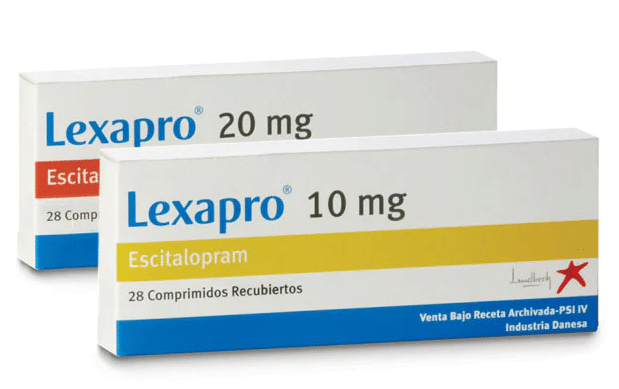
    Like other SSRIs, escitalopram can cause stomach upset, sleep changes, sexual side effects, or emotional blunting in some people. It can also interact with other medicines. People with heart rhythm concerns should ask whether any monitoring is needed. For medication-specific navigation, see Escitalopram.

    Fluoxetine

    Fluoxetine is an SSRI with a longer half-life than many antidepressants. A half-life is the time it takes for the body to reduce a medicine level by about half. This feature can affect missed-dose patterns and drug interaction planning.

    Some people find fluoxetine more activating, while others do not. Sleep timing, restlessness, appetite changes, and gastrointestinal effects are worth tracking. For a fuller educational discussion, read Fluoxetine Uses.

    Venlafaxine

    Venlafaxine is a serotonin-norepinephrine reuptake inhibitor, or SNRI. SNRIs affect serotonin and norepinephrine pathways. They may be discussed when depression appears with significant anxiety, low energy, or certain pain symptoms, depending on the individual case.

    Venlafaxine can cause nausea, sweating, sleep changes, and sexual side effects. It may raise blood pressure in some people, so clinicians may ask about readings or cardiovascular history. For more context on this class, see Effexor XR Antidepressant.

    Bupropion

    Bupropion is often grouped as an atypical antidepressant or norepinephrine-dopamine reuptake inhibitor, sometimes shortened to NDRI. It affects norepinephrine and dopamine rather than working mainly through serotonin. Clinicians may discuss it when fatigue, concentration, or sexual side effects from serotonergic medicines are key concerns.

    Bupropion can feel activating. It may worsen anxiety or insomnia in some people and is generally avoided in people with certain seizure risks or eating disorder histories. If you are reviewing formulation names, Bupropion XL provides a product reference point for discussion.

    Why it matters: A medication name alone does not tell you whether it fits your risks.

    How Antidepressant Classes Work

    Antidepressant classes differ by which brain signaling pathways they affect and which side effects they tend to cause. The most common groups include SSRIs, SNRIs, atypical antidepressants, tricyclic antidepressants, monoamine oxidase inhibitors, and adjunctive medicines.

    Class Plain-Language Role Common Examples Key Discussion Points
    SSRI Supports serotonin signaling Sertraline, escitalopram, fluoxetine Stomach upset, sleep changes, sexual side effects, interactions
    SNRI Supports serotonin and norepinephrine signaling Venlafaxine, duloxetine, desvenlafaxine Blood pressure, sweating, withdrawal-like symptoms if stopped suddenly
    Atypical antidepressant Works through other pathways Bupropion, mirtazapine, trazodone Sleep, appetite, activation, sedation, seizure risk in some cases
    Tricyclic antidepressant Older class with broader receptor effects Amitriptyline, nortriptyline Dry mouth, constipation, sedation, heart rhythm concerns
    MAOI Reduces breakdown of monoamine chemicals Phenelzine, tranylcypromine Food restrictions, interaction risk, specialist oversight
    Adjunctive option Added when response is incomplete Some atypical antipsychotics or other agents Metabolic monitoring, movement symptoms, sedation, individualized risk

    People often ask about an antidepressants list a to z or the top 20 antidepressants. A longer list can include citalopram, paroxetine, duloxetine, desvenlafaxine, vortioxetine, vilazodone, mirtazapine, trazodone, amitriptyline, nortriptyline, and others. However, treatment decisions should not be based on popularity alone.

    Some medicines have brand names and generic names. For example, a person may recognize a brand name from advertising but receive the generic version. Ask your clinician or pharmacist to clarify which name appears on your bottle, what class it belongs to, and what side effects deserve attention.

    Choosing a Medication for Anxiety and Depression

    Medication for anxiety and depression is chosen by matching symptom patterns with safety needs. If panic, worry, sleep disruption, or chronic pain is prominent, the conversation may differ from a situation dominated by low motivation and fatigue.

    SSRIs are commonly discussed when depression and anxiety overlap. SNRIs may be considered when anxiety appears with low energy or some pain syndromes. Bupropion may be discussed when motivation, concentration, or sexual side effects are priorities, but it is not always the best fit for anxiety. Sedating options may be considered when insomnia or poor appetite is severe, but they can affect daytime alertness.

    People often search for the best antidepressant for anxiety and depression without weight gain. That question is understandable, but the answer depends on the person. Some antidepressants are more often associated with appetite or weight change than others, yet individual responses vary. Clinicians usually weigh weight history, metabolic risks, sleep, appetite, and past medication experience.

    It also helps to discuss practical routines. Some medicines are taken once daily. Some have extended-release forms. Some can cause withdrawal-like symptoms if stopped abruptly. Those details can shape adherence, especially when work, caregiving, or school schedules are demanding.

    Quick tip: Bring a current medication and supplement list to each appointment.

    Side Effects, Risks, and Warning Signs

    All medications for depression can cause side effects, and some require extra monitoring. Most side effects are not emergencies, but some symptoms need urgent attention. The safest approach is to know what is common, what is serious, and whom to contact.

    Common antidepressant side effects can include nausea, diarrhea or constipation, headache, dry mouth, sleepiness, insomnia, sweating, appetite change, and sexual side effects. Some people also notice emotional dulling or restlessness. Side effects of antidepressants in females and males can overlap, but sexual side effects, weight concerns, and hormonal or pregnancy-related questions may need individualized discussion.

    Rare but serious concerns include serotonin syndrome, severe allergic reactions, unusual bleeding risk with some combinations, manic symptoms in people with bipolar disorder, and increased suicidal thoughts in some children, teens, and young adults. Seek urgent help if there are thoughts of self-harm, new severe agitation, confusion, fever with muscle stiffness, fainting, chest pain, or signs of a severe allergic reaction.

    Antidepressants may interact with migraine medicines, pain medicines, blood thinners, other psychiatric medicines, supplements such as St. John’s wort, and some antibiotics or heart medicines. This is why medication reconciliation matters. A prescriber needs the full picture, including nonprescription products.

    Concerns about negative effects of antidepressants on the brain are common. Current medical guidance generally frames antidepressants as medicines that can reduce depressive symptoms when appropriately used and monitored. Long-term treatment decisions should be reviewed periodically, especially if symptoms, life circumstances, pregnancy plans, or other health conditions change.

    When First Choices Are Not Enough

    Depression sometimes improves only partly after an initial medication trial. In that situation, clinicians may consider adjusting the dose, switching to another antidepressant, adding psychotherapy, addressing sleep or substance use, or adding another medicine. The best next step depends on response, side effects, and safety.

    Newer antidepressants, such as vortioxetine or vilazodone, may be discussed in some cases. Other people may be considered for augmentation, which means adding a medicine to support a partial antidepressant response. Augmentation can help some people, but it also adds monitoring needs and possible side effects.

    For example, brexpiprazole may be discussed as an add-on option for some adults with depression when response is incomplete. That decision requires careful review of benefits, risks, and monitoring. For more context, see Rexulti for Depression.

    Non-medication supports still matter. Evidence-based therapy, sleep routines, movement, social support, reduced alcohol use, and safety planning can all support recovery. Medication is one tool, not a full care plan by itself.

    Questions to Ask Before Starting or Switching

    Good questions can turn a medication list into a safer, more personal plan. Use them to prepare for appointments, not to self-prescribe or stop treatment on your own.

    • Expected benefit: Which symptoms are we targeting first?
    • Side effects: Which effects are common with this option?
    • Safety history: Do my heart, seizure, liver, or kidney risks matter?
    • Interactions: Are my other medicines or supplements a concern?
    • Monitoring plan: When should I report worsening mood or agitation?
    • Missed doses: What should I do if I forget a dose?
    • Stopping plan: How would we taper if this is not right?
    • Pregnancy planning: What should change if pregnancy is possible?

    Never stop suddenly unless a clinician tells you to. Some antidepressants can cause discontinuation symptoms, such as dizziness, irritability, flu-like feelings, vivid dreams, or sleep problems. A planned taper may reduce that risk, though the approach must be individualized.

    If access and affordability are part of the discussion, browse the Mental Health Products category for neutral product navigation. BorderFreeHealth connects U.S. patients with licensed Canadian partner pharmacies, and prescription details may be verified with the prescriber when required before dispensing.

    Compare and Related Topics

    Depression treatment often overlaps with anxiety care, sleep support, chronic pain management, and relapse prevention. If you are still orienting yourself, the Mental Health collection offers related educational resources.

    When comparing pills for depression and anxiety, remember that stronger does not always mean better. Higher intensity treatment may also bring more side effects, interactions, or monitoring. A safer plan usually starts with the person’s diagnosis, risk factors, preferences, and follow-up capacity.

    Some readers ask about the safest antidepressant. Safety is not one fixed label. A medicine that is reasonable for one person may be risky for another because of heart rhythm history, pregnancy, bipolar disorder, seizure risk, liver disease, kidney disease, substance use, or interacting medicines.

    Authoritative Sources

    For medication safety language and patient labeling resources, review the FDA patient labeling resources. These resources can help explain warnings and medication guide expectations.

    For a plain-language federal overview of psychiatric medicines, see the National Institute of Mental Health medication overview. It describes common medicine categories and monitoring themes.

    For depression medicine information written for consumers, the FDA depression medicines page lists examples and safety considerations, including pregnancy and age-related cautions.

    Recap

    Medications for depression can be useful, but the best option is the one that fits your symptoms, health history, interactions, and tolerability. Sertraline, escitalopram, fluoxetine, venlafaxine, and bupropion are common examples, not a universal ranking.

    Work with a licensed clinician to review risks, track symptoms, and adjust safely when needed. Bring notes about mood, sleep, appetite, energy, side effects, and any new medicines or supplements. Small details often guide better treatment decisions.

    This content is for informational purposes only and is not a substitute for professional medical advice.
  • Cymbalta vs Effexor: A Patient-Focused Guide to Key Tradeoffs

    Cymbalta vs Effexor: A Patient-Focused Guide to Key Tradeoffs

    Key Takeaways

    • Same SNRI class, different nuances and tradeoffs.
    • Pain relief favors duloxetine in neuropathic syndromes.
    • Blood pressure rises occur more with venlafaxine.
    • Stopping suddenly can trigger discontinuation symptoms.
    • Choice depends on symptoms, comorbidities, and goals.

    Choosing between treatments can feel overwhelming. Early clarity helps you ask better questions and advocate for your needs. In that spirit, this guide compares cymbalta vs effexor using plain language and clinical terms side by side. You will find balanced pros and cons, practical considerations, and ways to work with your clinician more confidently.

    Cymbalta vs Effexor: Core Similarities and Differences

    Duloxetine (Cymbalta) and venlafaxine (Effexor, Effexor XR) sit in the same antidepressant class: serotonin–norepinephrine reuptake inhibitors (SNRIs). Both can help major depressive disorder and generalized anxiety disorder. Yet they differ in how strongly they affect norepinephrine at common doses, how they interact with blood pressure, and where they fit for pain-related conditions. These distinctions matter when tailoring therapy to symptoms and medical history.

    If you want a primer on medication classes, see What Are Antidepressants for simple definitions and examples. For an Effexor-centric overview of use in mood and anxiety, our guide Effexor XR Antidepressant offers context you can compare with your own experience. When anxiety is the main driver, you can also review Cymbalta for Anxiety Guide to see how duloxetine is positioned clinically.

    Regulatory resources provide neutral summaries of benefits and risks. For drug overviews, the NIH hosts accessible pages for both medicines, including side effects and warnings: see the MedlinePlus duloxetine page and the MedlinePlus venlafaxine page. These references can help you prepare questions for your next visit.

    Mechanism of Action and Clinical Uses

    Both medications inhibit the reuptake of serotonin (5‑HT) and norepinephrine (NE), increasing those neurotransmitters in synapses. Venlafaxine’s norepinephrine effects tend to emerge more at higher doses, while duloxetine reaches balanced 5‑HT/NE engagement at moderate ranges. This pharmacology may influence activation, blood pressure, and pain modulation. Clinicians often consider these patterns when matching a drug to a person’s symptom profile and medical conditions.

    Duloxetine also carries approvals for certain pain syndromes, including diabetic peripheral neuropathic pain and fibromyalgia. That makes venlafaxine vs duloxetine for pain a common decision point when depression and chronic pain coexist. For more context on analgesic benefits, see our explainer Cymbalta for Fibromyalgia, which outlines how duloxetine may help centralized pain. This pain dimension can tilt the balance for people whose mood symptoms track closely with physical discomfort.

    Efficacy in Depression and Anxiety

    Head-to-head studies are limited, but both medicines show meaningful symptom reductions in major depressive disorder and generalized anxiety disorder. Some patients report faster early anxiety relief with venlafaxine, especially in extended-release forms, while others find duloxetine steadier and gentler. Response often depends on comorbid pain, sleep, baseline blood pressure, and prior medication tolerability. Because efficacy averages hide individual differences, careful monitoring and dialogue are essential.

    When anxiety is prominent, clinicians sometimes weigh venlafaxine vs duloxetine for anxiety to decide which adverse effects align with patient goals. If blood pressure is already high, duloxetine may be preferred; if pain is a major driver, duloxetine’s pain indications may carry extra weight. For readable background on duloxetine’s role in anxiety care, see the resource Cymbalta for Anxiety Guide, which can help you frame questions for your prescriber.

    Side Effects and Tolerability Profiles

    Common effects overlap: nausea, dry mouth, constipation, sweating, dizziness, and sleep changes. Appetite shifts and sexual dysfunction can occur with both. Venlafaxine can raise blood pressure and heart rate in a dose-dependent manner. Duloxetine can affect liver enzymes and is used cautiously with substantial alcohol use or existing hepatic disease. These differences guide lab monitoring and follow-up cadence, especially early in treatment.

    Patients often ask about duloxetine vs venlafaxine side effects because tolerability drives adherence. If you want deeper detail on duloxetine’s profile, our overview Cymbalta Side Effects summarizes common and uncommon reactions, and when to call a clinician. For neutral, government-sourced summaries of warnings and interactions, see concise entries on the MedlinePlus duloxetine page and venlafaxine page; these are helpful for cross-checking information.

    Weight and Metabolic Considerations

    Weight change varies widely by person and time on therapy. Small average changes are typical, but individual swings can be larger. Appetite increase or reduction may occur, sometimes shifting across the first months. Physical activity, sleep restoration, and reduced emotional eating after symptom relief can also influence weight. Because patterns differ, tracking with a simple log helps your team adjust care.

    Comparisons like cymbalta vs effexor weight gain appear often in patient communities. While both medicines may affect appetite and weight, neither is consistently associated with large long-term increases across trials. If weight management is a goal, combine symptom tracking with nutrition and activity supports. For practical tips focused on duloxetine’s role, see our resource Cymbalta Weight Gain for lifestyle strategies you can discuss with your clinician.

    Energy, Activation, and Sleep

    Changes in energy can reflect both medication effects and recovery from depression or anxiety. Some patients experience early activation, restlessness, or improved alertness, which can be helpful or uncomfortable depending on timing and dose. Gentle sleep hygiene, consistent routines, and early check-ins can reduce friction during the first weeks. If insomnia emerges, morning dosing or supportive sleep measures may help.

    Patients sometimes ask about cymbalta vs effexor for energy when fatigue dominates their day. Venlafaxine’s stronger norepinephrine effect at higher doses may feel more activating for some; duloxetine’s steadiness can help others whose fatigue links to chronic pain. Keep a daily log capturing sleep, naps, caffeine, and timing of doses. These notes give your clinician concrete data to fine-tune your plan.

    Sexual Health and Blood Pressure

    Sexual side effects may include decreased libido, delayed orgasm, or erectile difficulties. These can significantly affect quality of life and adherence. Open, nonjudgmental conversation with your clinician can surface workable options, such as dose timing changes, waiting for adaptation, or considering adjunctive strategies. Avoid abrupt self-directed changes; instead, bring specific examples and preferences to visits.

    Questions about cymbalta vs effexor sexual side effects are common because differences can be meaningful. While rates overlap, venlafaxine’s dose-dependent activation may influence arousal and performance differently across patients. Blood pressure monitoring is also important, as venlafaxine can raise BP more often than duloxetine. Simple home BP checks, captured weekly in a log, can keep you and your clinician ahead of changes.

    Switching and Discontinuation

    Stopping either medication suddenly can trigger discontinuation symptoms such as dizziness, flu-like feelings, insomnia, or “electric shock” sensations. These effects are usually temporary but can be uncomfortable. Venlafaxine’s short half-life can make missed doses more noticeable. Planning slow, individualized tapers and setting expectations in advance reduces distress and improves safety.

    People often mention cymbalta vs effexor withdrawal when considering a switch. Some transitions involve cross-tapering; others use a short washout, depending on clinical goals and risks. Prior medication history, blood pressure trends, liver status, and symptom severity all matter. For broader context on medications used in depression care, our neutral overview Medications for Depression may help you understand where SNRIs fit. If anxiety is a major driver, non-SNRI options like buspirone are sometimes discussed; for a plain-language explainer, see Buspirone Uses for mechanism and typical uses. Always coordinate changes with your clinician to reduce risks and surprises.

    Practical Considerations: Formulations, Access, and Monitoring

    Both medications come in capsules; venlafaxine also has an extended-release form commonly chosen for steadier levels. Morning dosing can reduce insomnia for some; others prefer evening dosing if sedation occurs. Because side effects and benefits shift with time, plan a follow-up schedule early. Bring a brief symptom and side-effect log so your clinician can see patterns, not just snapshots.

    If your plan includes duloxetine, our Cymbalta Dosage Guide explains typical formulation differences to discuss during visits. When comparing venlafaxine formulations, consider the convenience of once-daily capsules like Venlafaxine XR if your clinician recommends extended-release options. For those using duloxetine, the generic listing Duloxetine helps you recognize strengths and capsule types for conversations about adherence. If your depression care intersects with anxiety medications, this overview on Anxiety and Depression and Medicines gives a big-picture map of common choices.

    Tip: Keep a single-page worksheet capturing medications, doses, time of day, and any physical changes. This small habit makes clinic visits more productive and targeted.

    Recap

    Duloxetine and venlafaxine share a class but differ in activation, pain benefits, and blood pressure effects. Your priorities—relieving pain, protecting sleep, avoiding BP increases, or limiting sexual side effects—can guide the choice. Track symptoms, review side effects early, and adjust collaboratively. With a clear plan, you and your clinician can shape a treatment path that fits your life and goals.

    Note: If you want more foundational reading, our category hub Mental Health Posts curates explainers that clarify terminology and treatment landscapes across conditions.

    This content is for informational purposes only and is not a substitute for professional medical advice.

  • Anxiety and Depression: Symptoms, Treatment, and Care

    Anxiety and Depression: Symptoms, Treatment, and Care

    Anxiety and depression can happen separately, but many people experience both at the same time. Anxiety often brings fear, tension, racing thoughts, and avoidance. Depression often brings low mood, loss of interest, fatigue, and hopelessness. When they overlap, care usually works best when it combines assessment, therapy skills, healthy routines, and, when appropriate, medication support from a qualified clinician.

    This matters because the two conditions can reinforce each other. Worry can drain sleep and energy. Low mood can make everyday tasks feel harder, which may increase avoidance and fear. A clear plan can reduce confusion and help you ask better questions during care.

    Key Takeaways

    • Overlap is common: Shared symptoms can blur the picture, but careful screening helps clarify needs.
    • Treatment is individualized: Therapy, medicines, routines, and support can be combined in different ways.
    • Skills matter daily: Sleep, movement, planning, and connection can lower the burden.
    • Safety comes first: Seek urgent help for self-harm thoughts, severe impairment, or sudden worsening.
    • Follow-up helps: Tracking symptoms and side effects supports better adjustments over time.

    How Anxiety and Depression Can Feel Together

    People with anxiety and depression may feel keyed up and weighed down at the same time. This combination can look confusing from the outside. A person may appear restless, irritable, withdrawn, tired, or unable to make decisions. They may cancel plans, miss work, struggle at school, or feel guilty for not keeping up.

    Anxiety usually focuses on threat, uncertainty, or feared outcomes. Depression usually centers on sadness, emptiness, reduced pleasure, and low drive. When both are present, anxious thoughts can fuel hopelessness, while depressive fatigue can make coping skills harder to use.

    Common symptoms of anxiety and depression include:

    • Sleep changes: insomnia, early waking, or oversleeping.
    • Body tension: headaches, tight muscles, stomach upset, or chest tightness.
    • Thought loops: worry, rumination, guilt, or self-criticism.
    • Avoidance: pulling back from tasks, people, school, or work.
    • Low pleasure: less interest in hobbies, food, sex, or connection.
    • Energy shifts: fatigue, agitation, slowed movement, or poor concentration.

    Some people also have panic attacks, which are sudden waves of intense fear with body symptoms. Panic can happen with or without depression. If chest pain, fainting, severe shortness of breath, or new neurological symptoms occur, urgent medical evaluation is important because physical illness can sometimes look similar.

    Why it matters: Naming the pattern helps your clinician choose the right starting point.

    The Difference Between Anxiety and Depression

    The difference between anxiety and depression often comes down to the main emotional driver. Anxiety says, “Something bad might happen.” Depression says, “Nothing feels possible or worthwhile.” Real life is rarely that neat, but the distinction helps guide treatment.

    Clinicians look at timing, triggers, intensity, and impairment. They may ask when symptoms began, whether they followed a loss or trauma, and how they affect sleep, appetite, work, relationships, and safety. They may also ask about alcohol or substance use, thyroid disease, chronic pain, medication side effects, and family history.

    Several diagnostic patterns can involve both mood and anxiety symptoms. Major depressive disorder with anxious distress describes a depressive episode with prominent anxiety symptoms. Mixed anxiety and depressive disorder is used in some settings when symptoms of both are present but may not meet full criteria for separate disorders. These terms are clinical tools, not personal labels.

    It is also possible to have more than one condition. Generalized anxiety disorder, panic disorder, social anxiety disorder, post-traumatic stress disorder, and major depression can overlap. A thoughtful assessment helps avoid treating only the loudest symptom while missing the larger pattern.

    What Causes the Overlap?

    There is rarely one single cause of anxiety and depression. Most people have a mix of biological vulnerability, stress exposure, learned coping patterns, health factors, and social context. This does not mean symptoms are your fault. It means treatment can work from several angles.

    Risk factors can include family history, early adversity, trauma, ongoing stress, grief, chronic illness, pain, sleep deprivation, social isolation, substance use, and major life transitions. Work-related anxiety and depression may also grow from long hours, unsafe environments, conflict, job insecurity, or caregiving strain outside work.

    Brain chemistry is often discussed, but it is not the whole story. Mood and anxiety involve networks that regulate threat detection, reward, sleep, attention, and stress hormones. Medications may help some people by influencing these systems, while therapy and daily routines can reshape behavior, coping, and stress responses.

    Hormonal and life-stage factors can matter too. Postpartum anxiety and depression can occur during pregnancy or after birth. Sleep loss, role changes, medical complications, feeding challenges, and prior mental health history can all raise risk. Anyone with frightening intrusive thoughts, severe despair, or thoughts of harm needs prompt professional support.

    Treatment Options: Therapy, Medicine, and Daily Supports

    Anxiety and depression treatment options usually include therapy, medication, self-management, or a combination. The best plan depends on symptom severity, safety, past treatment response, personal preferences, medical history, pregnancy status, substance use, and access to care.

    For mild symptoms, a clinician may suggest structured therapy, guided self-help, sleep changes, exercise, and close follow-up. For moderate to severe symptoms, combined therapy and medication may be considered. If symptoms include psychosis, inability to care for basic needs, mania, severe substance risk, or self-harm thoughts, urgent or specialized care may be needed.

    Therapy can teach skills that remain useful after sessions end. Medication may reduce symptom intensity enough for those skills to feel more reachable. Social support, workplace adjustments, school accommodations, and family education can also reduce pressure while recovery builds.

    For a deeper medication-focused overview, see Medications for Anxiety and Depression. If you want broader context before discussing prescriptions, Anxiety Medication Basics explains common decision points and monitoring questions.

    Therapy for Anxiety and Depression

    Therapy for anxiety and depression often focuses on thoughts, avoidance, behavior patterns, relationships, and emotion regulation. Cognitive behavioral therapy, or CBT, helps people test unhelpful thoughts, face avoided situations gradually, and restart meaningful activities. Behavioral activation is especially useful when depression has reduced motivation.

    CBT for anxiety and depression is practical rather than abstract. A therapist may help you map a worry loop, challenge a harsh belief, plan a small exposure, or schedule one activity that supports values. The goal is not forced positivity. The goal is more flexible thinking and more workable behavior.

    DBT for anxiety and depression may help when emotions feel intense or relationships become unstable under stress. Dialectical behavior therapy, or DBT, teaches distress tolerance, mindfulness, emotion regulation, and interpersonal effectiveness. Some people use DBT skills as part of individual therapy, group programs, or structured skills classes.

    Medicines Used in Care

    Medicines are not the right choice for everyone, but they can help some people. Selective serotonin reuptake inhibitors, or SSRIs, are commonly used for depression and several anxiety disorders. Serotonin-norepinephrine reuptake inhibitors, or SNRIs, may also be considered. Other options can include bupropion, buspirone, mirtazapine, or additional medicines in specific situations.

    Medication choice depends on symptoms, side effects, interactions, other health conditions, pregnancy considerations, past response, and safety risks. Do not start, stop, or change medication without prescriber guidance. Some medicines need gradual changes, and early follow-up can help monitor tolerability, sleep, agitation, and mood shifts.

    If you are comparing common options before a visit, Top Depression Medications and Top Anxiety Medications can help frame questions. For one medicine-specific example, Effexor XR for Anxiety and Depression discusses how that treatment may fit into care discussions.

    Some readers also review product pages after a prescription is already part of care. BorderFreeHealth connects U.S. patients with licensed Canadian partner pharmacies, and required prescription details are verified before pharmacy dispensing when applicable. Product pages such as Zoloft 100 Tablets, Cipralex Lexapro, and Buspirone HCL should be used for access context, not as a substitute for medical advice.

    Coping Skills That Make Treatment Easier to Use

    Coping with anxiety and depression works best when it is specific, small, and repeatable. Big life overhauls can feel impossible during a hard week. Small routines reduce decision fatigue and create steadier cues for sleep, meals, movement, and support.

    Sleep is often the first pressure point. Try to keep a consistent wake time, reduce late caffeine, and create a short wind-down routine. If insomnia continues, discuss it with a clinician. Sleep problems can worsen both anxiety and mood, and they may need targeted treatment.

    Movement can help mood and tension, but it should start at a realistic level. A short walk, stretching, or light activity counts. Exercise for anxiety and depression does not need to be intense to support routine and body regulation. The first goal is consistency, not performance.

    Mindfulness for anxiety and depression can help you notice thoughts without immediately obeying them. Try one minute of slow breathing, a body scan, or naming five things you can see. These skills are not cures. They are ways to reduce reactivity during a difficult moment.

    Quick tip: Track mood, sleep, activity, and medication changes for two weeks.

    Natural remedies for anxiety and depression should be approached carefully. Relaxation, light exposure, social connection, and gentle movement are generally low-risk supports. Supplements and herbal products can interact with medicines or affect pregnancy, bleeding risk, liver function, or sedation. Ask a clinician or pharmacist before adding them.

    Screening, Diagnosis, and When to Seek Help

    An anxiety and depression test can help organize symptoms, but it cannot diagnose you by itself. Screening tools are starting points. A clinician uses them with an interview, medical history, safety assessment, and functional review.

    The PHQ-9 and GAD-7 screening for anxiety and depression are common questionnaires. The PHQ-9 looks at depressive symptoms, including mood, interest, sleep, energy, appetite, concentration, movement, self-worth, and self-harm thoughts. The GAD-7 looks at worry, tension, restlessness, irritability, fear, and difficulty relaxing.

    Bring notes to an appointment if you can. Include symptom start dates, major stressors, sleep patterns, alcohol or substance use, current medicines, supplements, prior therapy, and family history. This helps your clinician see patterns faster.

    Seek help for anxiety and depression when symptoms last more than a couple of weeks, interfere with daily functioning, or keep returning. Seek urgent help right away if you have thoughts of suicide or self-harm, feel unable to stay safe, hear or see things others do not, feel unusually energized with little sleep and risky behavior, or cannot care for basic needs.

    If someone you care about is struggling, stay direct and kind. Ask how they are doing, listen without arguing, and encourage professional support. If they mention self-harm, do not leave them alone if immediate danger is present. Contact local emergency services or a crisis line in your area.

    Special Situations Across Life Stages

    Anxiety and depression in teenagers can look different from adult symptoms. Teens may show irritability, school refusal, risk-taking, sleep shifts, stomachaches, headaches, or social withdrawal. They may not say they feel sad. They may say they feel numb, angry, trapped, or exhausted.

    Parents and caregivers can help by watching patterns rather than one bad day. Changes in grades, friendships, eating, sleep, substance use, or online behavior may signal distress. A pediatrician, school counselor, therapist, or youth mental health service can help assess risk and support the family.

    Anxiety and depression in women may be shaped by hormonal transitions, pregnancy, postpartum changes, caregiving load, trauma exposure, and social stressors. Postpartum anxiety and depression deserve prompt attention because they affect both the parent and the baby’s environment. Severe symptoms, intrusive harm thoughts, or feeling detached from reality require urgent care.

    Anxiety and depression in men can be missed when symptoms show up as anger, overwork, substance use, risk-taking, or withdrawal. Stigma may make it harder to describe sadness or fear. Asking about sleep, stress, irritability, and alcohol use can sometimes open a more honest conversation.

    Questions to Ask Before Choosing a Care Plan

    A good care plan should match your symptoms, risks, goals, and daily reality. You do not need perfect answers before seeking help. You only need enough information to begin a clear conversation.

    • Symptom pattern: Which symptoms cause the most impairment?
    • Safety level: Are self-harm thoughts, substance risks, or severe sleep loss present?
    • Past response: What has helped or worsened symptoms before?
    • Therapy fit: Would CBT, DBT, trauma-focused therapy, or group support suit your needs?
    • Medicine concerns: What side effects, interactions, or monitoring issues matter?
    • Support system: Who can help with appointments, routines, or crisis planning?
    • Follow-up plan: When will symptoms and side effects be reviewed?

    These questions also help when care involves cost or access barriers. Some people explore cash-pay prescription options without insurance after a clinician has already recommended a medicine. Eligibility, jurisdiction, and prescription requirements still apply.

    Authoritative Sources

    For broad public health information on mental health and substance use support, visit the SAMHSA mental health resource page.

    For plain-language information on depression and anxiety symptoms, see the CDC page on depression and anxiety.

    For screening recommendations used in many primary care settings, review the USPSTF adult depression screening recommendation.

    Recap: Building a Safer Next Step

    Recovery from anxiety and depression is usually gradual, but it can be supported. Start with a careful assessment, then build a plan around therapy, daily skills, medication when appropriate, and regular follow-up. If symptoms worsen or safety becomes uncertain, seek urgent help rather than waiting for the next routine visit.

    You deserve care that takes your symptoms seriously without reducing you to them. Clear tracking, honest questions, and supportive people can make the next step easier to take.

    This content is for informational purposes only and is not a substitute for professional medical advice.

  • Wellbutrin Dosage: XL, SR, Safety, and Dose Changes

    Wellbutrin Dosage: XL, SR, Safety, and Dose Changes

    Wellbutrin dosage depends on the release form, the reason it is prescribed, and your personal risk factors. Many adults start with a lower amount, then increase only if symptoms, side effects, and safety checks support the change. This matters because bupropion can be helpful for depression and smoking cessation, but higher exposure can raise the risk of insomnia, blood pressure changes, agitation, and seizures.

    This article explains the practical differences between XL and SR, why dose changes are gradual, what to watch for when moving from 150 mg to 300 mg, and when to seek urgent care. Use it to prepare for a safer, clearer conversation with your prescriber.

    Key Takeaways

    • Form matters: XL is usually once daily; SR is often taken twice daily.
    • Slow changes help: Gradual titration can reduce avoidable side effects.
    • Higher is not always better: Benefit, tolerability, and seizure risk guide decisions.
    • Do not alter tablets: Crushing, chewing, or splitting modified-release tablets can be unsafe.
    • Urgent symptoms need care: Seizure, severe confusion, chest pain, or overdose symptoms require immediate help.

    How Wellbutrin Dosage Is Usually Planned

    Bupropion is the generic name for the medicine sold under brand names such as Wellbutrin. It is a norepinephrine-dopamine reuptake inhibitor, or NDRI, which means it affects two brain chemical pathways involved in mood, motivation, and alertness. Unlike many antidepressants, it is not a selective serotonin reuptake inhibitor (SSRI).

    Clinicians usually choose a starting dose based on the formulation. Immediate-release, sustained-release, and extended-release tablets release medication at different speeds. That release pattern affects timing, peak effects, missed-dose instructions, and how side effects may appear during the day.

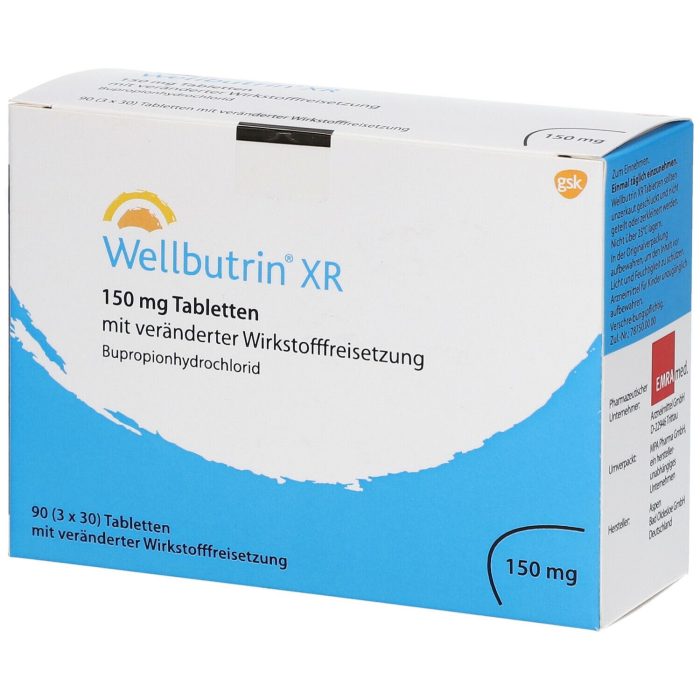
    For depression, many treatment plans begin at a lower daily amount and reassess response after the body has had time to adjust. A prescriber may consider a higher dose if symptoms persist and side effects remain manageable. If you want more background on why 150 mg is a common early discussion point, see Bupropion 150 mg.

    Why it matters: The safest dose is not just a number; it depends on release form, timing, health history, and other substances you use.

    XL, SR, and IR: What the Release Form Changes

    The main difference between XL and SR is how long the tablet is designed to release medicine. Wellbutrin XL is an extended-release form that is commonly taken once daily. Bupropion SR is a sustained-release form often used in divided dosing. Immediate-release tablets release medication faster and may require more frequent dosing.

    These forms are not automatically interchangeable. The same milligram amount can feel different depending on how quickly it reaches your system. This is one reason prescribers may ask about sleep, anxiety, appetite, headaches, and blood pressure after a formulation change.

    When XL may fit better

    XL may suit people who prefer a once-daily morning routine. A simpler schedule can help with consistency. It may also reduce the chance of taking a later dose too close to bedtime, although insomnia can still occur. For formulation context, you can review the Wellbutrin XL product page without treating it as dosing advice.

    When SR may be discussed

    SR may be considered when a clinician wants more control over timing across the day. Some people find divided dosing useful, while others find it harder to remember. The right choice depends on the prescribed indication, response, side effects, and daily routine. For general product context, see Bupropion SR.

    Increasing From 150 mg to 300 mg: What to Watch For

    Increasing wellbutrin dosage from 150 to 300 is a common question, but it should not be handled as a self-directed adjustment. Prescribers usually look at symptom response, side effects, seizure risk, blood pressure, sleep disruption, and other medicines before changing the plan.

    Some people notice more activation after an increase. This can feel like improved energy, but it can also feel like jitteriness, irritability, anxiety, restlessness, or trouble sleeping. Dry mouth, headache, nausea, tremor, appetite changes, and faster heartbeat can also occur. These effects do not always mean the dose is wrong, but they are worth reporting if they are persistent, intense, or worsening.

    If mood remains low, your clinician may ask about daily functioning, motivation, concentration, appetite, sleep, and thoughts of self-harm. Tracking these details gives more useful information than a simple “better” or “worse.” For signs that may suggest a treatment is starting to help, read Signs Wellbutrin Is Working.

    Quick tip: Keep a simple log of dose timing, sleep, mood, anxiety, caffeine, and missed doses.

    Side Effects, Warnings, and Safety Guardrails

    Side effects can occur at any dose, but some risks become more important as total daily exposure rises. Common effects include dry mouth, nausea, constipation, headache, sweating, sleep disturbance, and reduced appetite. Some people also report anxiety, agitation, tremor, or blood pressure increases.

    The most serious dose-related concern is seizure. Bupropion is not appropriate for everyone, especially people with certain seizure disorders, a current or prior diagnosis of bulimia or anorexia nervosa, or abrupt withdrawal from alcohol, benzodiazepines, barbiturates, or anti-seizure medicines. Your prescriber may also use extra caution with head injury history, heavy alcohol use, stimulant use, kidney or liver impairment, and interacting medicines.

    Do not crush, chew, or split extended-release or sustained-release tablets unless the product labeling and your pharmacist clearly say it is safe. Damaging the release system can cause the medicine to enter your body too quickly. This may increase side effects and safety risks.

    If you accidentally take too much, do not wait for symptoms to appear. Call Poison Control or seek emergency care, especially if the amount is well above your prescribed dose. Severe agitation, hallucinations, fainting, chest pain, seizures, severe confusion, or irregular heartbeat are urgent warning signs.

    For more detail on what people may notice during treatment, see Wellbutrin XL Side Effects. For a broader symptom-focused discussion, see Wellbutrin Side Effects.

    Dose Range, Maximums, and Questions About 450 mg or 600 mg

    The wellbutrin dosage range depends on the product and indication. XL, SR, and immediate-release versions have different labeled schedules and maximums. A prescriber may also recommend a lower maximum for people with certain medical conditions or interacting medicines.

    Questions about 450 mg, 600 mg, or taking multiple tablets at once deserve careful medical review. Do not combine tablets to reach a higher amount unless your prescriber specifically instructed that schedule. Bupropion XL 600 mg daily is above commonly referenced labeled maximums for many uses and may substantially increase seizure risk.

    Online discussions can make dose changes sound routine, but personal risk factors vary widely. Someone else’s experience does not account for your medical history, alcohol intake, eating disorder history, kidney or liver function, other prescriptions, or seizure threshold. Your prescriber and pharmacist can check those risks before any change.

    Depression, Anxiety, ADHD, Smoking Cessation, and Weight Questions

    Wellbutrin dosage for depression and anxiety is individualized because bupropion can feel activating. Some people with depression and low energy may welcome that effect. Others may feel more anxious, wired, or sleepless, especially early in treatment or after an increase.

    Bupropion is also used under specific product labeling for smoking cessation. When used for quitting smoking, the formulation, timing, and counseling plan may differ from depression treatment. People should not assume a depression dose and a smoking-cessation dose are the same.

    Some clinicians consider bupropion off label for attention symptoms in selected adults, but this is not the same as stimulant treatment. If attention problems are present, the prescriber may review sleep, anxiety, substance use, blood pressure, and other diagnoses before choosing a plan.

    Weight questions are common. Bupropion may be associated with appetite or weight changes in some people, but it should not be adjusted for weight loss without clinical oversight. If appetite drops too much, nausea interferes with eating, or weight change is rapid or concerning, contact your healthcare professional.

    Practical Questions to Bring to Your Prescriber

    A clear visit plan can prevent confusion and unsafe guessing. Before asking about a dose increase, gather details that show how the current plan is working in real life.

    • Current schedule: Note dose, formulation, and time taken.
    • Missed doses: Record how often they happen.
    • Sleep pattern: Track bedtime, wake time, and insomnia.
    • Anxiety symptoms: Note restlessness, panic, or irritability.
    • Blood pressure: Bring recent readings if available.
    • Other substances: Include alcohol, cannabis, nicotine, caffeine, and stimulants.
    • Safety history: Mention seizures, eating disorders, head injury, or withdrawal risk.

    If access or continuity is part of your planning, BorderFreeHealth connects U.S. patients with licensed Canadian partner pharmacies, and prescription details are verified with the prescriber when required before dispensing. For browseable condition resources, the Depression collection can help you compare related educational and medication pages without replacing medical advice.

    Authoritative Sources

    For official safety warnings, contraindications, and dosing limits, review the FDA prescribing information for bupropion XL.

    For plain-language medication precautions, interactions, and missed-dose basics, see MedlinePlus information on bupropion.

    For smoking-cessation use of sustained-release bupropion, the CDC explains how bupropion SR is used for quitting.

    Recap

    Wellbutrin dosage is safest when it is matched to the release form, indication, side effects, and your medical history. XL and SR differ in timing, not just convenience. Dose increases, including moves from 150 mg to 300 mg, should be guided by a prescriber who can weigh benefit against sleep disruption, anxiety, blood pressure changes, and seizure risk.

    If you develop severe agitation, confusion, chest pain, fainting, hallucinations, irregular heartbeat, or a seizure, seek urgent medical care. If you think you took too much, contact Poison Control or emergency services right away.

    This content is for informational purposes only and is not a substitute for professional medical advice.
  • What Causes Depression? Root Causes, Risks, and Triggers

    What Causes Depression? Root Causes, Risks, and Triggers

    Depression usually develops from several forces acting together, not from one personal weakness or one simple brain chemical. What causes depression can include genetics, stress, trauma, medical illness, sleep disruption, substance use, hormones, and social strain. Understanding that mix matters because it reduces blame and points toward practical support, screening, and treatment.

    Key Takeaways

    • Multiple causes: Biology, psychology, and environment often interact.
    • Risk can build: Chronic stress, trauma, illness, and isolation may add up.
    • Body systems matter: Sleep, hormones, inflammation, and medicines can influence mood.
    • Depression is treatable: Therapy, medication, routines, and support can help many people.
    • Early care helps: Seek support when symptoms persist, worsen, or affect safety.

    What Causes Depression in Most People?

    For most people, depression begins when vulnerability and stress exceed the support available to the mind and body. A person may carry genetic risk, face a painful loss, sleep poorly for months, or live with chronic pain. One factor may start the episode, while others keep it going.

    Clinicians often use the biopsychosocial model. This means they look at biological causes of depression, psychological causes of depression, and environmental causes of depression together. The model is useful because it avoids the false idea that depression is either “all in your head” or only a chemical problem.

    Why it matters: A broader map of causes gives you more places to intervene.

    If you are trying to connect causes with warning signs, our page on Signs of Depression can help you recognize symptom patterns. Symptoms and causes are not the same, but they often overlap in daily life.

    Biology: Genes, Brain Circuits, and Chemical Signaling

    Biological risk does not mean depression is inevitable. It means some people may have a lower threshold for a depressive episode when stress, illness, or major life change occurs.

    Genetic risk and family history

    Genetic causes of depression are best understood as inherited vulnerability, not a single “depression gene.” If close relatives have had depression, your own risk may be higher. Shared environment also matters. Families may share stress patterns, sleep habits, trauma exposure, or ways of coping.

    This is why family history is helpful but not destiny. A person with strong family risk may never develop depression. Another person with no known family history may still become depressed after illness, loss, or prolonged strain.

    Brain changes and neurotransmitters

    Brain changes in depression can involve networks that regulate mood, reward, attention, memory, and stress response. These changes can affect motivation, appetite, sleep, concentration, and emotional regulation. They do not mean the brain is permanently damaged.

    The phrase chemical imbalance and depression is common, but it can be too simple. Serotonin and depression are connected, yet serotonin is only one part of a larger system. Norepinephrine, dopamine, stress hormones, immune signals, and brain plasticity also play roles.

    Some antidepressants act on serotonin, norepinephrine, dopamine, or related pathways. Examples include selective serotonin reuptake inhibitors such as Fluoxetine, Sertraline HCL, and Escitalopram. Other options, such as Duloxetine or Bupropion XL, work through different mechanisms. Medication choices should be made with a clinician who can review symptoms, history, interactions, and safety factors.

    Body Systems That Can Raise Depression Risk

    The brain and body constantly communicate. When sleep, hormones, immune activity, nutrition, pain, or chronic disease are disrupted, mood can become harder to regulate.

    Inflammation, illness, and pain

    Inflammation and depression appear linked in some people, especially when chronic illness, infection, autoimmune conditions, or long-term stress are present. Immune signals can influence fatigue, sleep, pain sensitivity, and motivation. This does not mean inflammation explains every case, but it may be one contributor.

    Chronic illness and depression can also reinforce each other. Pain, fatigue, appointments, financial strain, and reduced activity may shrink a person’s usual sources of reward. Over time, that can deepen low mood and isolation. For more on this overlap, see Major Depressive Disorder and Chronic Illnesses.

    Hormones, thyroid function, and vitamin levels

    Hormone imbalance causing depression is another common concern. Thyroid problems can mimic or worsen depressive symptoms, including low energy, slowed thinking, sleep changes, and reduced motivation. A clinician may consider thyroid testing when symptoms fit that pattern.

    Vitamin D deficiency and depression are often discussed because low vitamin D may occur alongside fatigue, low activity, limited sun exposure, and other health issues. Low B12, folate, iron, or other nutritional problems may also add to tiredness or cognitive fog. Testing and treatment should be individualized, especially when symptoms persist.

    Pregnancy, the postpartum period, perimenopause, and other hormone shifts can change sleep, stress sensitivity, and mood stability. Postpartum depression causes can include hormonal changes, sleep deprivation, prior depression, limited support, and birth-related stress. For a deeper plain-language look, visit Postpartum Depression Symptoms.

    The gut, appetite, and energy

    The gut microbiome and depression are an active research area. Gut bacteria, inflammation, diet quality, and stress biology may interact with mood-related pathways. At this stage, the science does not support a single probiotic or diet as a cure for depression. It does support the broader idea that digestion, appetite, sleep, and stress should be part of the assessment.

    Stress, Trauma, and Social Conditions

    Life experiences can increase depression risk, especially when stress is intense, repeated, or unsupported. These are not character flaws. They are real health pressures.

    Chronic stress and cortisol

    Chronic stress and depression often connect through sleep loss, reduced recovery time, and a prolonged fight-or-flight state. Cortisol and depression are related because cortisol helps coordinate the stress response. When stress stays high, sleep, appetite, concentration, and emotional regulation may suffer.

    Stress can come from work, caregiving, unsafe housing, discrimination, financial stress, school pressure, or relationship conflict. The source matters because treatment may need more than individual coping skills. Practical support, workplace adjustments, benefits navigation, or community resources may also be part of recovery.

    To understand how sustained stress affects the body, read The Science of Stress.

    Trauma, grief, and loneliness

    Childhood trauma and depression are strongly connected in many studies. Early adversity can shape threat detection, trust, coping patterns, and stress hormones. Trauma can also increase avoidance, shame, and disconnection, which may make depression more likely later in life.

    Grief can look like depression, but the two are not always the same. Bereavement often comes in waves tied to reminders of the person or loss. Clinical depression is more likely when low mood, loss of interest, hopelessness, self-blame, or impaired function persist across much of daily life. Both deserve care and compassion.

    Loneliness and depression can create a painful loop. Low energy leads to withdrawal, and withdrawal reduces the connection that protects mood. Social media and depression may also interact when online time increases comparison, sleep delay, bullying, or isolation. The effect varies by person and platform use.

    Sleep, Substances, and Daily Rhythms

    Sleep disruption can both trigger and maintain depression. Sleep deprivation and depression are closely linked because poor sleep changes emotion regulation, attention, appetite, pain sensitivity, and stress tolerance.

    Seasonal affective disorder causes may involve reduced light exposure and circadian rhythm disruption during darker months. Circadian rhythms are the body’s internal timing system. When light, wake time, meals, and activity become irregular, mood symptoms may worsen for some people.

    Alcohol and depression are also closely connected. Alcohol may temporarily numb distress, but it can fragment sleep, worsen anxiety, and increase impulsivity. Cannabis and other substances can affect motivation, memory, sleep quality, or anxiety in some people. If substance use has become a coping tool, it is worth discussing without shame during assessment.

    Quick tip: Track sleep, alcohol, cannabis, caffeine, and mood for two weeks.

    This kind of record does not diagnose depression. It can help you and a clinician see patterns that are easy to miss day by day.

    Medical Conditions and Medicines That May Contribute

    Some health conditions and medicines can cause or worsen depressive symptoms. This is one reason a careful evaluation matters, especially when symptoms appear suddenly, follow a medication change, or come with major fatigue, pain, or cognitive changes.

    Conditions that may overlap with depression include chronic pain, autoimmune disease, diabetes, heart disease, thyroid disease, neurological conditions, sleep disorders, and some infections. The relationship can go both ways. Depression may also make it harder to manage appointments, meals, movement, and medication routines.

    Medications that can cause depression in some people may include certain corticosteroids, some anticonvulsants, some hormone-related treatments, and other drugs depending on the person and context. This does not mean these medicines are “bad” or should be stopped. It means mood changes should be reported and reviewed with the prescriber.

    If symptoms started after a new medicine, dose change, or major health event, write down the timing. Bring the list to your clinician or pharmacist. Do not stop prescribed medication without professional guidance unless you have been told to do so for a serious reaction.

    How Anxiety, ADHD, and Other Conditions Can Overlap

    Anxiety and ADHD do not simply “turn into” depression for everyone, but they can raise risk when daily stress becomes exhausting. Can anxiety cause depression? It may contribute when worry, avoidance, panic, or poor sleep reduce confidence and connection over time.

    Can ADHD cause depression? ADHD may increase risk when repeated setbacks, criticism, disorganization, or emotional overload lead to shame and withdrawal. Treating attention symptoms, sleep problems, anxiety, or obsessive-compulsive symptoms may reduce the load that feeds low mood.

    Depression can also appear alongside obsessive-compulsive disorder, trauma-related disorders, substance use disorders, and eating disorders. When symptoms overlap, coordinated care helps prevent one condition from hiding another. For related context, see OCD and Depression.

    Practical Next Steps When You Suspect Depression

    The next step is not to prove exactly what caused depression. It is to identify treatable contributors and safety concerns. A primary care clinician, mental health professional, or qualified crisis service can help sort symptoms, risks, and care options.

    • Track symptoms: Note mood, sleep, appetite, energy, and concentration.
    • List stressors: Include grief, work strain, caregiving, and finances.
    • Review substances: Record alcohol, cannabis, caffeine, and other use.
    • Check medicines: Note recent starts, stops, or dose changes.
    • Ask about labs: Thyroid, anemia, B12, or vitamin D may be relevant.
    • Build support: Choose one trusted person to update honestly.
    • Escalate safety concerns: Seek urgent help for suicidal thoughts or danger.

    Therapies such as cognitive behavioral therapy and interpersonal therapy can address thought patterns, avoidance, grief, conflict, and routines. Medication may be considered when symptoms are moderate to severe, recurrent, or not improving with support alone. Some people use therapy, medication, lifestyle changes, and social support together.

    BorderFreeHealth also maintains browseable mental health resources, including the Mental Health Posts collection and the Mental Health Products category. These links are for education and navigation, not a substitute for diagnosis or prescribing advice. When prescription treatment is involved, pharmacy dispensing decisions and required verification depend on the prescriber, the patient’s details, and applicable rules.

    Authoritative Sources

    For broad clinical background on depressive disorders, see the National Institute of Mental Health depression overview.

    For global public health context and risk factors, review the World Health Organization depression fact sheet.

    For adult depression causes and practical care context, see the NHS causes of depression in adults.

    Recap

    What causes depression is usually a combination of vulnerability, stress, body changes, and life circumstances. Genetics, brain signaling, inflammation, hormones, trauma, grief, sleep loss, alcohol, chronic illness, and social strain can all contribute. The mix differs from person to person.

    The hopeful part is that a multi-cause condition can have multiple points of support. Screening, therapy, medication when appropriate, sleep repair, safer routines, medical review, and stronger connection can all be part of a care plan. If symptoms last more than a couple of weeks, impair daily life, or include thoughts of self-harm, seek professional help promptly.

    This content is for informational purposes only and is not a substitute for professional medical advice.
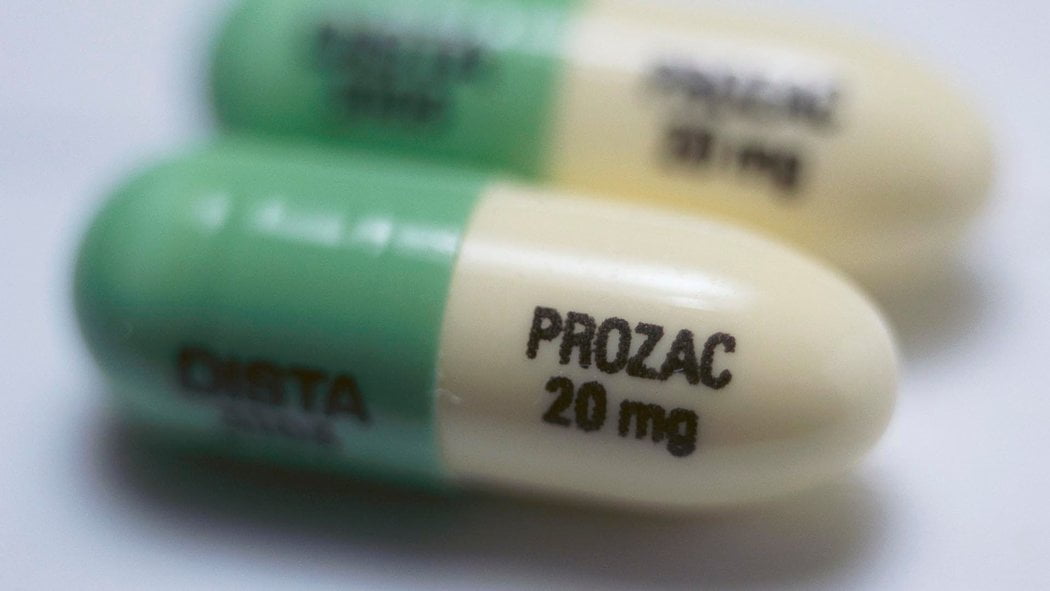
  • Signs of Depression: Early Clues and Red Flags

    Signs of Depression: Early Clues and Red Flags

    The signs of depression often include a lasting low mood, loss of interest, fatigue, sleep or appetite changes, slowed thinking, and withdrawal from daily life. These changes matter most when they persist, feel out of character, or interfere with work, school, caregiving, relationships, or self-care.

    Depression is not a personal failure or a simple bad mood. It is a health condition that can affect emotions, thinking, the body, and behavior. Early recognition can help you describe what is happening, support someone you care about, and seek help before symptoms become more disruptive.

    Key Takeaways

    • Core pattern: Low mood and loss of interest often cluster with fatigue.
    • Body clues: Sleep, appetite, pain, libido, and energy can shift.
    • Thinking changes: Concentration, memory, motivation, and decisions may slow.
    • Life impact: Missed tasks, isolation, and routine disruption deserve attention.
    • Urgent risks: Self-harm thoughts, psychosis, or severe withdrawal need immediate support.

    How to Recognize Signs of Depression Early

    Early signs of depression usually appear as a change from someone’s usual baseline. A person who was social may stop replying. A reliable student may miss deadlines. A caregiver may feel emotionally flat, exhausted, or unable to enjoy moments that once felt meaningful.

    Clinicians look at both symptoms and function. Depressive symptoms become more concerning when they last most of the day, occur on many days, and continue for about two weeks or longer. That timing is not a rule for whether someone deserves support. It is a clinical marker used to help identify major depressive episodes.

    Common symptoms of depression include sadness, emptiness, irritability, hopelessness, guilt, low energy, and loss of pleasure. The clinical term for loss of pleasure is anhedonia. It can look like avoiding hobbies, feeling detached from loved ones, or going through daily routines without emotional connection.

    Why it matters: Naming the pattern can reduce shame and make care conversations clearer.

    Some people ask whether depression has a “stage 1.” Depression is not usually staged like cancer or kidney disease. In everyday language, “early-stage depression” may describe mild or emerging symptoms before daily function collapses. Even mild symptoms can deserve attention if they persist or keep returning.

    Emotional, Physical, Cognitive, and Behavioral Clues

    The signs of depression can be easier to spot when you group them by how they show up. No single symptom proves depression. The overall pattern is more useful than a checklist score alone.

    Emotional symptoms

    Emotional symptoms may include sadness, numbness, guilt, shame, irritability, anxiety, or a sense that nothing will improve. Some people cry more easily. Others cannot cry at all and describe feeling blank. Irritability can be especially common in teens and in adults who do not identify with feeling “sad.”

    Physical symptoms

    Physical signs of depression can include fatigue, sleep disruption, appetite changes, headaches, stomach upset, body aches, and slowed movement. Sleep may swing in either direction. Some people wake early and cannot return to sleep. Others sleep long hours yet still feel drained.

    Appetite may decrease, increase, or become tied to comfort eating. Weight changes can follow, but they are not required. Low libido and changes in menstrual patterns can occur, though many factors can contribute. New or worsening physical symptoms should also be discussed with a clinician because medical conditions can mimic or worsen depression.

    Cognitive symptoms

    Cognitive symptoms of depression affect thinking. You may reread the same sentence, forget appointments, lose your train of thought, or struggle to choose between small options. Rumination, or repetitive negative thinking, can make ordinary tasks feel heavy and urgent at the same time.

    Behavioral signs

    Behavioral signs include canceling plans, avoiding calls, missing classes, falling behind at work, neglecting hygiene, or losing interest in hobbies. A person may appear “lazy” from the outside, but the inner experience often feels like being stuck, slowed down, or overwhelmed.

    Quick tip: Track sleep, appetite, energy, mood, and motivation for one week.

    Signs Across Ages and Life Stages

    Depression can look different across ages because responsibilities, communication styles, and health risks change. The same underlying condition may appear as irritability in one person, exhaustion in another, and social retreat in someone else.

    Children and teens

    Signs of depression in children may include clinginess, stomachaches, irritability, school refusal, falling grades, or loss of interest in play. Children may not have the words to say they feel hopeless. They may complain that they are bored, tired, or not good at anything.

    Signs of depression in teens can include withdrawal, sleep shifts, anger, risk-taking, substance use, missed assignments, and loss of interest in sports, music, gaming, or friendships. Teens may express despair through dark jokes, posts, or memes. Any talk of self-harm deserves a calm, direct response and timely support.

    College students and young adults

    Signs of depression in college students and young adults often blend with stress, transition, and sleep disruption. Watch for missed classes, unfinished work, skipped meals, isolation, heavy drinking, or a sharp drop in motivation. A student may still attend events while feeling detached and depleted afterward.

    Young adults may also face relationship changes, financial pressure, identity stress, and uncertainty about the future. These pressures do not make depression “normal.” They can make it harder to notice when support is needed.

    Pregnancy, postpartum, and perinatal periods

    Perinatal depression can occur during pregnancy or after birth. Postpartum depression signs may include persistent sadness, panic, guilt, rage, numbness, intrusive thoughts, trouble bonding, or fear of being left alone with the baby. These symptoms are not a character flaw. They are treatable health concerns.

    If postpartum symptoms include thoughts of harming oneself or the baby, hallucinations, delusions, or severe confusion, urgent evaluation is needed. For more detail on this life stage, see Postpartum Depression Symptoms.

    Older adults

    Signs of depression in the elderly may appear as fatigue, pain, sleep problems, slowed movement, appetite loss, memory concerns, or loss of interest. Older adults may deny sadness and instead say they feel weak, useless, or tired of everything. Grief, isolation, chronic illness, and medication effects can all complicate the picture.

    Because depression can overlap with dementia, thyroid disease, vitamin deficiencies, medication side effects, and chronic pain, assessment should include both mental and physical health review.

    Causes, Risk Factors, and Related Conditions

    Depression usually develops from several factors rather than one single cause. Biology, genetics, stress, trauma, sleep disruption, chronic illness, substance use, grief, and social isolation can all contribute. For a deeper look at risk pathways, see What Causes Depression.

    Chronic medical conditions can also raise depression risk or make symptoms harder to manage. Pain, inflammation, reduced mobility, financial strain, and treatment burden may all affect mood. The relationship can go both ways: depression may reduce activity, sleep quality, medication adherence, and follow-up care. Our discussion of Major Depressive Disorder and Chronic Illnesses explores that overlap further.

    Some mental health conditions commonly coexist with depression. Obsessive-compulsive disorder, anxiety disorders, substance use disorders, eating disorders, and trauma-related symptoms can all affect mood. When intrusive thoughts or compulsions are part of the picture, OCD and Depression offers related context.

    Seasonal affective disorder signs often follow a seasonal pattern, commonly with low energy, oversleeping, carbohydrate cravings, and withdrawal during darker months. Persistent depressive disorder, also called dysthymia, involves long-lasting low mood that may feel like “just my personality” because it has been present for years.

    Depression, Anxiety, and Bipolar Depression

    Depression and anxiety often overlap, but their center of gravity differs. Depression tends to bring low mood, loss of interest, heaviness, and slowed motivation. Anxiety tends to bring worry, tension, fear, and physical arousal. Many people experience both, which can make sleep and concentration worse.

    Depression vs anxiety symptoms can also blur. Restlessness may occur in either condition. So can fatigue. The key is to describe the full pattern: what you feel, what your body does, what thoughts repeat, and what parts of life have changed.

    Bipolar depression can look very similar to unipolar depression during a low episode. The difference depends on history. A clinician may ask about past periods of unusually elevated or irritable mood, decreased need for sleep, impulsive behavior, rapid speech, or increased goal-directed activity. This matters because treatment planning can differ.

    If medication options are discussed, ask how the choice fits your diagnosis, symptom pattern, medical history, and other medicines. For general background, you can review Medications for Depression. Product pages such as Fluoxetine, Sertraline HCl, and Escitalopram can provide medication-specific navigation, but treatment decisions should come from a qualified clinician.

    High-Functioning, Atypical, and Hidden Presentations

    High functioning depression signs can be easy to miss because the person still performs. They may meet deadlines, care for family, smile in public, and appear organized. Privately, they may feel empty, exhausted, detached, or unable to recover after ordinary demands.

    Masking can delay support. A person may think, “I cannot be depressed because I am still working.” Function does not erase distress. It may simply mean the person is using every available resource to keep going.

    Signs of atypical depression may include mood brightening after positive events, oversleeping, increased appetite, heavy or leaden feelings in the body, and strong sensitivity to rejection. The name can be misleading. “Atypical” does not mean rare or less serious. It describes a symptom pattern that clinicians may consider during evaluation.

    People may also hide symptoms because of stigma, culture, caregiving expectations, or fear of burdening others. Listen for changes in language. Phrases like “I am tired of trying,” “everyone would be better without me,” or “nothing matters” deserve careful follow-up.

    Warning Signs That Need Prompt or Urgent Help

    Warning signs of depression include self-harm thoughts, feeling unsafe, severe withdrawal, heavy substance use, or losing touch with reality. A sudden calm after intense distress can also be concerning, especially if it follows hopeless statements or planning behavior.

    Seek immediate support if someone talks about wanting to die, searches for methods, gives away valued items, writes goodbye messages, or cannot commit to staying safe. If there is immediate danger, call local emergency services. In the United States, the 988 Suicide & Crisis Lifeline provides 24/7 crisis support; see SAMHSA information about 988.

    Other red flags include hallucinations, delusions, extreme agitation, inability to sleep for days, severe confusion, or risky impulsive behavior. These symptoms need urgent assessment because they may signal a crisis, bipolar-spectrum episode, substance-related problem, medication reaction, or another medical condition.

    If you are supporting someone, use direct and compassionate language. Ask whether they are thinking about harming themselves. This question does not put the idea in someone’s head. It can create space for honesty and faster help.

    What to Track Before a Care Conversation

    A short symptom record can make clinical discussions more useful. You do not need a perfect journal. A few notes can show patterns that memory may miss, especially when concentration is low.

    • Mood pattern: Note sadness, irritability, numbness, or hopelessness.
    • Interest level: Record lost pleasure in hobbies or relationships.
    • Sleep changes: Track insomnia, oversleeping, or early waking.
    • Appetite shifts: Note eating less, eating more, or weight change.
    • Energy level: Describe fatigue and when it is worst.
    • Thinking changes: Include focus, memory, rumination, or indecision.
    • Daily function: List missed work, school, chores, or self-care.
    • Safety concerns: Write down self-harm thoughts or substance escalation.

    Bring a list of current medications, supplements, alcohol or substance use, medical conditions, and recent major stressors. If you already take an antidepressant or another mental health medication, do not stop or change it without prescriber guidance. Options such as Duloxetine or Bupropion XL may appear in treatment discussions for some people, but suitability depends on diagnosis, history, interactions, and individual risks.

    Screening tools such as the PHQ-9 can help structure a conversation, but they do not replace a full evaluation. Screening is a starting point, not a diagnosis by itself. Cultural expressions of distress also vary, so describe what feels different for you in your own words.

    If you want broader mental health reading, the Mental Health collection can help you explore related topics. Medication access pages in the Mental Health Products category are best used as neutral navigation, not as substitutes for clinical advice.

    Authoritative Sources

    For a clinical overview of depressive symptoms and types, see the National Institute of Mental Health depression resource.

    For global public health context and symptom framing, review the World Health Organization depression fact sheet.

    For crisis support information in the United States, use SAMHSA guidance on the 988 Lifeline.

    Recap

    The signs of depression may affect mood, body sensations, thinking, behavior, and daily function. Early clues often look like a sustained change from baseline: less interest, less energy, more withdrawal, disrupted sleep, or slower thinking. Serious warning signs, especially self-harm thoughts or feeling unsafe, need immediate support.

    When symptoms are persistent, confusing, or impairing, a qualified clinician can help sort depression from anxiety, bipolar-spectrum conditions, medical causes, grief, substance effects, and medication-related issues. Tracking patterns and speaking plainly about what has changed can make that conversation more productive.

    This content is for informational purposes only and is not a substitute for professional medical advice.

  • Lexapro vs Cipralex: Differences That Matter in Care

    Lexapro vs Cipralex: Differences That Matter in Care

    Lexapro vs cipralex is mostly a comparison of brand names, not different active medicines. Both contain escitalopram, a selective serotonin reuptake inhibitor (SSRI) used for depression and some anxiety disorders. The differences usually involve country labeling, packaging, tablet appearance, inactive ingredients, and local prescribing guidance. That matters because patients may see different names on pharmacy labels, travel with medication, or compare advice from U.S. and Canadian sources.

    This article explains what is the same, what can vary, and which questions are worth taking to your clinician. It does not replace individualized medical advice.

    Key Takeaways

    • Same active ingredient: Lexapro and Cipralex both contain escitalopram.
    • Brand differences: Labels, packaging, and inactive ingredients may vary by country.
    • Dose decisions: Clinicians adjust treatment based on response, tolerability, age, and other medicines.
    • Timing can help: Morning or evening dosing may suit different side effects.
    • Safety needs planning: Alcohol, missed doses, interactions, and mood changes deserve careful review.

    Are Lexapro and Cipralex the Same Medicine?

    Yes. Lexapro and Cipralex are brand names for escitalopram. Escitalopram belongs to the SSRI class, which affects serotonin signaling in the brain. Serotonin is one chemical messenger involved in mood, anxiety, sleep, and appetite regulation.

    The main distinction is regional. Lexapro is commonly recognized in the United States. Cipralex is commonly recognized in Canada and other markets. A person may also receive generic escitalopram, which contains the same active drug but may come from a different manufacturer.

    That does not mean every tablet looks identical. Non-medicinal ingredients, color, imprint, packaging, and patient leaflets may differ. Some people notice these differences when switching pharmacies or countries. Most differences do not change the core therapeutic action, but they can affect practical details like pill recognition or sensitivity to fillers.

    Why it matters: If your bottle changes name or appearance, confirm the active ingredient before assuming your treatment changed.

    For readers comparing product names, the site also lists Cipralex Lexapro and Escitalopram pages for medication identity and formulation context. These pages should not replace the prescribing information your clinician uses.

    What Actually Differs Between the Two Brands?

    Lexapro vs cipralex becomes more useful when you separate clinical sameness from practical differences. The active ingredient is the same. The surrounding details may vary.

    Labeling and approved uses

    Regulators approve medicines within specific jurisdictions. U.S. and Canadian labels may not use identical wording. They may also organize safety warnings, age groups, or indication language differently. A clinician may still make decisions based on the full medical picture, local standards, and current evidence.

    For example, both labels discuss depression, anxiety-related use, adverse effects, drug interactions, and warnings about worsening mood or suicidal thoughts, especially in younger people. The exact wording and format can differ.

    Inactive ingredients and tablet appearance

    Inactive ingredients help form the tablet, preserve stability, or affect coating. They usually do not drive the medicine’s main effect. Still, they can matter for people with allergies, intolerances, or unusual reactions to dyes or fillers.

    Tablet color, shape, score lines, and imprint can also change. If a tablet looks different, ask the dispensing pharmacy to confirm it before taking it. That is a safety step, not a reason to panic.

    Access and documentation

    Access pathways can also differ. BorderFreeHealth connects U.S. patients with licensed Canadian partner pharmacies, and prescription details are verified with the prescriber when required before pharmacy dispensing. This is a service context, not a clinical reason to choose one brand over another.

    Dosing Context: Why the Number Matters Less Than the Plan

    Escitalopram dosing depends on the person, not the brand name alone. Clinicians consider the diagnosis, previous medication response, age, side effect sensitivity, other health conditions, and interacting medicines. They may start lower for some people and adjust gradually if needed.

    Many readers compare 5 mg, 10 mg, or 20 mg discussions online. Those numbers can appear in real prescribing, but they do not answer what is appropriate for one person. A higher number is not automatically better, and a lower number is not automatically ineffective. The goal is symptom improvement with tolerable adverse effects.

    People searching for 10 vs 20 mg Lexapro anxiety are usually asking whether a dose change will improve anxiety symptoms. That decision needs clinician guidance because benefits and side effects both matter. Anxiety can also shift during the first phase of SSRI treatment, which makes follow-up important.

    If you want more label-based context, review Escitalopram Dosage and Safe Use. For anxiety-specific considerations, Escitalopram for Anxiety discusses common treatment considerations without telling readers how to self-adjust.

    Quick tip: Keep a simple symptom and side effect note before follow-up visits.

    Timing Your Dose: Morning, Evening, and Sleep

    The best time to take escitalopram is usually the time you can take consistently. Some people feel more alert after a dose and prefer mornings. Others feel sleepy, nauseated, or lightheaded and find evenings easier. Your clinician or pharmacist can help you adjust timing safely if side effects interfere with daily life.

    People often ask about the best time to take Lexapro for anxiety or the best time to take Lexapro to avoid insomnia. There is no single schedule that fits everyone. If insomnia appears after starting treatment, morning dosing may be discussed. If daytime drowsiness is the issue, evening dosing may be considered.

    Consistency matters because escitalopram works best as a steady daily medication. Frequent skipped doses can lead to uncomfortable symptoms or make it harder to judge whether the medicine is helping. If you miss a dose, follow the instructions from your prescription label or pharmacist rather than doubling up without advice.

    Side Effects, Safety Signals, and When to Seek Help

    Escitalopram can cause side effects, especially when starting or changing doses. Commonly discussed effects include nausea, headache, dry mouth, sweating, sleep changes, fatigue, and sexual side effects. Many early effects may ease, but persistent or distressing symptoms deserve follow-up.

    Serious reactions are less common but important. Seek urgent medical help for symptoms such as severe allergic reaction, confusion, high fever, muscle rigidity, fainting, seizures, or thoughts of self-harm. Serotonin syndrome is a rare but serious reaction linked to excess serotonin activity, especially when serotonergic medicines are combined.

    Escitalopram may also interact with medicines that affect bleeding risk, heart rhythm, or serotonin. Examples can include some migraine medicines, other antidepressants, certain pain medicines, anticoagulants, and supplements such as St. John’s wort. Bring a full medication list to every visit, including over-the-counter products.

    People sometimes ask what organ Lexapro is hard on. The safer answer is that escitalopram is processed by the body through normal liver and kidney pathways, but it is not usually described as targeting one organ in the way some medicines do. However, liver disease, kidney disease, heart rhythm concerns, low sodium risk, and multiple medications can change monitoring needs. Your prescriber can decide whether extra caution applies.

    For a focused discussion of common and serious adverse effects, see Escitalopram Side Effects. For broader mental health medication topics, the Mental Health category may help you compare related educational resources.

    Alcohol, Missed Doses, and Everyday Risk Decisions

    Skipping escitalopram to drink alcohol is not a reliable safety strategy. It can create uneven medication levels and may worsen dizziness, sedation, judgment, or mood symptoms. Alcohol can also complicate anxiety and depression treatment even when no immediate interaction is obvious.

    The common question, can I skip a dose of Lexapro to drink, deserves a direct answer: do not make that change without medical guidance. If alcohol is part of your social life, be honest with your clinician before and during treatment. That conversation can cover your usual amount, frequency, driving risk, sleep, and mood patterns.

    Missed doses should be handled using label instructions or pharmacy advice. Doubling doses can increase side effects. Repeated missed doses can also lead to discontinuation symptoms, such as dizziness, irritability, flu-like feelings, or sensory disturbances. These symptoms can happen with SSRIs, especially after abrupt changes.

    Travel adds another layer. Keep medication in labeled packaging when possible. If your label says Cipralex in one country and Lexapro in another, the active ingredient name, escitalopram, can help clinicians and pharmacists understand the match.

    How Escitalopram Compares With Related SSRIs

    Lexapro vs cipralex is a same-molecule comparison, while comparisons with Zoloft, Prozac, Celexa, or fluvoxamine involve different medicines. Those differences can affect side effects, interactions, half-life, and individual response. None is universally best for every person.

    Escitalopram and citalopram

    Escitalopram is closely related to citalopram, sold under brand names such as Celexa. Citalopram contains a mixture of mirror-image forms, while escitalopram is the S-enantiomer. An enantiomer is one of two mirror-image molecular forms. This chemistry helps explain why the medicines are related but not identical.

    People asking about the advantage of Lexapro over Celexa or switching from Celexa to Lexapro are usually trying to understand tolerability, response, and side effect differences. These questions are best answered with a prescriber because past response, QT interval concerns, other medicines, and side effects all matter. If you are researching the related product identity, the site includes a Celexa page for basic medication context.

    Escitalopram and sertraline

    Sertraline, commonly known by the brand name Zoloft, is another SSRI. Some people compare Zoloft vs Lexapro for anxiety, depression, weight change, or sexual side effects. These comparisons can be useful, but online reviews often overrepresent strong positive or negative experiences.

    Clinicians may consider sertraline when a different SSRI profile makes sense. They may also consider past family response, interacting medicines, pregnancy-related considerations, or other diagnoses. For medication identity context, see Sertraline HCL.

    Escitalopram and fluvoxamine

    Fluvoxamine is also an SSRI, but it has a different interaction profile and is often discussed in specific anxiety-spectrum contexts. If you are comparing options beyond escitalopram, Fluvoxamine vs Escitalopram can help frame questions for a clinician.

    Questions to Bring to Your Clinician or Pharmacist

    A focused conversation can prevent confusion and unsafe changes. Bring the bottle, your medication list, and a short note about symptoms. If the name changed from Lexapro to Cipralex or generic escitalopram, ask whether the active ingredient and intended dose are the same.

    • Brand confirmation: Is this escitalopram, despite the label name?
    • Side effect pattern: Which effects should improve, and which need a call?
    • Timing plan: Should morning or evening dosing fit my symptoms better?
    • Alcohol guidance: What limits or precautions apply to me?
    • Interaction review: Do my other medicines or supplements raise concerns?
    • Follow-up timing: When should response and tolerability be reassessed?

    If affordability or continuity is part of the discussion, ask about legitimate prescription options and documentation requirements. Some patients without insurance explore cash-pay, cross-border prescription options, subject to eligibility and jurisdiction.

    Authoritative Sources

    For patient-friendly medication information, review MedlinePlus information on escitalopram.

    For Canadian labeling details, consult the Health Canada Cipralex product monograph.

    For antidepressant safety context in younger people, see the FDA discussion of antidepressants and suicidality.

    Recap

    Cipralex and Lexapro contain the same active ingredient: escitalopram. The differences that matter most are usually regional labeling, inactive ingredients, tablet appearance, access pathway, and the guidance attached to your prescription. Dose, timing, and switching decisions should be based on your clinical situation, not the brand name alone.

    If your medication name, tablet appearance, or instructions change, verify the active ingredient with a pharmacist or prescriber. If your mood worsens, side effects feel severe, or self-harm thoughts appear, seek urgent support right away.

    This content is for informational purposes only and is not a substitute for professional medical advice.

  • Celexa vs Prozac: Side Effects, Safety, and Key Differences

    Celexa vs Prozac: Side Effects, Safety, and Key Differences

    When people look up Celexa vs Prozac: Differences, Side Effects, and Uses, they are usually comparing two SSRIs that can both treat depression but differ in approved uses, interaction risk, side-effect patterns, and how long they stay in the body. Celexa is the brand name for citalopram. Prozac is the brand name for fluoxetine. Fluoxetine has a broader set of FDA-approved uses, while citalopram has a narrower label and a more specific heart-rhythm caution. Neither medicine is universally better. The real question is which one fits the diagnosis, your other medications, and the side effects that matter most.

    Key Takeaways

    • Celexa and Prozac are both selective serotonin reuptake inhibitors, or SSRIs.
    • Fluoxetine has more FDA-approved uses than citalopram.
    • Common side effects overlap, but sleep and energy effects may differ.
    • Citalopram has a notable QT interval caution, while fluoxetine has more interaction concerns.
    • Missed doses, withdrawal, and switching plans are not the same for both medicines.

    Celexa vs Prozac at a glance

    Celexa and Prozac belong to the same drug class: selective serotonin reuptake inhibitors, or SSRIs. Both work by increasing serotonin signaling in the brain, which can help improve mood and reduce some anxiety symptoms. If you want label-style product context, see Celexa and Fluoxetine. For broader condition education, the Mental Health Hub covers related topics.

    Where they differ is often more important than where they match. Fluoxetine stays in the body much longer, which may matter for missed doses, switching plans, and interaction checks. Citalopram has a shorter half-life, meaning it leaves the body faster, but that can make discontinuation symptoms more noticeable if it is stopped suddenly. If you are browsing the class rather than one medicine, the Mental Health Products hub shows how these treatments fit into a wider category.

    Topic Celexa Prozac
    Generic name Citalopram Fluoxetine
    Drug class SSRI antidepressant SSRI antidepressant
    FDA-approved U.S. uses Major depressive disorder Depression plus several other approved uses
    Common day-to-day pattern May feel more calming or tiring for some people May feel more activating for some people
    Key caution that stands out QT interval risk in certain situations More interaction concerns and longer persistence

    This is why a comparison works best as a set of tradeoffs, not a winner-take-all contest. Two medicines can share a class and still differ in how often they disturb sleep, how much interaction checking they need, and what happens if a dose is missed. Those practical issues often matter more than broad claims that one drug is simply stronger.

    BorderFreeHealth works with licensed Canadian partner pharmacies for eligible U.S. patients.

    Uses: where the labels differ

    The clearest label difference is that fluoxetine is approved for more conditions. In the U.S., citalopram is primarily approved for major depressive disorder. Fluoxetine is approved for major depressive disorder and several other conditions, including obsessive-compulsive disorder, panic disorder, and bulimia nervosa, with some uses depending on age or combination therapy. That broader label does not automatically make Prozac a better antidepressant. It simply means more diagnoses have formal FDA approval behind them.

    For depression, both medicines are established SSRI options. The difference becomes more meaningful when the diagnosis is not straightforward or when symptoms point toward another condition, such as obsessive thoughts, panic attacks, or binge-purge behaviors. In those cases, the label-supported uses of fluoxetine may shape the starting conversation even if another medicine is ultimately chosen.

    Depression is not the only question

    People often compare Celexa vs Prozac for anxiety, but approval status and real-world use are not the same thing. Both medicines may be prescribed for anxiety-related conditions, yet the strength of label support differs by diagnosis. If anxiety is the main issue, clinicians also may compare fluoxetine or citalopram with other SSRIs such as Escitalopram and Sertraline.

    That wider comparison matters because symptom patterns differ. Someone with low energy and oversleeping may react differently than someone whose main problem is panic, insomnia, or gastrointestinal tension. Other SSRIs, including Paxil and Luvox, sit in the same family but bring their own tradeoffs in sedation, interactions, and approved uses.

    Off-label prescribing can be appropriate, but it works best when the reason is clear and the benefit is being tracked. That is especially important when an antidepressant is being used for symptoms that can overlap with other conditions.

    Why it matters: Approved uses show where label-backed evidence is strongest.

    Side effects people often notice first

    Most Celexa vs Prozac side effects overlap because both raise serotonin. Early effects can include nausea, headache, dry mouth, sweating, stomach upset, sleep changes, and sexual side effects. Many of these symptoms are most noticeable in the first few weeks, then may ease as the body adjusts. Still, some people need a different plan if side effects remain disruptive.

    The daily-life difference many people notice is activation versus sedation. Fluoxetine can feel more activating for some people, with more insomnia, jitteriness, or a wired feeling. Citalopram may feel more neutral or somewhat calming, but it can also cause fatigue or daytime sleepiness in some people. These are patterns, not rules. The same medicine that causes restlessness in one person may feel steady in another.

    Sexual side effects deserve their own mention because they are common reasons people stop SSRIs early. Either medicine can affect libido, arousal, or orgasm. Appetite changes can also cut both ways. Some people eat less when nausea or activation is prominent. Others eat more once depression improves. That is why short-term online anecdotes rarely predict what will happen over months.

    • Nausea early on: common with both medicines.
    • Sleep changes: insomnia may stand out more with fluoxetine.
    • Fatigue or drowsiness: some people notice this more with citalopram.
    • Sexual side effects: possible with either option.
    • Appetite and weight: changes vary over time.

    Weight is one of the most searched comparison points, but there is no predictable winner. Some people notice reduced appetite early with fluoxetine. Others notice little difference, or they see weight changes later that are tied to mood recovery, sleep, appetite, and time on treatment. If that issue matters to you, our page on Antidepressants And Weight offers more context without promising a simple ranking.

    Some prescriptions require the pharmacy to confirm details with the original prescriber before dispensing.

    Safety issues that matter more than minor side effects

    The biggest clinical differences are citalopram’s QT interval prolongation, a heart-rhythm change seen on an ECG, and fluoxetine’s broader interaction footprint. Both medicines also share important class warnings, including a boxed warning about suicidal thoughts and behaviors in children, adolescents, and young adults. That does not mean everyone will feel worse, but it does mean mood changes, agitation, or new self-harm thoughts deserve prompt attention.

    Interaction and heart-rhythm concerns

    Citalopram may need extra caution in people with certain heart-rhythm risks or in those taking other medicines that can affect the QT interval. Low potassium or magnesium can also matter. Fluoxetine, by contrast, often raises more interaction questions because it affects liver enzymes that process many other medicines. Its long half-life can keep those interaction effects in play even after it is stopped.

    Shared SSRI risks matter too. Both can contribute to serotonin syndrome, a potentially dangerous buildup of serotonin, especially when combined with other serotonergic medicines or supplements. Both can increase bleeding risk when taken with drugs such as NSAIDs, aspirin, or anticoagulants. Both can also worsen mania in people with bipolar disorder and can rarely contribute to hyponatremia, or low sodium, especially in older adults.

    Celexa vs Prozac safety also depends on the full health picture. Older age, a history of fainting, bipolar symptoms, alcohol use, or multiple prescriptions can change the balance. Even common over-the-counter products matter. Cough medicines, migraine drugs, and herbal supplements like St. John’s wort can all affect serotonin or interaction risk.

    If a new antidepressant causes severe agitation, fainting, confusion, fever, muscle rigidity, rapidly worsening depression, or suicidal thinking, do not wait it out. Those are reasons to seek urgent medical help.

    Withdrawal, missed doses, and switching questions

    One of the most practical citalopram vs fluoxetine differences is how long the drug remains in the body. Fluoxetine has a long half-life and active metabolites, so blood levels fall slowly. Because of that, some people notice fewer abrupt discontinuation symptoms after a missed dose or after stopping, though symptoms can still occur. Citalopram clears faster, so stopping suddenly may be more likely to bring on discontinuation syndrome, or withdrawal-like symptoms after stopping, such as dizziness, irritability, sleep disturbance, or flu-like feelings.

    That same long persistence makes fluoxetine distinct when a switch is being planned. Even after the last dose, it can stay in the system long enough to affect the timing of another antidepressant or interacting medicine. This is one reason switching between SSRIs or to another class is not a do-it-yourself decision.

    People sometimes see Prozac’s long half-life as an automatic advantage. It can help with abrupt stopping symptoms, but it is not a free pass. A medicine that lasts longer can also take longer to fully clear if side effects or interactions become a problem. In other words, persistence can help in one situation and complicate another.

    For some people, the real question is not Celexa vs Prozac but SSRI vs another antidepressant class. In that setting, a clinician may also compare options such as Wellbutrin XL when side-effect priorities differ.

    Cash-pay cross-border options may exist for some eligible people without insurance.

    How to compare them in real life

    The best choice usually comes down to three things: the diagnosis, the side effects you can tolerate, and the rest of your medication list. A person with depression alone may weigh the options differently from someone who also has OCD, panic disorder, or a complicated interaction profile. A person who already struggles with insomnia may view fluoxetine differently than someone who fights daytime fatigue.

    Past experience matters more than internet rankings. If you have previously responded well or poorly to a certain SSRI, or if close relatives have had marked side effects with one, that history can inform a future discussion. It does not decide the answer on its own, but it is more useful than crowd-sourced claims that one medicine always gives more energy or always causes less weight change.

    Quick tip: Bring a full medication and supplement list to any antidepressant review.

    If you are sorting through Celexa vs Prozac differences before an appointment, these are practical questions to bring up:

    • Main diagnosis and goal: what symptom are we treating first?
    • Past response: have you or close family members done well or poorly on a similar drug?
    • Sleep and energy pattern: would a more activating or more calming medicine be harder to tolerate?
    • Interaction check: do current prescriptions, over-the-counter drugs, or supplements raise safety concerns?
    • Heart-rhythm history: is QT risk part of the decision?
    • Stopping plan: what happens if a dose is missed or a switch becomes necessary?

    What to do next is simple: use the comparison to sharpen the conversation, not to self-select a winner. Celexa and Prozac overlap in many ways, but their labels, interaction burden, and stopping profiles are not identical. That is why two people with the same diagnosis may land on different choices.

    Authoritative Sources

    Further reading: if you are still comparing SSRIs, focus on approved use, sleep effects, interaction risk, and how easy the medicine is to stop or switch. Those details usually matter more than broad claims that one drug is simply better than the other.

    This content is for informational purposes only and is not a substitute for professional medical advice.

  • Celexa Uses: Where It Fits in Depression Care

    Celexa Uses: Where It Fits in Depression Care

    Celexa uses center on treating major depressive disorder in adults, with some clinicians also considering citalopram for anxiety symptoms when the full clinical picture supports it. Celexa is the brand name for citalopram, a selective serotonin reuptake inhibitor, or SSRI. Why this matters: understanding where it fits, what to watch for, and which questions to ask can make treatment conversations safer and clearer.

    This article explains approved use, common off-label context, dosing basics, side effects, interactions, and comparison points. It does not tell you whether to start, stop, or change a dose. Those decisions need a prescriber who knows your history, other medicines, and current symptoms.

    Key Takeaways

    • Primary use: Celexa is approved for major depressive disorder in adults.
    • Anxiety context: It may be used off-label for anxiety-related symptoms in selected cases.
    • Dosing caution: Dose changes should be gradual and clinician-directed.
    • Side effects: Nausea, sleep changes, sweating, and sexual side effects are common.
    • Safety focus: Heart rhythm risk, serotonin syndrome, and abrupt stopping need attention.

    Understanding Celexa Uses and What It Treats

    Celexa is best understood as an antidepressant used for depression, not as a quick mood booster. Its approved indication is major depressive disorder, a condition that can affect mood, sleep, appetite, concentration, energy, and daily functioning. It belongs to the SSRI class, which affects serotonin signaling in the brain.

    In practice, celexa uses may also come up when depression and anxiety overlap. Many people with depression experience persistent worry, tension, panic-like sensations, or trouble sleeping. A clinician may consider citalopram when those symptoms sit within a broader depression pattern, or when another SSRI is not a good fit.

    Off-label use means a medicine is prescribed for a condition beyond its formal approval. This is common in medicine, but it still requires careful judgment. Your clinician should weigh symptom history, prior treatment response, side effect risk, pregnancy considerations, age, heart history, and current medications.

    If you are comparing medication paths, a broader overview of Medications for Anxiety and Depression can help you frame the discussion. For general mental health reading, the Mental Health collection may also be useful.

    Why it matters: The diagnosis and treatment goal shape how benefits and risks are judged.

    How Citalopram Works and How It Can Feel at First

    Citalopram works by increasing serotonin availability between nerve cells. Serotonin is a chemical messenger involved in mood, sleep, appetite, and emotional regulation. The effect is gradual, so early changes can feel subtle or uneven.

    People often ask how citalopram makes you feel at first. Some notice stomach upset, mild headache, sweating, dry mouth, sleep changes, or a jittery feeling during the first phase of treatment. Others feel tired or emotionally flatter than expected. These experiences do not always predict the final response, but they deserve tracking.

    Celexa is not usually described as simply energizing or sedating. It can feel activating for one person and calming or sleep-inducing for another. Timing, dose, caffeine intake, anxiety level, and other medicines can all influence that experience.

    Keep a simple log of mood, sleep, appetite, anxiety, and side effects. Bring it to follow-up visits. A short record helps your prescriber see whether symptoms are improving, side effects are fading, or the plan needs review.

    Dosing Basics and Why Maximum Doses Matter

    Citalopram dosage should be individualized, because tolerability and safety vary. Prescribers often start with a lower dose and adjust based on response, side effects, age, liver function, other medicines, and heart rhythm risk. Do not change the dose on your own, even if you feel better or worse.

    Regulators place limits on citalopram dosing because higher exposure can increase the risk of QT prolongation. QT prolongation is a change in the heart’s electrical recovery time that can raise the risk of abnormal rhythms in susceptible people. This is why questions such as whether 40 mg is a high dose, or whether 60 mg is appropriate, should be answered using current labeling and your medical history.

    Older adults, people with certain liver problems, and people taking medicines that affect citalopram levels may need lower maximum limits. A prescriber may also consider an electrocardiogram, often called an ECG or EKG, when risk factors are present. This is especially relevant if you have fainting episodes, known rhythm problems, low potassium or magnesium, or take other QT-affecting medicines.

    For a deeper discussion of labeled ranges and common titration questions, see Celexa Dosage. Use it as a conversation aid, not as a dosing instruction.

    Celexa for Anxiety, Depression, and Daily Function

    Celexa for anxiety is usually discussed when worry, panic symptoms, or physical tension appear alongside depression. It may also be considered off-label for some anxiety disorders, but that decision depends on diagnosis, prior responses, and competing risks.

    Medication is only one part of a care plan. Therapy, sleep routines, activity planning, reduced alcohol use, and stress-management skills can support recovery. If symptoms include trauma, substance use, bipolar disorder, eating disorder behaviors, or thoughts of self-harm, the plan may need a different structure and closer monitoring.

    Decision factors to discuss

    • Symptom pattern: low mood, worry, panic, sleep, or appetite changes.
    • Past response: benefits or side effects from earlier antidepressants.
    • Medical history: heart rhythm issues, seizures, liver disease, or bleeding risk.
    • Medication list: migraine drugs, other antidepressants, blood thinners, or supplements.
    • Life context: pregnancy plans, caregiving needs, work schedule, and alcohol use.

    These details help your clinician decide whether celexa uses match your situation or whether another treatment path may be safer.

    Side Effects: Common, Sex-Specific, and Serious Signals

    Celexa side effects are often manageable, but some require prompt attention. Common effects can include nausea, dry mouth, sleep changes, sweating, tremor, diarrhea, fatigue, and sexual side effects. Some fade as the body adjusts. Others persist and need a treatment review.

    People sometimes search for citalopram side effects in females or males because side effects can feel personal and hard to discuss. Sexual side effects may include lower libido, delayed orgasm, or erectile difficulties. Menstrual changes are not among the most emphasized label effects, but any unexpected bleeding, bruising, or cycle change should be discussed, especially if you use blood thinners or anti-inflammatory pain relievers.

    Serious reactions are less common, but they matter. Seek urgent care for fainting, chest pain, severe dizziness, seizures, sudden confusion, hallucinations, high fever, stiff muscles, severe agitation, or fast heartbeat with sweating and diarrhea. These symptoms can suggest problems such as serotonin syndrome or a heart rhythm issue.

    For more detail on common and uncommon reactions, read Celexa Side Effects. It can help you prepare clearer questions for your prescriber.

    Eye and bleeding symptoms

    Rare eye-related concerns can include angle-closure glaucoma in susceptible people. Get urgent care for sudden eye pain, vision changes, swelling, or redness. SSRIs can also increase bleeding tendency in some situations, particularly with blood thinners, aspirin, or nonsteroidal anti-inflammatory drugs.

    Timing, Sleep, Alcohol, and What to Avoid

    The best time to take citalopram depends on how it affects you. If it makes you sleepy, evening dosing may be discussed. If it feels activating or disrupts sleep, morning dosing may be easier. The benefits of taking citalopram at night are mainly practical: some people sleep through mild nausea or drowsiness.

    Do not switch timing repeatedly without a plan. Consistent timing helps you and your clinician interpret effects more clearly. If you want to change from morning to night, or the reverse, ask how to do it safely.

    Alcohol deserves caution. Drinking can worsen drowsiness, judgment, coordination, and mood symptoms. Heavy alcohol use can also make depression and anxiety harder to assess. Some people can use small amounts safely, while others are advised to avoid it because of symptoms, other medications, or health history.

    Also avoid combining citalopram with other serotonin-raising medicines unless your prescriber is supervising the combination. This can include certain antidepressants, migraine medicines, linezolid, lithium, tramadol, and supplements such as St. John’s wort. Always share your full medication and supplement list.

    Quick tip: Keep one updated medication list on your phone and bring it to appointments.

    Comparing Citalopram With Related Options

    When people compare celexa vs lexapro, they are usually comparing citalopram with escitalopram. Escitalopram is closely related, but they are not identical. Dose ranges, side effect patterns, interactions, and personal response can differ.

    Other SSRIs, such as sertraline or fluoxetine, may be discussed when depression, anxiety, panic symptoms, fatigue, sleep disruption, or side effects shape the choice. No single SSRI is best for everyone. The better question is which option fits your diagnosis, risk profile, prior experience, and preferences.

    If you are weighing other SSRIs, see Celexa vs Zoloft for a focused comparison with sertraline. You can also review Celexa vs Prozac for differences involving fluoxetine, including its longer persistence in the body.

    Some readers also want product-level navigation after learning the basics. The Celexa page and the Mental Health Products category can provide context, but medication choice still belongs in a clinician-led discussion. Where required, prescription details are verified with the prescriber before a partner pharmacy dispenses a prescription.

    Stopping, Missed Doses, and Long-Term Monitoring

    Stopping citalopram suddenly can cause discontinuation symptoms. These may include dizziness, irritability, nausea, electric-shock sensations, sleep disruption, headache, or flu-like feelings. Symptoms can also resemble returning depression or anxiety, which is why supervised tapering matters.

    Long-term monitoring should focus on benefit, function, and burden. Ask whether the medicine is still helping your mood, sleep, anxiety, and daily routines. Also discuss sexual side effects, weight changes, fatigue, emotional blunting, and any new medical issues or medications.

    Some people stay on an antidepressant for extended periods because relapse risk is high. Others taper after a stable period, with clinician support. The right plan depends on the number of past episodes, severity, safety history, therapy support, and current life stress.

    When to contact a clinician promptly

    • Worsening mood: new or escalating depression symptoms.
    • Self-harm thoughts: any thoughts of suicide or unsafe behavior.
    • Heart symptoms: fainting, palpitations, chest pain, or severe dizziness.
    • Serotonin symptoms: fever, confusion, agitation, stiffness, or diarrhea.
    • Allergic signs: swelling, hives, breathing trouble, or severe rash.

    For immediate danger, call emergency services or a local crisis line. Do not wait for a routine medication appointment.

    Authoritative Sources

    The FDA prescribing information for Celexa outlines approved use, dosing limits, contraindications, and key warnings.

    The MedlinePlus citalopram drug information provides patient-friendly details on uses, precautions, side effects, and missed-dose guidance.

    The NAMI citalopram medication resource explains mental health medication context, safety points, and practical treatment questions.

    Recap

    Celexa uses mainly involve treatment of major depressive disorder, with anxiety-related use considered in selected situations. The most useful next step is a clear conversation about diagnosis, goals, side effects, dose limits, and monitoring. Bring your symptom notes, medication list, and safety concerns to each visit.

    Celexa can be helpful for some adults, but it is not a one-size-fits-all medicine. Careful dosing, honest reporting, and regular follow-up make the plan safer and easier to adjust.

    This content is for informational purposes only and is not a substitute for professional medical advice.