
Category: Mental Health

Living with ongoing worry, low mood, or trauma reminders can feel overwhelming. These Behavioral Health Resources support patients and caregivers who need clear, practical context. Use this hub to browse medications, compare care paths, and learn key terms. Ships from Canada to US is available for eligible prescription items.

Some pages discuss therapy options like psychotherapy (talk therapy) and teletherapy (video or phone visits). Others focus on prescription medicines used in depression, anxiety, ADHD, and bipolar disorder. Information here is educational and administrative, not diagnostic. Care decisions belong with licensed clinicians who know the full history.

Stigma can delay support and complicate everyday planning. Support groups, crisis resources, and family education can also matter. This category explains common terms used in behavioral health services and psychiatry.

Behavioral Health Resources: Category Overview

This hub supports browsing across medications, counseling topics, and everyday coping tools. It covers adolescent care needs and adult care needs in plain language. It also outlines how care teams can include primary care, psychiatry, and therapy.

Use this page to scan the main topics first. Then open the links that match the questions being asked now. Many people also use it to track patterns over time.

Prescription items are sourced through licensed Canadian partner pharmacies for U.S. patients.

What You’ll Find in This Category

These Behavioral Health Resources include both product listings and educational content. The listings help compare prescription items that may support symptom management. The reading pages explain terms, common concerns, and typical care pathways.

For medication browsing, start with the Mental Health product category. Then explore focused guides that match the questions coming up now.

How to Choose

Comparing Behavioral Health Resources works best when goals are clear. Some people want information for a first evaluation. Others need help organizing questions about medicines, therapy options, or follow-up visits.

Quick tip: Save a current medication list and prescriber contacts in one place.

Checklist for comparing options

This checklist is not medical advice, but it improves conversations.

  • Condition focus, such as major depressive disorder (MDD) or PTSD (trauma-related symptoms).
  • Age and support needs, including school supports and caregiver involvement.
  • Past responses, including benefits, side effects, and adherence barriers.
  • Medication form, like tablets versus long-acting injectable (LAI) options.
  • Interaction risks with alcohol, cannabis, or other prescriptions.
  • Monitoring needs, such as labs, weight checks, or symptom scales.
  • Care supports, including psychotherapy, family therapy, and peer support groups.

Many pages also discuss counseling approaches and stress management routines. Look for plain-language definitions when clinical terms feel unfamiliar. For example, psychiatry services focus on medical management, while therapy focuses on skills and processing.

Safety and Use Notes

Medication and therapy choices can affect sleep, appetite, and concentration. Side effects can be mild, serious, or delayed. This hub summarizes common safety themes, not personal recommendations.

When reviewing Behavioral Health Resources, watch for interaction warnings and discontinuation symptoms. Discontinuation symptoms can occur after missed doses or abrupt stopping. Some medications also carry boxed warnings for certain ages.

Safety notes may mention adverse effects (unwanted reactions) and warning labels. Terms like akathisia (inner restlessness) can appear in medication guides. Some pages explain ways to track symptoms and daily functioning. Serious or fast-changing symptoms need prompt medical attention.

Urgent safety and crisis support

Some moments require immediate help, not more reading. If someone is in immediate danger, call local emergency services. For U.S. crisis support, see the 988 Suicide & Crisis Lifeline. For background on medication classes, see the NIMH mental health medications page.

When a prescription is required, it is confirmed with the prescriber before dispensing.

Access and Prescription Requirements

Access barriers can add stress during ongoing symptoms. Behavioral Health Resources here include guidance on prescriptions and fulfillment steps. Many items require a current prescription from a licensed prescriber.

Some people use cash pay, including those without insurance. Requirements can vary by medication class and pharmacy rules. Keep records organized to reduce back-and-forth during verification.

Why it matters: Complete paperwork reduces delays when pharmacies need clarification.

  • Check each product page for prescription requirements and available formats.
  • Have prescriber details ready in case verification questions arise.
  • Review import and controlled-substance limits before selecting an item.
  • Plan refills around follow-up visits and monitoring schedules.
  • Store documents securely, especially when caregivers help manage care.

Cash-pay options are available for people who are without insurance.

This content is for informational purposes only and is not a substitute for professional medical advice.

  • The Science of Stress: Understanding Its Impact on Health

    The Science of Stress: Understanding Its Impact on Health

    The Science of Stress: Understanding Its Impact on Health is about how your brain and body react when pressure feels demanding, uncertain, or unsafe. Short bursts of stress can help you act quickly. Ongoing strain can affect sleep, mood, digestion, immune function, and cardiovascular health, so understanding the response helps you notice patterns earlier.

    Stress is not a personal failure. It is a bodywide response shaped by biology, past experiences, current demands, and support systems. The goal is not to remove every challenge. The goal is to lower overload, recover more often, and know when extra support may help.

    Key Takeaways

    • Stress is a normal alarm response, not a character flaw.
    • Acute stress can help in short bursts, while chronic stress can strain health.
    • Stress hormones affect the brain, heart, muscles, digestion, sleep, and immunity.
    • Warning signs include persistent tension, irritability, sleep disruption, and difficulty concentrating.
    • Resilience grows through recovery time, support, boundaries, and practical coping skills.

    The Science of Stress: Understanding Its Impact on Health in Plain Terms

    Stress is the brain’s interpretation that a demand may exceed your current resources. That demand can be physical, emotional, social, financial, or environmental. Your body then prepares to protect you, solve the problem, or escape the threat.

    A stressor is anything that starts this response. It may be obvious, such as a conflict at work. It may also be subtle, such as ongoing caregiving, chronic pain, discrimination, poor sleep, or financial insecurity. The body does not always separate a real emergency from a repeated mental burden.

    Two main systems coordinate the response. The sympathetic nervous system, the fight-or-flight branch, speeds up body functions that help you react. The HPA axis, a hormone signaling loop involving the hypothalamus, pituitary gland, and adrenal glands, helps release stress hormones that keep the body alert.

    Acute Stress and Chronic Stress

    The key difference is how long the alarm stays active. Acute stress is short-term and often resolves after the demand passes. Chronic stress continues for weeks, months, or longer, especially when recovery time is limited.

    Feature Acute Stress Chronic Stress
    Typical pattern Short burst during a clear challenge Repeated or ongoing pressure
    Body response Temporary alertness, faster heart rate, tense muscles Prolonged tension, disrupted sleep, fatigue, or irritability
    Possible benefit Can sharpen focus for a specific task Usually offers less benefit as recovery shrinks
    Health concern Usually settles when safety returns May contribute to physical and mental health strain

    This distinction matters because stress effects on health often depend on intensity, duration, recovery, and personal context. A demanding week is different from years of unrelenting pressure without rest or support.

    How Stress Hormones Move Through the Body

    Stress hormones help the body shift energy toward survival and action. Adrenaline and noradrenaline can increase alertness, breathing rate, and heart rate. Cortisol helps mobilize energy and influences inflammation, blood pressure, and sleep-wake rhythms.

    These hormones are not bad by themselves. They help you respond to danger, prepare for effort, and stay awake during urgent demands. Problems can arise when the alarm stays active too often, especially when daily life offers little chance to settle.

    During a stress response, the body may send more blood to large muscles. Breathing can become faster. Digestion may slow. Muscles may tighten. The brain may focus on threat scanning instead of reflection, planning, or flexible problem-solving.

    Why it matters: A body stuck on alert has less room for repair.

    After a stressful event, the parasympathetic nervous system helps restore calm. This branch supports rest, digestion, and recovery. Sleep, safe connection, steady routines, and physical relaxation can help the body move back toward balance.

    How Stress Can Affect the Brain, Sleep, and Body

    Stress can affect nearly every body system because the alarm response is bodywide. The same hormones and nerve signals that help in a crisis also influence mood, memory, appetite, pain sensitivity, and immune activity.

    Brain and Mood

    Stress and brain health are closely linked. Under pressure, attention may narrow, memory can feel less reliable, and small problems may feel urgent. Long periods of stress can also worsen worry, irritability, low motivation, and emotional exhaustion.

    Stress does not automatically mean someone has a mental health condition. Still, ongoing strain can overlap with anxiety and depression symptoms. If low mood, loss of interest, panic, or hopelessness persists, resources such as Depression Symptoms and Treatment and What Causes Depression can help you prepare for a clinician conversation.

    Heart, Immunity, and Digestion

    Stress and cardiovascular health are connected through blood pressure, heart rate, inflammation, sleep, and daily habits. Chronic stress may contribute to higher health risk when it combines with poor sleep, reduced activity, smoking, alcohol overuse, or limited access to care.

    The immune system can also shift under prolonged strain. Some people notice they feel run down during high-pressure periods. Others experience more muscle tension, headaches, stomach upset, reflux, appetite changes, or bowel pattern changes. These symptoms deserve attention when they are persistent, severe, or new.

    Sleep and Recovery

    Stress and sleep can reinforce each other. Stress may make it harder to fall asleep, stay asleep, or wake rested. Poor sleep then lowers patience, concentration, and emotional flexibility the next day.

    Recovery is not a luxury. It is part of the biology of resilience. Even brief pauses, predictable routines, and supportive contact can help interrupt the cycle between stress hormones, fatigue, and reactivity.

    Signs Chronic Stress May Be Building

    Chronic stress often shows up as patterns, not one isolated symptom. You may notice changes in your body, thoughts, emotions, behavior, or relationships before you connect them to pressure.

    • Body signs: Headaches, jaw tension, chest tightness, stomach upset, fatigue, or pain flares.
    • Mood signs: Irritability, worry, sadness, numbness, guilt, or feeling easily overwhelmed.
    • Thinking signs: Racing thoughts, forgetfulness, indecision, or trouble focusing.
    • Sleep signs: Trouble falling asleep, early waking, nightmares, or unrefreshing sleep.
    • Behavior signs: Withdrawing, procrastinating, overworking, overeating, or using alcohol more often.

    These signs are not a diagnosis. They are signals to slow down and look for patterns. If sadness, hopelessness, or loss of interest lasts, Signs of Depression may help you describe what has changed.

    Seek urgent help if stress comes with thoughts of self-harm, chest pain, severe shortness of breath, fainting, confusion, or feeling unsafe. Sudden or severe physical symptoms should be assessed promptly because stress is not the only possible cause.

    Quick tip: Track symptoms by time, trigger, body sensation, and recovery.

    Stress Triggers and Resilience Are Not Character Flaws

    Stress triggers are personal because life experiences, biology, and support systems differ. A trigger may be a deadline, an argument, a medical bill, a trauma reminder, a noisy environment, or the pressure to keep functioning while exhausted.

    Some stressors come from systems, not individual choices. Housing insecurity, caregiving burden, unstable work, discrimination, social isolation, and chronic illness can keep the body on alert. Advice that ignores these realities can feel blaming and unhelpful.

    Trauma can also change how quickly the nervous system detects threat. If reminders of past harm bring flashbacks, avoidance, numbness, or hypervigilance, PTSD Awareness Month offers related context. Repetitive intrusive thoughts or rituals may need a different lens, such as the one outlined in OCD Basics.

    Example: A person who feels calm on weekends may feel panicked every Sunday night. The trigger might not be weakness. It may be a predictable body response to a workplace pattern, sleep loss, or fear of conflict.

    Stress resilience means the ability to recover, adapt, and seek support. It is not the ability to tolerate endless pressure. Real resilience includes boundaries, rest, community, medical care when needed, and changes to the conditions that keep stress high.

    Practical Stress Coping Strategies That Respect Biology

    Stress coping works best when it lowers body arousal and reduces the load where possible. No single technique solves every stressor. A useful plan combines short-term calming skills with longer-term changes.

    1. Name the stressor: Write one sentence about what feels demanding right now.
    2. Lower body arousal: Try slow breathing, grounding, stretching, or a quiet pause.
    3. Protect sleep cues: Keep a wind-down routine when your schedule allows.
    4. Move gently: A short walk or light activity can help discharge tension.
    5. Reduce avoidable load: Postpone one non-urgent task or ask for one specific help.
    6. Limit stress stacking: Notice caffeine, alcohol, news, or late work that worsens symptoms.
    7. Use social support: Contact someone who can listen without escalating the situation.
    8. Plan the next step: Choose one action that is small enough to complete.

    If worry is the main stress pattern, How To Manage Anxiety offers practical approaches. For intense moments, Reduce Anxiety Immediately focuses on simple grounding steps.

    Stress prevention tips should be realistic. A person with one stressful meeting needs different tools than someone facing ongoing caregiving, trauma, or financial strain. Start with the part of the cycle you can influence today, then revisit the larger source of pressure with support.

    When Stress Overlaps With Anxiety, Depression, or Medication Questions

    Stress can mimic, trigger, or worsen mental health symptoms, but it does not explain every symptom. A clinician may ask about duration, sleep, appetite, substance use, trauma, medical conditions, family history, and safety.

    Medication is not a treatment for everyday stress by itself. It may be considered when a diagnosable condition, such as anxiety or depression, is present and the expected benefits outweigh the risks. For context, Anxiety And Depression Medicines explains how medicines may fit into care, while Anxiety Medication Basics covers common decision points.

    If an antidepressant or another mental health medicine is already part of your care, do not stop or change it without medical guidance. Side effects, withdrawal symptoms, and relapse risk can vary. Long-Term Antidepressants discusses monitoring questions to raise with a prescriber.

    When required, partner pharmacies verify prescription details with the prescriber before dispensing.

    After a clinician has discussed treatment options, the Mental Health Products hub can be used as a browseable list of medication names and categories. It should not replace diagnosis, prescribing advice, or follow-up care.

    What To Track Before You Ask for Help

    A simple record can make stress patterns easier to explain. It can also help you separate triggers, symptoms, coping attempts, and warning signs.

    • Timing: Note when symptoms start, peak, and settle.
    • Triggers: Record people, places, tasks, memories, or body sensations involved.
    • Body signals: Include sleep, appetite, pain, digestion, and energy.
    • Mood changes: Track worry, sadness, anger, numbness, or panic.
    • Coping attempts: List what helped, what failed, and what made symptoms worse.
    • Safety concerns: Write down any self-harm thoughts or moments of feeling unsafe.

    This record does not need to be perfect. A few notes over several days can help a clinician understand whether the pattern looks like stress overload, anxiety, depression, trauma-related symptoms, a medical issue, or a combination.

    For broader reading across related topics, the Mental Health Resources hub can help you browse condition and treatment explainers.

    Authoritative Sources

    The following sources support the general health information in this article:

    Further Reading and Recap

    The science of stress shows that pressure is both biological and contextual. Your nervous system is trying to protect you, even when the response becomes exhausting. Understanding the pattern can make symptoms feel less mysterious and help you choose the next supportive step.

    BorderFreeHealth may support cash-pay, cross-border prescription options without insurance when eligibility and jurisdiction allow.

    If stress is affecting your daily life, consider tracking symptoms, strengthening recovery time, and speaking with a qualified health professional. The most helpful plan usually addresses both the body response and the real-life pressures keeping it active.

    This content is for informational purposes only and is not a substitute for professional medical advice.

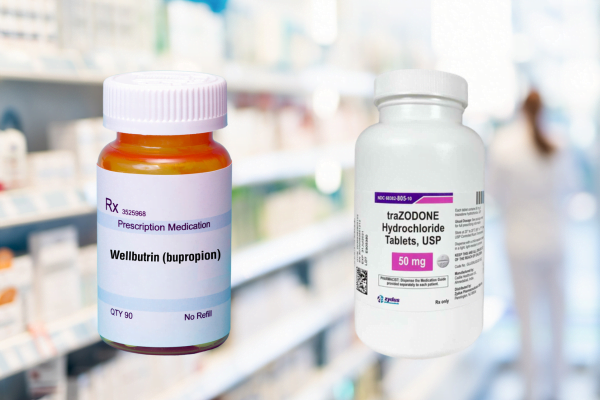
  • Can You Take Wellbutrin and Trazodone Together? Practical Guide

    Can You Take Wellbutrin and Trazodone Together? Practical Guide

    Many people ask can you take Wellbutrin and Trazodone together when depression, anxiety, or insomnia overlap. The short answer: it’s sometimes used together under careful supervision. This guide explains how each medicine works, where risks may arise, and what monitoring matters. Use it to prepare for a balanced conversation with your prescriber.

    Key Takeaways

    • Potential benefits: mood support, improved sleep, and symptom coverage.
    • Key risks: seizures, serotonin toxicity, and heart rhythm changes.
    • Start low, go slow: titration and monitoring reduce problems.
    • Timing strategies: morning bupropion, evening trazodone is common.
    • Watch for red flags: agitation, palpitations, severe headache, or confusion.

    Can You Take Wellbutrin and Trazodone Together?

    Clinicians sometimes combine bupropion (Wellbutrin) and trazodone to address depression with insomnia or anxiety. The medications act on different neurotransmitters, which can help cover both daytime mood and nighttime sleep. Still, the combination is not risk-free. Individual factors—dose, other medicines, heart history, and seizure threshold—shape whether it’s appropriate for you.

    Because both drugs affect the central nervous system, a cautious plan matters. Shared decision-making helps balance benefits and risks. Ask about goals, expected side effects, and how your clinician will monitor progress. For a deeper look at release formulations and tolerability, see Wellbutrin XL Side Effects for context on daytime activation and dose timing.

    For an overview of XL formulation specifics, see Wellbutrin XL Side Effects and What to Expect During Treatment, which explains how once-daily release can influence morning energy and sleep. This context can clarify why timing choices differ from immediate-release versions.

    How These Medications Work and Why They’re Combined

    Bupropion is a norepinephrine-dopamine reuptake inhibitor (NDRI), which can improve energy, concentration, and motivation. Trazodone is a serotonin antagonist and reuptake inhibitor (SARI) that also blocks histamine and alpha-1 receptors, making it sedating at low doses. Together, they may support daytime focus and nighttime sleep, especially when depression includes insomnia.

    Some people explore Wellbutrin with trazodone for sleep because daytime stimulation can coexist with nighttime sedation. That pairing may reduce middle-of-the-night awakenings. The plan should still be individualized. Your clinician may consider factors like anxiety sensitivity, blood pressure changes, and daytime drowsiness. For product details and formulation notes, review Wellbutrin XL to understand extended-release options, and Trazodone for a concise medication overview.

    When treatment includes dose adjustments, reference Wellbutrin Dosage for general ranges and titration principles. That guide helps you discuss why clinicians often start low, then adjust based on response and tolerability.

    Interaction Pathways: Metabolism, Serotonin, and Blood Pressure

    The main metabolic concern is that bupropion inhibits CYP2D6, a liver enzyme that affects many drugs. This matters if you take other CYP2D6 substrates because levels may rise and cause side effects. The phrase bupropion inhibits CYP2D6 trazodone interaction reflects a pharmacokinetic consideration, though trazodone itself is primarily metabolized by CYP3A4.

    You might also see mild blood pressure changes with bupropion, while trazodone can lower blood pressure and cause dizziness when standing. Sensitive patients may feel lightheaded, especially early in treatment or after dose increases. According to the FDA labeling for bupropion, there is a clear warning about enzyme inhibition and drug interactions; review the FDA label for bupropion for authoritative details in the official prescribing information.

    To compare interaction experiences across antidepressants, you can also skim Wellbutrin Side Effects Guide, which summarizes common activation, sleep changes, and when to contact your clinician. That perspective can help frame expectations when adding trazodone.

    Serotonin Syndrome and Central Nervous System Effects

    Most people tolerate this combination, but vigilance matters. The bupropion trazodone serotonin syndrome risk is considered low to moderate, yet real, because trazodone increases serotonergic tone. Symptoms may include agitation, tremor, sweating, fast heart rate, shivering, or confusion. Severe cases require urgent care.

    Because anxiety and insomnia often ebb and flow early in treatment, distinguishing side effects from disease symptoms can be tricky. Keep a simple daily log of sleep, mood, restlessness, and heart rate if you can. The trazodone drug information highlights serotonin toxicity and QT prolongation warnings; see the MedlinePlus trazodone page for an accessible overview on risks, interactions, and symptoms.

    Tip: If restlessness surges alongside sweating and tremor, call your clinician, especially if symptoms escalate quickly.

    Seizure and Cardiac Considerations

    Bupropion lowers the seizure threshold in a dose-dependent way. Adding sedatives or other agents that also affect the brain can complicate risk assessment. The phrase bupropion trazodone seizure risk points to a core concern: use clinically appropriate doses, avoid rapid titration, and respect personal seizure history. Alcohol misuse, abrupt benzodiazepine withdrawal, or eating disorders can further increase risk.

    Trazodone can affect cardiac conduction and may prolong the QT interval, especially with other QT-prolonging drugs or electrolyte abnormalities. People with structural heart disease, syncope, or family history of long QT should mention this upfront. If palpitations, fainting, or severe dizziness occur, seek medical attention. For official seizure and rhythm cautions, consult the FDA label for bupropion referenced above and the trazodone monograph on MedlinePlus for patient-facing warnings.

    To understand how stimulant combinations may interact with bupropion differently, see Adderall And Wellbutrin Together for a contrast view on activation and cardiovascular load. That comparison can sharpen safety questions you bring to your clinician.

    Dosing and Timing Scenarios

    A common plan is morning bupropion and evening trazodone. This aligns energy support with bupropion and sedative effects with nighttime use. People often wonder about trazodone with Wellbutrin at night; taking them on the same day can be reasonable when spaced and supervised. Your clinician may adjust timing if you experience daytime sleepiness or early morning grogginess.

    Spacing can help if you feel woozy at bedtime. For example, you might take the evening dose at least a few hours after the morning medication, but only your prescriber can tailor specifics. When considering dose ranges or formulations, see Bupropion 150 mg for context on starting strengths and how clinicians typically escalate. For signs of early response, review Signs Wellbutrin Is Working, which explains what changes to track in the first few weeks.

    Monitoring, Red Flags, and Practical Checks

    Plan early and clear follow-up. Agree on what to watch, when to message, and what triggers a visit. Practical Wellbutrin and trazodone monitoring recommendations include tracking sleep quality, heart rate, blood pressure, and any new or worsening anxiety. Ask how long to try a dose before reassessing, and how to handle missed doses safely.

    Keep a short list of red flags: severe agitation, confusion, rapid heartbeat, fainting, rigid muscles, or persistent fever. New headaches with vision changes deserve attention. If blood pressure rises or falls notably, share home readings. For broader dosing context, read Wellbutrin Dosage to understand typical schedules and why adjustments may be gradual. When comparing augmentation paths, see Prozac And Wellbutrin Together or Lexapro And Wellbutrin Together for balanced pros and cons across combinations.

    Alcohol, Sleep Aids, and Other Add-Ons

    Alcohol complicates mood, sleep architecture, and seizure threshold. That’s why clinicians often recommend minimizing or avoiding it on this regimen. The question can you drink alcohol with Wellbutrin and trazodone comes up often because each drug interacts with alcohol differently. If you choose to drink, keep quantities low and avoid on dose-change days. If you notice blackouts, palpitations, or unusual sedation, stop and call your clinician.

    People sometimes consider over-the-counter sleep aids. Melatonin may be reasonable but can still cause next-day grogginess. Discuss supplements and timing so they do not mask emerging side effects. For a deeper dive into alcohol-specific cautions with bupropion, see Alcohol With Wellbutrin, which explains seizure threshold concerns and practical boundaries. When evaluating daytime activation and nighttime sedation trade-offs, visit Trazodone for a succinct look at dosing ranges used for sleep.

    Switching, Augmenting, and When Not to Combine

    Some people start with one medicine and add the other later. Others switch because side effects or symptoms shift over time. Augmenting strategies should be revisited if insomnia worsens, blood pressure changes, or if anxiety spikes. Alternatives could include non-sedating sleep strategies, psychotherapy, or a different antidepressant pairing.

    Combination therapy is not ideal for everyone. A history of seizures, significant heart disease, recent substance withdrawal, or multiple interacting medications may tilt the balance away from combining. Discuss alternatives using comparison pieces like Prozac And Wellbutrin Together or Lexapro And Wellbutrin Together, which outline how serotonergic agents pair with bupropion. For product characteristics that inform switches, check Wellbutrin XL for formulation features that may improve daytime consistency.

    Recap

    Combining bupropion and trazodone can help when depression overlaps with insomnia, but it requires careful oversight. The biggest risks involve seizures, serotonin toxicity, and heart rhythm changes. Agree on monitoring, timing, and limits around alcohol. Keep communication open, log symptoms, and seek help early if red flags appear. With a thoughtful plan, many people find a safer, steadier path forward.

    Note: If you use other prescription drugs, ask about CYP2D6 and QT prolongation interactions before starting or changing doses.

    For additional reading on tolerability and day-to-day expectations, explore Wellbutrin Side Effects Guide to better anticipate normal adjustments versus warning signs.

    This content is for informational purposes only and is not a substitute for professional medical advice.

  • Trazodone Medication: Safety, Uses, and Patient Questions

    Trazodone Medication: Safety, Uses, and Patient Questions

    Trazodone medication is a prescription antidepressant used for major depressive disorder and, in some cases, prescribed off-label to help with sleep. It is not a benzodiazepine, narcotic, or muscle relaxer. Its sedating effects can be useful for some people, but they also explain many common side effects, including drowsiness, dizziness, and next-day grogginess. Understanding how it fits into care helps you ask safer, more focused questions before starting or continuing treatment.

    Key Takeaways

    • Primary use: Trazodone treats depression and may be used off-label for sleep.
    • Drug class: It is a serotonin antagonist and reuptake inhibitor, or SARI.
    • Common effects: Drowsiness, dizziness, dry mouth, headache, and nausea can occur.
    • Safety focus: Alcohol, sedatives, and serotonergic medicines need careful review.
    • Urgent symptoms: Priapism, serotonin syndrome signs, fainting, or suicidal thoughts require prompt care.

    What Trazodone Is and Why It Is Prescribed

    Trazodone is the generic name for a medicine historically sold under the brand name Desyrel. Clinicians classify it as a serotonin antagonist and reuptake inhibitor. In plain terms, it affects serotonin signaling in several ways, rather than working exactly like a selective serotonin reuptake inhibitor (SSRI).

    The approved use in the United States is treatment of major depressive disorder. In real-world care, clinicians may also prescribe it off-label for insomnia, especially when sleep problems overlap with depression or anxiety symptoms. Off-label use means a clinician uses medical judgment for a purpose not specifically listed in the approved label.

    This distinction matters. A medicine can be commonly used off-label and still require careful monitoring. Sleep, mood, blood pressure, other medicines, alcohol intake, and fall risk can all change the risk-benefit balance.

    If you are comparing depression treatment options more broadly, our page on Medications for Depression can help you understand how different antidepressant types are often discussed.

    How Trazodone Works in the Body

    Trazodone medication affects serotonin pathways and also blocks several receptors linked with sleepiness and blood pressure changes. Its main action includes blocking 5-HT2A serotonin receptors. It also has weaker serotonin reuptake inhibition, which contributes to its antidepressant profile.

    Other receptor effects help explain how people experience the medicine. Histamine H1 receptor blockade can cause sedation. Alpha-1 adrenergic receptor blockade can lower blood pressure when standing, which is called orthostatic hypotension. That may feel like lightheadedness, unsteadiness, or near-fainting after getting up.

    These mixed actions are why the same medication can feel different depending on the person, timing, dose, and treatment goal. Some people mainly notice sleepiness. Others notice dizziness, dry mouth, or morning fog. A smaller group may experience mood, heart rhythm, sexual, or rare emergency side effects.

    Why it matters: Side effects often make more sense when you understand the receptor effects behind them.

    Uses: Depression, Sleep, Anxiety, and Veterinary Context

    Trazodone uses vary by clinical setting, but depression treatment remains the core approved use. For mood symptoms, prescribers look at depression severity, past antidepressant response, other medications, sleep patterns, and safety risks. It may be used alone or as part of a broader plan, depending on the situation.

    Many people hear about trazodone for sleep. Clinicians may consider it when insomnia appears alongside depression, medication changes, or anxiety at night. It is not usually described as a classic sleeping pill. Instead, it is an antidepressant with sedating properties. That difference matters because it still carries antidepressant warnings and interaction concerns.

    Some clinicians also use trazodone for anxiety-related sleep disruption. It may help people who feel restless at bedtime, but it is not a universal anxiety treatment. Panic symptoms, trauma-related sleep disturbance, generalized worry, and social anxiety may require different supports. For a wider view of overlap between mood and anxiety medicines, see Anxiety and Depression Medications.

    Veterinarians may prescribe trazodone for dogs in specific situations, such as travel stress or procedure-related anxiety. Human dosing information should not be used for pets. Dogs can have different risks, side effects, and monitoring needs, so veterinary guidance is essential.

    Common Side Effects and Rare Problems to Watch For

    Trazodone side effects often relate to sedation, stomach upset, or blood pressure changes. Commonly reported effects include drowsiness, dizziness, dry mouth, nausea, headache, constipation, blurred vision, and fatigue. Some people also notice appetite or weight changes, although weight effects vary.

    Daytime sleepiness can be frustrating when trazodone is used for sleep. It may be more noticeable after starting, after a dose change, or when combined with alcohol, cannabis, opioids, benzodiazepines, antihistamines, or other sedating medicines. Driving, climbing, or operating machinery can be unsafe if alertness is impaired.

    Sexual side effects can occur. These may include changes in desire, arousal, orgasm, or erectile function. A rare but serious side effect is priapism, a prolonged and painful erection. This is a medical emergency because delayed treatment can cause lasting injury.

    Older adults may be more sensitive to dizziness, falls, confusion, and low blood pressure on standing. People with heart rhythm concerns, low blood pressure, liver disease, kidney disease, bipolar disorder, seizure history, or a history of suicidal thoughts should review those details with a clinician before and during treatment.

    Long-term side effects are harder to predict for an individual. Some people tolerate trazodone for extended periods, while others stop because of grogginess, dizziness, dry mouth, or other problems. Regular follow-up helps check whether the medicine still fits the treatment goal.

    When Symptoms Need Urgent Attention

    Seek urgent medical help for fainting, chest pain, severe allergic symptoms, a prolonged painful erection, severe confusion, or signs of serotonin syndrome. Serotonin syndrome is a potentially dangerous reaction from too much serotonergic activity. Warning signs can include agitation, fever, sweating, diarrhea, tremor, muscle stiffness, fast heartbeat, and confusion.

    Antidepressants also carry warnings about suicidal thoughts and behavior, especially in children, teenagers, and young adults. Any sudden worsening of mood, agitation, impulsive behavior, or thoughts of self-harm needs immediate support from a clinician, emergency service, or crisis resource.

    Interactions and Contraindications That Deserve Attention

    Medication interactions are one of the most important safety checks with trazodone medication. Combining it with alcohol or other sedatives can increase drowsiness, poor coordination, slowed reaction time, and fall risk. This can be especially dangerous for older adults or anyone who needs to drive early the next day.

    Other serotonergic medicines can raise the risk of serotonin syndrome. These may include SSRIs, SNRIs, MAO inhibitors, certain migraine medicines, linezolid, lithium, tramadol, and some supplements such as St. John’s wort. The exact risk depends on the combination, dose, timing, and personal health history.

    Some medicines can affect trazodone levels by changing liver enzyme activity. Others may add heart rhythm risks, including QT interval prolongation (a change in the heart’s electrical recovery time). People with known rhythm disorders, electrolyte problems, or complex medication lists should ask for a careful interaction review.

    Important contraindications and cautions can include recent MAO inhibitor use, known hypersensitivity, and clinical situations where sedation, low blood pressure, or rhythm effects would be risky. This is why a full medicine list matters. Include prescriptions, over-the-counter sleep aids, antihistamines, pain medicines, cannabis products, alcohol use, and supplements.

    If your care plan includes multiple antidepressants, the discussion can become more complex. Our resource on Trazodone and Wellbutrin explains why combination plans need clinician oversight and monitoring.

    Dosing Conversations Without Guesswork

    Trazodone dosage depends on the treatment goal, age, health history, other medicines, and side effects. Lower bedtime dosing is often discussed in sleep-related care, while depression treatment may involve different schedules. However, only a prescriber can decide the appropriate dose and whether changes are safe.

    People often search for the minimum dose of trazodone for sleep or the maximum dose for sleep. Those searches reflect a real concern: balancing benefit with next-day impairment. But dose questions are not just math. A dose that feels tolerable for one person may cause severe grogginess, dizziness, or falls in another.

    Do not adjust, split, stop, or combine doses without prescriber guidance. Sudden changes may worsen symptoms or create withdrawal-like discomfort in some people. If trazodone is not helping sleep, the answer may involve timing, alcohol, caffeine, sleep apnea, restless legs, pain, anxiety, another medication, or unrealistic expectations about what the medicine can do.

    Quick tip: Keep a short sleep and side-effect log for follow-up visits.

    Questions to Ask Your Clinician

    • Purpose: Is the goal mood, sleep, anxiety symptoms, or more than one?
    • Timing: When should it be taken relative to bedtime and meals?
    • Safety: Which activities should be avoided if morning drowsiness occurs?
    • Interactions: Which medicines, supplements, or substances are concerning?
    • Monitoring: What side effects should prompt a call or urgent care?
    • Reassessment: When should benefits and tolerability be reviewed?

    Is Trazodone Addictive or Similar to Xanax?

    Trazodone is not the same as Xanax. Xanax is the brand name for alprazolam, a benzodiazepine. Benzodiazepines act on GABA signaling and can cause dependence, withdrawal, and misuse risks. Trazodone belongs to a different drug class and is not considered a benzodiazepine or a narcotic.

    That said, “not a benzodiazepine” does not mean “risk-free.” Some people may feel uncomfortable if they stop trazodone suddenly, especially after longer use. Sleep can also worsen when a sedating medicine is removed. Any tapering plan should come from the prescriber who knows the reason for use and the person’s health background.

    This question is especially important for people with a substance use history or those taking other sedating medicines. A clinician can help separate addiction risk, dependence risk, sleep rebound, and untreated symptoms. These are related ideas, but they are not identical.

    Special Safety Considerations for Older Adults and Women

    Older adults deserve extra caution with trazodone medication because sedation and orthostatic hypotension can increase fall risk. Morning confusion, unsteadiness, and nighttime bathroom trips can become more dangerous when a sedating medicine is involved. A lower-risk plan may involve checking other sleep-disrupting factors before relying on medication alone.

    Women may ask about trazodone female side effects, especially sexual side effects, weight changes, menstrual concerns, pregnancy, or breastfeeding. Sexual effects can occur in any sex, but people often describe them differently. Pregnancy and lactation decisions require individualized discussion because untreated depression and medication exposure both carry potential risks.

    People with bipolar disorder need careful screening because antidepressants can sometimes contribute to mood switching. Anyone with a history of mania, hypomania, seizures, heart rhythm concerns, or fainting should make sure those details are part of the prescribing conversation.

    If you are weighing ongoing antidepressant treatment, our page on Long-Term Antidepressant Side Effects covers broader monitoring questions that may apply across several medicines.

    Where It Fits Among Other Mental Health Medicines

    Trazodone can be one part of a mental health treatment plan, but it is not the only option. SSRIs, SNRIs, bupropion, mirtazapine, psychotherapy, sleep-focused behavioral strategies, and treatment of underlying sleep disorders may all be considered, depending on the person’s symptoms and risks.

    Mirtazapine is another antidepressant sometimes discussed when sleep, appetite, or tolerability are part of the conversation. It works differently from trazodone and has its own side-effect profile. For more context, see Mirtazapine for Sleep.

    Some readers also need neutral access information after a prescription decision is already made. BorderFreeHealth connects U.S. patients with licensed Canadian partner pharmacies, and prescription details may be verified with the prescriber where required before dispensing. Product-specific browsing, when relevant, should stay separate from clinical decision-making; the Trazonil page can provide medication listing context without replacing prescriber guidance.

    You can also browse broader site collections for related topics in Mental Health and the Mental Health Product Category.

    Authoritative Sources

    For official prescribing warnings, indications, and adverse reaction details, review the FDA trazodone hydrochloride label. It includes boxed warning language and safety information for clinicians and patients.

    For patient-focused drug information written in plain language, the MedlinePlus trazodone overview explains common side effects, precautions, and storage considerations.

    For older-adult medication risk context, the American Geriatrics Society Beers Criteria update explains why some medicines require extra caution in aging.

    Recap

    Trazodone can support depression treatment and may be used off-label for sleep, but the safety details matter. The most important issues are sedation, dizziness, blood pressure changes, sexual side effects, serotonin syndrome risk, and interactions with alcohol or other medicines. A focused discussion with a clinician can clarify the purpose, monitoring plan, and warning signs.

    This content is for informational purposes only and is not a substitute for professional medical advice.

  • Holiday Self Care for Stress, Boundaries, and Recovery

    Holiday Self Care for Stress, Boundaries, and Recovery

    The most useful holiday self care plan is simple: protect your basic needs, choose your commitments on purpose, and build recovery time before stress peaks. The season can bring joy, pressure, grief, travel, spending worries, and family tension at the same time. Caring for yourself is not selfish. It helps your body and mind stay steadier while you take part in the traditions that matter.

    Key Takeaways

    • Protect your basics: sleep, meals, movement, sunlight, and medication routines.
    • Plan with limits: set budgets, time boundaries, and recovery windows early.
    • Watch stress cues: headaches, irritability, dread, or shutdown deserve attention.
    • Reduce overload: fewer obligations often create more meaningful connection.
    • Make room: grief, sobriety, neurodiversity, caregiving, and introversion need real planning.

    Holiday Self Care That Fits Real Life

    Holiday self care works best when it is small enough to survive busy days. Start with one stabilizing habit, not a total lifestyle reset. Choose a ten-minute walk, a simple breakfast with protein and fiber, a regular wake time, or five minutes of quiet before checking your phone.

    Why this matters: stress rises faster when your body is underfed, overtired, overstimulated, or rushed. These basics support your nervous system, which is the body’s communication network for stress and recovery.

    Notice your early warning signs. Jaw clenching, shallow breathing, stomach tightness, headaches, and snapping at people can all mean your system is overloaded. When those cues appear, pause before adding another task. Try a slower exhale, a short stretch, or a step outside into daylight. If anxiety is a recurring pattern, Manage Anxiety Practical Tips offers grounded, stepwise ideas for everyday relief.

    A Simple “5 C’s” Frame

    People often search for the “5 C’s of self-care” because they want a quick structure. Different organizations use different versions, but this practical holiday version can help:

    • Capacity: know your energy limit before saying yes.
    • Connection: choose people who feel supportive and safe.
    • Calm: use short practices that lower stimulation.
    • Care: protect food, sleep, movement, and medications.
    • Choice: remember that tradition can be adjusted.

    This frame is not a clinical rule. It is a planning tool. Use it when decisions feel crowded or guilt-heavy.

    Plan the Season Before It Plans You

    Mindful holiday planning means treating your calendar like a care plan, not a performance scorecard. Before adding parties, travel, shopping, hosting, or volunteering, block the items that keep you stable. Include sleep windows, work deadlines, therapy, medication schedules, movement, quiet time, and recovery days.

    Then decide what deserves your best energy. Ask, “What do I want this season to feel like?” Your answer might be connected, peaceful, spiritual, playful, sober, rested, or financially steady. Let that word guide your schedule. If you value calm, decline back-to-back events. If you value connection, choose one smaller gathering over three rushed appearances.

    For a broader look at how pressure affects the body and mood, The Science of Stress explains common stress responses in plain language.

    Money, Gifts, and Expectations

    Spending creep can turn generosity into anxiety. Set a realistic budget before browsing or shopping. Write down names, gift caps, travel costs, food costs, and the “small extras” that often get missed. Mindful gifting and budgeting can include food swaps, shared experiences, handmade notes, or fewer gifts with more meaning.

    Use a short script if expectations are hard to change: “We’re keeping gifts small this year so the season stays manageable.” You do not need to over-explain. Repeat the same message kindly when needed.

    Quick tip: Put one no-spend day after major errands or events.

    Boundaries With Family, Friends, and Work

    Holiday boundaries with family are easier to hold when you decide them before the gathering. Boundaries are not punishments. They are limits that protect your health, time, values, or safety.

    Start with three decisions: how long you will stay, which topics you will not discuss, and how you will leave if things become too much. A boundary works best when it is brief and specific. Try, “I’m not discussing my job today, but I’d love to help with dessert.” Or, “We can stay until 8, then we need to head home.”

    Old roles may return quickly during family events. You may become the helper, mediator, driver, planner, or person expected to tolerate hurtful comments. If that happens, slow the moment down. You can step away, change rooms, ask for support, or end the visit earlier than planned.

    For fast tools when your body feels activated, Reduce Anxiety Immediately outlines simple grounding steps you can practice before a difficult conversation.

    Scripts That Lower Pressure

    • Time limit: “I can come for one hour.”
    • Topic limit: “I’m not getting into that today.”
    • Alcohol boundary: “I’m not drinking, but seltzer sounds great.”
    • Gift boundary: “We’re doing small, meaningful gifts this year.”
    • Exit plan: “I’m feeling tired, so I’m heading out.”

    Practice compassionate self talk during holidays, especially after setting a limit. Replace “I disappointed everyone” with “I protected my capacity.” Replace “I should handle this better” with “This is hard, and I can respond with care.”

    Sleep, Food, Movement, and Holiday Travel

    Your body handles stress better when basic rhythms stay predictable. Holiday sleep hygiene does not require perfect nights. It means giving your sleep system enough cues to recover.

    Keep a consistent wake time when possible. Get daylight early, especially after late nights or travel. Dim bright screens near bedtime, and use a short wind-down routine that tells your brain the day is ending. If a late event runs long, return to your usual rhythm the next day rather than trying to “fix” everything at once.

    Food also affects steadiness. Aim for regular meals with protein, complex carbohydrates, fiber, and colorful plants. This is not about strict holiday rules. It is about avoiding long gaps that can leave you shaky, irritable, or more reactive. If you drink alcohol, be aware that it can worsen sleep quality and next-day anxiety for some people.

    Movement can be gentle. A walk after a meal, stretching before bed, or dancing while cooking can reduce tension. If winter weather limits your routine, use indoor options. For mood shifts linked with darker months, Winter Blues and Mood gives context on seasonal patterns and when to discuss symptoms with a clinician.

    Self Care for Holiday Travel

    Self care for holiday travel starts before the airport, station, or long drive. Pack snacks, water, medications, chargers, and comfort items where you can reach them. Build extra time into departures. Crowds and delays feel harder when every minute is tight.

    If time zones shift, use daylight and meal timing to help reset. Morning light supports wakefulness. A dark, cool sleep space can help your body settle at night. If you use prescribed medication, bring enough supply for the trip and keep it in its original labeled container when possible. Ask your pharmacist or clinician about travel questions before leaving.

    Grief, Loneliness, Sobriety, and Social Energy

    Holiday self care must include the harder emotions, not just candles and checklists. Empty chairs, anniversaries, estrangement, financial strain, and caregiving fatigue can make the season feel complicated. You do not have to force cheer to deserve support.

    If grief is present, create one intentional ritual. Light a candle, cook a favorite recipe, play a song, visit a meaningful place, or share a story with someone safe. Time-limited connection may feel easier than large gatherings. A 20-minute walk with one trusted person can be more healing than a crowded party.

    For sober holidays self care, plan your environment. Bring a drink you enjoy, decide your script, and identify one person who respects your choice. If alcohol is a trigger, arrive late, leave early, or skip events built around drinking. If urges feel intense or unsafe, contact a clinician, sponsor, crisis line, or local support service.

    Introverts and people who are easily overstimulated may need recovery as much as connection. Before a party, eat a stabilizing snack and decide your leaving time. On arrival, find a quieter corner and one friendly person. During the event, take breaks outside, in a hallway, or in the bathroom. Afterward, schedule low-stimulation recovery instead of another obligation.

    A Practical Holiday Self-Care Checklist

    A holiday self-care checklist should be short, visible, and flexible. Put it in a notes app, planner, or on the fridge. The goal is not to complete every item. The goal is to notice what supports you and return to it without shame.

    • Sleep anchor: choose a steady wake time.
    • Food anchor: eat one balanced meal early.
    • Movement anchor: walk or stretch for ten minutes.
    • Budget anchor: track spending before it snowballs.
    • Boundary anchor: decide one clear limit.
    • Connection anchor: text one supportive person.
    • Recovery anchor: protect one no-plan evening.
    • Emotion anchor: name what you feel without judging it.

    Review the list each morning. If it feels too long, shrink it. One skipped routine is information, not failure. Gentle consistency is more useful than an intense plan that collapses after two days.

    Caregivers may need a separate version. Add respite time, medication reminders, backup transportation, and one person who can help if plans change. Caregiver self-care during holidays often requires more coordination, not more willpower.

    Post-Holiday Reset and New Year Intentions

    The days after major celebrations are part of the season. Many people feel depleted, sad, relieved, or foggy once the activity ends. A post-holiday self care reset helps you re-enter daily life without harsh self-criticism.

    Start with basics. Unpack one bag, wash one load of laundry, eat a simple meal, and return to your usual sleep window. Delay big resolutions if your body is still recovering. New year self care intentions work better when they come from steadiness, not guilt.

    If anxiety, low mood, insomnia, or irritability continue beyond the holiday rush, consider talking with a health professional. You can also browse the Mental Health collection for related educational resources. If medication access becomes part of a clinician-led plan, BorderFreeHealth connects U.S. patients with licensed Canadian partner pharmacies, with prescription verification when required before dispensing.

    Authoritative Sources

    For mental health basics and everyday coping strategies, see the National Institute of Mental Health resource on caring for your mental health.

    For sleep duration and sleep health information, the Centers for Disease Control and Prevention provides guidance on sleep and sleep needs.

    For alcohol-related health context, the National Institute on Alcohol Abuse and Alcoholism shares evidence-based information on alcohol’s effects on health.

    Recap

    Holiday self care is the foundation for a steadier season. Choose a few anchors, set limits early, and protect recovery as deliberately as celebration. You can honor tradition while respecting your real capacity.

    This content is for informational purposes only and is not a substitute for professional medical advice.

  • Alcohol and Wellbutrin: Safety, Seizure Risk, and Timing

    Alcohol and Wellbutrin: Safety, Seizure Risk, and Timing

    Alcohol and Wellbutrin are a risky mix because both can affect the brain, mood, sleep, and seizure threshold. The safest choice is usually to avoid or limit alcohol while taking bupropion, especially if you have seizure risks, heavy drinking patterns, or recent dose changes. If you do drink, do not skip doses to make room for alcohol. That can create more instability, not less.

    This article explains the main risks, why timing is not a reliable safety strategy, and what to discuss with your prescriber. It also addresses common online questions about one drink, hangovers, and drinking on Wellbutrin XL or other bupropion forms.

    Key Takeaways

    • Seizure risk matters: alcohol and bupropion can both lower seizure threshold.
    • Reactions vary: one person’s mild effect may be another person’s bad night.
    • Skipping is unsafe: missed doses can worsen mood, cravings, or side effects.
    • Timing is imperfect: bupropion metabolites remain active after a dose.
    • Ask early: frequent drinking deserves a direct medication review.

    Why Alcohol and Wellbutrin Can Be Unpredictable

    Bupropion, the generic name for Wellbutrin, is an antidepressant that affects norepinephrine and dopamine signaling. It is also used in some smoking-cessation plans. Unlike many sedating medicines, bupropion can feel activating. Some people notice more energy, reduced fatigue, or insomnia when starting or adjusting it.

    Alcohol pushes in several directions at once. It may feel calming at first, then disrupt sleep, worsen next-day anxiety, and affect coordination or judgment. This matters because the bupropion and alcohol interaction is less about one simple chemical collision and more about overlapping effects on the central nervous system.

    The largest safety concern is seizure threshold, which means how easily the brain may be triggered into a seizure. Bupropion can lower that threshold in a dose-related way. Alcohol can also lower it, especially with binge drinking, withdrawal, sleep loss, or repeated heavy use. When several risks stack together, the situation becomes less predictable.

    Why it matters: A bad reaction is not always tied to heavy drinking alone.

    Other effects can still be important even when seizures do not occur. Drinking on bupropion may worsen dizziness, nausea, agitation, headache, rapid heartbeat, or blood pressure changes. It can also blunt progress if you are treating depression, seasonal symptoms, or nicotine dependence. For a broader medication side-effect context, see Wellbutrin Side Effects.

    Can You Have One Drink While Taking Bupropion?

    No source can promise that one drink is safe for everyone taking bupropion. Some people tolerate occasional small amounts, while others notice stronger alcohol effects, worse hangovers, or a mood crash the next day. Your risk depends on your history, dose, formulation, drinking pattern, sleep, other medicines, and medical conditions.

    People often search forums for reassurance, such as whether moderate drinking is fine or whether one drink caused a problem for someone else. Those experiences can feel relatable, but they cannot account for your seizure history, eating patterns, other prescriptions, or recent alcohol use. Online stories are best treated as signals to ask better questions, not as personal medical guidance.

    If you and your clinician decide occasional alcohol is acceptable for your situation, harm reduction usually means choosing smaller amounts, pacing slowly, eating first, and avoiding binge drinking. It also means skipping alcohol when you are sleep-deprived, dehydrated, acutely stressed, or newly adjusting your medication.

    When one drink deserves extra caution

    Even a small amount may be higher risk if you have a seizure disorder, a history of bulimia or anorexia, heavy alcohol use, recent alcohol withdrawal, significant head injury, or misuse of stimulants. Some medicines can also add risk. These include drugs that affect seizure threshold, sedatives, and substances that impair judgment.

    Be especially careful after dose increases or when starting bupropion. Side effects can be more noticeable during adjustment periods. If you are unsure what is normal, this overview of Bupropion Side Effects can help you prepare better questions for your care team.

    Why Skipping a Dose to Drink Can Backfire

    Skipping a day of Wellbutrin to drink is not a reliable way to reduce risk. Bupropion and its active metabolites can stay in your body beyond the day you take a tablet. Missing a dose may also allow depression symptoms, irritability, nicotine cravings, or withdrawal-like discomfort to break through.

    Stopping and restarting can create more ups and downs. Some people feel more anxious, tired, or emotionally reactive after missed doses. Others are tempted to double up later, which can be unsafe unless a prescriber specifically tells them what to do. Keep the medication plan consistent unless your clinician gives you different instructions.

    This is also why the question “how long after taking bupropion can you drink alcohol” has no simple answer. Waiting a few hours does not remove the medicine from your system. Waiting a day does not fully erase seizure-related cautions. The safer question is whether alcohol fits your current health risks and treatment goals.

    Quick tip: Before social events, decide your alcohol limit before you arrive.

    XL, SR, IR, and Dose: What Changes and What Does Not

    Wellbutrin XL, sustained-release bupropion, and immediate-release bupropion release medication at different speeds. XL is taken in a way that spreads release over a longer period, while SR has a shorter sustained-release pattern. Immediate-release versions peak faster. These differences can affect how activating the medicine feels for some people.

    The core alcohol cautions still apply across formulations. Drinking on Wellbutrin XL is not automatically safer because the release is smoother. Alcohol can still worsen sleep, mood, coordination, nausea, and seizure risk factors. The same principle applies to low-dose bupropion. Lower dose may reduce some medication-related risk, but it does not make alcohol risk-free.

    If your main question is about strength, timing, or dose forms, review general context in Bupropion 150 mg and Wellbutrin Dosage. These pages can help you understand the language on your prescription, but they should not replace individualized instructions.

    Product pages may also help you recognize formulation names, such as Wellbutrin XL, Bupropion XL, and Bupropion SR. Use them for orientation only, not for deciding whether alcohol is safe for you.

    Hangovers, Mood Dips, and Next-Day Symptoms

    A Wellbutrin alcohol hangover can feel worse than expected for some people. Reports often include nausea, headache, anxiety, poor sleep, shakiness, irritability, or feeling unusually low the next day. These symptoms do not prove a dangerous interaction, but they are useful warning signs.

    Alcohol fragments sleep and can reduce sleep quality even if it helps you fall asleep. Bupropion may already make sleep lighter or more delayed in some people. Together, that pattern can make the next day feel more intense. Poor sleep can also worsen depression symptoms and reduce resilience to stress.

    Track patterns in plain language. Write down how much you drank, when you took your medication, how you slept, and how you felt the next day. Bring that information to your prescriber. It is more useful than trying to compare yourself with anonymous drinking on Wellbutrin reviews.

    Example: a pattern worth discussing

    Example: someone has two drinks on Friday, sleeps poorly, and feels depressed and nauseated on Saturday. The same person notices this pattern three weekends in a row. That pattern deserves a medication and alcohol-use conversation, even if each drinking episode seemed moderate.

    If alcohol use feels hard to limit, or if cravings have increased, consider support early. The Addictions category can provide related educational context, while your clinician can assess treatment options and safety concerns.

    Seizure Risk and Red Flags to Take Seriously

    Wellbutrin alcohol seizure risk is the concern clinicians take most seriously. Seizures are uncommon at standard prescribed doses, but risk rises when bupropion is combined with certain personal factors. Heavy alcohol use, abrupt alcohol cessation, eating disorders, previous seizures, and significant head trauma are important examples.

    Urgent symptoms need prompt medical attention. Seek emergency help for a seizure, loss of consciousness, severe confusion, chest pain, fainting, severe agitation, or symptoms of overdose. If someone may have taken too much bupropion, do not wait to see whether symptoms improve. For overdose-specific context, read Bupropion Overdose.

    Be honest with your prescriber about alcohol intake. This includes binge episodes, morning drinking, withdrawal symptoms, blackouts, or using alcohol to sleep. The goal is not judgment. The goal is to choose a treatment plan that protects your brain, mood, and daily functioning.

    What to Discuss Before Drinking

    A short, direct conversation can prevent a lot of guesswork. Ask your prescriber whether alcohol fits your diagnosis, risk factors, and current medication plan. Mention other medicines, supplements, recreational substances, and recent changes in sleep or eating patterns.

    • Personal history: seizures, head injury, eating disorders, or withdrawal.
    • Current dose: recent increases or missed doses matter.
    • Drinking pattern: occasional, binge, daily, or hard to control.
    • Next-day effects: mood dips, nausea, insomnia, or anxiety.
    • Other medicines: sedatives, stimulants, opioids, or seizure-threshold drugs.
    • Treatment goal: depression relief, smoking cessation, or relapse prevention.

    If alcohol is a frequent part of your week, ask whether your medication plan still fits your real life. Some people may need alcohol-use support, therapy, medication changes, or a different monitoring plan. Your clinician can also discuss whether another antidepressant is more appropriate if alcohol use cannot be reduced safely.

    BorderFreeHealth provides educational medication resources and connects eligible U.S. patients with licensed Canadian partner pharmacies. Prescription details are verified where required before dispensing by the pharmacy. That access context can be useful, but safety decisions about alcohol and Wellbutrin should still come from your own prescriber.

    Authoritative Sources

    Medication safety should be checked against label-backed and clinician-reviewed sources. The DailyMed bupropion labeling database provides official prescribing information for U.S. products, including seizure warnings and alcohol-related cautions.

    For plain-language medication education, the MedlinePlus bupropion drug information page summarizes common precautions and side effects. The NAMI bupropion medication resource also explains why alcohol and other drugs may reduce treatment benefit or increase risk.

    Recap

    Mixing alcohol and Wellbutrin can increase side effects, worsen mood or sleep, and raise seizure concerns in higher-risk situations. There is no proven safe timing trick, and skipping bupropion to drink can make symptoms less stable. If you choose to drink, keep it modest, avoid binges, track your response, and talk openly with your prescriber.

    Pause alcohol and seek medical guidance if reactions feel unusual, severe, or repeated. Your experience may differ from friends or forum posts, so decisions should reflect your health history and treatment goals.

    This content is for informational purposes only and is not a substitute for professional medical advice.

  • Embracing Wellbeing During Mental Health Week: A Practical Guide

    Embracing Wellbeing During Mental Health Week: A Practical Guide

    Across communities and workplaces, momentum builds around mental health week. This moment offers a chance to reduce stigma, share accurate information, and practice compassionate habits. We can pair clinical insight with plain-language tools that help people feel seen and supported. Together, we can turn awareness into everyday action that lasts beyond a single week.

    Key Takeaways

    • Clear purpose: Define goals, audiences, and desired outcomes upfront.
    • Inclusive design: Center diverse needs, access, and cultural relevance.
    • Practical tools: Offer scripts, activities, and resource pathways.
    • Sustained impact: Extend efforts beyond a single observance.

    Why Mental Health Week Matters

    Public observances can shift norms when they are grounded in empathy and facts. Awareness weeks create low-barrier entry points for conversations that many people find difficult. They also help organizations normalize language around common conditions like major depressive disorder (clinical depression), generalized anxiety disorder, and trauma-related conditions. When leaders model curiosity and care, communities follow.

    Stigma thrives in silence, and silence often comes from uncertainty. Plain-language explanations alongside clinical terms reduce confusion without oversimplifying. For example, describing psychotherapy (talk therapy) and its goals helps people consider help-seeking without fear of judgment. Policies that protect privacy, pair kindness with clear boundaries, and offer flexible participation can make programming feel safe. This matters because safety opens the door to honest dialogue and timely support.

    Understanding the Calendar: Months, Weeks, and Days

    Many regions observe a dedicated month in spring to spotlight prevention, treatment, and recovery. Organizations often use the month to educate on warning signs, support-seeking options, and inclusive language. Fall programming tends to focus on connection, screenings, and storytelling. The mix works well: spring invites planning and skills-building; autumn encourages reflection, community actions, and resource awareness.

    The U.S. also recognizes mental illness awareness week each October, typically during the first full week. In Canada, the Canadian Mental Health Association leads a nationwide week each May. Europe hosts a collaborative week each spring, with civil society partners shaping activities country by country. These observances complement World Mental Health Day on October 10, which concentrates global attention, policy dialogue, and community-led campaigns.

    Planning Inclusive Activities at Work, School, and Home

    Start with a simple inclusion checklist: language access, closed captions, sensory-friendly options, and flexible participation. Offer both public sessions and small, opt-in groups. Provide clear content notes, and set expectations for confidentiality during discussions. Co-create with employee resource groups or student leaders to make formats relatable and relevant.

    Design programming that meets people where they are. For workplaces, a skills micro-series on stress awareness, boundary-setting, and psychologically safe meetings can land well. For schools, peer-led sessions on help-seeking and supportive friend responses help students practice. Consider brief, guided reflection prompts that participants can complete privately. If you plan tabletop exercises or icebreakers, provide alternatives for people who prefer quiet engagement. These approaches help you deliver meaningful mental health week activities without overwhelming participants.

    Examples You Can Adapt

    Try a rotating “listening lab” where facilitators practice active listening. Pair it with a one-page glossary that translates terms like exposure therapy (gradual fear reduction) into accessible language. Offer optional journaling, art, or movement breaks. In classrooms, use short scenario cards about stress, test anxiety, or conflict, and invite students to practice supportive responses. At home, families can set a “care plan” for sleep habits, screen time boundaries, and shared calming routines.

    Themes and Messaging for 2025

    Set a unifying message that aligns with your organization’s mission and audience. Keep it brief, action-oriented, and adaptable to different cultures and abilities. A strong theme connects evidence-based tips with hopeful storytelling. It also leaves room for privacy, choice, and varied learning styles. Feature lived experience perspectives with consent, preparation, and optional anonymity.

    As you plan, track the evolving mental health awareness month 2025 theme announcements from national organizations. Aligning your messaging with recognized themes can improve visibility and coherence. Encourage teams to share small practices—like mindful breaks or supportive check-ins—that people can sustain. Provide a simple toolkit with speaking points, inclusive language, and alternative scripts for managers, teachers, and student leaders.

    Tracking Key Dates Across Regions

    Calendar clarity prevents overlap, burnout, and mixed messages. World observances anchor the year, while national and local dates add relevance. Keep a shared calendar and confirm dates with trusted organizations. Note the rhythm: spring often highlights prevention and skill-building, while October focuses on connection, screenings, and collective action. This cadence helps teams plan sequenced programming from learning to practice.

    Mark key moments like mental health awareness day 2025 on October 10 to concentrate storytelling, policy engagement, and community events. In the U.S., fall observances sit alongside broader health campaigns. In Canada, early May brings the CMHA-led week; align campus, workplace, and municipal activities accordingly. Across Europe, partners coordinate a spring week; watch for cross-border resources you can adapt. If your team spans regions, create a single narrative that flexes to local timing, terminology, and cultural context.

    Observance Typical Timing Primary Focus
    World Mental Health Day October 10 Global solidarity and advocacy
    U.S. Fall Week Early October Connection, screenings, support pathways
    Canada (CMHA) Early May Community awareness and education
    Europe (EMHW) Spring Cross-country collaboration and resources

    Resources, Support, and Screening

    Transparent pathways to help are essential. Share national helplines, local crisis lines, and non-crisis supports like peer groups and counseling. Offer clear language about consent, confidentiality limits, and what to expect in an intake. Normalize mixed feelings about seeking care. Emphasize that support includes many options—self-guided tools, community groups, and clinical care—so people can choose what fits.

    October also recognizes national depression and mental health screening month in the U.S., which can help organizations highlight validated screening tools and referral options. When referencing screening, explain what tools measure, their limits, and how follow-up works. Pair screenings with resource navigators who can offer warm handoffs. For context on serious symptoms, see these neutral references from trusted sources: the World Health Organization’s overview of World Mental Health Day, the National Alliance on Mental Illness page on Mental Illness Awareness Week, and the National Institute of Mental Health’s help-seeking resources.

    Linking Awareness to Whole-Person Health

    Mental health intersects with chronic conditions, skin diseases, pain, and sexual wellbeing. For example, people living with visible skin conditions may face stigma and distress; for lived-experience perspectives and advocacy framing, see World Psoriasis Day 2025 for a concise overview of support and care priorities. Lifestyle strategies also play a role; practical, non-dogmatic approaches to movement and nutrition can help energy and mood—see Thriving With Chronic Illness for habit ideas you can adapt.

    Relationships and identity also matter. Sensitive, affirming conversations can reduce shame and isolation. If you are curating resources that address both body and mind, consider Holistic Healing for context on sexual function beyond medicine. Rare conditions may introduce unique stressors; for a careful primer on a specific example, see Porphyria Cutanea Tarda to understand how complex care can affect daily life and coping.

    Programming That Respects Privacy and Choice

    People engage differently. Offer multiple levels of participation: listen-only webinars, anonymous Q&A, small-group discussions, and one-on-ones with trained supporters. Provide content notes, and let participants step away without explanation. Create quiet rooms during in-person events. Share self-paced options for those who cannot attend live. These design choices reduce pressure and improve psychological safety.

    When collecting feedback, keep it brief and optional. Ask what helped, what felt hard, and what to change next time. Avoid personal health questions unless required for accommodations, and protect any sensitive data. Where feasible, provide a condensed summary of learnings and next steps. Closing the loop shows respect and builds trust for future programming.

    Adapting Activities for Different Settings

    Workplaces benefit from short, repeatable formats. Try a 15-minute check-in ritual at team meetings with rotating prompts about energy, focus, and support needs. Offer manager office hours to discuss workload and boundaries. Host skills labs on supportive feedback, conflict de-escalation, and meeting hygiene. Provide scripts people can customize to ask for help or clarify expectations.

    Schools and colleges can host peer-led workshops on active listening, exam stress, and digital wellbeing. In classrooms, assign brief reflective writing, or have students create resource maps of campus supports. For adult learners or community groups, try intergenerational story circles with clear time limits and consent agreements. If you share handouts, consider a simple downloadable guide; some teams look for a mental health games and activities pdf to standardize practices across facilitators.

    Communicating with Care: Language, Culture, and Accessibility

    Words shape safety. Lead with person-first or identity-affirming language, depending on community preference. Avoid diagnostic labels unless clinically relevant and consented. Translate materials into the languages your community uses, and plan for interpretation at live events. Provide captions, readable font sizes, and high-contrast materials. Ask disability advisors to review your plans early.

    Culture influences how people express distress and seek support. Partner with community leaders to adapt examples, metaphors, and pacing. Respect spiritual and faith traditions that offer comfort or coping practices. Invite feedback on what feels helpful, neutral, or harmful. Build a culture that welcomes corrections and updates as you learn together.

    From Awareness to Action: Budgets, Roles, and Measurement

    Even small budgets can go far with clear priorities. Assign a coordinator, define decision rights, and document responsibilities. Use lightweight tools to track tasks, speakers, and accessibility needs. Set two or three outcome measures—like participant confidence, resource awareness, or peer support activation—and collect feedback using short surveys or quick pulse checks.

    Measure what matters, not everything. Track uptake of self-help materials, referrals to counseling, and engagement with peer groups. Summarize lessons learned and share them transparently. Then, schedule a follow-up cycle to maintain momentum through the year. This turns a single week into a steady practice of care and accountability.

    Linking With Global Campaigns and Local Stories

    Global campaigns provide coherence and credibility. For planning templates and advocacy framing you can adapt to your calendar, see World Mental Health Day 2025 as a reference point for messaging and event flow. Pair global narratives with local stories to make programs feel close to home. Offer anonymized quotes or composite examples if speakers prefer not to be identifiable.

    When possible, highlight cross-movement solidarity—disability justice, public health, and education advocacy. This supports systemic solutions alongside individual skills. It also shows people that they are not alone, which can reduce shame and increase help-seeking. In turn, communities grow more confident having nuanced, compassionate conversations about care.

    Recap

    With thoughtful design, observances become stepping stones to lasting change. Ground your plans in inclusion, clarity, and choice. Share practical tools, protect privacy, and keep learning from feedback. Most importantly, remind people that support is a spectrum, and everyone deserves accessible, respectful care.

    Note: This content is for informational purposes only and is not a substitute for professional medical advice.

  • Cymbalta and Weight Gain: Causes, Risks, and Monitoring

    Cymbalta and Weight Gain: Causes, Risks, and Monitoring

    Cymbalta and weight gain can be connected, but the pattern is not the same for everyone. Some people gain weight, some lose weight early, and many notice little change. The most useful next step is to track trends, symptoms, appetite, sleep, and activity before assuming the medicine is the only cause.

    Duloxetine, the generic name for Cymbalta, is a serotonin-norepinephrine reuptake inhibitor (SNRI). It may be used for depression, anxiety, nerve pain, fibromyalgia, and other approved uses. Weight changes matter because they can affect comfort, confidence, medication adherence, and long-term health conversations with your clinician.

    Key Takeaways

    • Weight change varies: duloxetine may cause gain, loss, or no clear shift.
    • Early loss can happen: nausea, lower appetite, or early fullness may reduce intake.
    • Later gain is possible: appetite recovery, fatigue, sleep changes, and activity shifts can contribute.
    • Trends matter most: steady changes over several weeks tell more than one scale reading.
    • Do not stop suddenly: medication changes should be planned with your prescriber.

    What the Evidence Suggests About Cymbalta and Weight Gain

    Cymbalta and weight gain is usually described as a possible, variable effect rather than a guaranteed outcome. Research and product information suggest short-term treatment may be more often linked with small weight loss, while longer use can be associated with modest weight gain in some people. Individual experiences can still feel larger than averages.

    Why this matters: a population average can hide real personal changes. One person may lose appetite during the first month. Another may feel less pain, sleep more, move less, and regain weight that was previously lost during illness. A third person may see no pattern at all.

    Forum stories and personal reviews often focus on dramatic changes. They can validate that people feel frustrated, but they cannot prove cause and effect. Weight also responds to mood, pain, menopause, thyroid disease, sleep disruption, alcohol use, and other medicines. A careful review works better than guessing.

    If you want broader medication context, the site’s Cymbalta Side Effects resource covers common tolerability issues. For basic use and dosing context, Cymbalta Basics may help you prepare better questions for a prescriber.

    Why Weight Can Go Up on Duloxetine

    Weight gain can happen when appetite, energy use, sleep, and daily routines shift. Duloxetine affects serotonin and norepinephrine, chemical messengers involved in mood, pain signaling, alertness, and appetite regulation. That does not mean the medicine directly slows metabolism in every person.

    Several overlapping factors may explain why does Cymbalta cause weight gain for some people:

    • Appetite recovery: depression or pain may have reduced eating before treatment.
    • Fatigue: lower energy can reduce steps and exercise.
    • Sleep changes: poor sleep can increase hunger and cravings.
    • Pain relief: routines may change as symptoms improve or rest increases.
    • Constipation: bowel changes can raise scale weight temporarily.
    • Other medications: antihistamines, some antipsychotics, and steroids may add risk.

    Metabolism is only one part of the story. Many people notice weight changes because their day looks different after symptoms shift. Less pain may allow more activity, which can help weight stability. But if fatigue dominates, activity may fall without you noticing.

    Some people ask about cymbalta 30 mg weight gain specifically. Dose can affect tolerability, but weight patterns do not follow one simple dose rule. A lower dose may still coincide with weight gain if appetite rises or activity falls. A higher dose may be weight neutral for someone else. Your clinician can help interpret this in the context of your diagnosis and treatment goals.

    Why Weight Can Go Down Instead

    Weight loss can occur on duloxetine, especially early in treatment. Nausea, dry mouth, reduced appetite, diarrhea, or feeling full sooner can reduce food intake. For some people, mood improvement also reduces emotional eating and brings more structure to meals.

    Cymbalta and weight loss can be confusing because it may happen at the same time others report gain. The direction often depends on your starting symptoms, appetite before treatment, other conditions, and side effects. A person with anxiety-related low appetite may lose more weight if nausea appears. A person who was under-eating during depression may gain weight as appetite returns.

    Rapid weight loss on Cymbalta deserves attention, especially if it is unplanned. Contact a clinician if weight loss is significant for you, persistent, or paired with vomiting, severe diarrhea, dehydration, fainting, worsening mood, or trouble eating. These symptoms need medical review rather than self-management alone.

    If you are comparing antidepressant effects on weight, our Prozac and Weight Gain page offers a related medication perspective. It should not be used to choose or switch treatment without medical guidance.

    Fatigue, Sleep, Pain, and Daily Movement

    Fatigue can be a major link between duloxetine and weight gain. If daytime tiredness lowers your usual movement, weight can slowly rise even when meals stay the same. Small changes in steps, chores, and exercise can add up over weeks.

    People often ask, does Cymbalta cause fatigue. It can for some people, while others feel more alert or balanced after symptoms improve. Timing also matters. A side effect that appears during the first few weeks may fade, but persistent fatigue should be discussed.

    Sleep quality cuts both ways. Better sleep can support appetite regulation and energy. Poor sleep may increase cravings, late-night snacking, and low motivation. Pain conditions add another layer because flares can reduce movement and increase comfort eating.

    Fibromyalgia is a good example. Some people move more when pain improves. Others rest more during medication adjustment or symptom flares. If you are using duloxetine as part of pain care, Cymbalta Basics gives general context on how duloxetine fits into treatment discussions.

    Quick tip: Track sleep, steps, appetite, and weight together for two weeks.

    How to Monitor Weight Changes Without Guessing

    Monitoring helps you separate a short-term fluctuation from a real trend. Daily scale readings can bounce because of salt, hydration, menstrual cycles, constipation, and meal timing. Weekly averages often tell a clearer story.

    Use the same scale, similar clothing, and a consistent time of day. Add waist measurements if they feel emotionally safe for you. Also note appetite, nausea, sleep, constipation, pain, mood, alcohol intake, and major schedule changes. This gives your clinician better information than weight alone.

    This calculator can help you summarize general weight-change progress. It does not replace clinical judgment, but it can make trends easier to discuss.

    [weight-loss-progress-calculator]

    A simple note format can work well:

    • Weight trend: weekly average, not single readings.
    • Appetite pattern: lower, higher, or unchanged.
    • Energy level: fatigue, alertness, or sleepiness.
    • Activity baseline: steps, walks, or usual chores.
    • Digestive changes: nausea, constipation, or diarrhea.

    Try not to judge the first week too harshly. Early side effects can distort weight and appetite. A steady pattern over four to eight weeks is more useful for a medication review.

    Practical Ways to Reduce Unwanted Weight Gain

    You may be able to limit weight gain without changing medication. The goal is not a strict diet. It is to reduce avoidable weight drift while protecting mood, pain control, sleep, and daily function.

    Start with meal structure. Protein at breakfast, fiber-rich foods, and regular meals may reduce grazing. If nausea is present, smaller meals may feel easier. Hydration also matters, especially if dry mouth or constipation appears.

    Movement should match your current capacity. A 10-minute walk after one meal can be more realistic than a demanding exercise plan. Strength training, when safe, may help preserve muscle and support metabolism. People with pain conditions may benefit from gentle pacing or physical therapy guidance.

    Here are practical steps to discuss or try safely:

    • Build breakfast: include protein and fiber most mornings.
    • Plan snacks: choose filling options before cravings hit.
    • Add short walks: use gentle movement after meals.
    • Protect sleep: keep a steady sleep and wake window.
    • Review medicines: ask about other drugs that affect weight.
    • Watch drinks: alcohol and sweet drinks can add calories quickly.

    If weight keeps rising despite consistent changes, schedule a medication review. Ask whether dose timing, side effects, other prescriptions, or the treated condition might be contributing. Do not adjust duloxetine on your own, because stopping suddenly can cause withdrawal-like symptoms and mood changes.

    For broader lifestyle tools, the Weight Management collection can help you explore related educational topics. For mental health context, the Mental Health collection covers conditions and treatments that often overlap with sleep, energy, appetite, and weight.

    When to Talk With a Clinician Promptly

    Some weight changes should be reviewed sooner. Reach out if weight gain is rapid, swelling appears in your legs or face, shortness of breath develops, or you have chest pain. These symptoms may have causes unrelated to duloxetine and need timely assessment.

    Also seek help if appetite loss is severe, you cannot keep fluids down, or weight loss is rapid and unplanned. Mood symptoms matter too. Contact a health professional promptly if depression worsens, anxiety feels unmanageable, or you notice thoughts of self-harm.

    Before your appointment, bring your tracking notes and a full medication list. Include supplements, cannabis products, alcohol use, and over-the-counter sleep or allergy medicines. This helps your prescriber see the full picture.

    For medication-specific reference, the Duloxetine page can be used as a general product information starting point. BorderFreeHealth also connects U.S. patients with licensed Canadian partner pharmacies, and prescription details are verified with the prescriber when required before dispensing.

    Medication Strategy: Stay, Adjust, or Switch?

    The right strategy depends on benefits, side effects, and your health priorities. If duloxetine helps mood or pain and weight change is small, your clinician may suggest monitoring and lifestyle supports. If weight change is substantial or distressing, a medication review may be reasonable.

    Possible discussion points include timing of the dose, whether fatigue is improving, whether other medicines add weight risk, and whether symptoms are fully treated. Sometimes a side effect can be managed. Other times, a different treatment may fit better.

    Switching antidepressants or pain medicines can bring new risks. It can also affect mood stability, pain control, sleep, and withdrawal symptoms. A planned taper or transition should be supervised by a prescriber.

    If anxiety is part of your treatment plan, Cymbalta for Anxiety may help frame expectations. For dose-related questions, Cymbalta Dosage offers additional background for clinician conversations.

    Authoritative Sources

    For official prescribing information, see the FDA duloxetine label. It outlines approved uses, warnings, adverse reactions, and safety information.

    For patient-friendly medication details, review MedlinePlus information on duloxetine. It explains precautions, side effects, and when to seek medical help.

    For clinical weight data, a published review in the National Library of Medicine summarizes duloxetine body-weight findings across studies.

    Recap

    Cymbalta and weight gain is a real concern for some people, but it is not inevitable. Duloxetine may also be linked with early weight loss, appetite changes, fatigue, digestive symptoms, and routine changes that affect weight indirectly.

    The best next step is structured observation. Track your weight trend, appetite, sleep, energy, activity, and digestive symptoms. Then review the pattern with your prescriber, especially if changes are rapid, persistent, or affecting your willingness to continue treatment.

    Your treatment plan should support both symptom control and quality of life. Weight concerns deserve to be taken seriously, without shame or assumptions.

    This content is for informational purposes only and is not a substitute for professional medical advice.

  • Cymbalta Dosage: Safe Titration, Limits, and Monitoring

    Cymbalta Dosage: Safe Titration, Limits, and Monitoring

    Cymbalta dosage depends on the condition being treated, your age, organ function, other medicines, and how well you tolerate early side effects. Many adults use duloxetine once daily, but starting doses, target doses, and maximum doses vary by diagnosis. The safest plan is usually gradual, tracked, and reviewed with a clinician before any change.

    Why this matters: dose decisions affect both symptom relief and day-to-day tolerability. Nausea, dizziness, sleep changes, sweating, and blood pressure shifts can appear early, especially after a dose increase. A clear plan helps you know what to monitor and when to seek help.

    Key Takeaways

    • Start cautiously: early tolerability often shapes the plan.
    • Match the condition: depression, anxiety, and pain use different targets.
    • Respect maximums: higher doses need a risk-benefit review.
    • Check organ function: liver and kidney disease change safety decisions.
    • Do not crush capsules: take them as directed.

    How Cymbalta Dosage Is Usually Chosen

    Duloxetine is a serotonin-norepinephrine reuptake inhibitor, or SNRI, used for several mood and pain-related conditions. Clinicians choose a dose by balancing the labeled dose range, the treatment goal, side effects, and medical risks. That balance is more useful than chasing the highest possible dose.

    The medication is commonly taken as a delayed-release capsule. The delayed-release coating helps the medicine pass through the stomach before dissolving, so capsules should be swallowed whole. Do not crush, chew, or open them unless your prescriber or pharmacist gives specific instructions.

    When people ask about the lowest dose, they often mean one of two things. Some ask about the smallest capsule strength used to begin therapy. Others ask about the lowest dose that can still help symptoms. Those are different questions. A low starting dose may improve tolerability, while the effective dose depends on the condition and the individual response.

    For product context, you can review Duloxetine Capsules to confirm the medication name and formulation you are discussing with your prescriber. BorderFreeHealth connects U.S. patients with licensed Canadian partner pharmacies, and prescription details are verified when required before dispensing.

    Starting, Increasing, and Reassessing the Dose

    A titration plan means the dose is adjusted in planned steps rather than changed abruptly. This helps separate normal early adjustment effects from side effects that should change the treatment plan.

    Many clinicians start below the expected maintenance dose when side effects are a concern. Older adults, people taking several medicines, and people sensitive to nausea or dizziness may need slower changes. The goal is not simply to reach a number. The goal is to find a dose that supports function with acceptable side effects.

    What to track before a dose change

    Before increasing duloxetine, track the main symptom being treated and the side effects that affect your routine. For depression, that may include mood, interest, sleep, appetite, energy, and concentration. For pain, it may include walking distance, sleep quality, flare frequency, and daily activity.

    Quick tip: Bring a simple one-page symptom and side effect log to appointments.

    A dose change is usually considered after a fair trial at the current dose. Your clinician may also review missed doses, alcohol use, new medicines, blood pressure, and sleep patterns. These details can explain why a dose feels too strong, too weak, or inconsistent.

    If anxiety is part of the picture, slower titration can sometimes be easier to tolerate. For deeper condition context, see Cymbalta for Anxiety. For a broader medication overview, Cymbalta Basics explains common uses, side effects, and dosing notes.

    Dose Ranges by Condition: Mood, Anxiety, and Pain

    The right duloxetine dose depends strongly on the diagnosis. Depression, generalized anxiety disorder, diabetic peripheral neuropathic pain, fibromyalgia, and chronic musculoskeletal pain each have label-based dosing guidance. Your prescriber may adapt that guidance based on your health history and response.

    For major depressive disorder, the duloxetine dose for depression often falls in a mid-range daily dose, with some adults considered for higher doses when benefit remains incomplete and side effects are manageable. A higher dose is not automatically better. It may increase side effects without adding meaningful benefit for some people.

    For generalized anxiety disorder, the dose plan may account for restlessness, sleep disruption, and early nausea. Older adults may start more cautiously. If anxiety symptoms overlap with depression, your clinician may choose one main target first, then reassess after the dose is stable.

    For pain conditions, function matters as much as the pain score. Duloxetine dosage for nerve pain is often judged by whether pain interferes less with sleep, walking, work, or daily chores. A small improvement in pain intensity may still matter if it restores a specific activity.

    For more focused pain discussion, read Duloxetine Nerve Pain Dosage or Cymbalta for Nerve Pain. These pages can help you prepare more targeted questions for a neuropathy or chronic pain visit.

    What Higher Doses Can Mean

    Higher doses require a clearer reason, closer monitoring, and a frank discussion of trade-offs. For some conditions, clinicians may consider doses above the common maintenance range when symptoms remain burdensome. That decision should include side effects, blood pressure, liver risk, interactions, and your daily priorities.

    People often ask about increasing Cymbalta from 60 to 120 mg. This is a clinician-led decision, not a self-adjustment. The prescriber should first confirm adherence, timing, diagnosis, and interacting medicines. They may also ask whether the remaining problem is mood, anxiety, sleep, nerve pain, or another symptom that needs a different approach.

    The max dose of Cymbalta per day depends on the approved indication and labeling. Some labeled maximums reach 120 mg per day, but that does not mean 120 mg is needed or appropriate for every condition. In fibromyalgia and some pain conditions, higher dosing may not add enough benefit to justify more side effects for many people.

    Why it matters: More medicine can mean more risk without better symptom control.

    Side effects can become more noticeable after dose escalation. These may include nausea, dry mouth, constipation, sweating, insomnia, sleepiness, appetite changes, sexual side effects, or blood pressure changes. Rare but serious concerns include serotonin syndrome, liver injury, severe skin reactions, and mood or behavior changes. Seek urgent help for severe confusion, fainting, high fever, uncontrolled shaking, chest pain, or suicidal thoughts.

    For side effect context, see Cymbalta Side Effects. Internal resources can help you prepare questions, but official labeling and your clinician should guide medication decisions.

    Special Safety Factors: Age, Liver, Kidney, and Interactions

    Some people need extra caution before starting or adjusting duloxetine. Age, liver health, kidney function, alcohol use, and other prescriptions can all affect safety. These factors may matter more than the symptom being treated.

    Older adults

    Cymbalta dosing for elderly patients often starts more cautiously, especially when fall risk, low sodium, dizziness, or multiple medicines are concerns. Older adults may be more vulnerable to unsteadiness, confusion, blood pressure changes, and hyponatremia, which means low blood sodium. Any new fall, severe weakness, or confusion after starting treatment should be reported promptly.

    Liver impairment

    Liver disease is a major dosing consideration because duloxetine is processed in the liver. The product labeling warns against use in certain patients with substantial alcohol use or chronic liver disease. If you have hepatitis, cirrhosis, abnormal liver tests, or heavy alcohol use, discuss this before starting or increasing the medicine.

    Kidney impairment

    Kidney function also matters. Significant renal impairment can raise medication exposure and side effect risk. Your prescriber may consider kidney lab results, age, hydration, and other medicines before deciding whether duloxetine is appropriate.

    Medicine interactions

    Interactions can increase duloxetine levels or raise the risk of serotonin toxicity. Tell your prescriber about antidepressants, migraine medicines, tramadol, linezolid, lithium, stimulants, blood thinners, NSAIDs, supplements, and alcohol use. Do not stop or combine medicines without medical guidance.

    For broader mental health reading, the Mental Health Articles collection may help you compare topics and prepare for follow-up conversations. Medication access options can differ by prescription status and jurisdiction, including cash-pay pathways for some patients without insurance.

    Timing, Missed Doses, and Splitting Questions

    Duloxetine is usually taken at the same time each day. Consistency helps you notice whether side effects relate to the medicine, the dose, sleep, food, or another daily pattern.

    Some people feel more alert after taking duloxetine, while others feel drowsier. Morning dosing may fit one person better. Evening dosing may fit another. If sleep changes appear after starting therapy, your prescriber may review timing before considering a dose change.

    If you miss a dose, follow the instructions from your prescriber, pharmacist, or official medication information. Do not double up unless a clinician has specifically told you to do so. Taking extra capsules can raise side effect risk.

    People also ask whether they can split Cymbalta doses. Some prescribers may divide the total daily amount into separate administrations in selected situations. That is different from physically splitting a capsule. Delayed-release capsules should not be crushed or opened because that can affect how the medication is released.

    Overdose and Withdrawal Awareness

    Overdose symptoms need urgent attention. Possible warning signs include severe sleepiness, agitation, vomiting, seizures, fast heartbeat, fainting, confusion, hallucinations, or features of serotonin syndrome such as fever, rigidity, and uncontrolled shaking. Call emergency services or poison control if an overdose is suspected.

    Stopping duloxetine suddenly can also cause problems for some people. Discontinuation symptoms may include dizziness, irritability, nausea, headache, sleep disturbance, electric-shock sensations, or flu-like feelings. A gradual taper may be recommended when stopping, but the plan should come from the prescriber.

    Withdrawal-like symptoms can also happen after missed doses because duloxetine has a regular daily dosing schedule. If you are missing doses due to cost, side effects, refill timing, or forgetfulness, raise that barrier directly. The safest solution depends on the reason.

    Questions to Bring to Your Prescriber

    A good dosing conversation is specific. Instead of asking only whether the dose should go up, focus on what problem remains and what risks matter most to you.

    • Primary target: mood, anxiety, pain, sleep, or function.
    • Current benefit: what improved, and by how much.
    • Side effects: what changed after starting or increasing.
    • Medical risks: liver, kidney, blood pressure, falls, or alcohol use.
    • Interactions: prescriptions, supplements, and over-the-counter medicines.
    • Next review: when to reassess the current plan.

    Example: a person taking duloxetine for diabetic nerve pain may report better sleep but continued burning pain during walks. That detail helps the clinician decide whether the dose, timing, diabetes control, footwear, or another pain strategy needs attention.

    Example: a person using duloxetine for depression may feel less tearful but more restless at night. In that situation, timing, caffeine, anxiety symptoms, and dose tolerance may all matter before increasing the dose.

    Authoritative Sources

    The official prescribing information is the best source for approved uses, dose ranges, contraindications, and warnings. Review the current FDA duloxetine label for detailed regulatory guidance.

    For plain-language patient safety information, MedlinePlus provides a useful duloxetine medication summary covering common warnings and use instructions.

    The NHS also offers patient-friendly information on how to take duloxetine, including timing and practical dosing points.

    Recap

    Cymbalta dosage works best when it is matched to the diagnosis, adjusted gradually, and reviewed against real-life goals. The lowest useful dose is not the same for everyone. Neither is the maximum appropriate dose. Your safest plan should account for symptom response, side effects, organ function, interactions, and personal treatment priorities.

    If you are unsure whether your current plan still fits, bring your symptom log, medication list, and recent lab or blood pressure information to your next appointment. Clear details make dose conversations safer and more productive.

    This content is for informational purposes only and is not a substitute for professional medical advice.

  • Cymbalta for Anxiety: Evidence, Uses, and Safety Guide

    Cymbalta for Anxiety: Evidence, Uses, and Safety Guide

    Key Takeaways

    • Evidence-backed option for generalized anxiety in adults.
    • Benefits often include reduced worry and physical tension.
    • Side effects vary; early monitoring helps manage risks.
    • Food, drug, and alcohol interactions deserve attention.

    Many people explore cymbalta for anxiety when worry and physical symptoms start limiting daily life. This guide translates clinical language into plain terms, so you can have informed conversations with a clinician. You will learn how duloxetine works, who may benefit, and what to watch for over time.

    Cymbalta for anxiety

    Duloxetine, the active ingredient in Cymbalta, belongs to a class called serotonin-norepinephrine reuptake inhibitors (SNRI), which help balance two key brain chemicals involved in mood and stress. Clinicians may consider it for generalized anxiety disorder, especially when symptoms include persistent worry, muscle tension, restlessness, and poor sleep. Some people also live with coexisting pain disorders; duloxetine’s dual action may support both emotional and physical symptoms.

    Starting treatment involves shared decision-making. Your history, current medicines, blood pressure trends, and risk of side effects all matter. Expect a gradual, measured approach, with regular check-ins to adjust the plan, add non-medicine strategies, or consider alternatives if progress stalls. Therapy, sleep hygiene, and physical activity can strengthen outcomes and reduce relapse.

    How Duloxetine Works for Anxiety and Pain

    Duloxetine can increase serotonin and norepinephrine signaling in areas of the brain that regulate fear, mood, and pain perception. By stabilizing these pathways, it may reduce hypervigilance, improve stress tolerance, and lessen somatic symptoms like headaches or muscle aches. This dual effect can be especially helpful when anxiety blends with bodily discomfort.

    As with most antidepressants, benefits often emerge gradually. Early weeks may bring mixed signals—some symptom relief alongside transient side effects. According to the FDA prescribing information, clinicians consider the full clinical picture, including response, tolerability, and coexisting conditions, when deciding whether to continue or adjust therapy. For a deeper dive on adverse reactions, see our plain-language guide, Cymbalta Side Effects, which explains symptoms and monitoring steps.

    Benefits and Limits: What to Expect

    Many patients report calmer thoughts, fewer physical tension cues, and better sleep structure over time. Physical restlessness and autonomic symptoms often soften as the nervous system stabilizes. Others find only partial relief and need a combined plan that includes psychotherapy and skills-based strategies.

    The Pros and cons of Cymbalta for anxiety depend on your goals and sensitivities. Strengths include broad symptom coverage and potential support for coexisting pain. Trade-offs include nausea, sleep changes, or increased sweating, especially at the start. If social fear or performance anxiety dominates, consider targeted options—our overview of Social Anxiety Medications outlines when alternatives might suit specific symptom profiles.

    Dosing Basics and Titration Considerations

    Clinicians personalize Cymbalta dosage based on diagnosis, previous responses, and tolerability. Many start low and adjust carefully, allowing time to observe benefits and side effects. Rushing increases the chance of adverse effects without improving outcomes. Regular follow-up enables small, data-informed adjustments rather than big, uncomfortable jumps.

    If you and your clinician want more detail on schedules and ranges, review Cymbalta Dosage for a stepwise overview and practical monitoring checkpoints. Comparing options also helps frame expectations; our Cymbalta vs Effexor guide discusses similarities and differences between two SNRI choices, which can help align the plan with your priorities.

    Safety Profile and Side Effects Across Groups

    Common Cymbalta side effects may include nausea, dry mouth, dizziness, sleep changes, or sweating. Some people feel a temporary bump in restlessness or stomach upset that settles with time. Others notice sexual side effects or mild blood pressure shifts. Tracking patterns across days and weeks helps distinguish transient adaptation from concerning trends.

    Medical history matters. People with liver disease, heavy alcohol use, or uncontrolled hypertension require careful consideration. The MedlinePlus duloxetine page summarizes interactions and cautions in plain language, which can support safer conversations with your clinician. If weight is a concern, see Cymbalta and Weight Gain for strategies to track and manage changes during treatment.

    Monitoring and Red Flags

    Early follow-up visits should review mood, sleep, anxiety intensity, and any new physical symptoms. Sudden mood changes, severe agitation, sustained blood pressure elevations, or unusual bleeding warrant prompt medical attention. People with a history of bipolar disorder, glaucoma risk, or bleeding tendencies may need extra monitoring and a tailored plan.

    Compassionate, steady observation often prevents bigger problems. Keep a simple log of daily anxiety levels, side effects, and sleep quality. Share it during each check-in. When patterns are visible, clinicians can fine-tune treatment, add therapy supports, or explore alternatives such as Effexor XR Overview or adjuncts discussed in Top Depression Medications for context on broader choices.

    Food, Interactions, and Lifestyle Tips

    Some people ask about Foods to avoid while taking Cymbalta. While there is no strict “do not eat” list, alcohol can increase liver strain and worsen sedation, and high-caffeine habits may amplify jitteriness. Discuss supplements like St. John’s wort, which can interact with serotonergic medicines. Always provide your clinician a complete list of over-the-counter products.

    Spacing doses consistently supports stable blood levels and fewer swings in energy or sleep. If anxiety spikes around meals or bedtime, explore routine adjustments. For targeted coping strategies, including breathing and grounding techniques, pair medication with psychotherapy. For non-benzodiazepine options sometimes used in anxiety care, see Buspirone Uses for mechanism and when it may fit a plan.

    Dose Adjustments and Escalation Scenarios

    Some patients and clinicians consider Increasing Cymbalta from 60 to 120 when progress stalls and side effects remain manageable. Higher doses do not guarantee better outcomes and can raise the risk of adverse effects. Decisions should weigh symptom tracking data, therapy participation, and functional goals such as sleep continuity or work focus.

    Plateaus can signal the need for patience, a small adjustment, or a strategic switch. If re-evaluation points toward a different SNRI or SSRI, our comparison article Cymbalta vs Effexor offers a concise framework to discuss pros and cons. When mood symptoms dominate more than anxiety, reviewing Top Depression Medications can help clarify next steps with your clinician.

    Patient Voices and Evidence Snapshot

    People’s stories vary widely, and Cymbalta for anxiety reviews often reflect different starting points, coexisting conditions, and support systems. Some describe steadier days, improved sleep, and relief from muscle tension. Others report partial benefit with persistent worries, or they struggle with early side effects and prefer alternative options.

    Trial evidence suggests duloxetine can reduce generalized anxiety symptoms versus placebo, though individual responses differ. Clinical decisions should integrate symptom scales, patient preferences, and safety considerations. For broader anxiety-care guidance used by clinicians, see the American Psychiatric Association’s practice standards and related summaries; the APA clinical guidelines provide high-level recommendations across anxiety disorders.

    Comparing Options and Finding Fit

    Treatment alignment is key. If you are exploring SNRI choices, balanced comparisons help. Some patients with prominent physical pain features appreciate duloxetine’s profile; others lean toward venlafaxine or SSRIs. Reviewing comparable mechanisms and side-effect patterns can clarify expectations before making changes.

    When anxiety coexists with low mood or concentration issues, a broader medication review can be helpful. Our resource on Bupropion Side Effects explains a different mechanism that sometimes complements anxiety care. For category-level browsing to map options and questions, visit Mental Health to explore related topics and plan next steps for discussion.

    Starting Low: Practical Considerations

    Many clinicians begin with small, steady steps to improve tolerability. Early weeks focus on sleep stability, hydration, and gentle routines that support the nervous system. Recording your daily symptoms and side effects helps ensure adjustments match lived experience, not just clinic snapshots.

    If you want a structured overview of how starting doses are chosen and adjusted, the detailed guide Cymbalta Dosage outlines practical considerations across different scenarios. It pairs well with our side-effect explainer, Cymbalta Side Effects, which provides plain-language tips to manage common issues during early treatment.

    Recap

    Duloxetine may help reduce generalized anxiety and related physical symptoms. Thoughtful planning, steady follow-up, and lifestyle supports raise the odds of a good fit. If progress stalls or side effects distract from recovery, revisit goals with your clinician and consider alternatives or combined approaches tailored to your needs.

    This content is for informational purposes only and is not a substitute for professional medical advice.

  • Cymbalta Side Effects: Safety, Symptoms, and Monitoring

    Cymbalta Side Effects: Safety, Symptoms, and Monitoring

    Cymbalta side effects can include nausea, dry mouth, sleep changes, constipation, sweating, dizziness, appetite changes, and sexual side effects. Less common but serious problems may involve mood changes, serotonin syndrome, blood pressure changes, liver injury, severe skin reactions, or withdrawal symptoms after stopping suddenly. Knowing what is common, what is urgent, and what to track helps you have safer conversations with your prescriber.

    Key Takeaways

    • Common effects: Nausea, dry mouth, sleepiness, constipation, sweating, and dizziness often appear early.
    • Serious warnings: Seek urgent help for suicidal thoughts, severe agitation, yellowing skin, fainting, or severe rash.
    • Personal risk: Age, liver health, alcohol use, blood pressure, pregnancy plans, and other medicines matter.
    • Dosing changes: Do not stop suddenly unless a clinician tells you to do so.
    • Tracking helps: Notes on symptoms, timing, mood, pain, and blood pressure support better follow-up.

    What Duloxetine Does and Why Side Effects Happen

    Duloxetine is a serotonin-norepinephrine reuptake inhibitor, or SNRI, that changes how certain chemical messengers work in the nervous system. It is used for depression, generalized anxiety disorder, diabetic nerve pain, fibromyalgia, and chronic musculoskeletal pain. These same nerve-signal effects can also affect digestion, sleep, sweating, sexual function, and blood pressure.

    That is why cymbalta side effects can feel very different from person to person. One person may notice nausea for a few days. Another may feel wired at night, sleepy during the day, or more constipated than usual. A smaller number of people have symptoms that require prompt medical review.

    If you are still learning where this medicine fits in care, our Cymbalta Basics resource explains uses, precautions, and general dosing context. For people considering anxiety treatment, Cymbalta For Anxiety offers a condition-focused look at how clinicians may discuss benefits and tradeoffs.

    Common Symptoms to Expect and Track

    The most commonly reported duloxetine side effects often involve the stomach, mouth, sleep, and nervous system. Nausea is one of the most frequent early complaints. Dry mouth, constipation, reduced appetite, fatigue, drowsiness, insomnia, dizziness, and increased sweating are also common.

    Some symptoms may ease as your body adjusts, but persistence matters. If nausea prevents eating, dizziness affects balance, or sleep disruption worsens mood, contact your clinician. Side effects are not just inconveniences when they interfere with safety, work, caregiving, or daily function.

    Sexual side effects can also occur. These may include lower desire, delayed orgasm, or difficulty with arousal. Many people hesitate to mention them, but they are valid medication concerns. Clear language helps your prescriber weigh options without guessing.

    Why it matters: A symptom diary can separate medication effects from stress, pain flares, sleep loss, or other illnesses.

    Common Effects by Body System

    Area Possible Symptoms Helpful Tracking Notes
    Digestive Nausea, constipation, diarrhea, reduced appetite Meal timing, hydration, bowel changes, weight trend
    Sleep and energy Drowsiness, fatigue, insomnia, vivid dreams Time taken, caffeine use, naps, sleep quality
    Nervous system Dizziness, headache, tremor, restlessness When it occurs, falls, driving concerns, triggers
    Autonomic Sweating, dry mouth, fast heartbeat Temperature, fluid intake, pulse, activity level
    Sexual health Lower desire, delayed orgasm, arousal changes Start date, severity, relationship impact

    Warning Signs That Need Prompt Attention

    Some reactions need urgent medical assessment, even if they are uncommon. Contact emergency services or seek urgent care for suicidal thoughts, new dangerous impulses, severe confusion, fainting, chest pain, seizures, severe allergic symptoms, or a widespread blistering rash.

    Serotonin syndrome is another rare but serious concern. It can happen when serotonin activity becomes too high, especially when duloxetine is combined with certain other medicines or supplements. Warning signs may include agitation, fever, sweating, diarrhea, fast heartbeat, muscle stiffness, tremor, or confusion.

    Liver-related symptoms also deserve quick attention. Call a clinician promptly if you notice yellowing skin or eyes, dark urine, severe fatigue, persistent vomiting, or right-upper abdominal pain. Alcohol use, liver disease, and certain medications may increase concern, so be direct about your health history.

    People searching phrases like “Cymbalta ruined my life” are often describing severe distress, withdrawal experiences, or side effects that felt dismissed. Those experiences should be taken seriously. At the same time, online stories cannot predict your individual risk. Use them as a prompt to ask better questions, not as a substitute for medical guidance.

    Who May Need Extra Caution

    Older adults may need closer monitoring because dizziness, low sodium, falls, blood pressure changes, and medication interactions can carry greater consequences. Caregivers can help by watching for confusion, unsteadiness, appetite changes, new sleep disruption, or unusual bruising.

    Some people notice patterns that feel sex-specific. Cymbalta side effects in females may include changes in sexual function, headaches, sweating, menstrual-pattern concerns, or symptoms that overlap with perimenopause and menopause. These symptoms are not always caused by duloxetine, but timing notes can help your clinician sort out likely contributors.

    Pregnancy planning and breastfeeding require individualized review. Do not stop or start duloxetine based only on general information online. Instead, discuss the risks of untreated depression, anxiety, or pain alongside medication-related risks. This is especially important if symptoms have been severe or recurrent.

    People with liver disease, heavy alcohol use, uncontrolled blood pressure, seizure history, bipolar disorder, glaucoma risk, bleeding risk, or multiple interacting medications may also need more careful review. Share prescription drugs, over-the-counter medicines, cannabis products, and supplements during every medication check.

    Dosing, Missed Doses, and Stopping Safely

    Duloxetine dosage should be individualized by indication, response, side effects, age, and other medicines. Prescribers often start with a lower dose and adjust gradually, but exact dosing decisions belong with your clinician. Never change the dose to “test” side effects without medical input.

    People often ask about duloxetine 20 mg uses, duloxetine 30 mg side effects, or the lowest dose of Cymbalta. Those questions are reasonable, but the answer depends on the condition being treated and your risk profile. A dose used during titration may not be the same as a maintenance dose, and pain conditions may be managed differently from depression or anxiety.

    Stopping suddenly can cause discontinuation symptoms. These may include dizziness, nausea, headache, irritability, insomnia, sensory “electric shock” sensations, or flu-like feelings. If you want to stop because of side effects, tell your prescriber. A planned taper may reduce risk and gives your care team a chance to watch for returning symptoms.

    For a deeper dosing discussion, review the Cymbalta Dosage resource before your appointment. If you are comparing broader treatment options, Cymbalta Vs Effexor outlines key differences to discuss with a clinician.

    Food, Alcohol, and Drug Interactions

    There is no universal list of foods to avoid while taking Cymbalta, but alcohol deserves special caution. Alcohol can worsen sedation, impair judgment, and increase concern about liver stress. If you drink, ask your prescriber what level of use is safe for your situation.

    Caffeine can complicate side-effect tracking. If you suddenly increase coffee, energy drinks, or pre-workout products, insomnia, anxiety, sweating, or palpitations may be harder to interpret. Keeping caffeine steady makes it easier to identify medication-related patterns.

    Several medicines and supplements can interact with duloxetine. Important examples include monoamine oxidase inhibitors, other serotonergic antidepressants, certain migraine medicines, tramadol, linezolid, lithium, St. John’s wort, blood thinners, and frequent NSAID use. These combinations may raise the risk of serotonin syndrome or bleeding in some people.

    Quick tip: Bring one updated medication list to every prescriber and pharmacy visit.

    Smoking can also affect duloxetine levels because tobacco smoke can influence a liver enzyme involved in metabolism. If you start, stop, or substantially change smoking, mention it to your clinician. Do not adjust medication on your own.

    Practical Monitoring Plan for Safer Use

    A simple monitoring plan can make cymbalta side effects easier to discuss. Start with symptoms that affect safety and daily life: mood, sleep, dizziness, nausea, constipation, sweating, sexual function, pain control, and blood pressure. Write down the date, dose timing, severity, and what else changed that day.

    If your clinician asks you to monitor blood pressure, averaging several home readings can show a clearer pattern than one isolated number. This calculator can help organize readings for discussion, but it does not provide medical advice.

    [blood-pressure-average-calculator]

    Use the same arm, similar timing, and a seated resting position when collecting home readings. Share the full log if readings are repeatedly high, unusually low, or linked with symptoms such as dizziness, headache, chest pain, or fainting.

    • Mood check: Note anxiety, irritability, low mood, or unsafe thoughts.
    • Sleep pattern: Track insomnia, daytime sleepiness, and nightmares.
    • Digestive changes: Record nausea, appetite, constipation, or diarrhea.
    • Balance concerns: Note dizziness, falls, or near-falls.
    • Pain function: Track walking, work, sleep, and daily tasks.
    • Sexual symptoms: Include changes that affect quality of life.
    • Liver cues: Watch yellowing, dark urine, severe fatigue, or abdominal pain.

    BorderFreeHealth connects U.S. patients with licensed Canadian partner pharmacies when prescription access is appropriate. For medication pages, prescription details may need verification before pharmacy dispensing, depending on the product and jurisdiction. Patients comparing cash-pay options without insurance can review product information neutrally, including Duloxetine, without using those pages as medical advice.

    When Alternatives or Comparisons May Help

    Side effects are one reason clinicians reconsider a treatment plan. Another reason is incomplete symptom control. A medication may help pain but worsen sleep, or improve anxiety while causing sweating or sexual side effects. Your notes help your prescriber judge whether the current plan still fits.

    Other SNRIs, such as venlafaxine, may come up in treatment discussions. They are not interchangeable for everyone, and each has its own dosing, side-effect, and withdrawal considerations. For background reading, Effexor XR and Venlafaxine XR provide medication-specific context, while your clinician can explain whether either is relevant to your case.

    Weight and appetite changes can be especially frustrating because depression, pain, sleep disruption, and activity changes can all contribute. If this concern applies to you, Cymbalta And Weight Gain explains possible factors to discuss during follow-up. For more mental health treatment context, the Mental Health collection offers related educational resources.

    Authoritative Sources

    For label-backed warnings, interactions, and adverse reaction details, review the FDA duloxetine prescribing information. It includes boxed warning language, contraindications, and safety monitoring considerations.

    For plain-language drug information, the National Library of Medicine provides MedlinePlus duloxetine information. It summarizes common side effects, serious symptoms, and interaction reminders for patients.

    For a patient-facing side-effect overview, the NHS explains side effects of duloxetine, including practical guidance on common symptoms and when to seek help.

    Recap

    Cymbalta side effects are often manageable, but they deserve careful attention. Common symptoms include nausea, dry mouth, constipation, sweating, dizziness, fatigue, and sleep changes. Serious warning signs include suicidal thoughts, severe agitation, serotonin syndrome symptoms, liver-related symptoms, fainting, seizures, or severe rash.

    What to do next is simple but important: track symptoms, avoid abrupt stopping, share all medicines and supplements, and raise concerns early. Clear notes can turn a vague complaint into a safer, more productive treatment conversation.

    This content is for informational purposes only and is not a substitute for professional medical advice.