Author: admin

  • Nimotop Generic Name and Uses: Brain Bleed Care Context

    Nimotop Generic Name and Uses: Brain Bleed Care Context

    Nimotop Generic Name and Uses for Brain Health Support usually means this: Nimotop is a brand name for nimodipine, an oral calcium channel blocker (a medicine class that relaxes certain blood vessels). Clinicians mainly use nimodipine after aneurysmal subarachnoid hemorrhage, a type of bleeding around the brain. In that setting, brain health support does not mean everyday memory support. It means hospital-directed care aimed at reducing neurological problems linked to blood vessel narrowing after a serious brain bleed.

    This distinction matters. A medication used after a ruptured aneurysm is very different from a supplement, focus aid, or general wellness product. If you are reading after a recent brain bleed, ask the treating team how nimodipine fits the care plan. For broader reading, the Neurology hub collects related condition and treatment context.

    Key Takeaways

    • Nimotop’s generic name is nimodipine.
    • Nimodipine is mainly associated with aneurysmal subarachnoid hemorrhage care.
    • It is a calcium channel blocker with important blood pressure effects.
    • Nimodipine is not a general brain health supplement.
    • Warnings, interactions, and monitoring should be reviewed with clinicians.

    Nimotop Generic Name and Uses for Brain Health Support: Short Answer

    The generic name for Nimotop is nimodipine. Nimotop is the brand name, while nimodipine is the active drug name used across product labels, medical records, and many clinical discussions. People may also see Nymalize, another brand that contains nimodipine in an oral solution form.

    The main Nimotop uses are tied to a specific brain bleed setting. Nimodipine is used after aneurysmal subarachnoid hemorrhage, often called SAH. This is bleeding into the space around the brain, usually after an aneurysm ruptures. Care teams use nimodipine because blood vessels can narrow after SAH, which may reduce blood flow to injured brain tissue.

    Term Plain meaning Why it matters
    Nimotop A brand name for nimodipine Brand names can vary by market and product history.
    Nimodipine The generic active ingredient This is the name clinicians often use in drug information.
    Nymalize An oral solution brand containing nimodipine It may appear in discussions about alternative product forms.
    Calcium channel blocker A medicine class affecting blood vessel tone Nimodipine belongs to this class, but its brain bleed role is specific.

    When someone asks about another name for Nimotop, nimodipine is the most direct answer. The broader answer is that drug names can include a brand name, a generic name, and sometimes different product forms. That naming difference does not mean the medicines are automatically interchangeable for every patient.

    Why Nimodipine Matters After a Brain Bleed

    Nimodipine matters after aneurysmal subarachnoid hemorrhage because the brain remains vulnerable after the first bleeding event. A ruptured aneurysm can irritate nearby blood vessels. Days later, some vessels may narrow, a problem called cerebral vasospasm (tightening of brain blood vessels). Narrowing can limit blood supply and may contribute to delayed cerebral ischemia (reduced blood flow that can injure brain tissue).

    Nimodipine does not repair an aneurysm or replace emergency neurosurgical care. It is one part of a broader plan that may include aneurysm repair, intensive monitoring, blood pressure management, imaging, rehabilitation, and treatment of complications. The medication’s role is usually framed around reducing the risk of neurological worsening related to the SAH care pathway.

    Why it matters: Brain bleed treatment is time-sensitive and should not be managed at home.

    Symptoms such as a sudden severe headache, fainting, seizure, new weakness, confusion, vision changes, or a stiff neck can signal a medical emergency. These symptoms need urgent evaluation, whether or not a person has heard of nimodipine before.

    How Nimodipine Works Without Being a General Brain Supplement

    Nimodipine works by limiting calcium movement into certain smooth muscle cells, which can help blood vessels relax. It is part of the dihydropyridine group of calcium channel blockers. Many medicines in this class can affect blood pressure, but nimodipine is discussed often in neurology because of its role after aneurysmal SAH.

    People sometimes describe this as nimodipine for the brain. That phrase can be useful, but it can also mislead. Nimodipine is not approved as a general cognitive enhancer, anti-aging therapy, or everyday brain circulation product. Its brain health context is narrow and medical. It relates to brain blood flow concerns after a serious hemorrhage, not routine mental sharpness.

    Because nimodipine can relax blood vessels, it can also lower blood pressure. That effect may be important during recovery, especially when clinicians are balancing brain perfusion, heart rate, hydration, and other medicines. This is one reason it is used with monitoring rather than as a self-directed wellness medication.

    In plain language, the nimodipine mechanism of action supports a specific treatment goal: helping reduce complications linked to vessel narrowing after SAH. It does not make the brain stronger in a general sense, and it does not prevent every possible complication.

    Safety Issues, Side Effects, and Warnings

    Nimodipine safety starts with blood pressure, interactions, and correct administration. Like all prescription medicines, it can cause side effects. Some are mild, while others require urgent attention. The right response depends on the person’s condition, other medicines, and the care setting.

    Common and important side effects

    Nimodipine side effects can include symptoms related to blood vessel relaxation or stomach upset. Not every patient will experience them, and hospital teams may monitor for changes before a patient notices symptoms.

    • Low blood pressure: dizziness, fainting, or unusual weakness.
    • Headache or flushing: warmth, redness, or pressure sensations.
    • Digestive symptoms: nausea, stomach discomfort, or diarrhea.
    • Heart rate changes: palpitations or unusual slowing in some cases.
    • Fluid changes: swelling or changes in overall stability.

    Warnings and interactions to review

    Nimodipine warnings are especially important because SAH patients may already be medically fragile. A complete medication list helps clinicians spot interaction risks. This includes prescriptions, over-the-counter products, supplements, and recent hospital medicines.

    • Injection danger: oral nimodipine products must not be injected.
    • Interaction risk: some antibiotics, antifungals, HIV medicines, seizure medicines, and grapefruit products may affect nimodipine levels.
    • Blood pressure overlap: other medicines may intensify blood pressure changes.
    • Liver concerns: liver disease may change how the body handles the drug.
    • Clinical context: pregnancy, breastfeeding, or planned procedures should be discussed.

    Oral nimodipine products have specific administration safeguards. Serious harm has been reported when capsule contents intended for oral use were given by injection. If a person cannot swallow, clinicians use appropriate medical procedures and product-specific instructions.

    Quick tip: Keep one current medicine list and bring it to every follow-up visit.

    How Care Teams Decide Whether Nimodipine Fits

    Eligibility depends on the type of brain bleed, current stability, other medicines, and monitoring needs. Nimodipine is not chosen just because someone wants brain support. The care team first confirms the diagnosis and evaluates whether the medication fits the person’s risks.

    Decision factors may include the cause of the hemorrhage, imaging findings, blood pressure pattern, swallowing ability, liver function, and interaction risks. Clinicians may also consider whether the patient is in the hospital, rehabilitation, or a transition period after discharge. These details affect how medication instructions are written and how monitoring happens.

    BorderFreeHealth works with licensed Canadian partner pharmacies for eligible U.S. patients.

    Helpful questions for the care team include:

    • Diagnosis: Is this aneurysmal subarachnoid hemorrhage?
    • Purpose: What complication is nimodipine meant to reduce?
    • Monitoring: Which symptoms or readings matter most?
    • Interactions: Which medicines or foods should be reviewed?
    • Form: Which oral product instructions apply?
    • Follow-up: Who should be contacted after discharge?

    Example: A caregiver hears Nimotop mentioned in the hospital and assumes it is a long-term brain health medicine. A better next step is to ask whether the drug is being used for SAH-related vasospasm risk, how long the care plan applies, and which warning signs should prompt urgent help.

    Brand Names, Generic Names, and Other Neurology Medicines

    Brand and generic names can describe the same active ingredient, while other neurology medicines may have completely different purposes. Nimotop vs nimodipine is mainly a naming question. Nimotop is a brand name, and nimodipine is the generic name. Nymalize also contains nimodipine, but product form and instructions matter.

    The Neurology Medications product category is a browseable shopping hub, not a substitute for clinical advice. It can help people recognize that neurology medicines cover many different conditions. A drug used after SAH is not the same as a seizure medicine, Parkinson’s medication, or attention-related treatment.

    Examples in other neurologic care contexts include Carbamazepine, Eptoin, and Banzel. They are not substitutes for nimodipine. You may also see Azilect or Intuniv in broader neurology-related browsing, but their uses and safety checks differ.

    This difference matters because medication names can sound familiar while the treatment goals are unrelated. For a separate example of how dosing context differs across neurologic and psychiatric care, see Exploring Lamictal Dosage.

    Practical Notes for Caregivers and Follow-Up

    Caregivers can help most by organizing information, watching for concerning changes, and avoiding medication adjustments unless the care team instructs them. After a brain bleed, families often hear many new terms quickly. It is reasonable to ask for written instructions in plain language.

    Useful information to track includes the diagnosis, procedure history, medication list, allergies, blood pressure guidance, pharmacy details, and follow-up appointments. If the person moves from hospital to rehabilitation or home, confirm which team owns each question. Neurology, neurosurgery, primary care, and pharmacy teams may each handle different parts of recovery.

    Recovery after SAH can involve fatigue, headaches, mood changes, concentration problems, and physical rehabilitation needs. These issues do not mean nimodipine is failing or succeeding on its own. They reflect the wider recovery process after a serious neurological event.

    Seek urgent care if symptoms worsen suddenly. Red flags include a new severe headache, fainting, seizure, new weakness, confusion, chest pain, severe dizziness, or signs of a major allergic reaction. When in doubt, emergency evaluation is safer than waiting.

    Access Context Without Sales Pressure

    Access planning should not replace clinical decision-making. For nimodipine, the first questions are clinical: Is the diagnosis appropriate, is the prescription clear, and are safety checks in place? Pharmacy and coverage questions come after those basics.

    Generic and brand names can affect conversations with prescribers and pharmacies. If a discharge plan mentions Nimotop, nimodipine, or another product name, ask the care team to clarify the active ingredient and the exact instructions. Do not assume that a different name, form, or label means the same directions apply.

    Where required, pharmacies verify prescription details with the prescriber before dispensing.

    If affordability or access is a concern, discuss it early with the care team. They may be able to explain whether a generic name, product form, or pharmacy process affects the prescription pathway. Avoid changing therapy, skipping doses, or substituting another medication without medical direction.

    Authoritative Sources

    Further Reading

    The main takeaway is simple: Nimotop’s generic name is nimodipine, and its key use is tied to medically supervised care after aneurysmal subarachnoid hemorrhage. It is not a general brain health product. If you are supporting someone after an aneurysm or SAH, keep questions organized and let the clinical team guide medication decisions.

    Cash-pay cross-border prescription options may be available without insurance, depending on eligibility and jurisdiction.

    This content is for informational purposes only and is not a substitute for professional medical advice.


  • Thyronorm Tablet Uses in Thyroid Hormone Replacement

    Thyronorm Tablet Uses in Thyroid Hormone Replacement

    Thyronorm tablet uses mainly involve replacing thyroid hormone when the thyroid does not make enough on its own. Thyronorm is a brand of levothyroxine sodium, a synthetic form of thyroxine, also called T4. It may be prescribed for hypothyroidism and sometimes after thyroid surgery or within specialized thyroid care. The important point is not just the use. The dose, timing, monitoring, and interactions determine whether treatment stays safe and consistent.

    Because thyroid hormone affects heart rhythm, temperature, digestion, mood, and metabolism, small changes can matter. This overview explains how Thyronorm fits into care, what dosing decisions usually depend on, and what safety questions to bring to your clinician or pharmacist.

    Key Takeaways

    • Thyronorm contains levothyroxine, a synthetic thyroid hormone used for replacement therapy.
    • The dose is individualized and should not be changed based on symptoms alone.
    • Food, supplements, and some medicines can affect how levothyroxine is absorbed.
    • Side effects may reflect too much thyroid hormone, too little, or another health issue.
    • Pregnancy, heart disease, and medication changes often require closer monitoring.

    What Thyronorm Is and How It Works

    Thyronorm supplies levothyroxine, which acts like the T4 hormone normally made by the thyroid gland. Your body can convert some T4 into triiodothyronine, also called T3, which is the more active thyroid hormone in many tissues. This hormone system helps regulate energy use, body temperature, digestion, menstrual patterns, cholesterol handling, and heart function.

    In hypothyroidism, the thyroid gland underproduces hormone. The pituitary gland often responds by releasing more thyroid-stimulating hormone, or TSH (a brain signal that tells the thyroid to work harder). Levothyroxine replacement aims to restore hormone levels toward the range your clinician considers appropriate for your situation.

    Thyronorm is not an energy booster for people with normal thyroid function. Thyroid hormones should not be used for weight loss or general fatigue without a confirmed thyroid-related reason. If you are trying to understand symptoms before treatment starts, the Hypothyroidism Symptoms and Treatment resource gives broader condition context.

    Thyronorm Tablet Uses in Everyday Care

    Levothyroxine tablets are most often used when the body needs steady thyroid hormone replacement. The exact reason can vary, so the prescription should match your diagnosis, lab results, age, heart health, and other medicines.

    • Primary hypothyroidism: The thyroid gland itself does not make enough hormone.
    • Central hypothyroidism: The pituitary or hypothalamus does not signal the thyroid properly.
    • After thyroid removal: Replacement may be needed after surgery or thyroid-directed treatment.
    • Specialist thyroid care: Levothyroxine may be part of some thyroid cancer treatment plans.

    Not everyone with tiredness, weight changes, or hair loss needs thyroid hormone. These symptoms overlap with anemia, sleep disorders, depression, menopause, medication effects, and many other conditions. Testing and clinical review help separate thyroid disease from other causes.

    Several levothyroxine brands are used for similar thyroid replacement goals. For another brand-focused overview, see Eltroxin Drug Thyroid Treatment. Brand names, inactive ingredients, and local product labeling can differ, so your prescriber and pharmacist should guide substitutions.

    How Clinicians Think About Thyronorm Tablet Dosage

    Thyronorm tablet dosage is individualized, not chosen from a single universal chart. Good dosing decisions start with the reason Thyronorm tablet uses apply, then add lab results, symptoms, risk factors, and medication history. This is why two people with the same diagnosis may receive different instructions.

    A clinician may review several practical factors before starting or adjusting levothyroxine. The goal is to avoid both under-replacement and over-replacement.

    Factor Why It Matters
    TSH and free T4 These labs help show whether hormone replacement is too low, too high, or near target.
    Age and heart history Thyroid hormone can affect heart rate and rhythm, especially in people with heart disease.
    Pregnancy status Hormone needs and monitoring plans can change during pregnancy and after delivery.
    Other medicines Some drugs and supplements can alter absorption or change how thyroid hormone acts.
    Product changes Switching brands or formulations may require follow-up labs or closer symptom review.

    Why TSH monitoring matters

    TSH is often used to monitor primary hypothyroidism, but it is not the only possible marker. Free T4 may matter more in some pituitary-related thyroid disorders. Symptoms can also lag behind lab changes, so feeling better or worse does not always tell the whole story.

    Do not start, stop, split, or change the amount of Thyronorm unless your prescriber tells you to. If a lab result looks unexpected, ask what it means in context. Recent missed doses, supplement timing, illness, pregnancy, or switching products can all affect interpretation.

    Taking Thyronorm Consistently

    Consistency is the main practical goal when taking levothyroxine. Many product labels advise taking it on an empty stomach, often before breakfast, because food can reduce or delay absorption. Follow the directions on your own prescription label, since your prescriber may tailor timing to your routine.

    If mornings are hard, ask whether another consistent schedule could work for you. The key is to avoid changing timing casually from day to day. A routine that is realistic is usually easier to follow than one that looks perfect but fails during busy weeks.

    Food, supplements, and spacing

    Calcium, iron, antacids, bile acid binders, some stomach acid medicines, and high-fiber or soy-heavy meals can interfere with levothyroxine absorption for some people. Your pharmacist can tell you which items should be separated and by how long. The How To Take Synthroid page covers timing habits that often apply across levothyroxine products.

    Food guidance should not become a fear list. People can usually build a balanced diet while taking thyroid hormone. The goal is to keep timing predictable and flag major diet changes, such as starting high-dose fiber supplements or switching to a soy-heavy meal pattern. For more diet timing context, see Food Timing With Synthroid.

    Missed doses and routine disruptions

    If you miss a dose, follow your prescription label or ask your pharmacist. Do not double doses routinely unless your prescriber or pharmacist specifically instructs you to do so. Travel, shift work, nausea, and fasting can all disrupt routines, so it helps to ask for a plan before disruptions happen.

    Quick tip: Keep Thyronorm separated from your supplement organizer if timing rules differ.

    Side Effects, Over-Replacement, and Warning Signs

    Side effects with levothyroxine often relate to the thyroid hormone level being too high for that person. Possible symptoms include a fast or irregular heartbeat, palpitations, tremor, sweating, heat intolerance, anxiety, insomnia, diarrhea, and unexplained weight loss. These symptoms deserve prompt review, especially if they are new or worsening.

    Under-replacement can also cause problems. Ongoing fatigue, cold intolerance, constipation, dry skin, heavy periods, low mood, or weight changes may mean the thyroid plan needs reassessment. These symptoms are not specific to thyroid disease, so lab testing and clinical judgment still matter.

    Long-term over-replacement may contribute to bone loss or heart rhythm problems in some people, particularly older adults and people at higher osteoporosis or arrhythmia risk. This is one reason follow-up labs should not be skipped after dose changes, product switches, or major health changes.

    Seek urgent medical help for chest pain, fainting, severe shortness of breath, swelling of the face or throat, a severe rash, or a very fast or irregular heartbeat that feels unsafe. For a broader look at levothyroxine-related reactions, the Synthroid Side Effects resource may help you prepare questions.

    Precautions for Pregnancy, Heart Disease, and Interactions

    Some situations make thyroid hormone therapy more sensitive. Tell your clinician if you have heart disease, rhythm problems, adrenal or pituitary disorders, osteoporosis risk, diabetes, seizure disorders, or a history of thyroid cancer. Also share all prescription medicines, over-the-counter products, vitamins, minerals, and herbal supplements.

    Untreated adrenal insufficiency is a known safety concern with thyroid hormone therapy. People taking anticoagulants, diabetes medicines, or certain seizure medicines may need closer monitoring when thyroid status changes. This does not mean levothyroxine cannot be used. It means the care team needs the full medication picture.

    Pregnancy is a special case because thyroid hormone supports both maternal health and fetal development. Many people continue thyroid hormone replacement during pregnancy, but monitoring needs can change. Do not stop or adjust treatment on your own if you are pregnant, planning pregnancy, or recently gave birth. The Synthroid and Pregnancy resource explains why dose review may become more frequent during this period.

    Breastfeeding questions should also go through your clinician. Levothyroxine is commonly considered compatible with breastfeeding for many people who need replacement therapy, but individual monitoring still matters. Report symptoms of over-replacement or under-replacement rather than assuming they are only postpartum changes.

    Why it matters: Thyroid hormone is safe for many people when monitored, but risky when misused.

    Comparing Thyronorm With Other Thyroid Hormone Options

    Understanding Thyronorm tablet uses also makes product comparisons easier. Thyronorm, Synthroid, Eltroxin, and some generic levothyroxine products are used in thyroid hormone replacement, but they are not always treated as casually interchangeable. Inactive ingredients, labeling, pharmacy substitution rules, and individual lab response can matter.

    If your prescriber wants you to stay on the same product, ask the pharmacy how refills will be handled. If a substitution is proposed, ask whether follow-up labs are needed. For deeper context on brand and generic decisions, see Synthroid vs Levothyroxine.

    Access questions should stay separate from clinical fit. If a prescriber determines levothyroxine is appropriate and documentation requirements are met, BorderFreeHealth connects eligible U.S. patients with licensed Canadian partner pharmacies for cash-pay prescription options. When required, prescription details are verified with the prescriber before dispensing by the pharmacy. This may help some patients without insurance compare lawful access routes, subject to eligibility and jurisdiction.

    For product navigation, you can review Thyronorm Details or browse the Endocrine Thyroid Products list. Use these pages for orientation, not as a substitute for dosing instructions or medical review.

    Authoritative Sources

    The safest way to think about Thyronorm tablet uses is as one part of a monitored thyroid care plan. The medicine may be simple to take, but the details matter: consistent timing, honest medication lists, follow-up labs, and clear communication about symptoms. If anything changes, ask your clinician or pharmacist before changing the tablet routine yourself.

    This content is for informational purposes only and is not a substitute for professional medical advice.

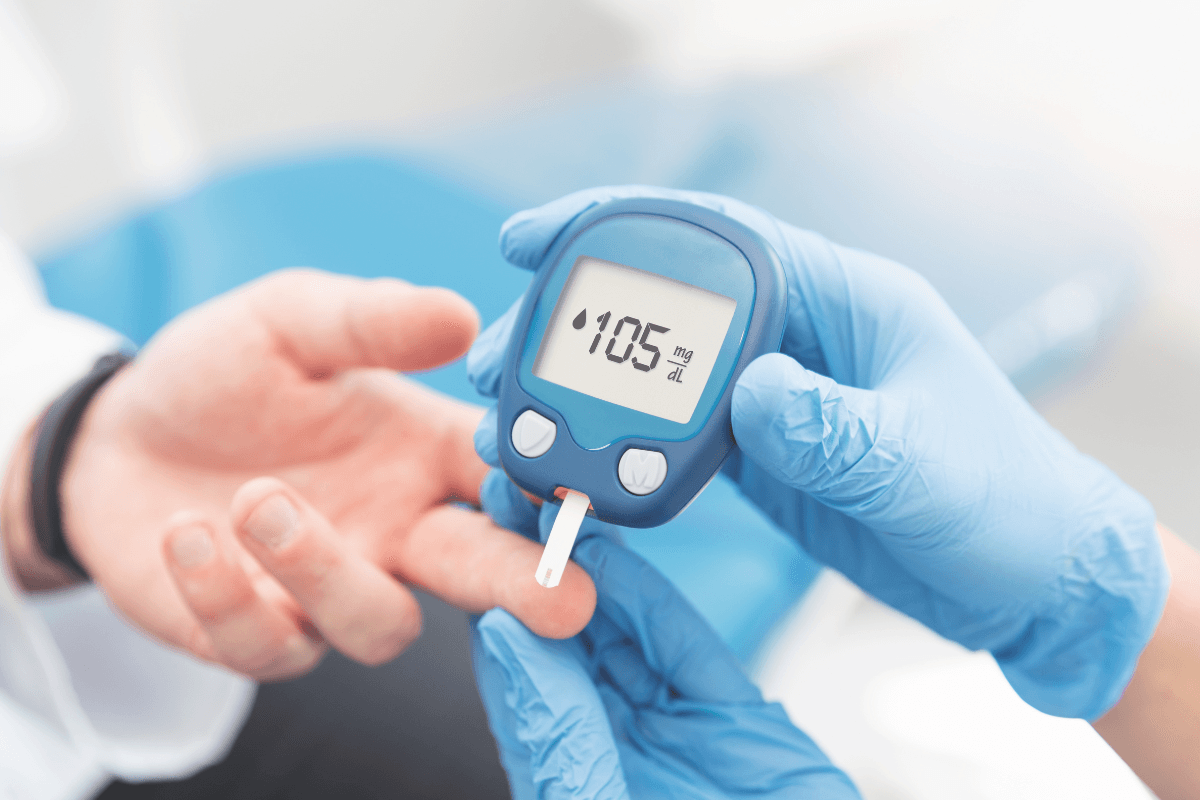
  • World Diabetes Day: Key Facts, Themes, and Helpful Actions

    World Diabetes Day: Key Facts, Themes, and Helpful Actions

    World Diabetes Day is a global awareness day held every year on November 14 to improve understanding of diabetes, reduce stigma, and encourage earlier support. It matters because diabetes affects people across ages, communities, and life stages. The day gives schools, workplaces, families, and health groups a shared moment to discuss screening, daily management, access to care, and respectful language.

    You may be newly diagnosed, supporting someone you love, or planning a community event. This page explains the date, the blue circle symbol, common campaign themes, and safe ways to participate. It also keeps the focus where it belongs: practical support, not blame.

    Key Takeaways

    • Date: November 14 is the annual global observance.
    • Purpose: Awareness should support people, not shame them.
    • Symbol: The blue circle represents unity around diabetes.
    • Action: Education, screening awareness, and stigma reduction all help.
    • Momentum: November events can support year-round change.

    What World Diabetes Day Means and Why It Matters

    World Diabetes Day is the world’s major diabetes awareness campaign, focused on education, prevention where possible, timely diagnosis, and better care. It brings together people living with diabetes, caregivers, clinicians, educators, advocates, and public health groups.

    Diabetes is not one story. Type 1 diabetes is an autoimmune condition. Type 2 diabetes is influenced by genetics, metabolism, environment, and social factors. Gestational diabetes can develop during pregnancy. Other forms also exist. Good awareness work respects these differences and avoids simple labels like “caused by sugar” or “caused by poor choices.”

    Why this matters: stigma can delay conversations, testing, and support. It can also make daily management feel more isolating. If you want a broader learning path across related topics, the Diabetes Topics collection can help you explore diabetes education in one place.

    Quick tip: Use people-first language, such as “person with diabetes,” instead of defining someone by a diagnosis.

    Why November 14 Was Chosen

    November 14 was chosen because it marks the birthday of Sir Frederick Banting, one of the scientists linked to the discovery of insulin. The date connects public awareness with a major milestone in diabetes care history.

    The observance began as an international awareness effort and later gained formal global recognition. The day is now used by many organizations to discuss early diagnosis, access to essential medicines and supplies, diabetes education, and the daily realities of living with a chronic condition.

    World Diabetes Day also sits within a wider November awareness period. Many groups connect their events to National Diabetes Month 2025 planning, so one-day campaigns can become longer conversations about care, access, and community support.

    The Blue Circle, Logo, Posters, and Campaign Themes

    The blue circle is the international symbol for diabetes awareness. The circle represents unity, while blue is widely used in global health campaigns. On posters, social posts, classroom displays, and event materials, the symbol helps people quickly recognize diabetes-related information.

    Many readers search for the World Diabetes Day logo, posters, slogans, and annual themes. Use official campaign assets when possible, especially for public events. If you adapt visuals, keep them clear and accessible. Choose readable fonts, strong contrast, and alt text for digital images. Avoid images that shame bodies, food choices, or medication use.

    The annual World Diabetes Day theme can change over time. Some campaigns focus on access to care, diabetes education, well-being, or early action. If you are preparing materials for World Diabetes Day 2025 or a later year, check official campaign pages before printing posters or giving a speech. This helps prevent outdated theme names, old logos, or inaccurate slogans from spreading.

    Short awareness messages work best when they are specific and compassionate. Instead of “avoid sugar,” try “learn how food, activity, medicines, stress, and illness can affect glucose.” Instead of “make better choices,” try “support access to screening, treatment, and safe places to be active.”

    Awareness Can Support Screening Without Pressuring People

    Diabetes awareness can encourage people to ask about screening, but it should not push anyone to self-diagnose. Many people live with high blood sugar for a long time without obvious symptoms. Others notice increased thirst, frequent urination, blurry vision, fatigue, slow-healing cuts, or unexplained weight changes. These signs can have more than one cause, so clinical testing matters.

    Common screening tests may include fasting glucose, A1C, oral glucose tolerance testing, or random glucose testing in certain situations. A clinician can explain which test fits a person’s age, symptoms, pregnancy status, family history, medications, and other risk factors. For a plain-language walkthrough, How To Test For Diabetes explains common test types and what follow-up may involve.

    Some readers also need help interpreting glucose units. Glucose values may appear as mg/dL or mmol/L depending on the country, meter, or lab report. This converter can help with unit conversion only; it does not diagnose diabetes or replace medical review.

    [glucose-converter]

    Awareness messages should also name real barriers. Cost, transportation, time off work, childcare, language access, and past negative healthcare experiences can all affect screening. Supportive campaigns offer options, such as community clinics, primary care visits, workplace education, or culturally responsive health programs.

    If you are helping someone prepare for an appointment, focus on support rather than instructions. Encourage them to bring questions, symptom notes, medication lists, and any home glucose readings they already track. People with urgent symptoms, confusion, dehydration, severe weakness, or signs of diabetic ketoacidosis should seek prompt medical care. For more context, Diabetic Ketoacidosis explains why this complication needs urgent attention.

    Helpful World Diabetes Day Activities for Schools and Workplaces

    World Diabetes Day activities work best when they invite learning without judging personal habits. Start with one clear goal. You might correct common myths, promote screening awareness, support a local clinic, or teach classmates how to be more inclusive.

    Ideas for Students

    School activities should be age-appropriate and privacy-protective. A health lesson can explain how the body uses glucose for energy and why some people monitor blood sugar. A media literacy activity can help students spot exaggerated diabetes claims online. A poster project can highlight the blue circle, supportive words, and practical inclusion.

    Students can also write a short World Diabetes Day speech focused on empathy. Useful themes include kindness around snack breaks, respect for medical devices, and avoiding jokes about injections or food. Teachers should never ask students to disclose a diagnosis or demonstrate personal medical routines.

    Ideas for Workplaces and Community Groups

    Workplace and community events can be simple. Host a short myth-busting session, share a list of local screening resources, or invite a qualified health professional to discuss prevention and early detection in general terms. A community walk can focus on connection and access to safe public spaces, not weight loss.

    If your event includes food, offer variety and label common ingredients. Avoid “good food” and “bad food” language. People with diabetes may use different meal plans, medicines, glucose targets, and cultural food traditions. Choice and privacy help more than public commentary.

    For pregnancy-related education, Gestational Diabetes can help readers understand why screening during pregnancy is discussed separately. This is especially important because pregnancy care has its own timing, risks, and follow-up needs.

    Support That Respects Daily Life With Diabetes

    Support should match what the person actually wants. Some people appreciate reminders, check-ins, or help carrying supplies. Others prefer privacy. The best first step is often simple: ask before offering help.

    Daily diabetes management can include glucose monitoring, meal planning, physical activity, oral medicines, insulin, medical appointments, pharmacy coordination, and emotional work. Some people use devices such as continuous glucose monitors. Others use fingerstick checks or lab testing. If you want to learn about one device category, the Dexcom G7 Sensor page can provide product-specific context without replacing clinical advice.

    Medication needs also vary. Some people may be prescribed metformin or a brand-name version such as Glucophage, while others may need insulin or different therapies. Educational pages for Metformin and Lantus SoloStar can help readers recognize examples of diabetes treatment categories. They should not be used to choose or change treatment without a clinician.

    Why it matters: Respectful support reduces shame and makes care easier to discuss.

    BorderFreeHealth connects U.S. patients with licensed Canadian partner pharmacies, and prescription details are verified with the prescriber when required before pharmacy dispensing. This access context may matter for readers comparing medication pathways, but awareness education should still begin with medical guidance and safety.

    How to Keep Messages Accurate and Stigma-Free

    Good awareness content is accurate, current, and kind. It avoids fear-based claims, miracle cures, and one-size-fits-all food rules. It also avoids ranking countries or communities in a way that blames people for diabetes rates. Population statistics can be useful for public health planning, but they need context about age, access to care, diagnosis rates, food systems, income, and health policy.

    Nutrition messages need special care. A common question is whether people with diabetes should avoid certain nuts or foods. Most broad food rules are too simple. Nuts can vary in portion size, sodium, added sugar, and personal glucose response. People with kidney disease, allergies, digestive conditions, pregnancy, eating disorders, or medication-related low blood sugar should discuss nutrition targets with a clinician or registered dietitian.

    When sharing World Diabetes Day quotes or messages, choose words that support dignity. Strong messages emphasize access, listening, early testing when appropriate, and practical accommodations. Weak messages focus on blame, scare tactics, or appearance. If you are unsure, ask whether the message would make a person with diabetes feel safer asking for help.

    From One Day to Year-Round Action

    World Diabetes Day can start a conversation, but lasting change needs follow-through. Communities can build resource lists, host regular education sessions, improve access to safe walking areas, support school meal quality, and protect time for medical appointments. These actions help people without forcing anyone to disclose a diagnosis.

    Families can also make small changes in how they talk about health. Avoid comments about body size, “willpower,” or someone else’s plate. Offer practical help instead, such as planning flexible meals, learning signs of low blood sugar when relevant, or making room for medical routines during travel and events.

    Schools and workplaces can review policies quietly. Are water, bathroom access, snacks, and medical supplies handled respectfully? Do event plans include ingredient labels and privacy? Do supervisors know how to respond if someone requests a reasonable health-related accommodation? These details often matter more than a one-day poster campaign.

    Authoritative Sources

    For official campaign details, the World Diabetes Day campaign site provides current materials and background. For public health context, the WHO World Diabetes Day page discusses the global observance. For the United Nations recognition of the date, see the UN diabetes day observance.

    Recap: Awareness Works Best When It Helps People

    Global diabetes awareness is most useful when it is accurate, compassionate, and practical. The date, blue circle, posters, speeches, and themes can all open the door. What matters next is how people use that attention: to reduce stigma, encourage appropriate screening, support daily management, and improve access to care.

    A single event cannot solve every barrier. Still, one respectful classroom activity, one clearer workplace policy, or one better-informed family conversation can make diabetes easier to discuss. That is a meaningful goal for World Diabetes Day and for the months that follow.

    This content is for informational purposes only and is not a substitute for professional medical advice.

  • Buspirone Uses: Safety, Side Effects, and Anxiety Care

    Buspirone Uses: Safety, Side Effects, and Anxiety Care

    Buspirone is mainly used to treat ongoing anxiety, especially generalized anxiety disorder, rather than sudden panic symptoms. Understanding Buspirone uses helps set realistic expectations: it works gradually, is usually taken on a schedule, and needs a careful review of side effects and drug interactions.

    If you are considering or already taking this medicine, the most useful next step is not guessing the “right” routine. It is learning what buspirone can and cannot do, then bringing clear questions to your prescriber or pharmacist.

    Key Takeaways

    • Buspirone is most often used for generalized anxiety disorder.
    • It is not the same as Xanax or other benzodiazepines.
    • Regular dosing usually matters more than as-needed use.
    • Dizziness, nausea, and headache are common early effects.
    • MAOIs, grapefruit, alcohol, and serotonergic medicines need review.

    Where Buspirone Fits in Anxiety Treatment

    Buspirone for anxiety is typically considered when worry feels persistent, difficult to control, and disruptive. It may help symptoms such as chronic tension, irritability, restlessness, and worry loops. Clinicians most often connect it with generalized anxiety disorder, or GAD, which involves long-running anxiety across everyday situations.

    Buspirone uses are narrower than many people expect. It is not usually used as a quick “rescue” medicine for a panic attack. It also is not a sleep medication, although better anxiety control may indirectly support sleep for some people. If sleep is the main concern, your clinician may look for other causes, such as insomnia, caffeine timing, pain, depression, or medication effects.

    Buspirone can be used alone or alongside other mental health treatments. Some people take it with an antidepressant when anxiety remains active. Others discuss it because they want an option that is not a benzodiazepine. For a wider look at treatment categories, see Anxiety Medication Basics.

    Why it matters: Matching the medicine to the anxiety pattern helps prevent disappointment and unsafe self-adjusting.

    Buspirone Drug Class, Brand Name, and How It Differs From Xanax

    Buspirone belongs to a group called anxiolytics, which means anti-anxiety medicines. More specifically, it acts on serotonin receptors, especially 5-HT1A receptors. This buspirone drug class is different from benzodiazepines, such as alprazolam, which is commonly known by the brand name Xanax.

    That difference explains several practical points. Benzodiazepines can work quickly for some acute anxiety symptoms, but they carry sedation, dependence, and withdrawal concerns. Buspirone is usually not fast-acting in that same way. It is designed more for steady symptom management than immediate calming after one dose.

    The older buspirone brand name BuSpar is still widely recognized. In many settings, the brand product is no longer marketed, while generic buspirone remains the name people see on pharmacy labels. Brand discontinuation does not automatically mean a medicine was removed for safety reasons. If you are unsure what product you received, ask your pharmacist to confirm the active ingredient.

    People sometimes compare buspirone with other medications used for anxiety or mood. If you are weighing different options, Buspirone Vs Bupropion explains how two commonly discussed medicines differ in purpose and expected effects. For a broader comparison list, Top Anxiety Medications gives a high-level overview to discuss with a clinician.

    How Buspirone Works and Why Benefits Can Feel Gradual

    Buspirone works by changing signaling in brain systems involved in anxiety, especially serotonin pathways. Serotonin is a chemical messenger involved in mood, worry, and emotional regulation. Buspirone also has activity related to dopamine signaling, another brain chemical tied to motivation and stress response.

    The buspirone mechanism of action helps explain why it may not feel dramatic at first. Instead of producing immediate sedation, it can take time for receptor signaling and anxiety patterns to shift. Some people first notice smaller changes, such as less spiraling worry or fewer physical tension episodes.

    This slow-build effect can be frustrating. It may also be one reason people stop early or assume the medicine “does nothing.” A symptom log can help. Note sleep, worry intensity, physical anxiety, missed doses, alcohol use, and side effects. That record gives your prescriber more useful information than memory alone.

    If you have anxiety and depression symptoms together, treatment planning may involve different medication families. Anxiety and Depression Medications can help you understand common categories before a visit.

    Dosing Routines: Timing, Food, and Missed Doses

    Buspirone dosage is individualized, so your prescribed schedule should come from your clinician and label instructions. Many prescribers start with a lower dose and adjust slowly, especially if dizziness or nausea appears. Do not change your dose or stop suddenly without medical guidance.

    Buspirone is usually taken consistently, often divided across the day. Some people are prescribed it two or three times daily. The exact timing depends on your plan, side effects, work schedule, sleep pattern, and other medicines. If your label says three times daily, ask your pharmacist whether the doses should be evenly spaced and how to handle meals.

    Food can affect how much buspirone your body absorbs. The key is consistency. If your clinician recommends taking it with food, try to keep that pattern. If you take it without food, keep that pattern too. Switching back and forth can make the medicine feel less predictable.

    Taking buspirone at bedtime is sometimes discussed when daytime dizziness is a problem. For others, evening dosing may feel activating or affect dreams. Buspirone dosage for sleep should not be treated as a separate do-it-yourself plan. If insomnia is the main issue, ask whether anxiety, caffeine, alcohol, sleep apnea, or another medication might be contributing.

    Quick tip: Use one simple medication list and update it before every appointment.

    Side Effects in the First Week and Beyond

    Buspirone side effects are often mild, but they can still disrupt daily life. Common effects include dizziness, headache, nausea, lightheadedness, nervousness, and fatigue. Some people also notice sleep changes or an unsettled stomach during the first week.

    The most common side effect often discussed is dizziness. It may be more noticeable when standing quickly, drinking alcohol, skipping meals, or starting another medicine. Until you know how buspirone affects you, be cautious with driving, machinery, and tasks that require balance or alertness.

    Side effects in females are not always meaningfully different from side effects in males, but individual factors matter. Hormonal changes, pregnancy status, other medicines, body size, migraine history, and iron deficiency can all shape how dizziness or nausea feels. Tell your clinician if side effects cluster around menstrual cycles, pregnancy, postpartum changes, or menopause symptoms.

    Some symptoms deserve faster attention. Seek urgent care for fainting, chest pain, severe confusion, swelling of the face or throat, trouble breathing, or a rash with allergic symptoms. Contact a clinician promptly for severe agitation, new suicidal thoughts, unusual behavior changes, or anxiety that suddenly becomes much worse.

    Interactions and Contraindications to Double-Check

    Buspirone drug interactions are one of the most important safety checks. It should not be mixed casually with other medicines that affect serotonin or with medicines that change how the liver processes buspirone. This includes some antidepressants, certain antibiotics, antifungals, seizure medicines, HIV medicines, and supplements.

    One major concern is use with MAOIs, or monoamine oxidase inhibitors. These older antidepressants can interact dangerously with several psychiatric medicines. If you take or recently stopped an MAOI, your prescriber needs to know before buspirone is considered.

    Grapefruit and grapefruit juice may increase buspirone exposure in some people. Alcohol can worsen dizziness, slowed reaction time, and judgment. Cannabis products, sedating antihistamines, sleep aids, and muscle relaxants can also complicate how you feel, even if they are not always listed on a prescription record.

    Supplements matter too. St. John’s wort, tryptophan, and other products promoted for mood or sleep may affect serotonin pathways. Bring bottles or photos of labels to your pharmacist if you are unsure. A complete list is safer than trying to remember names during a rushed visit.

    Questions to Ask Before and During Treatment

    Good questions can make buspirone treatment feel less vague. They also help your care team separate expected adjustment effects from problems that need action. Consider bringing these questions to your next visit:

    • Primary goal: Which anxiety symptoms are we targeting?
    • Timing plan: When should each dose be taken?
    • Food routine: Should I take it with meals?
    • Side effect plan: Which symptoms should prompt a call?
    • Interaction review: Which medicines or supplements conflict?
    • Follow-up timing: When should we reassess benefit?

    If you are comparing buspirone with SSRI options, ask what each medicine is meant to target. SSRIs and SNRIs can help several anxiety disorders and depression, but they have their own side effect patterns. Escitalopram For Anxiety covers one common SSRI discussion point.

    For medication navigation, product pages can help identify names and forms, but they should not replace medical advice. The Buspirone page and Buspirone HCL page may help you recognize the medication name when reviewing your prescription with a pharmacy team. BorderFreeHealth connects U.S. patients with licensed Canadian partner pharmacies, and prescription details may be verified with the prescriber when required before dispensing.

    Authoritative Sources

    For official drug-label details, review the FDA label for BuSpar, which includes indication, contraindication, and interaction information.

    For patient-friendly medication information, see MedlinePlus buspirone drug information, maintained by the U.S. National Library of Medicine.

    For mental health medication context, the NAMI buspirone resource summarizes common uses and safety considerations.

    Recap

    Buspirone uses center on ongoing anxiety, especially generalized anxiety disorder. It works differently from benzodiazepines, usually needs consistent dosing, and can take time to show benefit. The main safety steps are simple but important: follow the prescribed schedule, keep food timing consistent, report difficult side effects, and ask a pharmacist to screen every prescription, supplement, and over-the-counter product.

    If symptoms feel unsafe, severe, or suddenly different, seek timely medical help. If the medicine feels only partly helpful, bring a symptom log rather than adjusting the dose yourself. That gives your clinician a clearer way to revise the plan.

    This content is for informational purposes only and is not a substitute for professional medical advice.

  • Best Flea Treatment for Dogs: Safety and Itch Relief

    Best Flea Treatment for Dogs: Safety and Itch Relief

    The best flea treatment for dogs is the one that fits your dog’s age, weight, health history, parasite risk, and household. That may be an oral chew or tablet, a topical spot-on, a collar, or a veterinarian-directed plan. The aim is bigger than killing visible fleas. Good flea control prevents new bites, lowers skin irritation, and helps stop eggs and immature fleas from restarting the problem at home.

    If your dog is already scratching, first look for signs of fleas, then choose a product labeled for dogs in your pet’s exact weight and age range. Puppies, senior dogs, pregnant or nursing dogs, dogs with seizures, and dogs with open sores need veterinary guidance before treatment.

    Key Takeaways

    • No universal winner: The safest option depends on your dog and home.
    • Use the label: Match species, weight band, age, and warnings.
    • Itch can linger: Flea allergy dermatitis may inflame skin after fleas die.
    • Treat the environment: Bedding, carpets, and untreated pets can restart fleas.
    • Call the vet early: Seek help for puppies, sores, reactions, or heavy infestations.

    How to Choose the Best Flea Treatment for Dogs

    Choosing the best flea treatment for dogs starts with risk, not brand loyalty. A dog that hikes in tall grass may need broader flea and tick prevention than a mostly indoor dog. A dog with sensitive skin may not tolerate the same topical product as another dog. A small puppy also needs a different safety review than a healthy adult dog.

    Veterinarians usually consider weight, age, pregnancy or nursing status, seizure history, allergies, other medications, local parasites, and whether cats live in the home. In many regions, year-round flea prevention makes sense because fleas can survive indoors and remain active during mild weather.

    Many owners ask about over the counter flea treatment for dogs. Some non-prescription products can help when used correctly. Still, they may be a poor fit for puppies, dogs with skin disease, homes with repeated infestations, or households with cats. Dog-only ingredients can be dangerous to cats, especially when products are applied incorrectly or pets groom each other.

    • Confirm the pest: Check for live fleas, flea dirt, or bite patterns.
    • Read the label: Match the product to your dog’s size and age.
    • Review health risks: Ask about seizures, pregnancy, or skin disease.
    • Include every pet: Untreated animals can keep the cycle active.
    • Plan home care: Vacuuming and bedding care support pet treatment.

    Why it matters: A flea plan often fails when one untreated pet keeps feeding the infestation.

    Oral, Topical, Collar, Shampoo, or Spray: What Fits Best?

    Flea products work in different ways, so the right method depends on your dog and your routine. Some products kill adult fleas after they bite. Others target fleas on contact or help interrupt parts of the flea life cycle. Some also cover ticks, mites, or other parasites, but coverage varies by label.

    Option Where It May Fit Key Cautions
    Oral flea medication Dogs that tolerate tablets or chews and need body-wide protection. Some require a prescription. Discuss seizure history or past neurologic reactions with a veterinarian.
    Topical spot-on Dogs whose owners can apply liquid directly to the skin. Bathing, swimming, children, and household cats may affect product choice.
    Flea collar Dogs needing longer-wear protection when the collar fits safely. Fit, chewing risk, irritation, and product quality matter.
    Flea shampoo Short-term removal of visible fleas during a bath. It rarely provides lasting prevention and may dry irritated skin.
    Flea spray Targeted pet or home use when the label clearly allows it. Ventilation, species limits, and correct application are essential.
    Home treatment Bedding, carpets, cracks, and areas where pets rest. Never apply home-only insecticides to pets unless the label says so.

    Rapid-kill products may help when adult fleas are visible, but they do not always replace ongoing prevention. For background on a short-acting oral option, see Capstar Flea Treatment. Use product information to prepare questions, not to replace veterinary advice.

    Oral products

    Oral flea treatment for dogs can be practical when a dog swims, gets frequent baths, or lives with children who may touch topical residue. Some oral flea and tick medicines belong to a class that regulators have linked with possible neurologic adverse events in some animals. That does not mean every dog will have a problem. It means dogs with seizures, tremors, or neurologic disease need a careful review before use.

    Topical products

    Topical flea treatment for dogs can work well when applied to the correct skin area and allowed to dry. It may be less convenient for dogs that swim often or need frequent bathing. Mixed-pet homes need extra caution because some dog flea products can seriously harm cats.

    Never split doses between dogs or guess based on size. Weight bands exist for safety. A small dog can be harmed by a large-dog product, even when the amount seems small.

    Collars, shampoos, and sprays

    Flea collars for dogs may help when they fit securely and come from a reliable source. A collar should not be loose enough for chewing or tight enough to irritate the skin. Replace it according to label directions, not guesswork.

    Flea shampoo for dogs and flea spray for dogs are usually support tools, not full prevention plans. They may remove or kill fleas present at that moment. They may not protect your dog from new fleas emerging from carpets, bedding, or outdoor resting areas.

    Natural flea treatment for dogs needs caution. Natural does not automatically mean safer. Essential oils, concentrated plant extracts, garlic, and homemade chemical mixtures can irritate skin or cause poisoning. If you prefer a lower-chemical approach, ask a veterinarian about grooming, environmental control, and labeled products with the best safety fit.

    Why Dogs Still Itch After Flea Treatment

    A dog may still itch after flea treatment because the skin remains inflamed, new fleas are emerging, or another skin problem is present. Flea allergy dermatitis is an allergic reaction to flea saliva. In sensitive dogs, a few bites can cause intense scratching, chewing, redness, scabs, or hair loss.

    Flea control stops new bites, but irritated skin may need time and separate care. Scratching and licking can break the skin and lead to hot spots, odor, discharge, or secondary infection. If your dog has bleeding sores, pus, swelling, fever, weakness, pale gums, or severe discomfort, contact a veterinarian promptly.

    Gentle steps can help while you arrange care. Use a flea comb to check the coat. Wash bedding in hot water when fabric allows. Avoid repeated harsh bathing, because dry skin can worsen itching. Do not combine flea products unless a veterinarian specifically tells you to do so.

    If your veterinarian discusses itch-control medication, Apoquel can provide product context for follow-up questions. Itch relief is separate from flea control, so the underlying flea problem still needs prevention and environmental management.

    Home and Yard Control Prevents Repeat Bites

    Home flea treatment for dogs works best when the dog and environment are managed together. Adult fleas on your dog are only the visible part of the problem. Eggs, larvae, and pupae can hide in bedding, carpets, floor cracks, upholstery, and shaded outdoor areas where pets rest.

    This is why a dog may seem better, then start scratching again. New adult fleas can emerge after the first wave dies. The timing depends on temperature, humidity, cleaning, product choice, and how many immature fleas were already present.

    • Vacuum often: Focus on rugs, baseboards, and resting areas.
    • Wash bedding: Clean pet blankets and washable covers regularly.
    • Treat all pets: Use species-appropriate products for each animal.
    • Reduce wildlife access: Rodents and stray animals can carry fleas.
    • Empty vacuum contents: Dispose of debris away from pet areas.

    Most regular laundry detergent helps remove debris from washable fabrics, but it is not a complete tick or flea control plan. Heat, washing, drying, and environmental cleaning matter more than choosing a special detergent. Use pest-control products only as labeled, and keep pets away from treated areas until directions say it is safe.

    Multi-pet homes require extra attention. Cats should never receive dog flea products unless the product label specifically says the product is safe for cats. If your household includes cats, NexGard Combo for Cats can help you keep species differences clear.

    You can also browse the Pet Health collection for related pet medication and wellness topics.

    Special Safety Checks for Puppies and Sensitive Dogs

    The safest flea treatment for dogs is the correctly labeled product used on the right dog at the right time. Read the full label every time, even if you have used a similar product before. Look for species, age, weight range, active ingredient, application route, frequency, warnings, and reaction instructions.

    Flea treatment for puppies needs special care because many products have minimum age or weight limits. Very small dogs can be more vulnerable to dosing mistakes. Dogs with sensitive skin may react to topical carriers, collars, shampoos, or repeated bathing. Pregnant, nursing, elderly, underweight, or chronically ill dogs should be assessed by a veterinarian before flea medication decisions.

    Some warning signs need urgent help. Contact a veterinarian or emergency clinic if your dog develops tremors, seizures, severe lethargy, trouble breathing, repeated vomiting, collapse, facial swelling, or severe skin burns after a flea product. Bring the package or a clear photo of the label when you seek care.

    Quick tip: Store flea products away from children, pets, food, and grooming supplies.

    For very young pets, product selection is narrower. If your veterinarian mentions a puppy-safe prescription option, Revolution for Puppies and Kittens can help you review basic product context before asking follow-up questions. Always rely on the official label and your veterinarian for whether any product fits your pet.

    Over-the-Counter or Prescription: How Access Fits

    The most effective flea treatment without a vet prescription is the safest labeled option that matches the dog and the situation. For a healthy adult dog with mild exposure, a carefully chosen over-the-counter product may be reasonable. For heavy infestations, ongoing itching, tick exposure, puppies, medication reactions, or dogs with health conditions, veterinary guidance is safer.

    Prescription products may be appropriate when a dog needs a specific parasite spectrum, has repeated flea problems, or has risk factors that require closer review. A veterinarian can explain what the product covers, what it does not cover, and what monitoring makes sense.

    Finding the best flea treatment for dogs is easier when you separate three goals: kill current fleas, prevent new bites, and reduce household reinfestation. If a prescription product is filled through a pharmacy pathway, prescription details may need verification with the prescriber before dispensing. Cash-pay access without insurance may be possible when eligibility and local rules allow, but it does not replace veterinary evaluation.

    Be cautious with online rankings that call one option universally strongest or safest. The better question is whether a product is safe and appropriate for your dog. Your dog’s medical history, local parasite patterns, and household pets matter more than a generic list.

    Authoritative Sources

    Veterinary and regulatory guidance changes as products and safety information evolve. These references support the general label-use, parasite-control, and safety principles discussed above:

    This content is for informational purposes only and is not a substitute for professional medical advice.

  • Enbrel Injection: Safety, Side Effects, and Practical Use

    Enbrel Injection: Safety, Side Effects, and Practical Use

    An Enbrel injection is a prescription biologic medicine used to calm specific immune signals that drive inflammation. It can help some people with autoimmune conditions reduce symptoms and protect function over time, but it also requires careful screening, infection awareness, and a steady injection routine.

    If you feel nervous about starting, that is understandable. Needles, side effects, storage rules, and missed-dose questions can all feel like a lot at once. The goal is to know what to expect, what to ask, and when to contact your care team.

    Key Takeaways

    • How it works: Etanercept blocks tumor necrosis factor, an inflammation signal.
    • Who may use it: It is used for several inflammatory arthritis and skin conditions.
    • Safety comes first: Infection screening and vaccine planning are important.
    • Common reactions: Injection-site redness, itching, or bruising may occur.
    • Practical habits help: Site rotation, storage planning, and device training reduce stress.

    What Enbrel Is and Why Etanercept Matters

    Enbrel is the brand name for etanercept, a biologic disease-modifying antirheumatic drug. A biologic is made from living-cell systems and targets a more specific immune pathway than many traditional medicines.

    Etanercept is also called a tumor necrosis factor inhibitor, or TNF blocker. Tumor necrosis factor is a protein involved in inflammation. When TNF activity stays too high, it can contribute to swollen joints, morning stiffness, pain, and skin inflammation in certain immune-mediated conditions.

    This medicine is not a steroid. Steroids such as prednisone affect many inflammatory pathways and may work quickly for some symptoms. Etanercept works differently by targeting TNF, so your clinician usually evaluates benefit over time rather than expecting an immediate effect.

    People may be prescribed this treatment for conditions such as rheumatoid arthritis, psoriatic arthritis, ankylosing spondylitis, juvenile idiopathic arthritis, or plaque psoriasis, depending on age, diagnosis, and clinical details. If you are still learning how immune conditions differ, Autoimmune Diseases Basics can help put the larger immune-system picture into plain language.

    Why it matters: Understanding the drug class helps you ask better safety and monitoring questions.

    Where It Fits in Inflammatory Arthritis Care

    An Enbrel injection may be considered when inflammation remains active, damaging, or hard to control with earlier treatment steps. Your prescriber weighs symptoms, physical function, imaging, lab results, medical history, and previous medication response.

    For rheumatoid arthritis, the goal is usually more than short-term pain relief. Treatment may aim to reduce swelling, improve function, limit flares, and help slow joint damage. This is why follow-up visits matter. Your care team may ask about morning stiffness, tender joints, fatigue, infections, and daily activities that still feel difficult.

    Some people use etanercept alone. Others use it with another disease-modifying medicine, depending on the diagnosis and risk profile. If you are trying to understand the broader treatment map, RA Medication Types explains how biologics, conventional DMARDs, anti-inflammatory medicines, and steroids may fit into care.

    Practical factors also matter. Injection comfort, refrigeration, travel, insurance changes, and previous side effects can affect whether a treatment plan is realistic. These issues are not minor. A medicine only works as intended when the plan is safe, usable, and reviewed when problems arise.

    Safety Checks Before Starting or Restarting

    Before using a TNF blocker, clinicians commonly look for infection risks that could become more serious during immune-modifying therapy. Screening may include tuberculosis testing and hepatitis B review, along with a careful history of recent infections, chronic cough, fevers, unexplained weight loss, or open wounds.

    Tell your prescriber about recurrent infections, heart failure, nerve conditions such as multiple sclerosis, cancer history, planned surgery, pregnancy plans, or recent live vaccines. These details do not always rule out treatment, but they can change the risk-benefit discussion.

    Vaccines need planning. Some vaccines are commonly recommended for people on immune-modifying therapy, while live vaccines may need special timing or may not be appropriate. Ask whether a vaccine is live, whether household members need precautions, and whether your treatment schedule affects timing.

    If you become sick, do not guess about whether to inject, delay, stop, or restart. Call your prescriber’s office for advice based on the type of illness and your personal risk. Fever, worsening cough, painful urination, skin infection, or a wound that is not healing deserves timely review.

    Enbrel Injection Side Effects: Common, Serious, and Less Obvious

    Enbrel injection side effects can range from mild injection-site symptoms to serious infections. Most people want to know what is expected, what should be tracked, and what needs urgent attention.

    Common side effects may include redness, itching, swelling, bruising, or tenderness where the shot was given. Some people report headache or upper-respiratory symptoms, such as congestion or sore throat. These symptoms can be mild, but patterns still matter. A symptom diary can help your clinician see whether reactions are improving, recurring, or becoming more intense.

    Serious side effects are less common but more important to recognize. Contact your care team promptly for fever, chills, shortness of breath, chest pain, severe weakness, a spreading skin infection, painful blisters, unusual bruising or bleeding, or symptoms of a significant infection. Seek urgent care for severe allergic symptoms, trouble breathing, facial swelling, or sudden neurological symptoms.

    Eye symptoms also deserve attention. Pain, vision changes, severe redness, or new light sensitivity should be reviewed promptly, even if you are unsure whether the medicine is involved. Rare nervous-system or inflammatory eye problems are reasons to avoid waiting it out.

    Some readers also ask about mental side effects or hair loss. These concerns should be discussed with a clinician, especially if mood changes, anxiety, sleep disruption, or hair shedding begin after a medication change. Many other causes are possible, including inflammation itself, stress, thyroid disease, infection, or other medicines.

    Quick tip: Take photos of injection-site reactions next to a date label for easier follow-up.

    Injection Devices, Sites, and Technique Basics

    A consistent injection routine can make the process feel more manageable. Most people do better when supplies are prepared first, the device is allowed to reach room temperature as directed, and the injection is not rushed.

    Device type affects the experience. A prefilled syringe usually lets you control the angle and speed of injection. A pen-style autoinjector may hide the needle and automate part of the process. If you want to compare device formats visually, Enbrel Pre Filled Syringe and SureClick Auto Injector provide product-page context without replacing your training materials.

    Common Enbrel injection sites include the front of the thigh and the abdomen away from the belly button. The outer upper arm may be used when another person gives the injection, depending on the device instructions. Avoid skin that is bruised, scarred, hard, tender, sunburned, infected, or affected by active plaques unless your care team has told you otherwise.

    Using a Prefilled Syringe

    For a prefilled syringe, think in calm steps: wash hands, clean the skin, let the alcohol dry, pinch the skin if instructed, insert the needle at the recommended angle, and press the plunger steadily. Place the used syringe in an approved sharps container right away.

    Using a Pen-Style Autoinjector

    For a pen-style device, keep the device pressed firmly against the skin for the full time listed in the instructions. Check the viewing window or indicator if your device has one. If the device misfires, leaks, or does not appear complete, keep the device and packaging, then contact your care team or pharmacist for next steps.

    Rotating sites helps protect the skin. Many people use a simple phone note or calendar map. If a lump, rash, or firm patch lasts, pause that location and show it to your clinician. People with joint symptoms can also use symptom tracking alongside site tracking; Early Signs Of Rheumatoid Arthritis may help you describe symptom patterns more clearly.

    Storage, Travel, and Missed-Dose Planning

    Storage protects the medicine’s stability. Follow the product instructions for refrigeration, light protection, room-temperature limits, and disposal. Do not use medication that has been frozen, overheated, or left out beyond the allowed time unless a pharmacist or prescriber tells you it is acceptable.

    Travel is easier with a written plan. Use an insulated bag, keep the medicine from touching ice packs directly, and bring alcohol swabs, gauze, bandages, and a sharps-disposal plan. If you fly, keep medicine and supplies in carry-on baggage when possible, since checked bags can face temperature changes.

    Missed doses happen. Illness, travel, caregiving, or simple fatigue can disrupt routines. Follow the instructions from your prescriber or the product information for your specific situation. Do not double doses unless your clinician has clearly told you to do so.

    Access and cost questions can also affect planning. BorderFreeHealth connects U.S. patients with licensed Canadian partner pharmacies, and prescription details may be verified with the prescriber where required before dispensing. For people comparing cash-pay prescription options without insurance, eligibility and jurisdiction still matter, so product and prescription details should be reviewed carefully.

    Etanercept, Biosimilars, and Related Treatment Choices

    Etanercept is a protein-based medicine, so alternatives are not identical in the same way many small-molecule generics are. A biosimilar is highly similar to an approved biologic, with no clinically meaningful differences expected in safety, purity, or potency based on regulatory review.

    Switching between a reference biologic and a biosimilar is a clinical decision. Your care team may consider disease control, side effects, device comfort, coverage, availability, and local rules. If you are comparing etanercept options, Erelzi is one related product page that may help you understand how biosimilar listings are presented.

    Other biologic or targeted medicines may work through different immune pathways. Some people with ankylosing spondylitis, psoriatic arthritis, or plaque psoriasis discuss alternatives after incomplete response, side effects, pregnancy planning, or access changes. For back-pain patterns linked with inflammatory disease, Ankylosing Spondylitis Symptoms offers condition-focused background.

    It can help to compare options by category rather than brand alone. Ask what pathway the medicine targets, how it is taken, what monitoring is needed, what infections matter most, and how soon follow-up should occur. You can also browse Rheumatology Topics for a wider set of related condition and medication resources.

    Questions to Bring to Your Care Team

    The best questions are specific to your life, not just your diagnosis. Bring a short list to appointments so the most important points do not get lost.

    • Treatment goal: Ask how improvement will be measured.
    • Infection plan: Ask when to call during illness.
    • Vaccine timing: Ask which vaccines need planning.
    • Injection training: Ask for device-specific teaching.
    • Side-effect tracking: Ask what symptoms should be logged.
    • Travel routine: Ask how to handle temperature concerns.

    Also ask what to avoid. Your clinician may discuss live vaccines, untreated infections, close contact with certain contagious illnesses, or combining immune-modifying medicines without clear supervision. Avoiding problems is not about living fearfully. It is about knowing which situations need a quick call.

    Authoritative Sources

    For official prescribing details and boxed warnings, review the FDA-approved prescribing information for etanercept.

    For patient-friendly medication warnings and common precautions, see MedlinePlus information on etanercept injection.

    For regulatory review of biosimilar concepts in Canada, Health Canada explains biosimilar biologic drugs.

    Recap

    An Enbrel injection can be an important treatment option for some immune-driven inflammatory conditions. It works by targeting TNF, not by acting as a steroid or simple pain reliever. Safe use depends on infection screening, vaccine planning, careful symptom tracking, and a practical injection routine.

    Ask for help early if the device is confusing, side effects worry you, or illness interrupts your schedule. Clear questions and steady follow-up can make treatment feel less overwhelming.

    This content is for informational purposes only and is not a substitute for professional medical advice.

  • Insulin for Dogs: Safe Home Care and Warning Signs

    Insulin for Dogs: Safe Home Care and Warning Signs

    Insulin for dogs is a vet-directed treatment used to help control diabetes mellitus, a condition where glucose builds up in the bloodstream. Safe home use means giving the correct insulin with the correct syringe, following the routine your veterinarian sets, and watching for signs of low blood sugar or illness.

    That can feel like a lot at first. Many families learn the routine step by step. The goal is not perfect caregiving. The goal is a steady plan, clear records, and fast action when something seems off.

    Key Takeaways

    • Vet direction matters: Dogs need a diagnosis, an insulin plan, and follow-up monitoring.
    • Food affects safety: Meals, appetite, and insulin timing are closely connected.
    • Low sugar is urgent: Weakness, shaking, seizures, or collapse need immediate veterinary help.
    • Syringes must match: U-40 and U-100 products are not interchangeable without veterinary instructions.
    • Records help adjustment: Appetite, thirst, urination, weight, and glucose data guide care.

    How Insulin for Dogs Fits Into Diabetes Care

    Most diabetic dogs need insulin because their bodies cannot make or use enough insulin to keep blood glucose in a safer range. Insulin helps move glucose from the bloodstream into cells, where the body can use it for energy. Without adequate treatment, a dog may become dehydrated, lose weight, develop ketones, or become seriously ill.

    Canine diabetes is not managed exactly like human diabetes, even though some terms sound familiar. Your veterinarian considers your dog’s weight, appetite, other illnesses, glucose patterns, and daily routine before choosing a plan. For broader background on how insulin categories differ, see this human-focused resource on Types Of Insulin. Veterinary choices still need separate guidance.

    A diabetic dog usually cannot live safely without ongoing treatment unless a veterinarian identifies a rare, temporary circumstance. Stopping insulin or changing the dose without advice can lead to severe hyperglycemia, which means high blood sugar. It can also raise the risk of diabetic ketoacidosis, a dangerous complication that needs urgent care.

    Why it matters: A clear routine lowers the chance of avoidable dosing and feeding mistakes.

    Building a Safer Daily Routine

    A safer routine connects meals, injections, activity, and observation. Many dogs do best when their days look similar from one day to the next. Regularity helps your veterinary team interpret glucose readings and decide whether a plan is working.

    Insulin for dogs should be treated as a whole routine, not just a shot. Before each dose, confirm the insulin name, the syringe type, the amount your veterinarian prescribed, and whether your dog ate as expected. If anything does not match the plan, pause and contact your veterinary team rather than guessing.

    Common routine points include:

    • Meal consistency: Feed the diet and portions your veterinarian recommends.
    • Injection timing: Follow the schedule written for your dog.
    • Site rotation: Use the areas your veterinary team demonstrates.
    • Supply check: Keep syringes, insulin, and records organized.
    • Daily notes: Track appetite, thirst, urination, weight, and energy.

    If injections feel stressful, ask for another demonstration. Many caregivers benefit from practicing with an empty syringe, a towel, or a training model before giving injections at home. Reward-based handling can also help a nervous dog stay calmer.

    When Meals, Missed Doses, or Low Sugar Interrupt the Plan

    Appetite changes are one of the most important safety issues in diabetic dog care. Insulin lowers blood glucose, so a dog that eats much less than usual may face a higher risk of hypoglycemia, which means low blood sugar. Your veterinarian should give you a written plan for poor appetite, vomiting, skipped meals, or unusual activity.

    Do not double the next dose after a missed insulin injection unless your veterinarian specifically instructs you. Doubling can push glucose too low. A missed dose may cause higher readings for a period, but low blood sugar can become dangerous quickly.

    Use this table as a discussion aid, not as a dosing plan:

    Situation At Home Why It Matters Safer Next Step
    Dog refuses food Insulin without food may increase low sugar risk. Call your veterinarian for the written sick-day plan.
    Dose was missed Extra insulin can cause hypoglycemia. Do not double up unless your veterinarian says so.
    Dog seems weak or shaky These can be low blood sugar signs. Seek urgent veterinary advice or emergency care.
    Vomiting or diarrhea occurs Illness can disrupt glucose control and hydration. Contact your veterinary team promptly.
    Water intake rises suddenly High blood sugar or illness may be present. Record changes and arrange veterinary follow-up.

    Signs of low blood sugar can include sudden weakness, wobbliness, trembling, unusual hunger, confusion, extreme sleepiness, seizures, or collapse. If severe signs occur, treat it as an emergency. Ask your veterinarian in advance whether you should keep a sugar source at home and exactly when to use it.

    Insulin Types, Syringe Matching, and Storage

    The best dog diabetes insulin is the one your veterinarian selects for your dog’s diagnosis, response, schedule, and monitoring results. There is no single best insulin for every diabetic dog. Some dogs use veterinary-labeled insulin, while others may receive a human insulin product under veterinary direction.

    Duration language can be confusing. Some insulins act more quickly, while others last longer. If your veterinarian mentions action profiles, this plain-language page on Intermediate-Acting Insulin can help explain the terminology in human care. Your dog’s prescription and monitoring plan still come from the veterinarian.

    Storage and syringe matching are safety issues with insulin for dogs. Insulin can be affected by heat, freezing, sunlight, rough shaking, and contamination. Store it exactly as the label and veterinary team instruct. Some insulin suspensions need gentle rolling before use, while others should not be mixed the same way. If the product looks clumped, discolored, or different than expected, ask before using it.

    Syringe concentration matters. A U-40 insulin should be paired with a U-40 syringe unless your veterinarian gives a specific conversion plan. A U-100 insulin should be paired with the correct U-100 device. Using the wrong syringe can cause a major dosing error. Product pages such as BD Ultrafine II Syringes may help you identify supply details to compare, but your veterinarian must confirm the correct type for your dog.

    Food, Exercise, and Glucose Monitoring at Home

    Diet supports diabetic dog care by making glucose patterns more predictable. Your veterinarian may recommend a specific food, feeding schedule, calorie target, or weight plan. Avoid sudden diet changes unless your veterinary team approves them, because changes in calories, carbohydrates, fiber, or fat can alter glucose control.

    There is no universal list of foods that every diabetic dog must avoid. Still, many veterinary teams advise avoiding sugary treats, table scraps, and high-fat foods. These can disrupt the routine and may worsen other health risks in some dogs. If your dog has pancreatitis, kidney disease, food allergies, or a history of poor appetite, diet advice needs to be more individualized.

    Exercise also matters. A sudden long run, skipped walk, or unusually active day can affect blood sugar. Keep activity as consistent as possible, and tell your veterinarian about major changes. If your dog is starting a new walking routine, losing weight, or acting tired after activity, record those changes.

    Home monitoring may include appetite logs, water intake notes, urine changes, body weight, blood glucose readings, or a blood glucose curve. A glucose curve tracks readings across a set period, usually under veterinary guidance. For general human background on testing concepts, see How To Test For Diabetes. Dogs need pet-specific interpretation.

    Quick tip: Keep one notebook or phone note for meals, injections, symptoms, and readings.

    Prescriptions, Supplies, and Questions to Ask

    Access rules for insulin for dogs vary by product, location, and pharmacy requirements. Some insulin products may require a veterinary prescription, and even where rules differ, a diabetic dog still needs veterinary diagnosis and monitoring. Do not choose an insulin based only on convenience, cost, or what another pet uses.

    For prescription items, dispensing may require prescriber verification before a pharmacy releases medication. That safeguard matters because insulin selection, syringe type, and dose instructions must match the animal’s plan.

    Before leaving the veterinary clinic, ask clear questions:

    • Insulin name: Which exact product should be used?
    • Syringe type: Is it U-40, U-100, pen-based, or another device?
    • Feeding plan: What should happen if appetite is poor?
    • Missed dose plan: Who should you call, and when?
    • Low sugar plan: Which signs require emergency care?
    • Monitoring plan: When are rechecks, curves, or lab tests needed?

    If your veterinarian discusses high blood sugar patterns, this human-focused page on Signs And Symptoms Of Hyperglycemia may help with vocabulary. It should not replace veterinary interpretation of your dog’s signs.

    Emergency Signs and Veterinary Follow-Up

    Diabetic dog emergency signs include seizures, collapse, severe weakness, repeated vomiting, refusal to eat, rapid breathing, dehydration, or a sudden major behavior change. These signs can relate to low blood sugar, high blood sugar, ketones, infection, pancreatitis, or another illness. Prompt veterinary care is the safer path.

    Diabetic ketoacidosis can occur when the body lacks enough usable insulin and starts producing ketones. It is a medical emergency. For general background on the concept in people, see Diabetic Ketoacidosis. Dogs with suspected ketones, vomiting, or marked lethargy need veterinary evaluation.

    Follow-up visits are not a sign that you failed. They are how the plan gets safer. Your veterinary team may adjust the insulin plan after reviewing weight, symptoms, glucose curves, appetite, concurrent disease, and lab results. Cataracts, urinary tract infections, skin infections, dental disease, and other problems can also affect diabetic dog care.

    If you want broader human diabetes education for context, you can browse the Diabetes Hub. Keep pet decisions separate, because dogs have different treatment needs and safety thresholds.

    Authoritative Sources

    Using insulin for dogs at home can become less intimidating with written instructions, steady routines, and early calls when something changes. Keep your veterinary team’s emergency number handy, review the plan before stressful days, and ask for re-training whenever the steps feel unclear.

    This content is for informational purposes only and is not a substitute for professional medical advice.

  • Zepbound Dosage Rules: Weekly Schedule, Titration, Maintenance

    Zepbound Dosage Rules: Weekly Schedule, Titration, Maintenance

    Key Takeaways

    • Start low: Dose increases are usually gradual and spaced out.
    • Weekly routine: Pick a day that fits your schedule.
    • Maintenance varies: The best long-term dose is individualized.
    • Missed doses happen: There are clear label-based steps.

    Starting or adjusting Zepbound dosage can bring a lot of questions. That is normal, especially with a weekly injection. Many people want clear expectations without feeling overwhelmed.

    This article walks through how labeled dosing is commonly stepped up, why clinicians increase slowly, and what “maintenance” can look like. You will also learn practical timing tips, missed-dose basics, and when to check in for extra support.

    Note: Dose changes should always be made with your prescriber. The details below are general education, based on the FDA-approved labeling.

    Zepbound dosage: How Starting and Step-Up Doses Work

    Zepbound is the brand name for tirzepatide, a dual GIP/GLP-1 receptor agonist (gut-hormone medicine that helps regulate appetite and blood sugar). Like similar medicines, it is usually started at a lower dose and increased slowly. This step-up approach is called titration (gradual dose adjustment). It is mainly done to improve tolerability, especially for stomach-related effects.

    Many people expect to begin at a dose intended for full effect. But early doses are often used to help your body adapt. Clinicians typically assess appetite changes, side effects, hydration, bowel habits, and day-to-day function before considering an increase. The goal is not “the highest dose.” The goal is a dose you can take consistently and safely over time.

    Dose decisions can also be shaped by other health factors. Examples include kidney disease, a history of gallbladder problems, or medicines that raise low-blood-sugar risk when combined. For the most accurate and updated dosing rules, clinicians rely on the FDA-approved label for official directions and safety language.

    Getting Started: Early Weeks and the First Injection Experience

    The labeled entry dose is often described as a zepbound 2.5 mg starting dose. It is commonly used once weekly to help your body adjust before stepping up. Some people notice appetite changes early, while others notice more gradual shifts over several weeks. Either pattern can be within the range of normal.

    It also helps to plan for “small, practical” supports during the first month. Eating slower, choosing simpler meals, and staying well hydrated may reduce nausea or reflux. If constipation shows up, your clinician may suggest food-based changes first, like more fiber and fluids, before adding anything else.

    If you want broader context on how tirzepatide differs from other weight medicines, you can learn more in Zepbound For Weight Loss, for a plain-language overview of how it works. For many readers, this bigger picture makes the step-up schedule feel less mysterious.

    Zepbound Titration Schedule and Weekly Timing Habits

    A common zepbound titration schedule increases the dose in small steps with time in between. That spacing matters because many side effects happen early, then improve as the body adapts. If nausea, vomiting, diarrhea, or fatigue are interfering with daily life, clinicians may pause longer at a given dose. Some people also stay at a lower dose if it is working well and remains tolerable.

    Your weekly injection routine matters as much as the number on the pen. Many people do best when they choose one weekly “anchor” day. They also set reminders and keep supplies in the same place. If you want technique-focused tips, Injection Site Tips can help you review rotation basics and comfort strategies that apply to several weekly injectables.

    Timing within the day is usually flexible, but consistency can reduce missed doses. Some people pick evenings to sleep through mild nausea. Others choose mornings to notice effects during the day. If you are changing your injection day, discuss the timing window with your pharmacist or prescriber, so doses do not end up too close together.

    Common Dose Strengths and a Simple Step-Up Reference Table

    People often ask for a “chart” because it reduces guesswork. The table below summarizes common strengths and how they are typically positioned during step-up dosing. It is not a personal plan, and it should not replace your prescribed instructions. Still, it can help you prepare for what your clinician may discuss at follow-up visits.

    Tip: If you track anything, keep it simple. Note your injection day, side effects, and appetite changes. Bring that pattern to your next appointment.

    Dose strength (mg) How it is often used Typical time at dose Practical notes
    2.5 mg Starting dose to improve tolerability Often 4 weeks Early stomach effects may be most noticeable
    5 mg First step-up dose Often 4 weeks or longer Some people remain here if benefits are steady
    7.5 mg Optional step-up dose Often 4 weeks or longer Side effects may return briefly after increases
    10 mg Optional step-up dose Often 4 weeks or longer Clinicians reassess tolerance and progress here
    12.5 mg Optional step-up dose Often 4 weeks or longer Not everyone needs or tolerates this level
    15 mg Maximum labeled dose Maintenance for some people Usually reserved for those who tolerate titration well

    Another common point of confusion is “units.” Unlike insulin, these pens are labeled in milligrams, not insulin units. If you see discussions about a zepbound dose schedule in units online, it is usually a misunderstanding or an off-label conversion attempt. For safety, treat your pen’s printed milligram strength as the only reliable measure, and confirm questions with a pharmacist.

    Finally, remember that step-up schedules can pause or change. A slower approach is not a failure. It can be a smart way to stay consistent and avoid stopping due to side effects.

    Maintenance Dosing and Staying Steady After Progress

    Maintenance means continuing at a dose that supports ongoing results with acceptable side effects. People sometimes expect maintenance to be a single “standard” level. In practice, a zepbound maintenance dose may be different from one person to the next. Clinicians may consider your weight trend, appetite stability, muscle preservation efforts, and any side effects that linger.

    Maintenance planning also involves real life. Travel, shift work, and family schedules can all affect consistency. If you are also working on nutrition and activity changes, your clinician may talk about protein intake and resistance training to support lean mass. These choices are not about perfection. They are about making progress safer and more sustainable.

    If you want food ideas that match common side-effect patterns, Diet Tips During Treatment offers meal-friendly strategies, like smaller portions and lower-fat options when nausea is present. Many people find that matching food texture and meal size to how they feel that week reduces frustration.

    Missed Doses, Travel, and Storage Basics

    If you are looking up what to do if you miss a dose of zepbound, you are not alone. Many missed doses happen because of travel, a busy week, or pharmacy timing. The FDA labeling for tirzepatide describes a time window for taking a missed weekly dose, and what to do if you are beyond that window. Because the details matter, it is worth confirming the exact rule with your pharmacist for your specific pen and instructions.

    Try to prevent missed doses with a “two-layer” reminder system. A calendar alert is one layer. A second layer could be keeping the pen in a consistent, safe place and pairing injection day with another routine. If you travel often, plan how the medicine will be stored during transit and where it will go once you arrive. Temperature extremes and leaving pens in a hot car are common issues.

    When you want to compare different weekly injectables and their practical routines, browsing Weight Management Options can help you see what products exist in one place. For reading materials rather than product lists, Weight Management Articles can help you find education topics by theme.

    What to Expect, Safety Checks, and When to Reach Out

    If you are wondering what to expect after first dose of zepbound, it helps to separate “common and manageable” from “needs a call.” Common early effects can include nausea, reduced appetite, fuller feelings, burping, constipation, diarrhea, or mild fatigue. Many people find these ease as they learn what foods and portion sizes feel best. Stepping up too fast can make these effects harder, which is one reason titration is gradual.

    Some symptoms deserve faster guidance, even if you are unsure. Examples include dehydration that does not improve with fluids, persistent vomiting, severe abdominal pain, or signs of an allergic reaction. People with diabetes or those taking medicines that can cause hypoglycemia (low blood sugar) should ask about monitoring, since appetite changes and weight loss can shift medication needs. Your clinician may also monitor kidney function if dehydration occurs, because vomiting or diarrhea can strain the kidneys.

    There are also important “do not use” warnings for tirzepatide, including certain thyroid tumor histories (medullary thyroid carcinoma) and MEN2. If you have a history of pancreatitis or gallbladder disease, ask how to recognize concerning symptoms. These points are described in the prescribing label, which clinicians use for consistent safety screening.

    Compare & Related Topics for Informed Conversations

    Sometimes dosing questions are really comparison questions. You might be deciding between medicines because of side effects, injection frequency, or how dose increases feel. In that case, it can help to compare mechanisms and labeling differences, not just “before and after” stories.

    For a focused comparison between tirzepatide brands, Zepbound Vs Mounjaro explains how indications and branding differ while the active ingredient is related. If you are comparing weekly GLP-1 options, Zepbound Vs Wegovy can help you sort differences in drug class and typical titration approaches.

    If you only need dosing references for other medicines, these pages can be useful starting points: Dosing for Wegovy and Dose Schedule for Mounjaro. For a broader landscape view, Weight Loss Injections 2025 summarizes options and practical decision points, based on publicly available information at the time of writing.

    Recap

    Most dosing plans start low and increase gradually. That approach supports tolerability and steady weekly habits. If you ever find yourself asking what is the highest dose of zepbound, it may help to reframe the goal as “the most effective dose you can comfortably maintain.” Your prescriber can weigh benefits, side effects, and medical history to choose the safest path.

    This content is for informational purposes only and is not a substitute for professional medical advice for your personal situation.

  • National Alzheimer’s Disease Awareness Month Brain Health Focus

    National Alzheimer’s Disease Awareness Month Brain Health Focus

    Key Takeaways

    • Awareness in November: A time to learn, plan, and support others.
    • Know the terms: Dementia is an umbrella term; Alzheimer’s is one cause.
    • Notice changes early: Track patterns and bring concerns to a clinician.
    • Support helps: Caregiver resources and community programs can reduce strain.

    Memory worries can feel personal and isolating. Many people also wonder what changes are “normal,” and what is not.

    National Alzheimer’s Disease Awareness Month is a yearly moment to pause. It can help families focus on brain health and support. It can also make it easier to start conversations.

    Below, you’ll find practical, calm information. The goal is clarity, dignity, and next steps.

    National Alzheimer’s Disease Awareness Month: Dates, Theme, And Colors

    This observance is recognized in November in the U.S. Many communities use the month to share education, support caregivers, and raise funds for research. Some families also use this time for planning conversations. That can include health wishes, safety goals, and daily routines.

    You may see a purple ribbon during November events. Purple is widely used to represent Alzheimer’s awareness and support. Themes can vary by organization and year, but most emphasize compassion, early recognition, and community support.

    Tip: If public events feel overwhelming, participate in small ways. Wear a color, share a resource, or check in on a caregiver.

    Many people also connect this month with other November efforts. For example, caregiver support messaging often overlaps with family caregiver recognition. That pairing can be helpful, since memory conditions affect whole households.

    Alzheimer’s Disease And Dementia: What’s Different?

    Dementia is a clinical term for a set of symptoms. It describes changes in memory, thinking, language, or judgment that affect daily life. Alzheimer’s disease is one common cause of dementia. Other causes include vascular (blood-flow related) brain injury, Lewy body disease, and frontotemporal disorders.

    The Alzheimer’s vs dementia difference matters for expectations and planning. Different conditions can have different patterns of changes. They can also respond differently to treatments and support strategies. A careful evaluation can help clarify what is most likely.

    It also helps to remember that memory is not the only skill involved. People may have trouble with organization, word-finding, or complex tasks. Mood and sleep can change too, and those changes deserve attention.

    For a clear comparison of common patterns, read Types Of Memory Loss for context on aging and cognition. That overview can help you frame questions for a visit.

    Term Plain-language meaning Why it matters
    Dementia A group of symptoms affecting daily thinking Points to the need for evaluation and support
    Alzheimer’s disease A specific brain disease that can cause dementia May guide planning, medicines, and caregiver needs
    Mild cognitive impairment Noticeable thinking changes without major daily impact Can be stable, improve, or progress over time

    Early Changes To Notice And Track

    Many families first notice small shifts, not dramatic changes. It might look like repeating questions, getting lost on familiar routes, or struggling with bills. Sometimes the biggest clue is a change from a person’s usual baseline. Keeping a simple log can make patterns easier to see.

    It can help to know that “memory loss” has many causes. Sleep problems, depression, medication side effects, thyroid disease, and vitamin deficiencies can also affect thinking. That is one reason evaluation is so important. It can identify treatable issues and support safety.

    The phrase early signs of Alzheimer’s often refers to patterns that persist. These may include difficulty learning new information, trouble with planning, or misplacing items in unusual ways. Language changes can also happen, such as word-finding pauses that worsen over time.

    If you’re tracking changes, focus on function. Consider whether tasks like cooking, driving, finances, and medication routines are becoming harder. Bring examples to a clinician, along with a medication list. Concrete details usually help the most.

    • Memory: repeating stories or questions
    • Planning: trouble with multistep tasks
    • Safety: missed stoves, wandering risks
    • Language: word-finding and comprehension changes
    • Judgment: new scams or risky decisions

    Alzheimer’s Risk Factors And What Can Be Changed

    Risk is shaped by many factors, and no single factor tells the full story. Age is the strongest overall risk factor, but it is not the only one. Family history and genetics can play a role. So can long-term health conditions that affect blood vessels, like high blood pressure and diabetes.

    Even with non-modifiable risks, supportive steps still matter. Brain health is closely linked with heart health. Sleep quality, hearing, mood, and physical activity can also influence how the brain functions day to day. These are areas where steady habits may help.

    Getting Checked: What Clinicians May Ask Or Test

    A thoughtful evaluation often includes both medical and practical questions. A clinician may ask when changes began, how fast they evolved, and which daily tasks are harder. They may also ask about sleep, mood, alcohol use, falls, and driving. Basic memory and thinking screens can show areas to explore further. Lab tests may check thyroid function, vitamin B12, and other reversible contributors. Brain imaging may be used to look for strokes or other structural causes, based on symptoms and history.

    Note: Bringing a trusted person to visits can help. They can share observations and help remember next steps.

    Brain Health Habits That Support Healthy Aging

    Healthy routines cannot guarantee prevention, but they can support overall brain function. They also improve strength, balance, and mood. That can make daily life easier for older adults and caregivers alike. Small changes add up, especially when they are realistic.

    Many clinicians describe Alzheimer’s prevention tips in terms of “risk reduction.” That usually means supporting heart health, staying socially connected, and protecting sleep. It also includes addressing hearing loss and treating depression when present. These steps matter because they reduce strain on the brain over time.

    Nutrition and movement are common starting points. A Mediterranean-style eating pattern is often recommended, with vegetables, legumes, fish, and healthy fats. Physical activity can be gentle and still meaningful. Walking, chair exercises, or water aerobics may be easier to sustain.

    For practical lifestyle ideas, read Maintaining Brain Health for everyday routines that support cognition. For low-pressure mental workouts, see Mental Stimulation Activities for simple, enjoyable options.

    Alzheimer’s Disease Progression And Planning With Dignity

    People often want a roadmap, even when the path is uncertain. Clinicians may describe Alzheimer’s disease stages as mild, moderate, and severe. In early phases, a person may still be independent but need reminders. In later phases, support with daily activities usually grows.

    Planning is not about taking away independence. It is about protecting preferences and reducing crises. Early planning can include naming a health care proxy, organizing key documents, and discussing driving safety. Families also benefit from outlining who helps with finances, meals, and appointments.

    It can be helpful to plan for “good days” and “hard days.” Think about routines that make mornings smoother. Consider what calms anxiety, like music or a quiet walk. Small plans can reduce conflict and preserve dignity.

    For a deeper, step-by-step explanation, read Stages Of Alzheimer’s for examples of common changes and supports. That detail can help families prepare without assuming a single timeline.

    Caregiving In Alzheimer’s Disease: Support And Resources

    Caregiving can be meaningful, but it can also be exhausting. Many caregivers manage meals, transportation, medications, and safety concerns. They may also carry emotional stress, grief, and uncertainty. Support is not a luxury here; it is a health need.

    National Family Caregivers Month Alzheimer’s messaging often highlights respite and community services. Those supports can include adult day programs, home health aides, and caregiver training. Support groups can also reduce isolation, especially after a new diagnosis. If a person is still working, job flexibility and family meetings can be crucial.

    Care needs often affect finances too. It may help to learn how families plan for long-term costs and benefits. For practical caregiver strategies, read Family Caregiver Tips for communication, routines, and burnout prevention. For broader context on planning burdens, see Cost Of Dementia Care for a big-picture overview.

    If you want more caregiver-focused reading, Geriatrics includes articles that center aging, daily function, and family support. It’s a useful place to explore practical, non-judgmental tools.

    Communication And Connection When Dementia Is Present

    Stress can rise when communication changes. Families may feel like they are “losing” a shared language. The goal is not perfect understanding every time. The goal is comfort, respect, and fewer escalations.

    Many people search for how to talk to someone with dementia because arguments feel new. A helpful approach is to use short sentences and calm tone. Offer one choice at a time, rather than open-ended questions. If a person is upset, try to validate the feeling before correcting facts.

    Nonverbal cues matter too. Slow down, make eye contact, and reduce background noise. If the person has hearing loss, address it directly, since mishearing can look like confusion. When topics are sensitive, try “side-by-side” conversations during a walk or meal.

    • Lead with calm: match tone before content
    • Use simple choices: two options, not ten
    • Redirect gently: change task, not the person
    • Protect dignity: avoid quizzing or correcting

    Treatments, Medicines, And Research Updates

    There is no single treatment plan that fits everyone. Care often includes medical evaluation, safety planning, and support for sleep or mood. Some people may be offered medications that target symptoms, such as memory or thinking. Others may focus more on routines, therapy, and caregiver training.

    Symptom-focused medicines may include cholinesterase inhibitors and other therapies, depending on diagnosis and stage. These medicines can have side effects and may not suit every person. Medication decisions are best made with a clinician who knows the person’s history and goals.

    If you are learning about common options, Aricept Key Facts explains typical uses and cautions in plain language. If you need general product information for comparison, see Donepezil 5mg And 10mg with key details to discuss with a pharmacist or prescriber.

    Research is moving, but it can be hard to follow headlines. If you’re exploring studies, use reputable registries and ask for help interpreting eligibility. The ClinicalTrials.gov registry offers a public database to search ongoing trials. For reliable background on symptoms and diagnosis, the National Institute on Aging provides patient-centered educational materials.

    If you prefer to browse condition-focused reading, Neurology Articles can help you learn about brain conditions and care approaches. If you are reviewing medication categories with a clinician, Neurology Medication Options is a browsable list to compare formats and names.

    Activities That Build Awareness And Reduce Isolation

    Alzheimer’s awareness month events often focus on community connection. That can include walks, educational talks, caregiver meetups, and remembrance activities. Participation does not have to be public. A private act of support can be just as meaningful.

    Consider choosing one action that fits your energy and schedule. Share a reliable resource with family. Offer a meal drop-off for a caregiver. Create a “check-in” calendar among friends, so support is spread out. Small, steady actions can reduce isolation over time.

    It can also help to plan activities that include the person living with memory changes. Gentle movement, music, simple cooking tasks, or photo sorting can create connection. Aim for success, not challenge. When frustration rises, shift to an easier, familiar task.

    For general risk-reduction strategies that support brain health, the risk reduction overview from the National Institute on Aging summarizes what researchers know so far. It can help families separate evidence-based steps from hype.

    Recap

    November awareness efforts can help families feel less alone. Learning key terms, noticing early changes, and planning ahead can reduce uncertainty. Caregiver support is also a central part of brain health.

    If you have concerns about memory or daily function, consider discussing them with a qualified clinician. A careful evaluation can clarify causes and support safer next steps.

    This content is for informational purposes only and is not a substitute for professional medical advice for your personal situation.

  • National Diabetes Month 2025: Practical Awareness That Helps

    National Diabetes Month 2025: Practical Awareness That Helps

    National Diabetes Month happens every November and focuses attention on diabetes prevention, screening, daily care, and support for people living with the condition. The goal is not only to raise awareness, but to turn that awareness into practical action: earlier testing, safer routines, respectful conversations, and better access to care.

    You may be living with diabetes, supporting someone you love, organizing a workplace event, or trying to understand your own risk. This page explains what the month means, what to share, and how to make awareness useful instead of stressful.

    Key Takeaways

    • November is the month: National Diabetes Month is observed each November.
    • Screening can help: Diabetes may develop before symptoms are obvious.
    • Language matters: Respectful words reduce shame and support care.
    • Daily routines vary: Food, movement, sleep, medicine, and monitoring all interact.
    • Urgent signs count: Severe lows, dehydration, vomiting, or confusion need prompt help.

    What National Diabetes Month Is and Why It Matters

    National Diabetes Month is a public awareness observance held each November to highlight diabetes and its impact on people, families, workplaces, and communities. It often overlaps with American Diabetes Month, diabetes awareness month, and World Diabetes Day messaging.

    Why this matters: awareness can lead to earlier testing and better support. Many people have prediabetes or diabetes without clear symptoms. Others already have a diagnosis but face barriers with supplies, appointments, food planning, school policies, or workplace accommodations.

    Diabetes is a long-term condition that affects how the body handles glucose, also called blood sugar. In type 1 diabetes, the body makes little to no insulin because of an autoimmune process. In type 2 diabetes, insulin may not work as effectively, and the body may not keep up with insulin needs over time. Gestational diabetes develops during pregnancy and needs pregnancy-specific follow-up.

    Awareness also means correcting harmful assumptions. Diabetes is not a personal failure. Food choices, genetics, stress, sleep, medicines, income, neighborhood access, and other health conditions can all shape risk and day-to-day management.

    If you want a broader overview of diabetes topics, the Diabetes Articles collection can help you explore screening, complications, and care routines.

    Screening and Early Detection: The First Practical Step

    Screening checks for diabetes or prediabetes before problems become obvious. It can be especially important when symptoms are mild, unclear, or absent.

    Common screening tests include A1C, fasting plasma glucose, and an oral glucose tolerance test. A1C reflects average blood sugar over roughly two to three months. Fasting glucose measures blood sugar after a period without food. An oral glucose tolerance test measures how the body responds after a glucose drink.

    Testing choices depend on age, pregnancy status, symptoms, medicines, family history, and other health conditions. A clinician can explain which test fits your situation and whether a result should be repeated. For a plain-language look at the main options, see How To Test For Diabetes.

    Results can feel emotional, especially when they are unexpected. A borderline result does not define anyone. It usually means the next step is to watch trends, repeat testing when appropriate, and talk through realistic changes.

    Quick tip: If you organize a November event, share where people can ask about screening rather than giving one-size-fits-all advice.

    Blood Sugar, A1C, and Daily Patterns

    Blood sugar changes throughout the day because food, activity, stress, illness, sleep, and medicines all affect glucose levels. One number rarely tells the whole story.

    A1C helps show longer-term trends, but it does not replace day-to-day information. A higher morning reading may relate to hormones, sleep, late meals, illness, or medication timing. A higher post-meal reading may raise questions about meal composition, portions, activity, or the care plan.

    Some people use fingerstick meters. Others use continuous glucose monitors, often called CGMs. These tools can help identify patterns, but targets vary by person. Pregnancy, kidney disease, older age, hypoglycemia risk, and other conditions may change what a clinician recommends.

    The calculator below can help convert between A1C and estimated average glucose for general understanding. It is not a diagnostic tool and does not replace clinical interpretation.

    [hba1c-calculator]

    If monitoring supplies are part of your care routine, it may help to understand the role of test strips and sensors. For general product context, see Bayer Contour Test Strips or Dexcom G7 Sensor. Product pages should not replace guidance from your diabetes care team.

    Type 1, Type 2, and Other Diabetes Terms People Confuse

    The word diabetes covers several related conditions, but the types are not the same. Clear language helps families, schools, and workplaces offer better support.

    Type 1 diabetes is an autoimmune condition. People with type 1 need insulin because the body makes little to no insulin. It is not caused by eating sugar, and it cannot be managed by lifestyle changes alone.

    Type 2 diabetes usually involves insulin resistance, meaning the body has trouble using insulin effectively. Over time, insulin production may also decline. Some people use lifestyle changes, some use oral medicines, some use injectable medicines, and some use insulin.

    Gestational diabetes develops during pregnancy. It needs pregnancy-specific monitoring because glucose levels can affect both the pregnant person and the baby. Follow-up after pregnancy also matters, since future type 2 diabetes risk can be higher.

    If you are comparing the two most discussed types, Type 1 Vs Type 2 Diabetes explains the differences in practical terms. This distinction is useful during National Diabetes Month because awareness messages can become inaccurate when they treat every type as identical.

    Food, Movement, Sleep, and Medicines Without Shame

    Daily diabetes care works best when it is realistic. Strict rules can backfire when life, culture, work schedules, finances, or stress are ignored.

    Food choices often get oversimplified during diabetes awareness month. People may ask whether specific foods, such as crackers or tuna sandwiches, are allowed. A better question is how the food fits with the full meal, portion size, medication plan, glucose response, and personal goals.

    For example, crackers may raise blood sugar for some people depending on serving size and what they are eaten with. A tuna sandwich may fit well for one person and need adjustment for another, depending on bread type, portion, sodium needs, kidney health, and medication-related low blood sugar risk. A registered dietitian can help translate general nutrition ideas into a plan that respects culture and budget.

    Movement can also help glucose patterns, but it does not need to be extreme. Some people notice benefits from short walks after meals. Strength training may support muscle health and glucose use. People with foot problems, heart disease, neuropathy, vision changes, pregnancy, or mobility limits should ask a clinician about safe activity options.

    Medicines may include tablets, non-insulin injections, and insulin. Metformin is one commonly used medicine for type 2 diabetes, but it is not right for everyone. For neutral medication context, see Metformin or Glucophage. If insulin is part of a care plan, product information such as Lantus SoloStar can help readers recognize terminology, but dosing and changes belong with a prescriber.

    Diabetes Awareness Color, Ribbon, and Respectful Language

    The diabetes awareness color is commonly blue, and many campaigns use the blue circle as a global symbol. Some groups also use a diabetes awareness ribbon to show support, remembrance, or advocacy.

    Symbols can help people feel seen, but they work best when paired with accurate information. A blue shirt day, ribbon display, or social post should avoid blame, scare tactics, and jokes about food. People living with diabetes hear enough judgment already.

    Supportive language focuses on the person, not moral judgment. Try saying “person living with diabetes,” “blood sugar is higher today,” or “what would help right now?” Avoid labels such as “noncompliant” or comments that frame diabetes as a character flaw.

    Why it matters: People are more likely to ask for help when they feel respected.

    Respect also includes practical accommodations. A student, worker, athlete, or traveler may need time to check glucose, take medicine, drink water, use the restroom, eat, or treat a low. Normalizing these needs supports safety and dignity.

    Activities That Make Awareness Useful

    The best National Diabetes Month activities give people one clear next step. They do not shame bodies, rank foods, or pressure people to disclose private health information.

    Consider simple, optional activities that improve understanding and access. A workplace, school, clinic, or community group can choose one or two actions rather than planning a large event with little follow-through.

    • Screening resource table: share local testing and appointment options.
    • Label-reading session: explain carbohydrate, fiber, sodium, and serving size.
    • Respectful language reminder: replace blame-based phrases with supportive wording.
    • Movement break: offer an optional short walk or stretch session.
    • Accommodation review: make glucose checks and low treatment normal.
    • Vision reminder: encourage people with diabetes to ask about eye exams.

    November also includes World Diabetes Day on November 14. Some communities use that date for global advocacy, education events, or messages about access to care. For a deeper look at that observance, read World Diabetes Day Awareness.

    The American Diabetes Association is also a major source of education and advocacy in the United States. If you want context on its role, see American Diabetes Association Purpose.

    Warning Signs That Should Not Wait

    Most glucose ups and downs can be handled through a care plan, but some symptoms need urgent medical attention. Awareness should include knowing when to act quickly.

    Low blood sugar, called hypoglycemia, can cause shakiness, sweating, confusion, fast heartbeat, sudden irritability, weakness, or fainting. Some people have fewer warning signs over time. Severe confusion, seizure, or loss of consciousness is an emergency.

    High blood sugar, called hyperglycemia, can cause thirst, frequent urination, blurry vision, fatigue, nausea, or dehydration. Illness, missed medicine, steroid medicines, infection, and stress can raise glucose levels.

    Diabetic ketoacidosis, or DKA, is a serious complication that can happen when the body does not have enough insulin. It is more common in type 1 diabetes but can occur in other situations. Warning signs may include vomiting, deep or rapid breathing, severe abdominal pain, fruity-smelling breath, confusion, or extreme fatigue. These symptoms need prompt medical evaluation.

    Diabetes can also affect eye health over time. During National Diabetes Month, it is helpful to remind people with diabetes to ask their clinician about eye exam timing. For more detail, see Diabetic Retinopathy.

    Authoritative Sources

    For national observance context and public health education, the NIDDK National Diabetes Month page explains why November is used for awareness and outreach.

    For A1C and blood glucose basics, the American Diabetes Association A1C resource gives plain-language information on what A1C represents.

    For global observance details, the World Health Organization campaign page provides World Diabetes Day background and current public health messaging.

    Recap

    National Diabetes Month is most helpful when it turns awareness into practical support. That can mean asking about screening, learning what glucose numbers mean, choosing respectful words, improving accommodations, or helping someone prepare for a safer routine.

    Small actions matter. Share accurate information, avoid blame, and encourage people to bring personal questions to a qualified clinician. BorderFreeHealth may provide educational navigation around diabetes medicines and supplies, while prescription decisions and dispensing requirements remain tied to licensed pharmacy and prescriber processes.

    This content is for informational purposes only and is not a substitute for professional medical advice.