
Author: admin

  • Asthma Symptoms in Kids and Adults: Signs to Watch

    Asthma Symptoms in Kids and Adults: Signs to Watch

    Asthma symptoms usually include wheezing, coughing, shortness of breath, chest tightness, or breathing that worsens at night, with exercise, during colds, or around triggers. They can look different in toddlers, teens, and adults, so early pattern recognition matters. Noticing small changes can help families act sooner, reduce flare risk, and know when urgent care is needed.

    Key Takeaways

    • Core signs: wheeze, cough, breathlessness, and chest tightness.
    • Children often show cough, fatigue, or play avoidance first.
    • Adults may notice exertional limits, nighttime symptoms, or workplace triggers.
    • Action plans help: written steps reduce confusion during flares.
    • Urgent signs: blue lips, severe breathlessness, confusion, or poor reliever response.

    What Asthma Does to the Airways

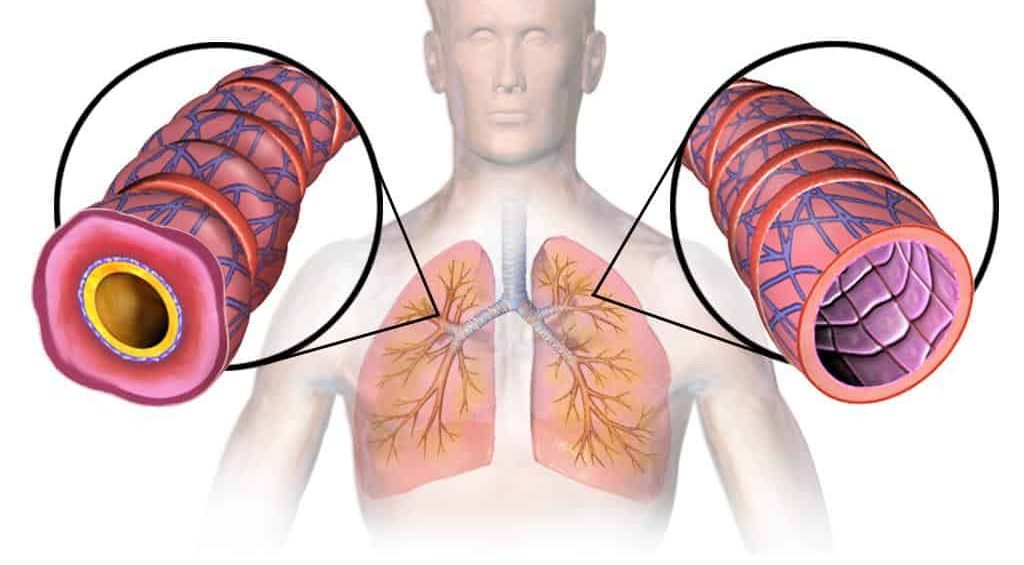
    Asthma is a long-term inflammatory airway condition that can narrow breathing tubes and make them overreact. During a flare, the airway lining may swell, muscles tighten, and mucus can increase. This makes airflow harder, especially when breathing out.

    In plain language, asthma makes the lungs more sensitive than usual. A cold, pollen, smoke, cold air, or strong scent can set off coughing or tight breathing in some people. Symptoms may come and go, which is why asthma can be missed when a person feels well during an appointment.

    For a broader look at causes and contributors, see Cause Of Asthma. If you prefer browsing related lung-health topics, the Respiratory collection can help you continue learning.

    Why it matters: Asthma can be manageable, but under-recognized symptoms can escalate quickly.

    Common Asthma Symptoms in Children and Adults

    The most common asthma symptoms are cough, wheeze, shortness of breath, chest tightness, and breathing that interrupts sleep or usual activity. Wheezing is a high-pitched whistling sound, often heard when breathing out. Cough may be dry, repeated, or worse after running, laughing, crying, or a respiratory infection.

    Some people have obvious attacks. Others have mild asthma symptoms that show up as reduced stamina, frequent throat clearing, or a cough that lingers after colds. Symptoms may appear in clusters, then fade for days or weeks. That changing pattern is one reason history and tracking are important.

    Five signs that often point toward asthma

    • Wheezing: a whistling sound with breathing.
    • Night cough: waking from cough or chest tightness.
    • Shortness of breath: trouble keeping up with normal activity.
    • Chest tightness: pressure, heaviness, or squeezing.
    • Trigger pattern: symptoms after colds, allergens, smoke, or exercise.

    Not every person has all five signs. Some have cough-variant asthma, where coughing dominates and wheezing is absent or hard to hear. Others have exercise-induced bronchoconstriction, where symptoms mainly follow vigorous activity, especially in cold or dry air.

    For many families, the practical question is not only whether symptoms are present, but whether they are changing. More nighttime waking, more reliever use, or less tolerance for normal activities may suggest worsening control. These patterns deserve review with a clinician.

    How Symptoms Differ by Age

    Age changes how asthma symptoms appear because children, teens, and adults describe breathing problems differently. Young children may not say “my chest feels tight.” Instead, caregivers may see fast breathing, belly breathing, feeding trouble, or tiredness during play.

    In school-age children, signs may include coughing after recess, avoiding sports, or needing more breaks than peers. A child may also seem irritable or unusually quiet during a flare. Teachers and coaches may notice patterns before a medical visit does, so shared observation can be valuable.

    Teens may hide symptoms because they do not want to stand out. They may skip inhalers, avoid gym, or downplay nighttime coughing. A plan that respects independence, privacy, and school routines often works better than reminders alone.

    Asthma symptoms in adults may look like reduced exercise tolerance, repeated bronchitis-like episodes, seasonal chest tightness, or breathing trouble at work. Some adults assume breathlessness comes from aging, stress, or being out of shape. Those explanations can overlap, but persistent or recurring symptoms need medical assessment.

    Adult-onset asthma can start later in life, even without childhood asthma. It may be linked with allergies, sinus disease, workplace exposures, respiratory infections, hormonal changes, or other health conditions. Adults may also have reflux, sleep apnea, heart disease, or chronic obstructive pulmonary disease, which can complicate diagnosis.

    For child-focused care context across health topics, the Pediatrics collection may be useful when building age-appropriate routines.

    Triggers, Causes, and Risk Factors

    Asthma has no single cause. Genetics, immune sensitivity, early-life exposures, allergies, viral infections, air pollution, and occupational irritants can all contribute. A trigger is something that brings on symptoms in a person who already has sensitive airways.

    Common triggers include pollen, dust mites, pet dander, mold, respiratory viruses, tobacco smoke, wildfire smoke, strong fragrances, cleaning sprays, cold air, and exercise. Emotional stress can also worsen breathing patterns or make symptoms feel more intense. Triggers often stack together, so a cold during pollen season may cause a larger flare than either factor alone.

    Workplace exposures deserve special attention in adults. Bakers, cleaners, painters, healthcare workers, laboratory staff, and people exposed to dusts or chemical fumes may develop work-related symptoms. If breathing worsens during shifts and improves away from work, that pattern should be discussed with a clinician. For more on this angle, see Occupational Asthma.

    What can be mistaken for asthma?

    Several conditions can resemble asthma. Viral bronchitis, pneumonia, vocal cord dysfunction, reflux, anxiety-related hyperventilation, heart problems, chronic obstructive pulmonary disease, and medication side effects can cause cough or shortness of breath. This overlap is why objective testing matters when symptoms persist or recur.

    No home checklist can confirm asthma by itself. A detailed history, physical exam, and breathing tests help separate asthma from look-alike conditions. This is especially important for infants, older adults, smokers, and anyone with chest pain, fainting, fever, or unexplained weight loss.

    Silent or Subtle Warning Signs

    Silent asthma does not mean harmless asthma. It usually means symptoms are less obvious, or the person is not wheezing loudly enough for others to hear. A person may look tired, speak less, or avoid movement rather than complain of breathing trouble.

    Children may stop playing, sit upright, pull in around the ribs, or breathe with the belly. Infants may feed poorly or seem unusually sleepy. Adults may pause while speaking, avoid stairs, wake with cough, or feel chest pressure during routine walks.

    Peak-flow tracking can help some people notice changes before symptoms feel severe. Peak expiratory flow is the fastest air a person can blow out after a full breath. Many action plans use green, yellow, and red zones based on a person’s best reading.

    This calculator can help estimate peak-flow zones from a personal best value. It is a tracking aid, not a diagnosis tool or replacement for clinical guidance.

    [peak-flow-zone-calculator]

    Quick tip: Bring symptom notes and peak-flow trends to asthma reviews when available.

    Diagnosis: How Clinicians Confirm the Pattern

    Asthma diagnosis combines symptom history with breathing tests when the person is old enough to perform them reliably. Spirometry measures airflow and can show whether narrowing improves after a bronchodilator, which is a medicine that opens the airways.

    Clinicians may also use peak-flow monitoring over time, allergy evaluation, or fractional exhaled nitric oxide testing. Fractional exhaled nitric oxide, often called FeNO, measures a marker linked with certain types of airway inflammation. It is not the only test, but it can add context in selected cases.

    Children may need repeated assessments because wheeze with viral infections is common in early childhood. Some children outgrow wheezing patterns, while others develop persistent asthma. Clinicians consider age, family history, eczema, allergies, symptom frequency, and response to treatment.

    Adults may need evaluation for other causes, especially when symptoms start later in life. Heart conditions, chronic lung disease, reflux, vocal cord dysfunction, and medication-related cough may need consideration. Accurate diagnosis helps avoid both undertreatment and unnecessary medication.

    Daily Control and Flare Planning

    Asthma care usually aims to reduce daily symptoms, prevent flares, support normal activity, and lower emergency risk. A written action plan is one of the most practical tools. It explains what to do when symptoms are controlled, worsening, or urgent.

    Good control also depends on device technique. Metered-dose inhalers, dry-powder inhalers, soft-mist inhalers, and nebulizers each require different steps. Spacers or holding chambers can help with some inhalers, especially for children or people who struggle to coordinate a breath with a spray.

    Asthma medication often falls into two broad groups. Reliever medicines help open tight airways quickly during symptoms. Controller medicines reduce airway inflammation over time and are used to prevent future flares when prescribed. Some treatment plans use combination inhalers, but the right approach depends on age, severity, triggers, and medical history.

    For a deeper educational overview, see Asthma Treatment. For medication-class context, Asthma Management Medications explains common options without replacing clinician guidance.

    Some readers also want to understand specific inhaler or respiratory product pages. Examples include Ventolin 100mcg, Flovent HFA, and Symbicort. These pages are informational navigation points and should not be used to start, stop, or change treatment without a prescriber.

    BorderFreeHealth connects U.S. patients with licensed Canadian partner pharmacies for eligible prescription options; where required, prescription details are verified before pharmacy dispensing. This access context is separate from diagnosis or treatment decisions, which belong with your healthcare professional.

    Preventing Attacks at Home, School, and Work

    Prevention starts with finding patterns you can act on. Look at bedrooms, classrooms, sports settings, workplaces, vehicles, and seasonal changes. Dust, mold, smoke, fragrance, pet dander, and viral exposure may each matter differently by person.

    At home, practical steps may include washing bedding, reducing dust reservoirs, repairing leaks, keeping smoke out of indoor spaces, and improving ventilation when cleaning. If pets are a trigger, discuss realistic exposure-reduction steps rather than relying on one change. During wildfire smoke or high-pollen days, local air-quality alerts can guide outdoor plans.

    At school, children may need medication access, activity instructions, emergency contacts, and staff awareness. A school plan should explain early warning signs in plain language. It should also avoid unnecessary activity restriction when symptoms are controlled and the clinician supports participation.

    At work, adults may need to track timing, exposures, ventilation, and symptom changes across days off. Do not ignore a pattern of symptoms that worsens in one building, shift, or task. Work-related asthma can become harder to control if exposure continues without assessment.

    For practical prevention ideas, see Reducing Asthma Attacks. When you need product-category navigation rather than an educational article, the Respiratory Products category lists related respiratory items.

    When Asthma Symptoms Need Urgent Help

    An asthma attack may involve severe shortness of breath, chest tightness, wheezing, rapid breathing, or coughing that does not settle. Some attacks are loud and obvious. Others are dangerous because the person becomes too breathless to wheeze strongly.

    Seek urgent medical help if a person has trouble speaking full sentences, blue or gray lips, severe rib or neck retractions, confusion, drowsiness, fainting, or worsening symptoms despite reliever medicine as directed in an action plan. In children, flaring nostrils, belly pulling under the ribs, or rapid breathing at rest are concerning.

    The question “can asthma kill you” is frightening but important. Severe asthma attacks can be life-threatening, especially when symptoms are ignored, reliever response is poor, or access to urgent care is delayed. That is why action plans, correct inhaler technique, and early escalation matter.

    If symptoms escalate quickly, follow the written action plan and seek emergency care. Bring inhalers, spacers, and recent peak-flow readings if doing so does not delay care.

    Authoritative Sources

    For a concise public-health overview, see the CDC page on asthma symptoms and basic facts.

    For patient-friendly diagnosis and treatment information, MedlinePlus provides an asthma condition overview.

    For U.S. clinical guideline updates, the NHLBI summarizes asthma management recommendations.

    Recap

    Asthma symptoms can be obvious, subtle, or easy to mistake for other problems. Watch for cough, wheeze, chest tightness, breathlessness, nighttime waking, and limits during normal activity. Children may show behavior changes first, while adults may notice exertional or workplace patterns.

    The next step is not self-diagnosis. Track symptoms, know urgent warning signs, review inhaler technique, and work with a healthcare professional on a written plan that fits age, triggers, and daily life.

    This content is for informational purposes only and is not a substitute for professional medical advice.

  • Asthma Triggers: Causes, Cough Clues, and Home Control

    Asthma Triggers: Causes, Cough Clues, and Home Control

    Asthma triggers are exposures, infections, conditions, or activities that irritate already sensitive airways and bring on symptoms such as coughing, wheezing, chest tightness, or shortness of breath. They do not usually cause asthma by themselves. Asthma develops through a mix of airway inflammation, genetics, allergies, early-life exposures, and other risk factors. Why it matters: when you know your pattern, you can reduce avoidable flare-ups and respond earlier when symptoms change.

    Key Takeaways

    • Triggers are personal: the same exposure may bother one person and not another.
    • Common triggers include allergens, smoke, infections, cold air, exercise, and strong odors.
    • Night cough, mucus, or a dry repetitive cough can be asthma-related, but sound alone cannot diagnose it.
    • Home control works best when it targets the likely source, not every possible trigger.
    • Urgent symptoms need your asthma action plan and emergency care when breathing feels unsafe.

    Asthma Triggers and Causes Are Not the Same

    A cause is a factor that helps asthma develop. A trigger is something that sets off symptoms after the airways are already prone to inflammation and narrowing. This difference matters because trigger control can reduce attacks, but it does not replace diagnosis, monitoring, or appropriate treatment.

    Asthma is a chronic airway condition. The airways can become inflamed, swollen, and overly reactive. During a flare, the muscles around the airways may tighten, mucus may increase, and airflow may feel restricted. This can lead to wheeze, cough, chest tightness, or shortness of breath.

    Risk factors for developing asthma can include family history, allergic disease, early-life respiratory infections, tobacco smoke exposure, air pollution, and some workplace exposures. These factors do not affect everyone in the same way. Two people can share the same environment and have different airway responses.

    Triggers are often more changeable. A person may react to dust mites at home, pollen during spring, viral infections in winter, or fumes at work. Some people have symptoms mainly during exercise or at night. Others notice coughing after laughing, crying, cold air, or strong smells.

    This is why a practical plan starts with observation. Instead of assuming one universal cause, track when symptoms appear, where they happen, and what changed shortly before they started.

    A Practical Trigger List: Air, Allergens, Weather, and Illness

    A practical asthma triggers list starts with the exposures most often linked with airway irritation or allergic inflammation. You do not need to fear every item on the list. You need to learn which ones match your symptoms and test patterns with your clinician when needed.

    Allergens and indoor particles

    Allergens are substances that can cause an immune reaction in people who are sensitive to them. Common examples include dust mites, mold, pet dander, cockroach particles, and pollen that comes indoors on clothing or through open windows. If nasal allergies are part of your pattern, the overlap can be important. You can read more about this connection in Allergic Rhinitis Symptoms and Treatment.

    Indoor allergens often build up in soft surfaces. Mattresses, pillows, carpets, curtains, stuffed toys, and upholstered furniture can hold dust and dander. Damp rooms can support mold. Pests can leave particles in kitchens, basements, and shared walls. The main goal is not perfection. It is reducing the exposure that seems most linked to symptoms.

    Irritants, pollution, and strong smells

    Irritants do not need to trigger an allergy to bother airways. Tobacco smoke, cannabis smoke, wildfire smoke, wood-burning stoves, vehicle exhaust, scented sprays, cleaning fumes, and workplace chemicals can all irritate sensitive airways. Some people also notice symptoms around paint, solvents, perfumes, or air fresheners.

    These exposures can be harder to control because they may come from shared spaces, public areas, or work. If symptoms reliably improve away from work and return during shifts, consider an occupational pattern. The overview on Occupational Asthma explains how job-related exposures can fit into asthma care.

    Weather, exercise, and infections

    Cold air can dry and cool the airways. Sudden temperature shifts may also provoke symptoms. Exercise can trigger bronchoconstriction, which means temporary airway narrowing during or after activity. This does not mean exercise is unsafe for everyone with asthma. It means symptoms during activity deserve a plan that fits the person and the sport.

    Respiratory infections are another major trigger. Colds, flu, and other viral illnesses can inflame the airways for days or weeks. For some people, cough lingers after the infection seems mostly gone. If symptoms last, worsen, or require frequent reliever use, medical review matters.

    Food, medicines, and body factors

    Food is not a universal asthma trigger. Still, food allergy can cause breathing symptoms in some people, especially when hives, swelling, vomiting, dizziness, or throat tightness appear. Sulfites, found in some preserved foods and drinks, may also bother a smaller group of people with asthma.

    Some medicines can worsen asthma in certain people, including aspirin or other nonsteroidal anti-inflammatory drugs in aspirin-exacerbated respiratory disease. Some beta-blockers can also affect breathing. Do not stop prescribed medicines on your own. Ask a clinician or pharmacist how a medicine fits your history.

    Other health conditions can add fuel. Reflux, chronic sinus disease, untreated allergies, sleep apnea, and obesity can worsen asthma control in some people. These are not character flaws. They are medical clues that may change the care plan.

    Cough Clues: Night Symptoms, Mucus, and Cough Variant Asthma

    An asthma cough often sounds dry, repetitive, or tight, but there is no single asthma cough sound that proves the diagnosis. Some people wheeze loudly. Others cough without wheezing. Some produce mucus. The pattern matters more than the sound.

    Cough variant asthma is a form of asthma where cough is the main or only symptom. It can be mistaken for post-nasal drip, reflux, infection, or habit cough. A clinician may consider lung function testing, symptom timing, triggers, and response to treatment when sorting this out.

    Night coughing is especially important. Asthma symptoms that wake you can suggest airway inflammation or poor control. Common night contributors include dust mites in bedding, pet dander in the bedroom, reflux when lying flat, cold air, viral illness, or missed controller treatment. Repeated night symptoms deserve medical review, even when daytime symptoms seem mild.

    Many readers ask how to stop an asthmatic cough, especially at night. The safest answer is to follow your written asthma action plan. If you have a prescribed reliever, use it only as directed. Sitting upright, moving away from smoke or strong odors, and keeping calm can help while you assess symptoms. Do not rely on cough suppressants to treat breathing trouble.

    Mucus can occur with asthma because inflamed airways may produce more secretions. Mucus can also point to infection, allergies, sinus drainage, or irritant exposure. Seek care sooner if mucus comes with high fever, chest pain, blood, severe shortness of breath, dehydration, or a sudden change from your usual pattern.

    How to Avoid Asthma Triggers at Home Without Overdoing It

    Asthma triggers in the home often collect in ordinary places. The most useful changes are targeted, realistic, and repeated. A perfect home is not possible. A safer pattern usually is.

    Start with the room where you sleep. People spend many hours there, and night symptoms can reflect bedroom exposures. Wash bedding regularly, reduce dust collectors near the bed, and consider allergen-proof covers if dust mites are a confirmed or likely issue. If pets trigger symptoms, keeping them out of the bedroom may be more realistic than larger household changes.

    Moisture control is important when mold is suspected. Fix leaks when possible, dry damp areas promptly, and use ventilation in bathrooms and kitchens. Cleaning visible mold may help, but recurring mold usually means moisture remains. Strong bleach fumes can irritate airways, so ventilation and safer cleaning choices matter.

    Smoke exposure deserves special attention. There is no safe level of secondhand smoke for sensitive airways. Smoke can cling to clothing, furniture, and cars. If a household member smokes, moving smoking fully outside and away from doors or windows can reduce indoor exposure.

    Cleaning can help or hurt. Dusting with a damp cloth, vacuuming with good filtration, and avoiding scented sprays may reduce particles and fumes. Some people react more to the cleaner than to the dust. If a product causes coughing or chest tightness, it may be worth switching to a low-odor option.

    When allergies are central, broader learning can help you connect asthma with rhinitis, eczema, hives, or swelling reactions. The Allergy and Immunology Hub offers a browseable path into related allergy topics.

    • Bedroom focus: reduce dust around sleep.
    • Moisture control: fix damp areas early.
    • Smoke boundaries: keep smoke fully outside.
    • Low-odor cleaning: avoid harsh fumes.
    • Pet patterns: test bedroom separation first.
    • Pollen habits: change clothes after high exposure.

    Prevention and Treatment Work Better Together

    Trigger control can help prevent asthma attacks, but it is only one part of asthma care. The treatment of asthma usually combines education, inhaler technique, monitoring, trigger reduction, and medicines matched to symptom pattern and risk. A written action plan makes those pieces easier to use during real symptoms.

    Asthma medicines often fall into broad roles. Reliever medicines are used for quick symptom relief as prescribed. Controller medicines are used to reduce airway inflammation over time. Some people need both. Others need a different plan based on severity, age, other conditions, pregnancy, or past attacks. For a broader treatment overview, see Asthma Treatment.

    Do not stop a controller inhaler because symptoms improved after avoiding a trigger. Better control can mean the plan is working. Stopping or changing treatment without medical advice may allow inflammation to build again. If side effects, cost, access, or technique problems get in the way, bring those issues up directly.

    Inhaler technique is a common blind spot. A medicine can be appropriate but still work poorly if it does not reach the lungs well. Spacers, breath timing, device choice, and mouth rinsing after some inhalers may all matter. The resource on Asthma Management Medications gives more context on how different medication roles fit into care.

    Some people use peak flow monitoring as part of an action plan. Peak flow is a home breathing measurement that estimates how fast you can blow air out. It does not replace symptoms, oxygen checks, or clinician judgment. It can, however, help some people compare readings with their personal best.

    This calculator can help compare a peak flow reading with common zone percentages when you already know your personal best value.

    [peak-flow-zone-calculator]

    The result is a general math aid. Your clinician should define what each zone means for your own plan.

    When a Trigger Becomes an Asthma Warning Sign

    A trigger becomes more concerning when symptoms escalate, repeat, or do not respond as expected. Do not wait for a perfect explanation before seeking help. Breathing symptoms can change quickly.

    Use your asthma action plan if you have one. Seek urgent care or emergency help if you have severe shortness of breath, trouble speaking in full sentences, blue or gray lips, confusion, chest pain, fainting, exhaustion from breathing, or symptoms that do not improve with prescribed rescue treatment. Children may show fast breathing, tugging at the ribs or neck, unusual sleepiness, or difficulty feeding.

    You may see the 4-4-4 rule for asthma discussed online. Some regions teach a numbered reliever-inhaler first-aid pattern under local guidance. It is not a universal instruction, and it may not match your inhaler, age, prescription, or emergency plan. Use the plan given to you, and call emergency services when symptoms are severe.

    Repeated night cough, frequent reliever use, missed school or work, or avoiding normal activities are also warning signs. They may not feel dramatic in the moment, but they can signal poor control. Early review can prevent a cycle of symptoms, anxiety, and repeated flare-ups.

    Build a Personal Trigger Plan You Can Actually Use

    Asthma triggers are personal, so the most useful plan is specific. A short symptom diary can reveal patterns that memory misses. Note the date, place, activity, weather, illness symptoms, food or drink changes, smoke exposure, cleaning products, pets, and medicine use. Also record what helped and how quickly.

    Bring that record to appointments. It can help your clinician decide whether you need allergy testing, lung function testing, medication adjustment, inhaler coaching, or a plan for exercise and travel. If you are preparing for a trip, Traveling With Asthma covers planning points that can reduce surprises away from home.

    It also helps to separate control steps into three groups. First, remove exposures that clearly cause symptoms and are easy to change. Second, reduce exposures that matter but cannot be eliminated. Third, prepare for unavoidable triggers, such as pollen season, cold weather, exercise, or respiratory infections.

    The Respiratory Health Hub collects related breathing-condition resources for deeper reading. Use those resources as background, not as a substitute for your own diagnosis or action plan.

    Authoritative Sources

    This content is for informational purposes only and is not a substitute for professional medical advice.

  • Asthma Treatment for Adults and Teens: Smarter Control

    Asthma Treatment for Adults and Teens: Smarter Control

    Asthma treatment for adults and teens usually combines anti-inflammatory control, quick-relief medicine, trigger planning, correct inhaler technique, and a written action plan. The goal is not only to stop wheezing in the moment. It is to reduce airway inflammation, prevent flare-ups, and help people know what to do when symptoms change.

    Better control matters because asthma can seem quiet between attacks. Inflamed airways may still react quickly to exercise, infections, smoke, allergens, cold air, or missed controller medicine. A clear plan helps you understand daily prevention, symptom relief, and when breathing problems need medical care.

    Key Takeaways

    • Control has two goals: fewer daily symptoms and fewer severe flare-ups.
    • Many modern plans include an inhaled corticosteroid, not only a rescue inhaler.
    • SMART therapy for asthma may fit some people, but it requires the right inhaler and written instructions.
    • Technique, adherence, triggers, and action plans can matter as much as the prescription.
    • Urgent symptoms need prompt care, especially severe breathlessness, blue lips, confusion, or poor response to reliever medicine.

    How Asthma Treatment for Adults and Teens Is Planned

    Asthma care starts by judging current control and future risk. Clinicians usually ask how often symptoms occur, whether sleep is interrupted, how often reliever medicine is needed, and whether activity is limited. They also consider past emergency visits, oral steroid use, lung function, other health conditions, smoking or vaping exposure, and medication access.

    Asthma is an airway condition marked by inflammation, narrowing, and extra sensitivity. When airways react, people may cough, wheeze, feel chest tightness, or struggle to breathe. Symptoms often vary over time. That is why a plan may change after a viral illness, allergy season, pregnancy, a new workplace exposure, or changes in sports and exercise.

    Many asthma management guidelines emphasize anti-inflammatory treatment. In plain language, that means treating airway swelling, not only relaxing tight airway muscles during symptoms. Inhaled corticosteroids are a common controller option because they help reduce airway inflammation over time. Rescue medicines can still be important, but relying on them alone may leave inflammation untreated.

    Why it matters: Frequent reliever use can signal poor control, even when symptoms briefly improve.

    A clinician may also confirm the diagnosis with spirometry or other breathing tests. This matters because several problems can mimic asthma, including vocal cord dysfunction, chronic obstructive pulmonary disease, reflux-related cough, anxiety-related breathlessness, heart conditions, and medication side effects. If the diagnosis is unclear, treatment may not work as expected.

    Controller, Reliever, and SMART Inhaler Strategies

    Most asthma medication plans separate two jobs: prevention and relief. Controller medicines reduce airway inflammation or prevent symptoms over time. Reliever medicines are used when symptoms appear. Some plans use one eligible inhaler for both roles, while others use separate inhalers.

    Controller medicines

    Controller medicines are used to reduce airway inflammation and lower flare-up risk. Inhaled corticosteroids for asthma are a core option for many adults and teens. Some plans use a corticosteroid alone. Others use combination inhalers that pair an inhaled corticosteroid with a long-acting bronchodilator, which helps open the airways for a longer period.

    Controller medicine works best when the person understands when to use it and how to use the device. Some people stop prevention treatment when they feel well. That can be risky, because airway inflammation may persist even during symptom-free weeks. If a controller is hard to afford, refill, or use correctly, the care team should know before the plan is changed.

    Reliever medicines

    Reliever medicines are used when symptoms occur. Short-acting beta agonists, often called SABAs, relax airway muscles quickly. Some care plans use an ICS-formoterol inhaler as the reliever instead. The right reliever depends on the overall plan, the available inhalers, and the prescriber’s instructions.

    A rescue inhaler for asthma can be essential during symptoms. Still, needing it often is a warning sign. Increased reliever use, nighttime symptoms, or reduced exercise tolerance usually means the treatment plan should be reviewed.

    SMART therapy

    SMART therapy is a specific approach, not a general term for any combination inhaler. SMART stands for single maintenance and reliever therapy. It uses an inhaler containing an inhaled corticosteroid plus formoterol, a long-acting bronchodilator with a quick onset, as both the daily controller and the as-needed reliever.

    This strategy may simplify care for some adults and teens because the same inhaler has two roles. It may also increase anti-inflammatory treatment during symptom periods. However, SMART therapy for asthma is not appropriate with every inhaler. Combination inhalers that use other long-acting bronchodilators may not work as relievers. A written plan should state exactly when and how the inhaler is used, including daily and maximum-use limits set by the prescriber.

    Other treatment paths are still common. Some people use a daily controller inhaler plus a separate rescue inhaler. Others may use an inhaled corticosteroid whenever a reliever is used, depending on the clinician’s plan and local guideline approach. People with difficult or severe asthma may need specialist assessment and add-on therapies.

    Strategy Main role Key safety point
    Rescue inhaler plan Provides quick symptom relief during wheeze or tightness. Frequent need should trigger a control review.
    Daily controller plan Reduces airway inflammation and lowers flare-up risk. Works best with consistent use and good technique.
    SMART approach Uses one eligible ICS-formoterol inhaler for maintenance and relief. Requires the correct inhaler and written instructions.
    Specialist add-ons May help selected people with difficult or severe asthma. Usually follows reassessment of diagnosis, triggers, and adherence.

    The best asthma treatment for adults and teens is the plan that matches symptom pattern, flare-up risk, inhaler skill, preferences, and practical access. It should also be reviewed after any serious exacerbation, which is a flare-up that worsens enough to need extra treatment or urgent care.

    Asthma Medication Options That May Appear in a Care Plan

    Asthma medicines have different jobs. Understanding those roles can help you ask clearer questions, refill the right medicines, and avoid using a reliever as a substitute for controller care.

    Inhaled corticosteroids are often used as foundation therapy because they target airway inflammation. Examples of inhaled corticosteroid or combination inhaler pages on this site include Flovent HFA, Symbicort, Advair, and Breo Ellipta. These links are for medication context and navigation only; the right option depends on a prescriber’s assessment.

    Reliever options may include short-acting bronchodilators or an eligible ICS-formoterol inhaler in a SMART plan. A product page such as Ventolin 100 mcg can help readers recognize one common type of rescue inhaler, but it should not be used to choose treatment without clinician guidance.

    Add-on treatments may be considered when asthma remains uncontrolled despite correct technique, regular controller use, and trigger management. These can include specialist-directed inhaler changes, allergy-focused treatment, biologic medicines for certain severe asthma patterns, or short courses of oral corticosteroids for significant flare-ups. Oral steroids can be important during severe episodes, but repeated use raises safety concerns and should prompt a review.

    Medication choice also depends on age, pregnancy plans, other conditions, and interacting medicines. Teens may need extra support with school schedules, sports, privacy, and routine-building. Adults may need a plan that accounts for occupational exposures, smoking history, pregnancy, heart disease, reflux, or sleep apnea.

    Action Plans, Triggers, and Flare-Up Prevention

    An asthma action plan turns treatment into clear steps for daily life. It usually explains baseline medicines, early warning signs, reliever steps, peak-flow zones if used, and when to call a clinician or seek urgent care. The plan should be written in plain language and updated after major changes.

    Triggers do not cause every case of asthma, but they can worsen symptoms. Common triggers include respiratory infections, dust mites, animal dander, pollen, mold, smoke, vaping aerosols, air pollution, cold air, exercise, strong odors, and some workplace exposures. Some people also notice symptoms with nonsteroidal anti-inflammatory drugs or beta-blocker medicines. Do not stop a prescribed medicine on your own; ask a clinician if you suspect a link.

    Flare-up prevention is not only about avoiding triggers. It also means noticing patterns early. For example, using a reliever more often during allergy season may mean the controller plan needs review. Missing school, skipping sports, waking at night, or needing urgent care are also signs that asthma control strategies may need adjustment.

    • Track patterns: Note symptoms, triggers, and reliever use.
    • Check technique: Ask for inhaler and spacer review.
    • Plan refills: Avoid gaps in controller medicine.
    • Prepare for exercise: Follow the pre-activity plan provided.
    • Reduce irritants: Avoid smoke and vaping exposure.
    • Review after flares: Update the plan after urgent care.

    Some action plans use peak flow, a home measurement of how fast air moves out of the lungs. A peak-flow calculator can estimate green, yellow, and red zones from a personal best value, but those zones should be checked against a clinician-written plan.

    [peak-flow-zone-calculator]

    Quick tip: Bring your inhaler, spacer, and action plan to asthma visits.

    For more practical prevention context, see Reducing Asthma Attacks. If symptoms are hard to identify, Asthma Symptoms in Kids and Adults can help you prepare a clearer symptom history for your visit.

    Adults and Teens Have Different Control Barriers

    Adults and teens often use similar medicine classes, but the barriers to control can differ. A teen may feel embarrassed using an inhaler at school, skip doses during sleepovers, or rely on a rescue inhaler before sports without mentioning symptoms. A parent or caregiver may not see daytime symptoms, especially as teens become more independent.

    Adults may face different pressures. Work exposures, caregiving duties, cost concerns, multiple medicines, or long gaps between appointments can all affect control. Some adults normalize daily cough or breathlessness, especially if symptoms have been present for years. Others may stop controller medicine when they feel well, then restart only during flares.

    Both groups benefit from shared decision-making. That means the clinician explains options, risks, and trade-offs while the patient explains routines, goals, concerns, and access issues. A realistic plan is usually safer than a perfect plan that no one can follow.

    Adherence is not only about motivation. Inhaler technique can be hard. Some devices require slow deep breaths; others require a strong fast breath. Spacers may help with certain metered-dose inhalers. If symptoms persist despite regular use, technique should be checked before assuming the medicine has failed.

    Travel can also expose gaps in a plan. People may forget a spacer, run low on medicine, or face smoke, pollen, cold air, or viral infections away from home. Traveling With Asthma covers planning issues that are easy to miss before a trip.

    When Asthma Is Not Controlled

    Asthma should be reviewed when symptoms become more frequent, reliever use rises, exercise tolerance drops, or sleep is interrupted. A review is also important after any emergency visit, hospitalization, or oral steroid course. These events suggest the current plan may not be controlling airway inflammation or preventing flare-ups well enough.

    Seek urgent medical help for severe breathlessness, trouble speaking in full sentences, bluish lips or face, confusion, drowsiness, chest retractions, or symptoms that do not improve as expected with the prescribed reliever plan. People with a history of life-threatening asthma should have a clear emergency plan and should not delay care during severe symptoms.

    Some situations need tailored guidance sooner rather than later. These include pregnancy, frequent nighttime symptoms, repeated missed school or work, suspected occupational asthma, smoking or vaping exposure, severe allergies, or possible side effects from treatment. A clinician may adjust the plan, assess lung function, review triggers, or refer to an asthma or allergy specialist.

    If you are comparing medicine roles, Asthma Management Medications gives a broader look at common treatment categories. For a more specific combination-inhaler discussion, Symbicort Dosing Guidelines may help you prepare questions for your prescriber.

    Access, Cost, and Prescription Questions

    Access questions are part of asthma control because inhalers only help when people can use them consistently. If a prescribed medicine is hard to afford, hard to find, or difficult to use, tell the prescriber before changing the plan yourself. There may be another device, therapeutic option, refill approach, or support pathway that fits better.

    For asthma treatment for adults and teens, it helps to separate clinical choice from pharmacy logistics. The prescriber decides what is appropriate based on your health needs. Then the patient, pharmacy, and care team can work through coverage, cash-pay options, refills, and device availability.

    BorderFreeHealth connects U.S. patients with licensed Canadian partner pharmacies when prescription access is appropriate. Where required, the pharmacy verifies prescription details with the prescriber before dispensing. Cash-pay cross-border options may support some patients without insurance, subject to eligibility and jurisdiction.

    For broader learning, the Respiratory Health Topics collection can help you explore related breathing conditions. If you are reviewing medication categories, the Respiratory Product Category is a browseable list rather than medical advice.

    Questions to Bring to an Asthma Visit

    Good questions can make a short appointment more useful. Bring a list of symptoms, triggers, missed doses, urgent visits, and inhaler problems. If possible, bring pharmacy labels or device names too, because similar inhalers can have different roles.

    • Control goal: What does well-controlled asthma mean for me?
    • Daily plan: Which medicine is for prevention?
    • Relief plan: Which inhaler should I use during symptoms?
    • SMART fit: Am I using an inhaler that supports this approach?
    • Safety limits: When should I call or seek urgent care?
    • Technique check: Can you watch me use my device?
    • Trigger plan: Which exposures should I track first?
    • Follow-up timing: When should this plan be reassessed?

    These questions do not replace medical judgment. They help you understand the plan and spot barriers early. Asthma treatment for adults and teens works best when the patient, caregiver, prescriber, and pharmacist all understand the same instructions.

    Authoritative Sources

    Asthma control is not a one-time decision. It is a working plan that should change when symptoms, risks, routines, or access issues change. If your current plan is confusing or hard to follow, ask for a written review before making changes on your own.

    This content is for informational purposes only and is not a substitute for professional medical advice.
  • Diabetes Drugs List: Classes, Uses, and Safety Factors

    Diabetes Drugs List: Classes, Uses, and Safety Factors

    A diabetes drugs list is a practical way to compare medicine classes, brand and generic names, and safety trade-offs. Diabetes medicines lower blood sugar in different ways. Some support heart, kidney, or weight goals, while others mainly reduce glucose or replace insulin. The right option depends on diabetes type, A1C, kidney function, heart history, pregnancy plans, cost, side effects, and how a medicine fits daily life.

    This guide focuses on the major medication classes used for type 2 diabetes and the insulin categories used in type 1 and type 2 diabetes. It is not a ranking or a substitute for your care plan. Use it to prepare clearer questions for your clinician or pharmacist.

    Key Takeaways

    • Classes differ: each lowers glucose through a different pathway.
    • No universal best: the right medicine depends on your risks and goals.
    • Names can confuse: learn both generic and brand names.
    • Safety matters: kidney function, hypoglycemia, and interactions shape choices.
    • Monitoring helps: A1C trends and home readings guide follow-up.

    Diabetes Drugs List by Class

    Most diabetes medicines fit into a class, which means they share a similar mechanism. Knowing the class helps you understand what the drug does, why it may be paired with another medicine, and which side effects deserve attention.

    The table below summarizes common classes, plain-language roles, and examples. It is not a complete medication directory. Some drugs also come as fixed-dose combinations, so one tablet may contain two classes.

    Class How It Helps Example Generics Example Brand Names
    Biguanide Reduces glucose release from the liver and improves insulin response Metformin Glucophage and other metformin products
    SGLT2 inhibitors Help the kidneys remove extra glucose through urine Canagliflozin, dapagliflozin, empagliflozin Invokana, Farxiga, Jardiance
    GLP-1 receptor agonists Increase glucose-dependent insulin release and slow stomach emptying Dulaglutide, semaglutide, liraglutide Trulicity, Ozempic, Victoza
    Dual GIP/GLP-1 receptor agonist Acts on incretin pathways involved in glucose and appetite regulation Tirzepatide Mounjaro
    DPP-4 inhibitors Prolong incretin hormones that help regulate insulin and glucagon Sitagliptin, linagliptin, alogliptin Januvia, Tradjenta, Nesina
    Sulfonylureas Tell the pancreas to release more insulin Glipizide, glimepiride, glyburide Glucotrol, Amaryl, Diabeta
    Thiazolidinediones Improve insulin sensitivity in muscle and fat tissue Pioglitazone, rosiglitazone Actos, Avandia
    Alpha-glucosidase inhibitors Slow carbohydrate breakdown after meals Acarbose, miglitol Precose, Glyset
    Insulins Replace or supplement the body’s insulin Lispro, regular insulin, NPH, glargine Humalog, Humulin R, Humulin N, Lantus

    Metformin is often used early in type 2 diabetes care when it is appropriate. For a deeper look at this foundation therapy, see Metformin Benefits. If your care team discusses SGLT2 inhibitors, Dapagliflozin Uses explains how that class may fit into diabetes care.

    Why it matters: A medicine’s class often predicts its main benefits, common side effects, and monitoring needs.

    What Are the Top Diabetes Medications People Ask About?

    When people ask for the “top 10” diabetes medicines, they usually want familiar names, not a true ranking. Commonly discussed drugs include metformin, sitagliptin, canagliflozin, dapagliflozin, empagliflozin, dulaglutide, semaglutide, tirzepatide, glipizide, and insulin glargine. These examples span several classes, so they are not interchangeable.

    The most common starting medicine for type 2 diabetes has historically been metformin, when it is tolerated and not contraindicated. Newer guidance also considers heart failure, chronic kidney disease, cardiovascular disease, weight goals, and hypoglycemia risk earlier in treatment planning. That means a person may start or add another class sooner when those conditions are present.

    Brand names can make the list feel larger than it is. Sitagliptin is the generic name for Januvia, a DPP-4 inhibitor. Canagliflozin is the generic name for Invokana, an SGLT2 inhibitor. Dulaglutide is the generic name for Trulicity, a GLP-1 receptor agonist. These product pages can help you recognize names, but medication selection should stay individualized.

    How Type 2 Diabetes Medicines Are Chosen

    The best medicine for diabetes type 2 is not the same for everyone. Clinicians usually weigh glucose-lowering needs against heart, kidney, weight, safety, cost, and adherence factors. A person with mild A1C elevation may need a different approach than someone with heart failure, kidney disease, frequent low blood sugar, or major medication intolerance.

    Blood sugar goals

    A1C reflects average blood glucose over roughly two to three months. It does not show every high or low, but it helps care teams judge whether a regimen is working. Home glucose checks or continuous glucose monitor data may add more detail, especially when hypoglycemia is a concern.

    If you are comparing A1C with estimated average glucose, this calculator can help with unit conversion. It is a general education tool and does not replace clinical interpretation.

    [hba1c-calculator]

    Heart and kidney history

    Some SGLT2 inhibitors and GLP-1 receptor agonists have evidence supporting use in specific heart or kidney risk groups. Your clinician may prioritize these classes when established cardiovascular disease, heart failure, or chronic kidney disease is part of the picture. Kidney function also affects whether certain medicines are suitable or need closer monitoring.

    Weight and appetite effects

    Weight effects vary by class. Metformin is often weight-neutral or modestly weight-reducing for some people. GLP-1 receptor agonists and dual incretin therapies may support weight loss in appropriate patients. Sulfonylureas and insulin can cause weight gain in some users, especially if they contribute to frequent lows and extra calorie intake.

    Side effect tolerance

    No diabetes medicine is truly “without side effects.” A better question is which risks are most relevant to your health history. Gastrointestinal effects, genital infections, fluid retention, hypoglycemia, injection-site reactions, and rare serious events all need different conversations. Report severe symptoms promptly, and do not stop prescribed medication without medical guidance.

    Oral, Injectable, and Insulin Options

    An oral diabetes medications list usually includes metformin, SGLT2 inhibitors, DPP-4 inhibitors, sulfonylureas, thiazolidinediones, alpha-glucosidase inhibitors, and some GLP-1 options. Oral medicines can be convenient, but convenience is only one factor. Kidney function, other prescriptions, stomach tolerance, and hypoglycemia risk still matter.

    Injectable non-insulin medicines include several GLP-1 receptor agonists and dual incretin therapies. They are different from insulin. They work through hormone pathways that influence insulin release, glucagon levels, appetite, and stomach emptying. Some are used weekly, while others follow different schedules. Your prescriber should explain technique, storage, missed-dose instructions, and warning symptoms for the specific product.

    Insulin is essential for people with type 1 diabetes and may also be used in type 2 diabetes. Insulin categories include rapid-acting, short-acting, intermediate-acting, long-acting, and premixed options. Timing matters because each type has a different onset, peak, and duration. For more detail, see Rapid-Acting Insulin and Short-Acting Insulin.

    For broader context on autoimmune diabetes care, Type 1 Diabetes Treatment explains why insulin remains central for that condition. A long-acting insulin example is Lantus SoloStar, which may appear in insulin discussions when basal coverage is needed.

    Newer Diabetes Medicines and Weight-Loss Questions

    Many readers ask about a new drug for type 2 diabetes that helps with weight loss. In practice, this question usually points to GLP-1 receptor agonists and dual GIP/GLP-1 receptor agonists. These medicines can reduce A1C and may help some people lose weight, but they are not appropriate for everyone.

    These therapies can cause nausea, vomiting, diarrhea, constipation, or abdominal discomfort. Rare but serious concerns may include pancreatitis or gallbladder problems. People with certain personal or family medical histories may need to avoid specific drugs. Pregnancy plans, digestive disorders, and other medicines should also be discussed before starting.

    SGLT2 inhibitors are another newer class many people compare. They are pills, not injections, and they work through the kidneys. They may increase the risk of genital yeast infections, urinary symptoms, dehydration, and rare ketoacidosis, a dangerous acid build-up in the blood. Seek urgent care for severe weakness, vomiting, trouble breathing, confusion, or symptoms of dehydration.

    Quick tip: Bring your current medication list and recent lab results to diabetes visits.

    How to Use a Diabetes Medication Chart Safely

    A printable chart can help you avoid name confusion, especially if you see more than one clinician. Include the generic name, brand name, class, dose directions from your prescription label, allergies, and the reason you take each medication. Keep over-the-counter products and supplements on the same list.

    Do not use a diabetes drugs list to switch medicines on your own. Drugs within the same class can still differ in labeling, kidney considerations, interactions, and warnings. Combination tablets add another layer because one pill may contain metformin plus another active ingredient.

    If access or affordability comes up during care planning, keep the conversation factual. BorderFreeHealth connects U.S. patients with licensed Canadian partner pharmacies, and prescription details may be verified with the prescriber when required before pharmacy dispensing. This does not replace a clinician’s decision about which therapy is safe or appropriate.

    Safety, Side Effects, and When to Seek Help

    Every type 2 diabetes medications list should include safety context. Hypoglycemia, or low blood sugar, is more common with insulin and sulfonylureas than with many other non-insulin classes. Symptoms may include sweating, shakiness, fast heartbeat, confusion, hunger, headache, or weakness. Severe lows can cause seizures or loss of consciousness and require urgent help.

    Kidney function affects several diabetes drugs. Some medicines may be avoided, adjusted, or monitored more closely when kidney filtration is reduced. Liver disease, heart failure, bladder symptoms, pancreatitis history, pregnancy, breastfeeding, and planned surgery can also change the risk-benefit discussion.

    Medication interactions deserve attention. Steroids, some diuretics, beta blockers, certain antibiotics, and other drugs can affect glucose control or hide symptoms of low blood sugar. Alcohol can also raise safety concerns, especially with insulin or medicines that increase insulin release.

    Contact a healthcare professional promptly for repeated lows, persistent vomiting, signs of dehydration, severe abdominal pain, chest pain, shortness of breath, confusion, or symptoms that feel unusual for you. Emergency symptoms should be treated as urgent rather than watched at home.

    Authoritative Sources

    For current standards on diabetes medication selection, review the ADA Standards of Care. These guidelines are updated regularly and include heart, kidney, weight, and hypoglycemia considerations.

    The FDA provides a consumer-friendly medication chart in its Diabetes Medicines PDF, including generic and brand names across common classes.

    The American Diabetes Association also summarizes oral and injectable diabetes medications for patients comparing major non-insulin options.

    Recap

    A diabetes drugs list is most useful when it organizes medicines by class, not by popularity. Metformin, SGLT2 inhibitors, GLP-1 receptor agonists, DPP-4 inhibitors, sulfonylureas, thiazolidinediones, alpha-glucosidase inhibitors, and insulin all have different roles. The “best” choice depends on your diabetes type, health history, lab trends, side effect risks, and daily routine.

    Use this page as a discussion tool. Ask your care team which class you are using, why it fits your goals, what side effects to watch for, and which lab tests need follow-up. You can also browse the Diabetes Articles collection for related educational reading.

    This content is for informational purposes only and is not a substitute for professional medical advice.

  • Uloric Side Effects: Safety, Warnings, and Dosing Decisions

    Uloric Side Effects: Safety, Warnings, and Dosing Decisions

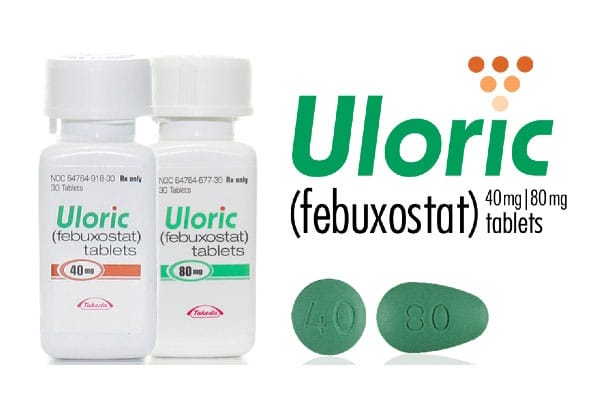
    Uloric side effects can include nausea, rash, joint pain, gout flares, and liver test changes. Rare but serious risks include heart-related events, severe allergic reactions, serious skin reactions, and liver injury. Uloric is the brand name for febuxostat, a prescription xanthine oxidase inhibitor used to lower uric acid in certain adults with gout. It is not a fast pain reliever for a sudden gout flare.

    The main decision is whether febuxostat fits your gout history, cardiovascular history, other medicines, and monitoring plan. That matters because urate-lowering treatment is usually a long-term strategy, not a quick fix. Starting treatment can also trigger flares at first, which can feel discouraging if expectations are not clear.

    Key Takeaways

    • Long-term role — Febuxostat lowers uric acid in some adults with gout.
    • Not flare rescue — It does not quickly treat sudden gout pain.
    • Common reactions — Nausea, rash, joint pain, and liver test changes may occur.
    • Serious warnings — Chest pain, stroke symptoms, severe rash, or facial swelling need urgent care.
    • Dosing decisions — It is usually taken once daily, with lab monitoring directed by the prescriber.

    Where Febuxostat Fits in Gout Care

    Febuxostat is used to manage hyperuricemia, meaning too much uric acid in the blood, in adults with gout. High uric acid can form sharp urate crystals in joints and tissues. Those crystals can lead to painful flares, tophi, and joint damage over time. For a broader background on this lab finding, see What Is Hyperuricemia.

    Febuxostat blocks xanthine oxidase, an enzyme involved in uric acid production. This helps lower uric acid over time. It does not numb pain, reduce inflammation quickly, or end an active flare by itself. Short-term flare medicines, such as colchicine or anti-inflammatory medicines, may be discussed separately by a clinician.

    In U.S. labeling, febuxostat is generally reserved for adults with gout who have not responded well to allopurinol, cannot tolerate allopurinol, or should not use it. It is not recommended for asymptomatic hyperuricemia, which means a high uric acid result without gout symptoms or related complications.

    People often ask what Uloric 40 mg is used for. In U.S. labeling, 40 mg once daily is the usual adult starting dose when febuxostat is selected. The goal is steady uric acid lowering, not immediate pain relief. If you are comparing medicine options, the site’s Febuxostat listing can provide product-page context, while your prescriber remains the source for clinical suitability.

    Why it matters: A medicine can help long-term uric acid control and still require careful safety review.

    Understanding Uloric Side Effects and Red Flags

    Understanding Uloric side effects starts with separating expected, reportable reactions from emergency warning signs. Common reactions listed with febuxostat include liver function test abnormalities, nausea, joint pain, and rash. Some people also notice more gout activity after starting urate-lowering therapy, because changing uric acid levels can disturb existing crystals.

    People often ask for the most common side effect of febuxostat. Official labeling lists several common reactions, including liver test abnormalities, nausea, joint pain, and rash. Lab changes can appear before you feel sick, so follow-up blood work may matter even when symptoms feel mild.

    Common effects to report at follow-up

    • Stomach upset — Nausea may affect meals or daily routines.
    • Skin changes — Rash or itching should be documented and discussed.
    • Joint symptoms — Gout activity and treatment startup can overlap.
    • Liver test changes — Blood work may shift before symptoms appear.
    • Early flares — Crystal movement can trigger attacks after treatment begins.

    Can Uloric make gout worse? It can seem that way early on. Urate-lowering therapy may trigger flares when uric acid levels begin changing. This does not always mean the medicine is failing, but it does mean the flare pattern should be reported. Your clinician may review flare-prevention plans, other medicines, and uric acid targets.

    Warning signs that need prompt care

    Febuxostat has an important cardiovascular warning. A large safety trial in people with gout and established cardiovascular disease found a higher rate of cardiovascular death with febuxostat than with allopurinol. This does not mean every person taking febuxostat will have a heart event. It does mean heart history should be part of the decision before and during treatment.

    • Chest pressure — Seek urgent evaluation, especially with sweating or shortness of breath.
    • Stroke-like symptoms — Sudden weakness, facial droop, confusion, or speech trouble is an emergency.
    • Severe rash — Blistering, peeling, mouth sores, or fever can signal serious skin injury.
    • Facial swelling — Swelling with breathing trouble may suggest a severe allergic reaction.
    • Liver injury signs — Yellow skin, dark urine, or right-sided abdominal pain needs prompt review.

    Severe hypersensitivity reactions have been reported with febuxostat, including serious skin reactions. Liver injury may also occur. If new symptoms appear after starting the medicine or after a dose change, write down the date, symptom pattern, and any other medicine changes. That timeline can help your care team assess what may be related.

    Dosing Basics, Timing, and Missed Doses

    Febuxostat is generally taken once daily, with the dose set by the prescriber. The U.S. label describes 40 mg once daily as the recommended adult starting dose, with a possible increase to 80 mg once daily based on uric acid response. Dose changes should not be made by trial and error at home.

    Dosing Point Practical Meaning
    Starting dose U.S. labeling describes 40 mg once daily for adults when febuxostat is chosen.
    Possible adjustment The prescriber may increase to 80 mg once daily based on uric acid response.
    Time of day Morning or evening can work if the schedule is consistent.
    Food It may be taken with or without food.
    Missed dose Take it when remembered unless the next dose is close; do not double doses.
    Monitoring Follow-up may include uric acid checks and liver-related blood tests.

    The best dose timing is usually the time you can remember. Pairing the tablet with a stable daily habit may reduce missed doses. Febuxostat works through steady urate control, so inconsistent use can make lab trends harder to interpret.

    How long to take febuxostat depends on the treatment goal, uric acid results, flare history, tolerability, and clinician review. Gout is often a long-term condition, so urate-lowering therapy is not usually approached like a short antibiotic course. Do not stop or restart it without discussing the plan, especially if flares, side effects, or other health changes appear.

    Even mild Uloric side effects are worth mentioning if they keep returning, interfere with meals, or make it hard to take the medicine consistently. Persistent symptoms can change the risk-benefit discussion even when they are not emergencies.

    What to Avoid or Review Before Taking Febuxostat

    The clearest medication-related concern is the combination of febuxostat with azathioprine or mercaptopurine. U.S. labeling lists these combinations as contraindicated because febuxostat can increase exposure to those drugs. A complete medication list should include prescriptions, over-the-counter pain relievers, supplements, and medicines used only once in a while.

    What to avoid while taking febuxostat is not only about food. Alcohol intake, dehydration, crash dieting, and high-purine eating patterns can affect gout control in some people, but they are not the same as a drug interaction. Ask your clinician how lifestyle factors fit your gout plan, especially if you have kidney disease, kidney stones, heart disease, or frequent flares.

    • Interaction risks — Review azathioprine, mercaptopurine, and immune medicines carefully.
    • Unplanned stopping — Sudden changes can allow uric acid to rise again.
    • Hidden products — Supplements and occasional medicines still belong on your list.
    • Heart history — Prior heart attack, stroke, heart failure, or chest symptoms need review.
    • Severe skin history — Past serious rashes can affect treatment decisions.

    Quick tip: Bring an updated medication list to every gout visit, including nonprescription products.

    How It Compares With Allopurinol and Flare Medicines

    Allopurinol is commonly considered before febuxostat for many adults with gout. Febuxostat may enter the discussion when allopurinol did not lower uric acid enough, was not tolerated, or is not considered advisable. The choice is not simply about which drug is stronger. It depends on medical history, safety risks, prior response, and monitoring needs.

    The cardiovascular warning is one of the biggest differences patients hear about. A person with established cardiovascular disease may need a more cautious review before febuxostat is chosen. Another person who had a serious problem with allopurinol may need a different conversation. Kidney and liver history, other prescriptions, flare pattern, tophi, and uric acid trends also matter.

    If you are comparing urate-lowering options, an Allopurinol product page can help identify the medicine being discussed, but it should not replace a clinical review. Product pages do not determine whether one option is safer or more appropriate for a specific person.

    Colchicine often appears in gout discussions because it may be used for flare treatment or flare prevention in some situations. It does not lower uric acid the same way febuxostat does. For a separate look at this medicine, read What Is Colchicine Used For. If tolerability is your concern, Colchicine Side Effects covers a different safety profile.

    Example: Someone whose uric acid stayed high despite taking allopurinol correctly has a different decision point than someone who stopped allopurinol because of a rash. Same gout diagnosis, different safety questions.

    A practical comparison starts with four questions: what happened with earlier treatment, what uric acid target is being followed, what safety risks are present, and what monitoring plan is realistic. Those answers help frame whether febuxostat is a reasonable option to discuss.

    Preparing for a Safer Medication Review

    A safer medication review connects symptoms, lab results, and real-life barriers. Before an appointment, write down recent flares, prior uric acid levels if you know them, tophi, kidney stone history, heart symptoms, liver problems, and side effects from past gout medicines. Include when symptoms started and whether they changed after a dose change or a new medication.

    Bring details about medicines used during flares. If colchicine is part of the plan, dosing questions should be reviewed separately because it has its own safety limits and interaction concerns. The Colchicine Dosage resource can help you organize general questions before speaking with a clinician.

    Access questions can also affect consistency. BorderFreeHealth connects U.S. patients with licensed Canadian partner pharmacies, and prescription details may be checked with the prescriber when required before pharmacy dispensing. Some patients without insurance also review cash-pay, cross-border prescription options, subject to eligibility and jurisdiction.

    For broader joint and gout topics, browse the Rheumatology collection. Background reading can help you place one medicine within the wider picture of flare prevention, monitoring, and long-term joint protection.

    Authoritative Sources

    Understanding Uloric side effects alongside uses and dosing can make gout treatment conversations clearer. The main decision points are the reason for using febuxostat, past response to allopurinol, cardiovascular history, interaction risks, and the follow-up plan you can realistically maintain.

    This content is for informational purposes only and is not a substitute for professional medical advice.

  • What Is Hyperuricemia? Symptoms, Causes, and Safer Control

    What Is Hyperuricemia? Symptoms, Causes, and Safer Control

    If you are asking what is hyperuricemia, the plain answer is this: it means your blood has more uric acid than your body can comfortably handle. Uric acid forms when the body breaks down purines, natural chemicals in your cells and in some foods. A high uric acid level may cause no symptoms, yet it can raise the chance of gout, uric acid kidney stones, or kidney strain in some people. Safer control starts with finding why the level is high, then matching diet, lifestyle, testing, and treatment decisions to your real risk.

    Key Takeaways

    • Hyperuricemia means serum uric acid is higher than expected on a blood test.
    • Many people feel well, especially before gout or kidney stones appear.
    • Common contributors include kidney function, genetics, alcohol, sugary drinks, certain foods, weight changes, and some medicines.
    • Diet can help, but it is not the whole plan for everyone.
    • Seek medical review for severe joint pain, fever, blood in urine, or intense side or back pain.

    What is hyperuricemia in plain terms?

    Hyperuricemia is a lab finding, not a symptom by itself. It means your serum uric acid level is above the range your lab or clinician considers typical. Many references describe elevated levels as above about 6 mg/dL for women and above about 7 mg/dL for men, but lab ranges vary. Your clinician should interpret the result with your age, sex, kidney function, medicines, and symptoms.

    Uric acid is not automatically harmful. Your body makes it every day as part of normal cell turnover. The kidneys remove most of it through urine, while a smaller amount leaves through the gut. Problems can develop when the body makes too much, removes too little, or both.

    When uric acid stays high, it may form sharp crystals. These crystals can settle in joints and trigger gout, a painful inflammatory arthritis. They can also contribute to uric acid kidney stones. Some people have asymptomatic hyperuricemia, meaning the blood level is high but they have no gout attacks, stones, or obvious symptoms.

    Why it matters: A single high number needs context, not panic or self-treatment.

    Why uric acid levels rise

    Uric acid rises when production and removal fall out of balance. In many adults, the kidneys are not clearing enough uric acid. This does not always mean kidney disease, but kidney function is an important part of the workup. If your high result appears with abnormal kidney tests, swelling, blood pressure changes, or urinary symptoms, a clinician may look more closely at kidney health. For broader kidney-related reading, the Nephrology Hub can help you navigate related topics.

    Several factors can increase uric acid or make it harder to clear. These include family history, chronic kidney disease, dehydration, insulin resistance, higher body weight, rapid weight loss, heavy alcohol intake, and frequent intake of high-fructose drinks. Some medicines can also affect uric acid, including certain diuretics and low-dose aspirin. Do not stop a prescribed medicine on your own. Ask the prescriber whether the result changes your risk or follow-up plan.

    Cell turnover can also raise uric acid. This may happen during some cancer treatments, with certain blood disorders, or during severe illness. These situations need medical supervision because uric acid can rise quickly and affect the kidneys.

    Food matters, but food is not the only cause. High-purine foods can add to the uric acid load, especially when several triggers stack together. Still, blaming one meal often misses the bigger picture. Kidney clearance, genetics, alcohol, sugary drinks, and medication history may matter as much as diet, or more.

    Symptoms: why high uric acid can be quiet

    High uric acid often has no early symptoms. Many people first learn about it after routine blood work, a gout attack, or a kidney stone. This is why the phrase high uric acid symptoms can be misleading. The blood level itself is silent for many people; symptoms usually come from complications.

    Gout symptoms often start suddenly. A joint may become intensely painful, swollen, warm, red, or hard to touch. The big toe is a classic site, but gout can affect ankles, knees, wrists, fingers, or elbows. Gout can resemble infection or other inflammatory joint conditions, so a hot swollen joint deserves careful review. The Rheumatology Hub offers related joint and inflammatory condition resources.

    Kidney stone symptoms can feel different. A stone may cause sharp pain in the side, back, lower belly, or groin. Some people notice blood in the urine, nausea, vomiting, frequent urination, or pain while urinating. Fever, chills, inability to pass urine, or severe uncontrolled pain may signal an urgent problem.

    Symptoms are not reliably different for women and men. However, lab reference ranges may differ, and risk patterns can change with age, menopause, kidney function, and medicines. During pregnancy, a high uric acid result should be interpreted by an obstetric clinician, especially if blood pressure is high or swelling is concerning.

    Tests and numbers: making sense of serum uric acid

    A uric acid blood test measures serum uric acid, usually reported in mg/dL. Your clinician may repeat the test because levels can fluctuate with hydration, recent meals, alcohol intake, illness, kidney function, and timing around a gout flare. A normal result during a painful joint attack does not always rule out gout, and a high result does not prove gout by itself.

    The safest interpretation asks three questions. First, is the level truly high for the lab range and your health context? Second, are there symptoms such as gout attacks, kidney stones, or urinary problems? Third, are there underlying contributors that can be modified or treated?

    Additional testing may include kidney function blood tests, urine testing, imaging for stones, or joint fluid testing if gout is uncertain. Joint fluid analysis can identify urate crystals, but not everyone needs this test. The right workup depends on symptoms, exam findings, and history.

    People often ask about a safe uric acid range. There is no single safe number for every person. Many labs flag results above about 6 mg/dL in women or 7 mg/dL in men, while people treated for gout may have a lower target chosen by their clinician. A target used for gout management should not be applied to every person with one mildly high result.

    Safer control starts with the cause, not just a food list

    Hyperuricemia treatment depends on risk. Someone with one mildly elevated result and no symptoms may need repeat testing and risk review. Someone with repeated gout attacks, uric acid stones, kidney disease, or very high levels may need a more active plan. Your clinician may consider diet changes, medicine review, kidney evaluation, or urate-lowering therapy depending on the full picture.

    Diet changes can support control, especially when they are realistic. A low purine diet for uric acid usually limits organ meats, some game meats, certain seafood, and heavy meat-based portions. Beer and liquor can raise risk for some people. Sugary drinks, especially those with high-fructose sweeteners, can also increase uric acid production. Water, balanced meals, and steady routines are more useful than crash diets.

    Rather than memorizing a universal list of 10 foods that trigger uric acid, look for patterns. Common trigger groups include organ meats, large red meat portions, anchovies, sardines, mussels, scallops, some gravies, beer, liquor, and sweetened beverages. Individual response varies. Food logs can help, but they should not become restrictive or stressful.

    Weight management may help some people, but rapid weight loss can temporarily raise uric acid. A gradual, sustainable plan is safer than fasting or extreme carbohydrate restriction. If you live with several chronic conditions, general lifestyle planning may feel easier when it focuses on patterns rather than perfection. BorderFreeHealth readers can also review Chronic Illness Lifestyle for broader diet and movement context.

    Quick tip: Bring your medication list and recent lab results to appointments.

    Blood pressure, kidney function, diabetes risk, and body weight can overlap with uric acid concerns. Some blood pressure medicines affect uric acid, while others may be more neutral for some patients. This does not mean a medicine is wrong for you. It means your prescriber should see the whole medication list before making changes. People balancing these issues may find Managing High Blood Pressure useful for related questions.

    Where medicines fit into care

    Medication decisions depend on symptoms, risk, and medical history. Urate-lowering medicines can reduce uric acid production or help the body remove more uric acid. They are often considered for people with recurrent gout, certain kidney stone patterns, or other higher-risk situations. They are not automatically prescribed for every person with asymptomatic hyperuricemia.

    Gout flare treatment is a different issue from long-term uric acid control. Anti-inflammatory medicines may be used for acute flares when appropriate, while urate-lowering therapy aims to reduce future crystal formation. Starting, stopping, or changing these medicines can affect flare risk and safety. This is one reason medication decisions should be supervised.

    Some people need extra caution. Kidney disease, liver disease, pregnancy, drug allergies, heart disease, and complex medication lists can change the safest option. If prescription medicine becomes part of your care, access also depends on eligibility, prescriber review, and local rules. BorderFreeHealth works with licensed Canadian pharmacy partners for eligible prescriptions.

    Do not use supplements or over-the-counter products as a substitute for evaluation. Some products can interact with medicines or affect the kidneys. If you use herbal products, vitamins, or protein supplements, include them on your medication list.

    Hyperuricemia, gout, and kidney stones: how they connect

    Hyperuricemia and gout are closely linked, but they are not the same thing. High uric acid increases the chance that urate crystals can form. Gout happens when those crystals trigger inflammation in a joint or nearby tissue. Many people with high uric acid never have gout, while some people with gout may have a normal uric acid level during a flare.

    Kidney stones are another possible complication. Uric acid stones can form when urine is too acidic and uric acid is concentrated. Not all kidney stones are uric acid stones, so stone analysis and urine testing may help guide prevention. Hydration, urine chemistry, diet, and underlying conditions all matter.

    There is also ongoing research into links between high uric acid and metabolic or cardiovascular conditions. These links do not prove that uric acid is always the cause. Still, they remind clinicians to look beyond a single lab number. Older adults reviewing broader cardiovascular risk may also benefit from Heart Health After 60.

    Questions to discuss with your clinician

    A focused conversation can prevent both overreaction and delay. Ask what your number was, what range the lab uses, and whether repeat testing is needed. Ask whether kidney function, urine tests, or stone history changes the interpretation. If you have joint pain, ask whether gout, infection, injury, or another inflammatory condition needs consideration.

    • Lab context: What was the uric acid level and reference range?
    • Symptom pattern: Are joint or urinary symptoms present?
    • Kidney review: Are creatinine, eGFR, or urine tests abnormal?
    • Medicine check: Could any current drug affect uric acid?
    • Food pattern: Are alcohol, sweet drinks, or high-purine foods frequent?
    • Treatment threshold: Is monitoring enough, or is therapy being considered?

    If you have sudden severe joint pain with fever, seek urgent care. The same applies to severe flank pain, vomiting, blood in urine, inability to urinate, or signs of dehydration. These symptoms need prompt assessment because infection, obstruction, or other serious conditions can overlap with uric acid problems.

    Authoritative Sources

    Hyperuricemia is manageable for many people, but the safest path is personal. Treat the lab result as a signal to review symptoms, kidney health, medicines, food patterns, and long-term risk with a qualified professional.

    This content is for informational purposes only and is not a substitute for professional medical advice.

  • What Helps With Acne Scars? Treatments and Timelines

    What Helps With Acne Scars? Treatments and Timelines

    What helps with acne scars depends first on whether you have flat discoloration or a true texture change. Dark or red marks often fade with time, daily sunscreen, acne control, and steady topical care. Pitted or raised scars usually need procedures, such as microneedling, laser resurfacing, chemical peels, subcision, fillers, or steroid injections. Fast fading is limited because pigment and collagen change slowly. Treating active acne first often prevents new marks while older scars are being assessed.

    Why it matters: Acne marks and acne scars can look similar, but they respond to different treatments.

    Key Takeaways

    • Flat marks are not always scars.
    • Texture changes often need procedures.
    • Active acne control comes first.
    • Results usually build over months.
    • Sunscreen and aftercare affect healing.

    What Helps With Acne Scars Depends on the Mark

    The first step is separating post-acne discoloration from true scarring. Post-inflammatory hyperpigmentation means flat brown, gray, or dark marks after inflammation. Post-inflammatory erythema means flat pink, red, or purple marks. These marks can be frustrating, but the skin surface usually remains level.

    True acne scars change the skin’s texture. Atrophic scars are depressed or sunken. Ice pick scars are narrow and deep. Boxcar scars are wider depressions with sharper borders. Rolling scars create wave-like dips because tissue beneath the skin pulls downward. Hypertrophic scars are raised, firm areas of excess scar tissue.

    Type What It Looks Like What May Help
    Dark or brown marks Flat discoloration after acne Sunscreen, acne control, retinoids, pigment-focused skin care, time
    Red or purple marks Flat redness after inflammation Sun protection, gentle care, time, sometimes clinician-selected vascular treatments
    Ice pick scars Narrow, deeper pits Procedure-based care, sometimes targeted techniques rather than creams alone
    Boxcar scars Wider dents with defined edges Microneedling, resurfacing, peels, fillers in selected cases
    Rolling scars Broad, wave-like indentations Subcision, microneedling, fillers, combination procedures
    Hypertrophic scars Raised, thick, firm scars Steroid injections and other clinician-directed flattening treatments

    This acne scars vs dark spots distinction explains why one person improves with sunscreen and topical care, while another needs a dermatologist’s procedure plan. If the main issue is pigment, daily care and patience may help. If the main issue is a pit, tether, or raised scar, creams rarely erase the structural change.

    Skin tone also matters. Some resurfacing treatments can increase the chance of temporary or lasting pigment change, especially when skin is easily irritated. That does not rule out treatment. It means the method, intensity, and aftercare should be chosen carefully.

    At-Home Care That Can Help, and Its Limits

    At-home care helps most when the goal is fading discoloration, preventing new acne, and supporting the skin barrier. When people ask what helps with acne scars at home, the safest answer is usually steady care rather than harsher exfoliation. Irritation can make post-acne marks look darker or redder, especially in sensitive skin.

    Retinoids and Acne Control

    Topical retinoids, including adapalene, can support acne control and increase skin-cell turnover. Over time, they may help some mild uneven tone and surface roughness. They are not a stand-alone fix for deep ice pick scars, tethered rolling scars, or raised scars. Dryness, peeling, and irritation are common early problems, so many people need a slower, gentler routine.

    Acne control is part of scar treatment because new inflamed spots can create new marks. Avoid squeezing, picking, or repeatedly checking bumps in the mirror. These habits can prolong inflammation and increase the chance of discoloration or scarring.

    Sunscreen, Moisturizer, and Barrier Support

    Sunscreen does not remove a scar, but it can reduce the contrast between post-acne marks and surrounding skin. It also helps protect healing skin after peels, microneedling, or laser treatment. A plain moisturizer can make acne treatment easier to tolerate, which helps consistency.

    Ingredients such as azelaic acid, niacinamide, vitamin C, or prescription pigment treatments may be used for discoloration in some routines. The right choice depends on skin type, irritation risk, pregnancy status, current medications, and the type of mark. Peptides may support hydration or barrier comfort, but they should not be viewed as a main treatment for established acne scars.

    • Cleanse gently once or twice daily.
    • Use moisturizer before irritation builds.
    • Apply sunscreen every morning.
    • Introduce active products slowly.
    • Keep breakouts under better control.
    • Avoid picking healing lesions.

    Dermatologist Procedures for Texture and Raised Scars

    Procedures are often the strongest option for true texture changes. Treatments that actually work for acne scars usually do one of four things: resurface uneven skin, stimulate collagen remodeling, release tethered scar bands, or flatten raised tissue. Many people need a combination plan because acne scars often include more than one pattern.

    Depressed Scars: Remodel, Release, or Lift

    Microneedling uses tiny needles to create controlled skin injury. This can encourage collagen remodeling and may help rolling scars or shallower boxcar scars. Results are usually gradual and often require a series of sessions rather than one visit.

    Laser treatment for acne scars can target texture, pigment, or deeper remodeling, depending on the device and settings. Ablative lasers remove outer layers of skin and usually involve more downtime. Non-ablative lasers work below the surface with less visible injury, but results may also be more gradual. Chemical peels can help selected surface changes and discoloration, and deeper peels require more careful risk review.

    Subcision releases scar bands under the skin and is often considered for rolling scars. Fillers may temporarily lift selected depressed scars or improve contour in specific areas. Some narrow or sharply edged scars may need targeted surgical techniques, such as punch procedures, when resurfacing alone is unlikely to reach the base of the scar.

    Raised Scars: Flatten Excess Tissue

    Hypertrophic acne scars and keloid-like scars need a different approach. The goal is usually to flatten and soften excess scar tissue, not to stimulate more remodeling in the same way used for pitted scars. Steroid injections are one common clinician-directed option. Other treatments may be considered when scars are persistent, itchy, painful, or expanding.

    People who form raised scars after piercings, cuts, or previous procedures should tell the treating clinician before choosing acne scar treatments. That history can change the risk-benefit discussion.

    Acne Scar Treatment Timeline: What to Expect

    Acne scar treatment usually works slowly because pigment fading and collagen remodeling take time. Flat dark or red marks may improve over weeks to months when acne is controlled and sunscreen is used consistently. True pitted or raised scars often change over several months and may need repeated sessions or combined procedures.

    No safe treatment removes established acne scars in one week. A temporary reduction in redness or swelling can make skin look better quickly, but structural scars need time. That is why the acne scar treatment timeline matters when deciding what helps with acne scars. A realistic plan should separate early healing, gradual remodeling, and final assessment.

    Many clinicians prefer to start targeted scar procedures after active acne is better controlled. New breakouts can create new marks and make results harder to judge. This does not mean doing nothing. It means using the waiting period to protect the skin, reduce inflammation, and prevent avoidable damage.

    After microneedling, peels, or laser resurfacing, skin may look red, tight, dry, swollen, or flaky for a period of time. Follow the clinician’s aftercare instructions. Gentle cleansing, moisturizer, and strict sun protection are common basics. Avoid picking peeling skin or adding strong new products too soon.

    Quick tip: Take progress photos in the same lighting every few weeks, not every day.

    Choosing the Best Treatment for Your Skin

    The best answer to what helps with acne scars is usually not one product or one device. It is a matched plan based on scar type, skin tone, active acne, downtime, and healing history. A dermatologist can also tell whether the main problem is pigment, redness, volume loss, tethering, or raised tissue.

    Before choosing treatment, ask practical questions. Is the mark flat or textured? Is acne still active? How much redness, peeling, or downtime can you manage? Do you develop dark marks or raised scars after minor skin injury? Are you using products that increase irritation or sun sensitivity?

    There is no single worst age for acne scars. Acne is common during the teen years because hormones and oil production change, but scarring risk depends more on acne severity, inflammation, picking, genetics, and treatment delay. A 14-year-old with painful cystic acne deserves early medical attention, while an adult with persistent breakouts may also need a scar-prevention plan.

    People with mostly flat post-acne marks may start with consistent sun protection, acne prevention, and a gentle topical plan. People with pitted, tethered, or raised scars usually benefit from an in-person exam because scar patterns are easy to misread at home.

    For broader skin-health reading, the Dermatology Topics hub collects educational dermatology content. The Dermatology Products hub is a browseable list of skin-focused items. If a prescription skin treatment is involved, pharmacies may verify details with the prescriber before dispensing.

    Authoritative Sources

    Acne scar care works best when the treatment matches the mark. Flat discoloration may fade with daily care and sun protection, while true scars often improve more with targeted procedures, careful timing, and consistent aftercare.

    This content is for informational purposes only and is not a substitute for professional medical advice.
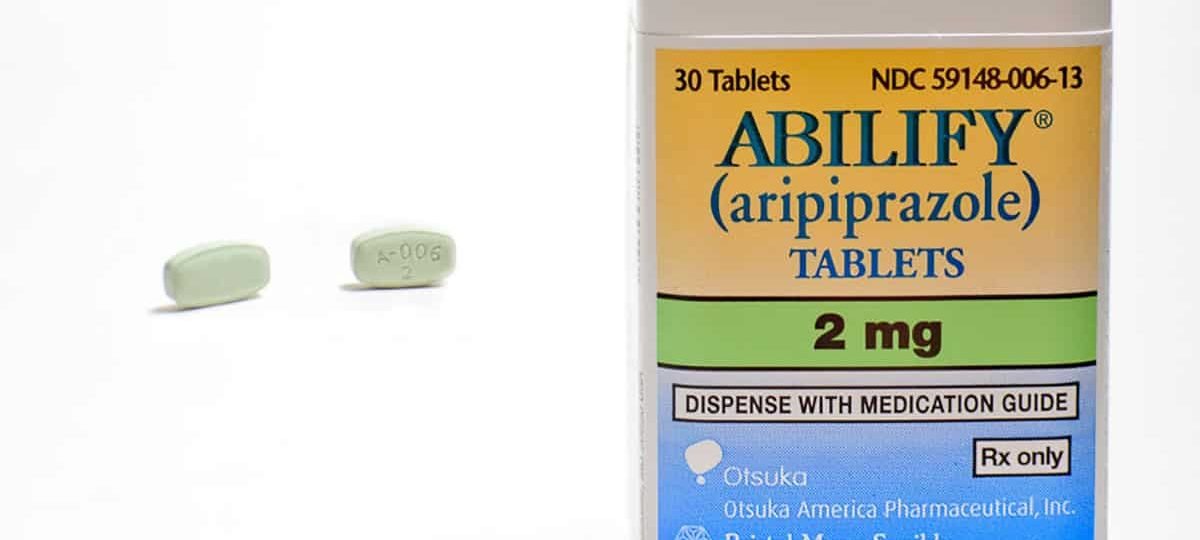
  • What Is Acne? Symptoms, Causes, and Treatment Options

    What Is Acne? Symptoms, Causes, and Treatment Options

    What is acne? Acne is a common inflammatory skin condition that happens when hair follicles become clogged with oil, dead skin cells, and sometimes bacteria. It can cause blackheads, whiteheads, red bumps, pus-filled spots, or deeper painful lumps. Acne is not a hygiene failure, and it is not always something you can simply “wash away.” Understanding the cause matters because the right plan depends on the type of lesions, your triggers, your age, and your risk of scarring.

    Key Takeaways

    • Clogged follicles start it: Oil and dead cells block pores.
    • Types matter: Blackheads, cysts, and pustules need different approaches.
    • Gentle care helps: Harsh scrubs often worsen irritation.
    • Triggers vary: Hormones, friction, products, stress, and diet may contribute.
    • Escalate early: Deep, painful acne can scar without treatment.

    What Is Acne Vulgaris, and Is It the Same as Pimples?

    Acne vulgaris is the medical name for the most common form of acne. It affects the pilosebaceous unit, which means the hair follicle and its nearby oil gland. A pimple is one visible acne lesion, but acne can include several lesion types at once.

    Here is the basic process. Sebaceous glands make sebum, an oily substance that helps protect skin. Skin cells normally shed and clear from the follicle. When oil and sticky cells build up, the follicle can plug. This plug may stay small as a comedone, or it may become inflamed and swollen.

    Cutibacterium acnes, a common skin bacterium, can also play a role. It does not mean your skin is dirty. Instead, blocked follicles create an environment where immune activity and inflammation can increase. That is why some spots stay flat, while others become tender, red, or filled with pus.

    Acne most often appears on the face, chest, shoulders, and back because these areas have more oil glands. Teenagers often develop acne during puberty, but adults can also have persistent or new breakouts. Adult acne may cluster around the jawline, chin, or lower cheeks, especially when hormones are involved.

    Why it matters: Treating acne well starts with identifying which lesion type is most active.

    What Acne Looks Like: Common Lesion Types

    Acne can look different from person to person. Some people have mostly clogged pores. Others have inflamed bumps, deeper nodules, or a mix of several types. Recognizing the pattern helps you choose safer next steps and know when to seek care.

    Non-Inflamed Lesions

    Blackheads are open comedones. They look dark because the material in the pore is exposed to air, not because dirt is trapped in the skin. Whiteheads are closed comedones. They often look like small flesh-colored or white bumps under the surface.

    Comedonal acne may feel bumpy more than sore. It often responds to routines that reduce clogged pores over time, such as gentle cleansing and ingredients that support skin-cell turnover. Picking or squeezing can turn a quiet clogged pore into an inflamed lesion.

    Inflamed Lesions

    Papules are small, red, inflamed bumps. Pustules are similar but contain visible pus. These are the spots many people call pimples. They can be tender, and they may leave temporary pink, red, brown, or purple marks after healing.

    Nodules are deeper, firm, painful lumps. Cysts are deeper lesions that may feel softer or fluid-filled. Nodular or cystic acne has a higher risk of scarring. If you develop these lesions often, it is reasonable to ask a clinician about prescription options rather than relying only on home care.

    Severity Clues

    Mild acne usually involves mostly whiteheads and blackheads with a few inflamed spots. Moderate acne often includes more papules and pustules. Severe acne may include nodules, cysts, widespread inflammation, or early scarring.

    Severity is not only about the number of spots. Pain, location, skin tone changes, emotional strain, and scarring risk all matter. If acne affects confidence or daily life, that is a valid reason to seek support.

    What Causes Acne and Why Breakouts Flare

    What causes acne is usually a combination of factors rather than one single trigger. The main drivers include excess oil, clogged follicles, bacteria, inflammation, hormones, and genetics. Daily exposures can then push acne-prone skin toward a flare.

    Hormones can increase oil production, especially during puberty, menstrual cycles, pregnancy, or some medical conditions. Androgens, a group of hormones present in all sexes, can make oil glands more active. In some adults, jawline or chin flares may follow a hormonal pattern.

    Genetics also matters. If close relatives had acne, your follicles may be more likely to clog or become inflamed. This does not mean acne is inevitable, but it can explain why two people with similar routines have different skin.

    Products can contribute when they clog pores or irritate the skin barrier. Heavy oils, waxy hair products, fragranced skincare, and some makeup may worsen breakouts in acne-prone areas. Look for labels such as noncomedogenic, oil-free, or acne-prone skin, while remembering that no label guarantees a perfect match.

    Friction and heat can trigger acne mechanica, a form linked to rubbing, pressure, sweat, and occlusion. Masks, helmets, chin straps, tight collars, backpacks, and athletic gear can all contribute. This is common on the face, back, shoulders, and chest.

    Some medications and health conditions may worsen breakouts. Examples can include certain corticosteroids, lithium, or hormone-related conditions. If acne appears suddenly, becomes severe, or comes with irregular periods, excess facial hair, or hair thinning, discuss the pattern with a clinician.

    Daily Prevention That Protects the Skin Barrier

    How to prevent acne starts with a routine you can repeat without irritating your skin. More cleansing is not always better. Over-washing, abrasive scrubs, and harsh toners can damage the skin barrier and make redness or stinging worse.

    Use a mild cleanser once or twice daily. Rinse with lukewarm water and pat dry. Add a noncomedogenic moisturizer if your skin feels tight, dry, or flaky. Use sunscreen during the day, especially if you are using products that can increase sun sensitivity or if post-inflammatory marks linger.

    Introduce active ingredients slowly. Benzoyl peroxide may help reduce acne-related bacteria and inflammation. Salicylic acid can help loosen clogged pores. Adapalene or other topical retinoids can support cell turnover and reduce comedones over time. These products can irritate if layered too quickly.

    Quick tip: Add one new product at a time, then watch your skin for irritation.

    Reduce friction when possible. Remove sweaty clothing after workouts, clean helmet padding, wash reusable masks, and avoid tight straps over active breakouts. For body acne, breathable fabrics and prompt rinsing after heavy sweating may help.

    Keep hands away from lesions when you can. Popping may feel like a quick fix, but it can push inflammation deeper and increase the chance of discoloration or scarring. Hydrocolloid patches can protect a spot from picking and may absorb surface fluid.

    If dark marks or uneven tone remain after acne clears, camouflage and pigment-focused strategies may help while skin heals. For practical coverage options, see Cosmetic Camouflage.

    Treatment Options: Home Care, Prescriptions, and Procedures

    Acne treatment usually works best when it targets the main drivers: clogged pores, oil, bacteria, and inflammation. Mild acne may improve with consistent over-the-counter care. Moderate or severe acne often needs prescription support, especially if lesions are painful or leaving marks.

    At home, benzoyl peroxide, salicylic acid, azelaic acid, and non-prescription retinoids are common options. Start conservatively because irritation can look like worsening acne. If burning, swelling, or intense peeling occurs, stop the irritating product and seek guidance.

    Prescription topical retinoids may be used when clogged pores are persistent. They are often applied as part of a broader plan, and they can take patience. To learn how a topical tretinoin product fits into acne care, you can review Retino-A Micro Gel as a product-specific reference.

    Azelaic acid may be considered for acne-prone skin and post-inflammatory discoloration in some care plans. For a product example, see Finacea 15% Azelaic Acid Gel. Product pages can help you understand forms and general considerations, but they do not replace individual medical advice.

    Antibiotics may be used for inflammatory acne in selected cases. Clinicians often limit duration and combine them with other therapies to reduce antibiotic resistance concerns. For a deeper discussion of this option, see Doxycycline Hyclate Acne.

    Hormonal therapies may help some people, especially when flares follow menstrual cycles or appear in a lower-face pattern. Topical antiandrogen therapy is another option a clinician may discuss. For product context, see Winlevi.

    Severe acne may require stronger prescription medicines or procedures. Oral isotretinoin can be effective for some severe cases, but it requires careful monitoring and strict pregnancy-prevention safeguards because of serious fetal risk. Dermatology procedures, such as injections for select painful lesions, chemical peels, lasers, or light-based treatments, may be considered depending on the situation.

    BorderFreeHealth connects U.S. patients with licensed Canadian partner pharmacies for eligible prescription options. When prescriptions are required, pharmacy partners verify details with prescribers before dispensing. This access context can be useful for adults comparing care pathways, but treatment decisions should stay with your licensed clinician.

    Can You Remove Pimples Naturally and Permanently?

    No natural method can permanently remove acne for everyone. Acne is influenced by biology, hormones, genetics, and environment, so flares can return even with good habits. Still, skin-friendly routines and trigger management can reduce irritation and support long-term control.

    Focus on basics that protect the barrier. Cleanse gently, moisturize when needed, use sunscreen, avoid picking, and remove sweat or pore-clogging residue after workouts. Change pillowcases regularly if hair products or face products transfer onto fabric. Keep phones, hats, and mask liners clean.

    Be cautious with “natural” spot treatments. Lemon juice, toothpaste, baking soda, and undiluted essential oils can irritate or burn skin. Irritation may worsen inflammation and leave longer-lasting marks, especially in deeper skin tones.

    Diet can play a role for some people, but it is not the same for everyone. Some people notice flares with high-glycemic eating patterns or certain dairy products. Others see no clear link. If you suspect food triggers, keep a simple two-to-four-week journal instead of cutting out whole food groups without support.

    Stress does not directly mean you caused acne. It may, however, worsen inflammation, sleep, picking habits, or routine consistency. Practical stress support, sleep regularity, and exercise can help overall health and may make acne care easier to sustain.

    Marks, Scars, and When to Get Medical Help

    Acne can leave temporary color changes or permanent texture changes. Post-inflammatory hyperpigmentation means darker marks after inflammation. Post-inflammatory erythema means pink or red marks. These marks often fade gradually, but sun exposure can make them last longer.

    Scars are different. They change the texture of the skin and may appear as shallow dents, deeper pits, raised areas, or uneven contours. Preventing new inflamed lesions is often the first step before scar-focused procedures. For scar-focused options and timing, see What Helps With Acne Scars.

    Seek medical care sooner if acne is deep, painful, widespread, or leaving scars. Also ask for help if acne starts suddenly in adulthood, worsens quickly, or appears with other symptoms such as irregular periods, increased facial hair, or unexplained hair thinning. These patterns may point to hormone-related conditions or medication effects.

    Urgent care is not usually needed for routine acne. However, get prompt medical help for severe skin pain, spreading redness, fever, facial swelling, or signs of infection. Also seek timely care if acne or scarring is affecting mood, social life, or self-esteem.

    Authoritative Sources

    For a patient-friendly medical overview, the National Institute of Arthritis and Musculoskeletal and Skin Diseases explains acne types, causes, and risk factors.

    For symptoms and when acne may need care, Mayo Clinic provides a clinical summary of acne.

    For dermatology-focused education, the American Academy of Dermatology offers acne information and skin care guidance.

    Practical Next Steps

    If you are still asking what is acne because your skin keeps changing, start with observation. Note lesion types, locations, cycle timing, product changes, workouts, and friction points. These details can make your next skincare change safer and more targeted.

    Choose one main goal at a time. If clogged pores dominate, focus on comedone-friendly care. If red bumps and pustules dominate, inflammation may need more attention. If nodules or cysts appear, do not wait months before asking about medical options.

    You can also browse broader skin-care and prescription categories through Dermatology Articles or the Dermatology Product Category when you want to understand related options. Keep the process steady and kind to your skin. Acne is common, treatable, and worth taking seriously.

    This content is for informational purposes only and is not a substitute for professional medical advice.

  • What Is Abilify Used For? Uses, Risks, and Monitoring

    What Is Abilify Used For? Uses, Risks, and Monitoring

    Abilify (aripiprazole) is used to treat certain mental health conditions, including schizophrenia, bipolar I disorder, and, in some cases, depression when added to an antidepressant. If you are asking what is abilify used for, the practical answer is that it may help stabilize thinking, mood, irritability, or manic symptoms when a prescriber decides the benefits outweigh the risks.

    Aripiprazole belongs to a group called atypical antipsychotics. These medicines affect dopamine and serotonin signaling in the brain. That matters because the same medicine can be used in different ways, depending on the diagnosis, dose, age, and treatment goals. For a shorter medication overview, see What Is Abilify. For brand and generic naming basics, Abilify Generic Name explains why prescriptions may list aripiprazole instead.

    Key Takeaways

    • Approved uses vary: schizophrenia, bipolar I, depression adjunct, autism-related irritability, and Tourette’s disorder.
    • Dose depends on diagnosis: starting and target doses are individualized by the prescriber.
    • Side effects need tracking: restlessness, insomnia, nausea, headache, and weight changes can occur.
    • Safety is personal: age, other medicines, pregnancy plans, and past reactions matter.
    • Stopping needs planning: abrupt changes can raise relapse or withdrawal-like risks.

    What Is Abilify Used For in Mental Health Care?

    Abilify is most commonly prescribed for psychosis and mood disorders where dopamine-serotonin balance is part of the treatment strategy. In schizophrenia, it may help reduce hallucinations, delusions, disorganized thinking, or severe agitation. In bipolar I disorder, it may be used for manic or mixed episodes, and sometimes as part of maintenance treatment.

    Another important use is depression augmentation. In this context, abilify for depression means aripiprazole is added to an antidepressant when symptoms have not improved enough with antidepressant treatment alone. This is different from using it as a stand-alone antidepressant. The dose and monitoring plan are usually tailored carefully because lower doses may still cause side effects in sensitive people.

    In younger patients, aripiprazole has specific approved uses for irritability associated with autism spectrum disorder and for Tourette’s disorder. These decisions require close family and clinician involvement. Children and adolescents can respond differently than adults, and growth, sleep, movement symptoms, and school functioning may need extra attention.

    Clinicians may sometimes discuss off-label use for symptoms such as mood instability, anxiety with depression, or bipolar II-related symptoms. Off-label does not mean unsafe by itself, but it does mean the reason, evidence, alternatives, and monitoring plan should be clear. For a broader condition-by-condition discussion, see Abilify Uses.

    Why it matters: The same tablet can have different goals in different diagnoses.

    How Aripiprazole Works and Why Effects Can Feel Different

    Aripiprazole works partly by acting as a dopamine D2 partial agonist, which means it can adjust dopamine activity rather than simply blocking it. It also affects serotonin receptors, including 5-HT1A and 5-HT2A pathways. In plain language, it can help steady certain brain signals involved in mood, perception, motivation, and agitation.

    This mechanism helps explain why experiences vary. Some people feel calmer and more organized. Others feel activated, restless, or unable to sleep, especially early in treatment or after a dose increase. These reactions are not character flaws. They are signals to document and discuss.

    The word “antipsychotic” can feel alarming, especially when aripiprazole is used for depression. The label describes the drug class, not a judgment about the person taking it. In depression care, the goal is usually augmentation: adding a second medicine to improve response when the first plan was only partly effective.

    Dosing Questions to Discuss With a Prescriber

    Abilify dosage depends on the condition being treated, age, other medicines, and how well side effects are tolerated. Prescribers often start with a lower dose and adjust based on response. The lowest or highest dose is not the main goal by itself. The safer goal is the lowest effective dose for the intended use.

    People often search for what is considered a high dose of abilify because they worry about escalation. In practice, clinicians compare the dose with label-based ranges, diagnosis-specific goals, side effects, and drug interactions. A dose that is routine for one condition may not be appropriate for another. For example, aripiprazole dosage for depression is often approached differently from dosing for schizophrenia or acute mania.

    Timing also matters. Some people take aripiprazole in the morning because it feels energizing or interferes with sleep. Others take it later because it makes them drowsy. If you wonder why take aripiprazole in the morning, the usual reason is to reduce insomnia or nighttime restlessness. Do not change timing on your own if your prescriber gave specific instructions.

    Long-acting injectable aripiprazole may be considered when consistent daily dosing is difficult or relapse prevention is a priority. It is not a simple substitute for oral tablets, because injection schedules, oral overlap, monitoring, and clinic logistics may apply. For formulation context, Abilify Maintena outlines one long-acting product page, while Aripiprazole provides general product navigation.

    Practical questions for your appointment

    • Primary goal: which symptom should improve first?
    • Starting plan: what dose and timing are intended?
    • Side-effect plan: which symptoms require a call?
    • Interaction check: which medicines or substances matter?
    • Follow-up timing: when should progress be reviewed?

    Side Effects, Early Warning Signs, and Long-Term Risks

    The most common Abilify side effects can include restlessness, insomnia, anxiety, nausea, vomiting, headache, dizziness, and constipation. Akathisia (inner restlessness with an urge to move) is especially important to recognize because it can feel like worsening anxiety. If it appears, describe it clearly rather than waiting for it to pass.

    Some effects appear in the first week. Others develop gradually. Abilify side effects first week may include sleep changes, stomach upset, jitteriness, or feeling unusually activated. Many early effects are manageable, but severe agitation, new suicidal thoughts, fainting, allergic symptoms, or uncontrollable movements need urgent medical attention.

    Longer-term monitoring may include weight, blood sugar, cholesterol, movement symptoms, and impulse-control changes. Rare impulse-control problems may involve gambling, shopping, binge eating, or sexual urges that feel difficult to control. These can be embarrassing to mention, but they are medical safety issues.

    Movement-related risks include tremor, stiffness, and tardive dyskinesia (involuntary movements that may persist). Aripiprazole can have lower risk for some movement or prolactin effects than certain older antipsychotics, but it is not risk-free. For a focused safety walkthrough, see Abilify Side Effects.

    Weight change is another common concern. Some people gain weight, some notice appetite shifts, and some have little change. Lifestyle steps may help, but medication-related weight gain is not just a willpower issue. If this concern is central for you, Abilify Weight Gain covers monitoring and practical discussion points.

    Quick tip: Track sleep, restlessness, appetite, mood, and movement symptoms weekly.

    Women’s Health, Pregnancy Planning, and Hormone-Related Concerns

    Aripiprazole side effects in females can include the same general effects seen in all adults, plus concerns related to menstrual cycles, sexual function, pregnancy, and breastfeeding. Aripiprazole may affect prolactin differently than some antipsychotics, but cycle changes, libido changes, or breast symptoms should still be discussed.

    Pregnancy planning needs careful coordination. Untreated mental health symptoms can carry risks, and medication exposure can also matter. The safest plan is usually not an abrupt stop. Instead, talk early with the prescriber, obstetric clinician, and, when available, a perinatal mental health specialist.

    Sexual side effects can affect desire, arousal, orgasm, or satisfaction. These concerns are valid even when the medicine is helping mood or thinking. A dose change, timing change, alternative medicine, or treatment of another cause may be considered by the care team, but the right response depends on the full clinical picture.

    Pros, Cons, and When Anxiety Is Part of the Picture

    The possible benefit of aripiprazole is symptom stabilization when the medication fits the diagnosis and goals. It may reduce psychosis, mania, irritability, or persistent depressive symptoms when used appropriately. For some people, that can support sleep, relationships, school, work, or safer daily functioning.

    The trade-off is that side effects can be difficult. Searches such as “abilify ruined my life” often reflect real distress, especially when restlessness, insomnia, emotional blunting, weight change, or withdrawal-like symptoms were not expected. These experiences deserve careful review, not dismissal. They also do not predict every person’s response.

    Does Abilify help anxiety? Sometimes anxiety improves when depression, mania, psychosis, or agitation improves. But aripiprazole can also cause activation or akathisia that feels like anxiety. That distinction matters because the response may differ. A symptom diary can help your prescriber tell whether anxiety is part of the original condition, a side effect, or both.

    If you are comparing options within the same broad class, your clinician may discuss other atypical antipsychotics or adjunctive medicines. BorderFreeHealth also maintains a browseable Mental Health collection for related educational reading. Product-category pages, such as Mental Health Products, are best used for navigation rather than clinical evidence.

    Starting, Monitoring, and Stopping Safely

    Starting aripiprazole is easier to evaluate when you know what to monitor. Before the first dose, ask what symptoms should improve, what side effects are most likely, and when follow-up should happen. If you already take antidepressants, stimulants, sleep medicines, seizure medicines, or other psychiatric medicines, make sure the full list is reviewed.

    How long until Abilify side effects go away depends on the symptom. Mild nausea or sleep disruption may improve as the body adjusts. Akathisia, severe insomnia, or distressing mood changes should be reported promptly. Waiting too long can make it harder to tell whether the issue is dose-related, timing-related, or unrelated.

    Alcohol and cannabis can complicate monitoring because they may worsen sedation, dizziness, sleep quality, mood, or judgment. Other medications can also affect aripiprazole levels. This is why pharmacy and prescriber medication checks matter, especially when starting, stopping, or adding treatments.

    Do not stop aripiprazole suddenly unless a clinician tells you to do so for safety reasons. Abrupt stopping may lead to withdrawal-like symptoms or return of the underlying condition. A taper, when appropriate, should be individualized. BorderFreeHealth connects U.S. patients with licensed Canadian partner pharmacies, and prescription details may be verified with the prescriber when required before dispensing by the pharmacy.

    Authoritative Sources

    For official prescribing details, including approved uses and boxed warnings, review the DailyMed aripiprazole labeling database. It provides current U.S. label information for listed products.

    For patient-friendly medication basics, the MedlinePlus aripiprazole information page explains common uses, precautions, and side effects in plain language.

    For broader antipsychotic care principles in schizophrenia, the American Psychiatric Association schizophrenia guideline summarizes evidence-based treatment considerations.

    Recap for Safer Conversations

    What is abilify used for? It is used for selected mental health conditions where aripiprazole may help stabilize mood, thinking, irritability, or manic symptoms. The main uses include schizophrenia, bipolar I disorder, adjunctive treatment for depression, autism-related irritability, and Tourette’s disorder.

    The key is fit. Benefits, side effects, dose, timing, and long-term monitoring should be reviewed together. Bring a symptom diary, medication list, and specific concerns to each appointment. That makes the conversation more concrete and helps your care team adjust the plan safely.

    This content is for informational purposes only and is not a substitute for professional medical advice.

  • How Much Do Prescription Drugs Cost Without Insurance?

    How Much Do Prescription Drugs Cost Without Insurance?

    Prescription drug costs can range from a few dollars for common generics to hundreds or more for brand-name or specialty medicines. The practical answer to how much do prescription drugs cost without insurance depends on the drug, strength, quantity, pharmacy, and whether a lower-cost generic or assistance option is available. This matters because the first quote is not always the best quote, and small details can change the cash amount at pickup.

    If a medication is too expensive, do not stop it or change the dose on your own. Ask the prescriber or pharmacist about equivalent generics, different dosage forms, patient assistance, and safe alternatives that fit your condition.

    Key Takeaways

    • Generic drugs usually cost less than brand-name drugs.
    • Cash quotes can differ by pharmacy and ZIP code.
    • Discount apps may help, but they are not always lowest.
    • Retail lists often cover older, common generic medicines.
    • Assistance programs may help people with limited income.

    What Drives the Cash Cost of a Prescription?

    The cash cost reflects more than the pill or liquid itself. Pharmacies consider acquisition cost, wholesaler contracts, dispensing fees, local competition, and the specific product they have in stock. Two pharmacies can quote different amounts for the same medication on the same day.

    Drug type is usually the biggest factor. Many older generics are inexpensive because several manufacturers compete. Newer brand-name drugs, biologics, injectables, and specialty medicines often cost much more. Some medicines also require special handling, prior clinical review, or limited distribution, which can affect access and cost.

    Strength and quantity matter too. A 30-day supply may not scale neatly to a 90-day supply. Tablets may cost differently than capsules, liquids, patches, or extended-release forms. Even the National Drug Code, or NDC (the product identifier for a specific manufacturer and package), can change a pharmacy quote.

    Why it matters: You need the exact drug name, strength, form, and quantity before comparing prices.

    Are Prescriptions More Expensive When You Pay Cash?

    Prescriptions can be more expensive when you pay cash, but not always. Some generics may cost less through a cash program than through a plan copay. Other drugs, especially brand-name medicines, can be much more expensive without prescription coverage.

    The confusing part is that cash prices and insurance prices follow different rules. Insurance plans use formularies, tiers, deductibles, preferred pharmacy networks, and negotiated rates. Cash pricing may use pharmacy list prices, discount-card contracts, retail generic programs, or direct-to-consumer pharmacy models.

    For example, a common antibiotic such as amoxicillin may be low-cost at one pharmacy and noticeably higher at another. A chronic medication such as a blood pressure drug may be included on a retailer’s generic list. A newer diabetes, cancer, autoimmune, or weight-management medicine may still be expensive across most cash-pay options.

    If you are comparing medicine costs for older adults, also consider safety. Some drugs carry higher risks in older people or in those taking several medicines. Our practical overview of Atorvastatin Side Effects in Elderly shows how age, side effects, and monitoring can shape medication discussions.

    How to Compare Pharmacy Prices Without Guesswork

    A structured comparison helps you avoid misleading quotes. Start with your prescription label or prescriber’s note. Then check several sources using the same details each time.

    1. Write the generic and brand names, if both apply.
    2. Confirm strength, dosage form, and total quantity.
    3. Ask whether substitution with an approved generic is allowed.
    4. Check at least three pharmacy quotes in your area.
    5. Compare retail programs, discount apps, and direct cash models.
    6. Confirm the final amount before pickup.

    Discount tools such as goodrx, SingleCare, pharmacy lookup pages, and store-specific estimators can show wide differences. A goodrx drug lookup may display several pharmacy quotes, while a chain tool may show only that chain’s estimate. Use these tools as a starting point, not as a guarantee.

    When you call a pharmacy, use plain wording: “What is the cash cost for this exact generic name, strength, form, and quantity?” If you have a discount-card code, ask whether the pharmacy can process it and whether the quoted amount matches what you see.

    Quick tip: Screenshot the quote and note the pharmacy address and date.

    Generic, Brand, and Therapeutic Alternatives

    Generics can lower costs because they must meet the same FDA standards for quality, strength, and effectiveness as the brand-name medicine. They may look different because inactive ingredients, color, size, or shape can vary.

    Some drugs have several options in the same therapeutic class. A prescriber may be able to choose a different medicine that treats the same condition, if it is clinically appropriate. That is not the same as swapping medicines on your own. It requires a clinician’s review of your diagnosis, allergies, kidney or liver function, pregnancy status, other medicines, and prior response.

    Pain medicines provide a useful example. Nonsteroidal anti-inflammatory drugs, or NSAIDs (inflammation-reducing pain relievers), can differ in dosing schedule, side effects, and interaction risk. If you are weighing options, our comparison of Meloxicam vs Ibuprofen explains safety factors to discuss before changing therapy.

    Mental health medicines also need careful review. Cost can matter, but tolerability, diagnosis, withdrawal risk, and interaction concerns matter too. For broader context, see our overview of Medications for Anxiety, which explains common categories in patient-friendly terms.

    Retail Lists, Discount Apps, and Cost-Plus Models

    Retail generic lists can be helpful for older, commonly used medicines. A walmart $4 prescription list, walmart pharmacy price list, or similar retail program may include select strengths and quantities. These lists change, and not every version of a medication qualifies.

    Discount apps may compare prices across pharmacies. They can be useful when you need a quick view of local cash quotes. Still, the amount can change if the pharmacy fills a different manufacturer, if the quantity differs, or if the discount contract updates.

    Cost plus drugs models use a more transparent pricing structure, often adding a stated margin and pharmacy fee to the medicine’s cost. These programs may be strongest for certain generics. They may not include every medication, brand, strength, or urgent same-day need.

    For a practical comparison, think in three lanes. Retail lists are useful for common generics. Discount apps help compare local pharmacy quotes. Cost-plus pharmacies can offer a transparent benchmark for eligible medicines. The lowest option depends on the exact prescription.

    When the Cost Is Still Too High

    If the quoted amount is unaffordable, ask for help before skipping refills. Your prescriber, pharmacist, clinic social worker, or community health center may know options that match your diagnosis and income level.

    Possible routes include manufacturer patient assistance for some brand medicines, nonprofit disease-specific funds, state programs, federally qualified health centers, and pharmacy charity programs. Some programs offer free prescription drugs for low-income households, while others reduce costs for a specific diagnosis or medicine category.

    Bring a current medication list to every discussion. Include prescription drugs, over-the-counter medicines, vitamins, and supplements. This helps the clinician spot duplicate therapy, interaction risks, or a lower-cost option that is still clinically reasonable.

    Some conditions need extra cost planning because medicines can be expensive or coverage rules can be strict. Weight-management drugs are one example. Our guide to Medicare and Weight Loss Drugs explains why coverage and eligibility questions can affect out-of-pocket planning.

    How Insurance Estimators and Medicare Tools Fit In

    Even if you are paying cash now, insurance estimators can help you plan ahead. A plan tool may show whether a drug is on a formulary, which tier it uses, and whether a preferred pharmacy changes the monthly amount.

    Medicare Part D costs can vary by county, plan, pharmacy, deductible, and drug tier. The medicare part d cost per month is only one part of the calculation. You also need to review deductibles, copays, coinsurance, preferred pharmacy rules, and whether your medicines are covered.

    Employer and marketplace plans may offer similar estimators. A unitedhealthcare prescription cost estimator, CVS Caremark prescription prices tool, or other insurer portal may help insured patients compare covered costs. If you are uninsured today but expect coverage later, keep your medication list updated so you can compare plans accurately.

    Building Your Own Drug Price Comparison Chart

    A simple drug price comparison chart can prevent confusion. You do not need special software. A notebook or spreadsheet works if it captures the right details.

    Detail to Track Why It Matters
    Drug name and generic name Brand and generic quotes can differ widely.
    Strength and form Tablets, liquids, patches, and extended-release products may differ.
    Quantity A 30-day and 90-day supply may price differently.
    Pharmacy and location Nearby pharmacies may use different cash contracts.
    Quote source Retail list, app, phone quote, or plan estimator.
    Date confirmed Medication prices and stock can change.

    Update the chart after dose changes, new prescriptions, or pharmacy switches. If a medicine is for long-term use, recheck every few months. Shortages, manufacturer changes, and pharmacy contract updates can alter the final amount.

    For pain or inflammation medicines, cost should never be separated from safety. If you need more background on one common NSAID, our Meloxicam Basics resource explains key use and side-effect considerations.

    Special Situations That Can Change the Answer

    Urgent or short-term prescriptions

    Short-term medicines, such as antibiotics, may be cheaper than chronic brand-name therapy. But the amount still depends on the exact drug and pharmacy. If the prescription is urgent, ask the pharmacy to check lower-cost equivalent products while the prescriber is reachable.

    Specialty medicines

    Specialty medicines may involve complex storage, monitoring, or dispensing rules. Cash prices can be high, and assistance programs may require documentation. If a medicine treats cancer, autoimmune disease, inflammatory bowel disease, or another complex condition, ask the clinic about financial navigation early.

    Some therapies also have product-specific access considerations. For example, pages such as Nubeqa, Ridaura, and Salofalk Suppositories can help readers recognize that form, prescription requirements, and product type affect access discussions. Use product pages for orientation only, and rely on your prescriber for treatment decisions.

    Older adults and multiple medicines

    People taking several medicines may face higher monthly totals. They also face a higher chance of interactions, duplicate therapy, and side effects. A medication review with a clinician or pharmacist can sometimes identify unnecessary overlap or safer alternatives.

    Authoritative Sources

    For generic drug standards, review the FDA explanation of generic drugs. It explains how approved generics compare with brand-name medicines.

    For neutral plan comparisons, use the official Medicare Plan Finder. It can help eligible users compare Part D plans by drug list and pharmacy.

    For public program pharmacy data, see Medicaid pharmacy pricing resources. These data are technical, but they show why public pricing rules differ from retail cash quotes.

    Putting It Together

    The most useful answer to how much do prescription drugs cost without insurance is specific, not average. Start with the exact prescription, compare several pharmacy and cash-pay tools, ask about generics or therapeutic alternatives, and look for assistance if the cost remains out of reach.

    BorderFreeHealth supports access to cash-pay, cross-border prescription options when eligible and legally permitted. Prescription details may need verification with the prescriber before a partner pharmacy dispenses medication. That process does not replace medical advice, but it can be part of a broader access discussion for patients comparing options.

    This content is for informational purposes only and is not a substitute for professional medical advice.