
Author: admin

  • Blood Pressure Medications: Classes, Side Effects, and Choices

    Blood Pressure Medications: Classes, Side Effects, and Choices

    Blood pressure medications help lower high blood pressure by relaxing blood vessels, reducing fluid, slowing certain heart signals, or blocking hormones that tighten arteries. The right option depends on your readings, age, other conditions, pregnancy plans, side effect risk, lab results, and how well a medicine fits daily life.

    High blood pressure often has no symptoms, but untreated hypertension can strain the heart, brain, kidneys, and blood vessels over time. If you need background on the condition itself, start with Hypertension Basics.

    Key Takeaways

    • No single best choice: Treatment depends on your health profile and goals.
    • Common first-line classes: Diuretics, ACE inhibitors, ARBs, and calcium channel blockers are often considered.
    • Side effects vary: Dizziness, swelling, cough, urination changes, and electrolyte shifts can occur.
    • Monitoring matters: Home readings and lab tests help guide safe adjustments.
    • Do not stop suddenly: Some medicines can cause rebound effects if stopped without medical guidance.

    How Blood Pressure Medications Lower Risk

    Blood pressure medications do not cure hypertension, but they can reduce pressure inside the arteries. Lower pressure means the heart does not need to pump against as much resistance. Over time, that can help lower the risk of stroke, heart failure, kidney damage, and other complications.

    Each class works through a different pathway. Some help the kidneys remove extra salt and water. Others relax artery walls, reduce hormone signals, or slow certain heart responses. That is why two people with the same reading may receive different medicines.

    Why it matters: A medicine choice is safer when it matches the whole person, not just one number.

    Blood pressure treatment also includes habits that support vascular health. Sodium intake, physical activity, sleep, alcohol use, tobacco exposure, and stress can all affect readings. For a broader orientation, see Understanding High Blood Pressure.

    The Main Classes and Common Tablet Names

    There is no universal list of the top 10 blood pressure medicines that fits everyone. Search lists often mix generic names, brand names, and combination tablets. A more useful approach is to understand the main classes, then ask why a specific class was chosen.

    Many people start with one medicine. Others need two or more, especially when readings are well above goal or when other conditions are present. Combination tablets may simplify treatment, but they also make side effect tracking more complex.

    Class How It Usually Helps Common Generic Examples Key Notes To Discuss
    Thiazide or thiazide-like diuretics Help the kidneys remove sodium and water hydrochlorothiazide, chlorthalidone, indapamide May require electrolyte and kidney monitoring
    ACE inhibitors Relax blood vessels by affecting angiotensin hormone signals lisinopril, ramipril, enalapril, fosinopril Can cause cough, potassium changes, or rare swelling reactions
    ARBs Block angiotensin receptors so vessels can relax losartan, valsartan, irbesartan, olmesartan, candesartan Often considered when ACE inhibitor cough is a problem
    Calcium channel blockers Relax blood vessels or affect heart rate, depending on type amlodipine, diltiazem, verapamil, nifedipine May cause ankle swelling, flushing, or constipation
    Beta-blockers Slow heart signals and reduce heart workload atenolol, metoprolol, bisoprolol, nebivolol, propranolol Often selected when another heart reason also exists
    Other agents Work through nerve signals or direct vessel relaxation clonidine, hydralazine, doxazosin, spironolactone May be used when standard options are not enough or not suitable

    ACE inhibitors are a common example of a class-based decision. If you want a deeper plain-language explanation, read about ACE Inhibitors.

    First-Choice Treatment Is Not One-Size-Fits-All

    The usual first choice depends on repeated blood pressure readings and cardiovascular risk, not on a single office measurement. Clinicians also consider kidney function, diabetes, heart failure, angina, past stroke, pregnancy potential, other medicines, and previous side effects.

    Many hypertension guidelines commonly include thiazide-type diuretics, ACE inhibitors, ARBs, and calcium channel blockers among initial options for adults. That does not mean those classes are interchangeable. A person with chronic kidney disease may need different monitoring than someone with leg swelling or a slow pulse.

    The phrase safest low dose blood pressure medication can be misleading. A low dose is not automatically safer if the class is a poor fit, if it interacts with another drug, or if it does not control pressure enough. Safety means the expected benefit, side effect profile, lab monitoring, and patient circumstances all line up.

    Age alone does not determine when to start medication. Some younger adults need treatment because their readings and risk are high. Some older adults need slower, more careful adjustment because falls, kidney function, and multiple medicines become bigger considerations.

    Pregnancy changes the decision. ACE inhibitors and ARBs are generally avoided during pregnancy, and people who are pregnant or planning pregnancy should discuss safer options with a qualified clinician. For more context, see Hypertension In Pregnancy.

    Side Effects From Blood Pressure Medications

    Side effects can appear soon after starting treatment, after a dose change, or when another medicine is added. Some effects are mild and improve. Others need prompt review because they can signal low pressure, electrolyte imbalance, kidney strain, or an allergic reaction.

    Common class-related effects include dizziness with many classes, more frequent urination with diuretics, dry cough with ACE inhibitors, ankle swelling with some calcium channel blockers, and fatigue or a slower pulse with beta-blockers. Potassium and kidney blood tests may be needed with ACE inhibitors, ARBs, some diuretics, and mineralocorticoid receptor blockers such as spironolactone.

    Symptoms of too much blood pressure medication can include lightheadedness, fainting, weakness, blurred vision, confusion, falls, or an unusually slow pulse. These symptoms can also come from dehydration, infection, heart rhythm problems, or other conditions, so they should not be self-diagnosed.

    Seek urgent care for fainting with injury, chest pain, severe shortness of breath, one-sided weakness, trouble speaking, severe allergic swelling of the face or throat, or a very low reading with confusion or collapse. If a side effect is bothersome but not urgent, contact the prescriber before stopping. Some medicines, especially certain beta-blockers and central-acting drugs, may need a planned taper.

    Long-term side effects are usually managed through follow-up, symptom review, and appropriate lab checks. If you are worried about ongoing effects, Long-Term Side Effects explains the topic in more detail.

    Monitoring Your Blood Pressure Without Overcorrecting

    Home readings are most useful when they are measured consistently and averaged over time. One high or low number can reflect stress, caffeine, exercise, pain, poor cuff position, or a cuff that does not fit well.

    Use the same arm when advised, sit quietly before measuring, and keep your feet flat on the floor. Bring your log to appointments. The pattern matters more than any single isolated reading.

    The calculator below can help average several home readings. It does not diagnose hypertension or confirm whether a medicine is right for you.

    [blood-pressure-average-calculator]

    Use the result as a conversation tool. If your home readings do not match clinic readings, ask about cuff accuracy, technique, white coat hypertension, or masked hypertension. If readings remain high despite treatment, reviewing Causes Of Hypertension may help you prepare better questions.

    Quick tip: Write down symptoms beside readings, especially after starting or changing medicines.

    How Health Conditions Shape Medication Choices

    Blood pressure care often overlaps with other health needs. A medicine that makes sense for one person may be avoided in another because of kidney function, potassium level, heart rhythm, asthma history, gout, pregnancy, or fall risk.

    People with diabetes or kidney disease may need closer kidney and potassium monitoring with certain classes. People with heart failure or coronary artery disease may have reasons to use medicines that also support heart workload. People with a history of gout may need careful discussion before certain diuretics. These are decision points, not automatic rules.

    Older adults may need special attention because dizziness, dehydration, and multiple prescriptions can raise the risk of falls. Blood pressure targets can also require more individualized discussion when frailty or cognitive changes are present. For more patient-centered context, read Blood Pressure In Older Adults.

    Other medicines can interfere with control. Some nonsteroidal anti-inflammatory drugs, decongestants, stimulants, corticosteroids, oral contraceptives, and supplements may raise pressure or interact with prescriptions. Bring a complete list, including over-the-counter products, to each medication review.

    Generic Names, Brand Names, and Combination Tablets

    Generic names are usually the clearest way to compare blood pressure tablets. Brand names can vary by country, and combination products may include two active ingredients in one tablet. If you see two names that look different, check whether they contain the same active ingredient.

    Combination tablets can reduce pill burden, but they can make it harder to identify which ingredient caused a side effect. They may also limit flexibility when only one component needs adjustment. Ask your clinician or pharmacist to explain each active ingredient and why it is included.

    Medication records should include the generic name, strength, dosing directions, start date, and reason for use. This is especially important after hospital visits, specialist appointments, or pharmacy changes. Duplicates can happen when a brand and generic are both listed by mistake.

    Access, Refills, and Practical Questions

    Before a refill or medication review, confirm the exact tablet name, the prescriber, and any recent lab work. If you use more than one pharmacy, ask for a medication reconciliation so duplicate therapy and interactions can be checked.

    BorderFreeHealth connects U.S. patients with licensed Canadian partner pharmacies. When required, prescription details may be verified with the prescriber before dispensing by the pharmacy. Cash-pay cross-border prescription options may be available for patients without insurance, subject to eligibility and jurisdiction.

    For browseable medication navigation, the Cardiovascular Product Category lists cardiovascular product pages. For educational reading across heart and vascular topics, the Cardiovascular Health Hub is a broader content hub.

    Authoritative Sources

    The resources below support the class descriptions, safety themes, and monitoring concepts discussed in this article.

    Choosing among blood pressure medications is a shared clinical decision. The most useful questions are often simple: why this class, what side effects should be reported, what monitoring is needed, and when should follow-up happen.

    This content is for informational purposes only and is not a substitute for professional medical advice.


  • Brilinta Alternatives: Safety, Switching, and Comparisons

    Brilinta Alternatives: Safety, Switching, and Comparisons

    Brilinta alternatives can include other antiplatelet medicines such as clopidogrel or prasugrel, but there is no single best replacement for everyone. The safest choice depends on why ticagrelor was prescribed, how recent a stent or heart event was, whether aspirin is also part of the plan, and your personal bleeding risk. This overview of Brilinta Alternatives: Evidence-Based Options and Safer Choices explains the main options, which drugs are not true substitutes, and what to review before any switch.

    Key Takeaways

    • Clopidogrel and prasugrel are the main oral P2Y12 inhibitor alternatives to ticagrelor.
    • Aspirin may stay in the regimen, but it is not always a one-for-one substitute.
    • Xarelto and Eliquis are anticoagulants, not direct replacements for Brilinta in most cases.
    • The safer option depends on bleeding risk, clot risk, recent procedures, and side effects.
    • Never stop or swap an antiplatelet medicine after a stent without clinician guidance.

    What A Good Replacement Depends On

    A good replacement is the one that still fits the reason treatment started. Brilinta, whose generic name is ticagrelor, belongs to a group called P2Y12 inhibitors (platelet-blocking drugs). These medicines are often used after a heart attack, after certain stent procedures, or in other high-risk cardiovascular situations where platelets can clump and trigger a clot.

    Why The Question Comes Up

    People usually ask about Brilinta alternatives for five main reasons: side effects, bleeding concerns, cost, coverage problems, or an upcoming procedure. Shortness of breath can bother some people on ticagrelor. Others notice bruising or worry about bleeding. Some need a plan around surgery or dental work. And many are simply trying to keep treatment going when a plan formulary, prior authorization rule, or pharmacy access issue gets in the way.

    Some people also ask for the best replacement for Brilinta as if every option does the same job. That is rarely true. A drug that feels easier to tolerate may not be the right fit soon after a coronary stent. A lower-cost option can be perfectly reasonable, but only if it still matches the clinical goal. The better question is not which drug sounds strongest or cheapest. It is which option still fits the reason platelet protection was needed in the first place.

    Why it matters: The right switch balances clot prevention with bleeding risk, not cost alone.

    If you want broader background on heart medicines and related conditions, the Cardiovascular Articles hub offers additional reading.

    Comparing The Main Brilinta Alternatives

    The main Brilinta alternatives are other antiplatelet medicines, not every drug that people casually call a blood thinner. In most comparison conversations, the real alternatives are clopidogrel, prasugrel, and sometimes aspirin as part of a larger plan. Anticoagulants such as Xarelto or Eliquis work differently and are usually prescribed for different clotting problems.

    Many people taking ticagrelor are also on aspirin as part of dual antiplatelet therapy (two platelet-blocking medicines used together). That detail matters. If the original plan was dual therapy after a stent or acute coronary syndrome (a sudden drop in blood flow to the heart), replacing one medicine can change the whole risk balance. That is why aspirin is important, but not automatically a one-for-one substitute.

    Option Drug type Where it may fit Key caution
    Clopidogrel (Plavix) P2Y12 inhibitor A common alternative after stent placement or other cardiovascular events in selected patients Its effect can vary because the body must activate it
    Prasugrel (Effient) P2Y12 inhibitor Sometimes used after acute coronary syndrome with PCI (a stent procedure) in selected patients Not appropriate for everyone, especially with certain stroke histories
    Aspirin Antiplatelet Often part of dual antiplatelet therapy, or continued when another drug changes Usually not a full one-for-one replacement for a P2Y12 inhibitor
    Xarelto or Eliquis Anticoagulants Used for different clotting conditions or specific specialist-directed combinations Not direct substitutes for ticagrelor in most situations

    This table also helps answer a common question: Is Xarelto better than Brilinta? Usually that is not the right comparison. Xarelto and Eliquis are anticoagulants, which target the clotting cascade rather than platelets. They may be essential in conditions such as atrial fibrillation or venous clots, but that does not make them automatic replacements for a P2Y12 inhibitor after a heart event or coronary stent.

    There also is no proven natural alternative to prescribed antiplatelet therapy after a stent or acute coronary syndrome. Lifestyle measures support long-term heart health, but they do not replace a medicine chosen to reduce platelet-driven clot risk in a higher-risk period.

    BorderFreeHealth works with licensed Canadian partner pharmacies for eligible U.S. patients.

    Which Option May Seem Safer?

    The option that seems safer usually depends on what problem you are trying to reduce. If the main issue is bleeding or bothersome side effects, clopidogrel may enter the discussion more often. If the main issue is stronger, more consistent platelet blocking after a high-risk event, a cardiology team may weigh ticagrelor or prasugrel differently. There is no universal winner.

    Clopidogrel Versus Ticagrelor

    Clopidogrel is often viewed as the simpler alternative because it has been used for many years and can be easier to access. In some patients, it may also feel easier to tolerate. But clopidogrel does not work the same way in every person, because the body has to convert it into an active form. That is one reason a straight Plavix is safer than Brilinta statement can be misleading. Safer for bleeding and safer for clot prevention are not always the same answer.

    Ticagrelor may be chosen when a clinician wants more consistent platelet blocking without relying on that activation step. At the same time, some people switch away from it because of shortness of breath, bleeding, or cost barriers. If the discussion centers on Brilinta vs clopidogrel, the best comparison points are bleeding history, time since the heart event, other medicines, and whether more consistent platelet inhibition is especially important.

    Prasugrel Versus Ticagrelor

    Prasugrel is another P2Y12 inhibitor and can be a reasonable option in selected patients, especially after certain stent procedures. But it has important caution flags and is not a good fit for everyone. A prior stroke or transient ischemic attack, for example, can change the conversation quickly. That is why Brilinta vs Effient is less about brand preference and more about who the patient is, what event happened, and what risks are already present.

    Quick tip: Bring your stent date, discharge papers, and full medication list to any switching discussion.

    When people ask for safer alternatives to Brilinta, they are often really asking one of three things: Which option may bleed less? Which option may still work well for my situation? Which option is realistic for me to stay on consistently? Those are better questions than looking for a single best replacement label.

    Switching After A Stent Or Heart Event

    Switching after a stent or recent acute coronary syndrome needs extra caution because that is when the balance between clotting and bleeding can be most sensitive. Stopping abruptly, skipping doses, or substituting a drug without a plan can be risky. The timing of a switch matters, and the reason for the switch matters just as much.

    In practice, clinicians usually review the original indication, the date of the event or stent, whether aspirin is still part of therapy, any history of bleeding or ulcers, and whether another procedure is coming up. They may also look at drug interactions, anemia, kidney or liver issues, and whether symptoms such as shortness of breath are pushing the change. Sometimes the question is not whether to switch, but whether to pause, resume, or coordinate the medication around a procedure.

    This is also why switching from Brilinta to Plavix or switching from Brilinta to prasugrel should be treated as a care-plan issue, not a simple refill swap. Expert guidance on switching oral P2Y12 inhibitors exists because the transition can depend on timing and clinical context. The safer route is a documented plan from the prescriber who knows the reason the medicine was started.

    Questions To Review Before A Switch

    • Why treatment started in the first place
    • How recent the stent or heart event was
    • Any bleeding, ulcers, or unexplained bruising
    • Any shortness of breath or side effects
    • Any planned surgery or dental procedure
    • Any other blood thinners in the regimen

    If the main reason for change is access, it still helps to answer those same questions first. A lower-cost option can only be a good option if it remains appropriate for the underlying cardiovascular risk.

    When required, the dispensing pharmacy confirms prescription details with the prescriber.

    Why Anticoagulants Are A Different Conversation

    Xarelto and Eliquis are not better versions of antiplatelet drugs. They are anticoagulants, meaning they work on clotting proteins rather than platelet activation. That difference matters because a clot forming on a coronary stent is not managed in the same way as clot risk from atrial fibrillation or deep vein thrombosis.

    Some people do take an anticoagulant and an antiplatelet together under specialist direction. But that is a carefully balanced plan, not proof that one drug replaces the other. Each medicine is addressing a different part of clot risk, often for a limited period and with closer monitoring because bleeding risk rises as regimens become more complex.

    So when readers ask whether Xarelto is better than Brilinta, the safer answer is that the drugs are designed for different jobs. The comparison only makes sense after defining the diagnosis, the procedure history, and the main risk being treated. Without that context, a head-to-head question can point people toward the wrong class entirely.

    Access, Coverage, And Cost Questions

    Coverage questions are common with Brilinta alternatives, especially when a person hears that another plan or pharmacy handles the drug differently. There are several reasons a plan, including a Medicare drug plan, may not cover a medication in the same way each year. A drug may sit on a higher formulary tier, require prior authorization, be subject to step therapy, or face limits that favor older generic options.

    That helps explain the question, Why is Brilinta not covered by Medicare? The short answer is that coverage can vary by plan design, formulary negotiations, and utilization rules. It does not necessarily mean the drug is inappropriate. It may simply mean the plan prefers a different antiplatelet first, or wants added documentation before approving the brand.

    If cost is the main problem, ask whether the goal is a same-class alternative, a plan-preferred option, or a broader review of the antiplatelet strategy. That wording can make the conversation more productive. It separates I need a lower-cost path from I want a clinically different drug, which are not always the same request.

    Some cross-border prescription options are cash-pay for patients without insurance.

    People dealing with access questions may also need a reliable way to organize information. Bring the drug name, the reason it was prescribed, the date of any stent or hospital discharge, and the exact denial or formulary notice if you have one. That can help the next conversation stay focused on the real decision: equivalent class, acceptable alternative, or temporary bridge.

    You can also browse the site’s Cardiovascular Medications hub to see related prescription categories.

    One last point: access pressure can lead people to compare Brilinta with Eliquis, Xarelto, aspirin, or even nonprescription supplements. Those comparisons are understandable, but they can blur important differences. A less expensive or more available medicine is not automatically an equivalent replacement, especially after a recent stent.

    Authoritative Sources

    The best replacement is the one that matches the reason treatment started, the time since the event, and the main risk to avoid. Brilinta alternatives can be reasonable, but they should be compared in context rather than treated as interchangeable.

    This content is for informational purposes only and is not a substitute for professional medical advice.

  • Brilinta and Alcohol: Bleeding Risks and Safer Use

    Brilinta and Alcohol: Bleeding Risks and Safer Use

    Brilinta and alcohol is not a simple yes-or-no issue. There is no well-known direct chemical interaction that makes the combination automatically forbidden, but alcohol can still make Brilinta less safe. The main reason is bleeding risk. Brilinta, also called ticagrelor, is an antiplatelet (a medicine that keeps platelets from clumping). Many people take it with aspirin after a heart attack or a stent procedure. Alcohol can irritate the stomach, add to bleeding risk, and make falls more likely. That is why the safer question is not only whether you can drink, but how high your overall bleeding risk already is.

    BorderFreeHealth works with licensed Canadian partner pharmacies for U.S. patients.

    Key Takeaways

    • No classic direct interaction, but bleeding risk can rise.
    • Aspirin often changes the safety picture.
    • Heavy drinking and prior ulcers matter more.
    • Watch for black stools, vomiting blood, or unusual bruising.
    • Do not stop Brilinta on your own.

    Brilinta and Alcohol: The Main Safety Issue

    The core issue is overlap, not a dramatic one-step reaction. People often call Brilinta a blood thinner, but it is more accurate to call it an antiplatelet medicine. It helps prevent harmful clots by making platelets less sticky. That can be important after certain heart problems or procedures, when clot prevention matters. The tradeoff is that bleeding can start more easily or last longer.

    Alcohol adds a different set of concerns. It can irritate the lining of the stomach and intestines. It can also make injuries, falls, or missed doses more likely if drinking is heavy. On its own, that may not sound dramatic. But once a medicine already makes bleeding harder to control, small problems can become more important. A nosebleed may last longer. A bruise may look worse than expected. A stomach bleed may not be obvious right away.

    This is why the combination deserves a more careful conversation than many people expect. The question is rarely just, ‘Does alcohol block Brilinta?’ It is usually, ‘Does alcohol add enough bleeding risk to matter in my situation?’ That answer depends on your full picture, including aspirin use, bleeding history, other medicines, and the reason Brilinta was prescribed in the first place.

    Why Aspirin Changes the Risk

    For many patients, Brilinta and alcohol becomes more concerning when aspirin is also part of the plan. Ticagrelor is commonly prescribed with low-dose aspirin. Aspirin can also affect platelet function, and it can irritate the stomach lining. Once alcohol is added, the stomach and bleeding concerns can stack up.

    That does not mean every sip causes harm. It means the margin for error may get smaller. A person with a past stomach ulcer, a prior gastrointestinal bleed, liver disease, anemia, or frequent falls may face a different level of risk than someone without those factors. The same is true if other medicines are involved, including anti-inflammatory pain relievers, steroids, or other drugs that can raise bleeding risk.

    Why it matters: The biggest concern is often stomach bleeding, not a direct drug clash.

    This is also why clinicians ask about drinking patterns, not just whether you drink at all. A rare small drink and regular heavy drinking do not carry the same practical risk. Pattern matters. So does timing. If you are early in treatment after a recent heart event or procedure, your care team may be especially cautious because the medicine is playing a critical protective role during that period.

    Can You Have One Drink While Taking Ticagrelor?

    There is no universal rule that says one drink is always safe or always unsafe. For some people, Brilinta and alcohol may seem manageable if the amount is small, but there is no one-size-fits-all answer. The safer advice depends on why you take ticagrelor, whether aspirin is part of the regimen, whether you have had ulcers or bleeding before, and what other medicines or supplements you use.

    Heavy or binge drinking is generally more concerning than a rare small amount. It can increase stomach irritation, worsen judgment, and make falls more likely. That matters because a head injury can be more serious when you take an antiplatelet medicine. Even if the alcohol itself does not directly alter how Brilinta works, the downstream effects can still create avoidable risk.

    If you are wondering about a social event, it helps to ask a clinician or pharmacist before the event instead of guessing in the moment. These are often the most useful questions to bring up:

    • Am I also taking daily aspirin?
    • Have I ever had an ulcer or GI bleed?
    • Do I already bruise or bleed easily?
    • Am I using ibuprofen, naproxen, or similar pain relievers?
    • Do I have liver disease or a higher fall risk?

    The point is not to be alarmist. It is to make the decision with the real risk factors on the table. Many people hear that there is no direct interaction and stop there. In practice, that answer can be too shallow.

    Signs of Bleeding to Watch For

    The most useful safety skill is knowing what bleeding can look like while you are on antiplatelet therapy. Some signs are mild but worth reporting. Others need urgent attention. Alcohol can blur the picture because people may dismiss symptoms as stomach upset, dehydration, or a hangover when the real issue is bleeding.

    Common but less urgent signs

    • Easy bruising that is new or worsening
    • Nosebleeds that happen more often
    • Bleeding gums without a clear reason
    • Cuts that take longer to stop bleeding
    • Heavier menstrual bleeding than usual

    These symptoms do not always mean an emergency, but they should not be ignored if they are new, worsening, or hard to explain. They are especially important to mention if you have also been drinking, using aspirin, or taking other medicines that affect bleeding.

    Emergency warning signs

    • Black, tarry stools
    • Red blood in vomit or vomit like coffee grounds
    • Coughing up blood
    • Bleeding that will not stop
    • Sudden severe headache, especially after a fall
    • New weakness, confusion, speech trouble, or fainting

    Those symptoms can point to internal bleeding and need urgent care. A head injury deserves special caution, even if it seems minor at first. Alcohol can make falls more likely and may delay the moment when someone realizes a serious problem is developing. If you take ticagrelor and hit your head, it is safer to get evaluated than to wait and see.

    When needed, prescription details are confirmed with the prescriber before dispensing.

    Other Interactions and Questions That Matter

    Brilinta and alcohol can also become more complicated when other products are added. That is often where real-world problems start. One person has a few drinks, then takes ibuprofen for a headache. Another uses aspirin beyond what was prescribed. Someone else starts a supplement after reading about heart health online. Each extra variable can change the risk.

    Pain relievers and everyday medicines

    Over-the-counter pain relievers deserve special attention. Nonsteroidal anti-inflammatory drugs, or NSAIDs, such as ibuprofen and naproxen, may raise bleeding risk on their own. When they are layered on top of ticagrelor, the combined effect can matter. Extra aspirin can be a problem too if it was not specifically recommended by the prescriber. This is one reason to tell every clinician, dentist, and pharmacist that you take Brilinta before any procedure or new medicine is added.

    Prescription interactions matter as well. Ticagrelor can interact with certain medications that affect how drugs are processed in the body. That is one more reason not to treat alcohol as the only issue. A full medication review is usually more useful than focusing on one food or drink alone.

    Supplements, CoQ10, and food questions

    CoQ10 is a common question. It is not one of the best-established major ticagrelor interactions in the way some prescription medicines are, but supplement evidence can be uneven and product quality can vary. That is enough reason to ask before starting it. The same goes for herbal blends or high-dose supplements that are marketed for circulation, energy, or heart support. Even when evidence is limited, a cautious review is still smart.

    People also look for a simple list of foods to avoid while taking Brilinta. In most cases, the bigger issues are alcohol, aspirin, pain relievers, supplements, and bleeding history rather than a long list of forbidden foods. If you want broader patient-friendly reading on heart and circulation topics, the Cardiovascular Hub is a useful starting point.

    Practical Steps for Safer Use

    The safest approach is to treat alcohol as one part of your medication review, not a separate lifestyle footnote. If drinking is part of your routine, say so clearly. That gives your care team the best chance to weigh the real risks instead of working with incomplete information.

    1. Know why you take ticagrelor and whether aspirin is part of the plan.
    2. Keep a current list of prescriptions, over-the-counter medicines, and supplements.
    3. Ask before using ibuprofen, naproxen, extra aspirin, or new herbal products.
    4. Be honest about ulcers, prior bleeding, liver disease, or frequent falls.
    5. Watch for new bruising, dark stools, vomiting blood, or prolonged bleeding.
    6. Do not stop Brilinta on your own just to make drinking simpler.

    Quick tip: Bring your full medication list to appointments, not just the prescription bottle.

    If you are browsing related heart medication categories, the Cardiovascular Products hub can help you compare broader options and labels in one place.

    Some patients without insurance explore cash-pay cross-border options, subject to eligibility and location.

    Authoritative Sources

    In short, Brilinta and alcohol is less about a dramatic direct interaction and more about cumulative bleeding risk. The combination deserves extra caution when aspirin, ulcers, liver problems, frequent falls, or other bleeding-related medicines are part of the picture. If drinking is part of your life, bring it up early and plainly so a clinician can assess the full context.

    This content is for informational purposes only and is not a substitute for professional medical advice.

  • Brilinta and Caffeine: Safer Coffee Habits on Ticagrelor

    Brilinta and Caffeine: Safer Coffee Habits on Ticagrelor

    Most people taking ticagrelor can have modest caffeine, but heavy coffee, energy drinks, or late-day caffeine may worsen palpitations, reflux, sleep problems, or breathlessness. The main issue with brilinta and caffeine is usually symptom control, not a proven direct drug interaction. Still, your heart history matters, so keep your routine consistent and ask your cardiology team before making major changes.

    Ticagrelor is an antiplatelet medicine. It helps reduce platelets from clumping and forming clots after events such as a heart attack or stent placement. Caffeine is a stimulant found in coffee, tea, cola, chocolate, and many energy drinks. These two can overlap in ways that feel confusing, especially if you already watch your heart rate, breathing, stomach comfort, or bleeding risk.

    Key Takeaways

    • No clear interaction: Caffeine is not known to block ticagrelor’s antiplatelet effect.
    • Moderation helps: Smaller servings with food are often easier to tolerate.
    • Energy drinks differ: High caffeine and added stimulants can amplify symptoms.
    • Track breathing: Ticagrelor can cause dyspnea, or shortness of breath.
    • Do not self-adjust: Missed, double, or stopped doses need clinician guidance.

    Brilinta and Caffeine: What the Evidence Suggests

    Brilinta and caffeine have been studied mainly because ticagrelor can cause dyspnea (shortness of breath). Caffeine blocks adenosine receptors, and adenosine may play a role in ticagrelor-related breathing sensations. That led researchers to ask whether caffeine might reduce breathlessness in some people.

    The evidence does not show caffeine as a reliable treatment for ticagrelor-related dyspnea. In a study of people taking ticagrelor after myocardial infarction, caffeinated beverage intake was not linked with lower rates of dyspnea compared with no intake. It also did not show a clear signal that caffeine worsened major cardiovascular outcomes in that analysis. That is useful context, but it does not mean caffeine is symptom-free for every person.

    Why it matters: Coffee should not be used to treat medication side effects or replace medical review.

    If you feel well with a stable coffee routine, your clinician may not ask you to stop caffeine. If caffeine triggers racing heart, anxiety, reflux, poor sleep, or more noticeable breathlessness, scaling back may make daily life easier. A simple symptom log can help separate coffee effects from medication effects, stress, dehydration, or recovery after a cardiac event.

    How Coffee, Tea, and Energy Drinks May Fit Your Routine

    A practical caffeine plan starts with amount, timing, and source. Brewed coffee often has more caffeine than tea, while energy drinks can vary widely and may contain other stimulants. Large servings can make side effects feel stronger, even when there is no direct interaction.

    Many people do better with caffeine earlier in the day. Taking coffee with breakfast or a snack can reduce stomach upset. If nausea or reflux appears after your medicine and coffee together, try separating them by a short window and discuss ongoing symptoms with your care team. The popular “2 hour coffee rule” is not a universal ticagrelor rule, but spacing coffee from medicines can help some people identify what causes nausea or heartburn.

    Energy drinks deserve extra caution. They may contain high caffeine, concentrated sweeteners, herbal stimulants, or large sugar loads. These ingredients can complicate palpitations, blood pressure tracking, sleep, and glucose control. If you want broader food and drink context, see Foods To Avoid While Taking Brilinta for heart-conscious meal planning ideas.

    A Simple Coffee Check-In

    • Measure servings: Use the same cup size for a week.
    • Note timing: Record morning, afternoon, or evening caffeine.
    • Pair with food: Avoid testing changes on an empty stomach.
    • Watch symptoms: Track breathlessness, reflux, jitters, and sleep.
    • Change one factor: Adjust size, timing, or brew strength separately.

    Quick tip: Half-caf can lower caffeine while preserving your coffee routine.

    Breathlessness, Palpitations, and When to Get Help

    Ticagrelor can cause shortness of breath in some people. This may feel like air hunger, a need to take deeper breaths, or mild breathlessness at rest. It can be unsettling, especially for people recovering from a heart attack or procedure.

    Caffeine may heighten awareness of breathing or heartbeat. It can also trigger palpitations in sensitive people. That does not prove caffeine is causing a dangerous rhythm problem, but new, worsening, or severe symptoms should be taken seriously. If breathlessness appears soon after coffee, try noting the amount, timing, and whether food was included. Share that pattern with your clinician instead of stopping ticagrelor on your own.

    Seek urgent medical help for severe shortness of breath, chest pain, fainting, coughing up blood, black or tarry stools, or bleeding that does not stop. These symptoms need prompt evaluation because ticagrelor affects platelet function and your cardiac history may raise the stakes.

    For a deeper look at medication-related reactions, bleeding concerns, and symptom patterns, read Brilinta Side Effects. That context can help you prepare specific questions for your next appointment.

    Bleeding Risk, “Blood Thinner” Language, and Daily Safety

    People often ask whether ticagrelor is a blood thinner. In everyday language, many people use that phrase for medicines that reduce clotting. Clinically, ticagrelor is an antiplatelet, not an anticoagulant. It works on platelets rather than the clotting cascade. If you want that distinction in plain language, see Is Brilinta A Blood Thinner.

    Coffee does not “thin” blood in the same way. The bigger concern is that caffeine can worsen reflux, nausea, or stomach irritation in some people. If you take aspirin with ticagrelor, or if you have a history of stomach bleeding, tell your clinician about persistent heartburn, dark stools, or vomiting that looks like coffee grounds. Those symptoms need medical review.

    Alcohol can also blur symptom tracking and may increase bleeding-related concerns in some situations. If social drinking is part of your routine, review Brilinta And Alcohol for a separate discussion of moderation, warning signs, and questions to ask your care team.

    Doses, Missed Doses, and Coffee Timing

    Your ticagrelor dose and duration should come from your prescriber. Some people recognize phrases such as Brilinta 90 mg twice a day, Brilinta 60 mg versus 90 mg, or how long to take Brilinta after a stent. Those details depend on your diagnosis, procedure history, bleeding risk, other medicines, and time since the cardiac event.

    Caffeine should not be used to compensate for medication mistakes. If you miss a dose, accidentally take a double dose, or miss two doses, follow the instructions from your prescription label or contact your clinician, pharmacist, or local urgent advice line. Do not double up unless a healthcare professional tells you to. Do not add extra caffeine to push through dizziness, fatigue, or worry after a dosing error.

    Consistency makes patterns easier to interpret. Take your medicine at the times your clinician recommended. Keep coffee habits steady for several days before judging whether caffeine affects your breathing, stomach, or sleep. If you use a medication list, include coffee, tea, energy drinks, supplements, and over-the-counter pain relievers. That helps clinicians spot avoidable problems.

    Other Medicines, Heart Conditions, and Caffeine Sensitivity

    Caffeine tolerance varies. People with high blood pressure, arrhythmia concerns, anxiety, reflux disease, sleep disorders, or diabetes may notice stronger effects. This does not mean everyone with these conditions must avoid coffee. It means the best routine is personal and should fit the wider care plan.

    Many people taking ticagrelor also take medicines such as statins, beta blockers, aspirin, blood pressure medicines, or acid-reducing treatments. Common questions include whether ticagrelor can be taken with atorvastatin or metoprolol. These questions are best answered using your full medication list, because interaction risk can depend on dose, kidney or liver function, and other prescriptions.

    If you are comparing antiplatelet options, avoid switching based on caffeine tolerance alone. Clopidogrel, prasugrel, and ticagrelor are different medicines with different suitability factors. For general background on the medication’s role, What Is Brilinta Used For explains why it may be prescribed after certain heart events. You can also browse the Cardiovascular topic collection for related educational reading.

    How Long Ticagrelor Stays in Your System

    Ticagrelor does not disappear from your body the moment you miss or take a dose. It has an active metabolite, and its antiplatelet effect can extend beyond a single dosing window. This is why adherence matters and why planned procedures need prescriber instructions.

    Caffeine also has a variable half-life. Some people clear it in a few hours, while others feel sleep or jitteriness effects much longer. Smoking status, pregnancy, liver function, and some medicines can change caffeine handling. If you wonder how long Brilinta stays in your system because of surgery, dental work, bruising, or side effects, ask your clinician before holding any doses.

    Long-term ticagrelor use, stopping after 12 months, stopping after two or three years, or stopping after six months are not coffee decisions. They are risk-benefit decisions. Your clinician weighs clot risk, bleeding risk, stent history, heart attack history, and current symptoms.

    Authoritative Sources

    For medication indications, warnings, and patient safety details, review the MedlinePlus ticagrelor drug information. It summarizes key cautions in patient-friendly language.

    For caffeine basics, common sources, and stimulant effects, see the MedlinePlus caffeine health topic. It can help you compare coffee, tea, and other caffeine sources.

    For research on caffeine intake and ticagrelor-related breathlessness, see the PubMed abstract on caffeinated beverages and dyspnea. Use it as context, not as personal treatment advice.

    Putting It Together

    Brilinta and caffeine can often coexist when caffeine intake is moderate, predictable, and easy on your stomach. The safest habit is not a single universal cup limit. It is a routine that does not worsen breathlessness, palpitations, reflux, sleep, or bleeding concerns.

    If you are unsure, bring a one-week log to your care team. Include ticagrelor timing, caffeine amount, meals, symptoms, and any missed or extra doses. That gives your clinician practical details for safer, more personal guidance.

    BorderFreeHealth provides educational information and, where relevant, connects U.S. patients with licensed Canadian partner pharmacies. Prescription details may require prescriber verification before a pharmacy dispenses medication, depending on the situation.

    This content is for informational purposes only and is not a substitute for professional medical advice.

  • Brilinta Used For: Safety, Dosing, and Heart Care Fit

    Brilinta Used For: Safety, Dosing, and Heart Care Fit

    Brilinta is used to help lower the risk of serious clot-related heart events in certain people with acute coronary syndrome (ACS), prior heart attack, coronary artery disease, or coronary stents. The phrase brilinta used for usually points to one central idea: ticagrelor helps keep platelets from clumping and forming dangerous clots. That matters because clots can block blood flow to the heart or brain.

    Brilinta is the brand name for ticagrelor, an oral antiplatelet medication. It is not used for every person with heart disease. Your cardiology team weighs your clotting risk, bleeding risk, procedures, and other medicines before choosing it. This page explains where it fits, what to watch for, and which questions can help you have a safer conversation with your clinician.

    Key Takeaways

    • Primary purpose: helps reduce clot-related heart risks in selected patients.
    • Medication class: belongs to P2Y12 antiplatelet inhibitors.
    • Common pairing: often used with low-dose aspirin when prescribed.
    • Main safety issue: bleeding risk requires planning and monitoring.
    • Do not stop suddenly: changes should be clinician-guided.

    Where Brilinta Fits in Heart Care

    Brilinta is mainly used after acute coronary syndrome, a term that includes heart attack and unstable angina. It may also be used after a coronary stent, where preventing platelet clumps helps keep blood moving through the treated artery. In some patients, clinicians consider ticagrelor for longer-term protection after a previous heart attack or in certain coronary artery disease situations.

    In plain language, ticagrelor helps reduce the chance that platelets will stick together inside arteries that are already vulnerable. That is why many people ask, Is Brilinta A Blood Thinner? It is often described that way, but more precisely it is an antiplatelet drug. It affects platelets rather than clotting proteins in the way anticoagulants do.

    The brilinta used for question also depends on timing. Early after a heart attack or stent, clot risk can be higher. Later, the decision becomes more individualized. Your clinician may reassess whether ongoing therapy still offers more benefit than bleeding risk. This is especially important if you have anemia, prior bleeding, upcoming surgery, or several other medicines.

    Why it matters: The safest plan is based on your event history, bleeding risk, and procedure timeline.

    If you need background on the condition itself, our overview of Acute Coronary Syndrome explains how unstable angina and heart attacks fit under one care pathway.

    How Ticagrelor Works Against Clots

    Ticagrelor works by blocking a platelet receptor called P2Y12, which helps platelets activate and clump. When that signal is reduced, platelets are less likely to form a clot inside a narrowed or recently treated coronary artery. This is the basic brilinta mechanism of action.

    Unlike some older antiplatelet medicines, ticagrelor does not need to be converted into an active form before it can work. It is taken by mouth and processed mainly through liver enzyme pathways, including CYP3A. Because of that metabolism, certain medicines can raise or lower ticagrelor levels. Your pharmacist or clinician can check for interactions when any medicine is added or stopped.

    Many patients take ticagrelor with aspirin as dual antiplatelet therapy, often called DAPT. The aspirin affects platelets through a different pathway. Together, the medicines can improve clot prevention in selected situations, but the combination can also increase bleeding risk. That trade-off is why the treatment duration should be individualized.

    For a broader plain-language explanation of the medication’s role, see Benefits And Uses Explained. If you are comparing names on bottles or formularies, Ticagrelor Brand Name explains brand and generic naming context.

    Dosage, Duration, and What to Expect

    Brilinta dosage depends on the reason for treatment, timing after a heart event, bleeding risk, and cardiology guidance. Many treatment plans involve a higher-intensity early phase followed by a maintenance phase, but exact dosing should come from your prescriber. Do not adjust the dose, split tablets differently, or stop therapy without medical direction.

    In acute care, such as a hospital-treated heart attack, the team may use a loading dose to help antiplatelet effects begin quickly. This is why people search for ticagrelor loading dose in STEMI, where STEMI means ST-elevation myocardial infarction, a type of heart attack. Hospital protocols vary, and emergency treatment decisions are not something to self-manage.

    After discharge, the day-to-day goal is steady adherence. Ticagrelor is commonly taken on a regular schedule, and missed doses can reduce protection. If you have missed 2 doses of Brilinta, contact your prescriber or pharmacist for instructions rather than doubling up on your own. A pill organizer, phone alarm, or medication list can make the routine safer.

    Duration is also individualized. Some people take antiplatelet therapy for months after a stent or heart attack, while others may continue longer if clot risk remains high and bleeding risk is acceptable. Questions about stopping Brilinta after 1 year, stopping Brilinta after 2 years, or stopping ticagrelor after 12 months should be handled with your cardiology team. The timing can depend on the type of event, stent history, bleeding history, and other diagnoses.

    Questions to ask about your plan

    • Reason for therapy: which event or risk is being treated?
    • Expected duration: when will the plan be reassessed?
    • Aspirin use: what dose and schedule are intended?
    • Procedure planning: who should advise before dental or surgical work?
    • Missed doses: what exact steps should you follow?

    If access or formulary options come up during follow-up, you can review the medication page for Ticagrelor and discuss your prescribed product with your care team. BorderFreeHealth connects U.S. patients with licensed Canadian partner pharmacies, and prescription details may be verified with the prescriber when required before dispensing.

    Side Effects, Warnings, and When to Seek Help

    The most important Brilinta side effects relate to bleeding and shortness of breath. Minor bruising or nosebleeds can happen, but heavy bleeding is different. Seek urgent care for symptoms such as coughing or vomiting blood, black stools, red urine, severe headache, fainting, or bleeding that does not stop.

    Shortness of breath is another known issue. Some people notice mild breathlessness, while others need prompt assessment to rule out a heart, lung, or allergic problem. Do not assume new breathing symptoms are harmless, especially after a recent heart event. Call your clinician quickly if breathlessness is persistent, worsening, or paired with chest pain, swelling, dizziness, or fainting.

    Ticagrelor contraindications include situations where bleeding risk is unacceptably high, such as active pathological bleeding or a history of bleeding inside the skull. Severe liver disease may also affect whether it is appropriate. These cautions are part of the reason your care team reviews your full medical history before prescribing.

    Drug interactions matter. Strong CYP3A inhibitors or inducers can change ticagrelor exposure. Some patients also ask, can you take Brilinta and atorvastatin together? These medicines are sometimes used in the same cardiac care plan, but your clinician should check doses, interaction risk, and symptoms such as unusual muscle pain or weakness. Always share your full list of prescriptions, over-the-counter medicines, and supplements.

    People also ask whether Brilinta affects the kidneys. Ticagrelor is not primarily cleared by the kidneys, but kidney disease can still influence overall bleeding and heart risk. Your clinician may monitor kidney function because it matters for the whole cardiovascular plan, not because one medicine can be judged in isolation.

    For more detail on symptom recognition, our patient-focused page on Brilinta Side Effects explains common warning signs and when to contact a healthcare professional.

    What to Avoid and How to Use It Safely

    Safe use starts with avoiding unplanned interruptions. Stopping antiplatelet therapy too soon after a stent or heart attack can increase clot risk in some patients. If surgery, dental extraction, or an invasive test is planned, tell every provider that you take ticagrelor. Your cardiologist and procedural team can coordinate whether and when to pause it.

    You should also be careful with medicines and supplements that increase bleeding risk. This may include other antiplatelets, anticoagulants, frequent nonsteroidal anti-inflammatory drug use, and some herbal products. Do not make changes based only on a list you find online. Ask a pharmacist or clinician to review your actual medication profile.

    Food questions are common. There is no single universal “Brilinta diet,” but alcohol, grapefruit products, supplements, and high-risk bleeding situations may require individualized advice. Heart-healthy eating still matters after ACS or stent placement. The key is to avoid extreme changes without asking your care team, especially if you take several heart medicines.

    Quick tip: Keep an updated medication list in your wallet and phone.

    Also check aspirin instructions carefully. Brilinta and aspirin together may be part of a prescribed plan, but aspirin dosing should match the prescriber’s instructions. Taking extra aspirin, pain relievers, or blood-thinning supplements can increase bleeding risk.

    How It Compares With Related Antiplatelet Options

    Brilinta belongs to the same broad P2Y12 inhibitor class as clopidogrel and prasugrel. These medicines share the goal of reducing platelet activation, but they differ in how they work, how they are processed, and which patients may be appropriate candidates. The choice is clinical, not a simple brand preference.

    Some people ask whether Brilinta is the same as Plavix. It is not. Plavix is the brand name for clopidogrel, another antiplatelet medicine. Both affect the P2Y12 pathway, but their pharmacology and interaction patterns differ. Your clinician may consider event type, bleeding risk, genetics, procedures, tolerance, and medication access when comparing options.

    If your care team discusses alternatives, you may see related product names such as Plavix, Clopidogrel, or Prasugrel. These links can help you identify names and forms, but they should not replace individualized prescribing advice.

    Access can also shape adherence. Some patients ask about cash-pay cross-border prescription options when insurance is limited or unavailable. Eligibility, documentation, and dispensing requirements vary by jurisdiction, so medication access questions should be separated from clinical questions about whether ticagrelor is right for you.

    Practical Follow-Up After Starting Therapy

    Follow-up is where a safe plan becomes workable. Bring specific observations to appointments: missed doses, bruising patterns, nosebleeds, shortness of breath, planned procedures, and any new medicines. This gives your care team the information needed to adjust the broader heart-care plan.

    Ask how long ticagrelor stays in your system if a procedure is planned. The answer can influence scheduling, but the decision to pause or restart should come from the clinicians managing your clotting and bleeding risks. Do not rely on general timing estimates for a personal procedure plan.

    It also helps to clarify which symptoms require urgent care and which can wait for a routine call. Heavy bleeding, fainting, severe breathlessness, stroke-like symptoms, or chest pain should not be treated as routine medication questions. Emergency symptoms need urgent medical evaluation.

    For wider heart-health reading, the Cardiovascular collection groups related educational pages. If you are reviewing medication categories, the Cardiovascular Products collection can help you recognize commonly discussed drug names.

    Authoritative Sources

    For official label-backed details on indications, warnings, interactions, and contraindications, review the DailyMed Brilinta prescribing information.

    For patient-friendly drug information and adverse effect language, MedlinePlus provides ticagrelor information for consumers.

    For cardiology context on dual antiplatelet therapy duration, see the American College of Cardiology summary of DAPT duration guidance.

    Recap

    Brilinta used for heart care means ticagrelor is being used to reduce platelet-driven clot risk in selected patients. It can be important after ACS, heart attack, or stent placement, but it requires careful attention to bleeding risk, interactions, aspirin use, missed doses, and procedure planning.

    The best next step is a clear medication conversation. Ask why you are taking it, how long it is expected to continue, what side effects to report, and who to contact before procedures. Those answers can make the plan safer and easier to follow.

    This content is for informational purposes only and is not a substitute for professional medical advice.
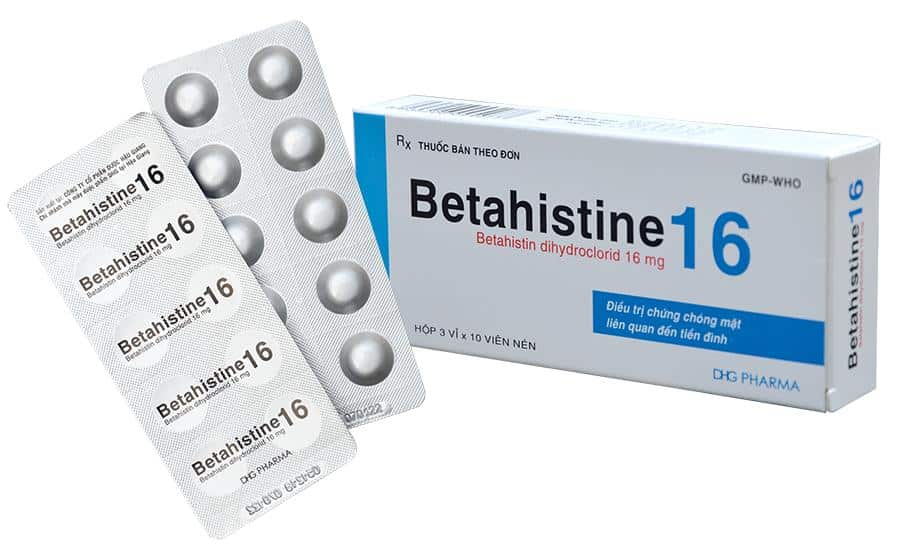
  • What to Avoid When Taking Brilinta for Safer Heart Care

    What to Avoid When Taking Brilinta for Safer Heart Care

    When taking Brilinta (ticagrelor), avoid grapefruit products, limit alcohol, and do not add NSAID pain relievers, aspirin products, supplements, or new prescriptions without checking with your clinician or pharmacist. These choices matter because Brilinta medication reduces platelet clumping, which lowers clot risk but can also raise bleeding risk.

    This article explains what to avoid when taking Brilinta, which foods are usually fine, and which medicines deserve a safety check. It also covers shortness of breath, missed doses, cold medicines, caffeine, and when to seek urgent help.

    Key Takeaways

    • Grapefruit products: Avoid grapefruit juice and grapefruit-containing blends.
    • Alcohol use: Limit intake because bleeding and falls become more concerning.
    • NSAID pain relievers: Avoid ibuprofen, naproxen, and similar products unless approved.
    • Combination therapy: Do not change aspirin or anticoagulants on your own.
    • New medicines: Check antibiotics, antifungals, supplements, and cold products first.

    What to Avoid When Taking Brilinta Day to Day

    The main things to avoid are products that increase bleeding risk or change how your body processes ticagrelor. Brilinta is an antiplatelet drug, meaning it makes platelets less likely to stick together and form clots. That action is helpful after certain heart events, but it also means cuts, nosebleeds, bruises, or stomach bleeding can become more serious.

    Start with three everyday categories: grapefruit, alcohol, and pain medicines. Grapefruit and grapefruit juice may raise ticagrelor levels by affecting CYP3A enzymes, which help metabolize the drug. Alcohol can add bleeding risk and increase the chance of dizziness or falls. NSAIDs (nonsteroidal anti-inflammatory drugs), including ibuprofen and naproxen, can irritate the stomach and make bleeding more likely.

    Also be cautious with supplements that may affect bleeding, such as ginkgo, garlic tablets, high-dose fish oil, and St. John’s wort. Food amounts of garlic or fish are different from concentrated supplements. If a product claims to “thin the blood,” treat it as something to review before use.

    Quick tip: Keep a photo of your medication list on your phone for pharmacy visits.

    Foods and Drinks: What Is Actually a Problem?

    Most foods do not need to be avoided with ticagrelor, but grapefruit is the major food-related caution. This includes grapefruit juice, grapefruit sections, and mixed juices that list grapefruit as an ingredient. Some citrus blends, cocktails, smoothies, and marmalades can hide grapefruit or Seville orange, so labels matter.

    Regular oranges are different. Many people can eat sweet oranges, mandarins, lemons, and limes while taking Brilinta, unless their clinician has given a separate reason to avoid them. If you are unsure about a specialty citrus product, ask a pharmacist before making it a daily habit.

    Caffeine does not have the same established interaction as grapefruit. Coffee and tea may fit into your routine if your care team has not restricted caffeine for another reason, such as palpitations, reflux, or blood pressure concerns. For a deeper look at that common question, see Brilinta and Caffeine.

    Food choices still matter for heart recovery. Aim for a pattern that supports blood pressure, cholesterol, and stable energy. That usually means more vegetables, beans, whole grains, lean proteins, and unsalted nuts, with fewer highly processed meats and salty packaged foods. You do not need to avoid vitamin K foods because that restriction applies to warfarin management, not ticagrelor.

    Safer swaps to consider

    • Citrus swap: Choose berries or sweet oranges instead of grapefruit.
    • Snack swap: Choose unsalted nuts instead of chips.
    • Protein swap: Choose beans or fish instead of processed meats.
    • Drink swap: Choose water or tea instead of alcohol-heavy drinks.
    • Label habit: Check juice blends before buying them.

    Medicines and Supplements That Need a Safety Check

    Medication interactions are often the most important part of what to avoid when taking Brilinta. Some drugs increase bleeding directly. Others raise or lower ticagrelor levels by affecting liver enzymes. A quick review before starting anything new can prevent many avoidable problems.

    NSAIDs are a common issue. Ibuprofen, naproxen, aspirin-containing pain products, and some cold-and-flu combinations can increase bleeding risk. Acetaminophen is often used for pain or fever in people on antiplatelet therapy, but it still needs label awareness because many multi-symptom products already contain it.

    Some antibiotics, antifungals, HIV medicines, seizure medicines, and herbal products can interact with ticagrelor. Examples often discussed include strong CYP3A inhibitors or inducers, but the safest approach is not to memorize every name. Instead, ask before starting any prescription, over-the-counter medicine, or supplement.

    Statins deserve a practical mention. People often ask, “Can you take Brilinta and atorvastatin together?” Many cardiac patients use both an antiplatelet and a statin, but the specific statin, dose, and overall medication list should be reviewed by the prescriber. Do not change a statin because of an internet checklist.

    If you are comparing ticagrelor with other clot-prevention medicines, it may help to understand that anticoagulants work differently from antiplatelets. BorderFreeHealth has related medication pages for Ticagrelor, Warfarin, and Dabigatran that can help you identify names during conversations with your care team. These pages should not replace individualized prescribing advice.

    Cold medicines and allergy products

    Cold medicine choices can be confusing because one box may contain several active ingredients. Avoid products with NSAIDs unless your clinician approves them. Decongestants can raise heart rate or blood pressure, which may not fit every heart condition. Diphenhydramine, often sold as Benadryl, may cause sleepiness, confusion, or falls, especially in older adults.

    If you are sick, bring the exact product name to a pharmacist. Ask whether it contains an NSAID, aspirin, a decongestant, or duplicate acetaminophen. This is safer than relying on front-label claims like “cold and flu” or “nighttime.”

    Aspirin, Blood Thinners, and Combination Therapy

    Do not change aspirin while taking Brilinta unless your prescriber tells you to. Some people are intentionally prescribed ticagrelor with low-dose aspirin after a stent or heart attack. Others may have a different plan because of bleeding risk, age, kidney function, prior stroke history, or upcoming procedures.

    The question “Can you take Brilinta and aspirin together?” depends on the reason it was prescribed. Higher aspirin doses may interfere with ticagrelor’s benefit, so it is important to follow the exact aspirin instructions on your discharge paperwork or prescription plan. Do not add separate aspirin-containing pain relievers unless your care team says they are safe for you.

    Combining Brilinta with anticoagulants, such as apixaban, rivaroxaban, dabigatran, warfarin, or injectable enoxaparin, can raise bleeding concerns. Sometimes combinations are used for specific medical reasons, but they require careful supervision. If you were prescribed more than one clot-related medicine, ask what each one is for and how long the combination is expected to continue.

    For broader context on heart and clot-related treatments, you can browse the Cardiovascular collection. If you are reviewing medication names, the Cardiovascular Products category may help you recognize related therapies without serving as a treatment plan.

    Alcohol, Caffeine, and Everyday Habits

    Alcohol is best limited while taking ticagrelor because it can increase bleeding concerns and worsen dizziness, reflux, or fall risk. This is especially important soon after a heart event, during medication changes, or if you already bruise easily. Heavy drinking can also make it harder to follow a consistent medication schedule.

    Caffeine is different. There is no major food-style warning that coffee directly blocks Brilinta’s effect. Still, caffeine can worsen palpitations, anxiety, reflux, or sleep problems in some people. If coffee makes shortness of breath or chest discomfort feel worse, report that pattern rather than assuming it is harmless.

    Daily habits also affect safety. Use a soft toothbrush if your gums bleed. Shave carefully or use an electric razor if nicks are common. Wear gloves for yard work, and report repeated nosebleeds, black stools, blood in urine, or vomiting that looks like coffee grounds. These signs need medical attention.

    Why it matters: Bleeding risk often comes from the combination of small everyday factors.

    Side Effects, Shortness of Breath, and Warning Signs

    Brilinta side effects can include bleeding, bruising, nosebleeds, and shortness of breath. Some people also notice dizziness, nausea, or changes that are hard to separate from recovery after a heart event. The important step is to track timing, severity, and whether symptoms are improving or worsening.

    Shortness of breath is a known ticagrelor side effect. It may relate to adenosine signaling, a pathway involved in breathing sensations and blood vessels. Some people describe it as a brief urge to take a deep breath. Others find it more disruptive. Because shortness of breath can also signal heart or lung problems, do not assume the medicine is the cause.

    Seek urgent care for severe shortness of breath, chest pain, fainting, signs of stroke, heavy bleeding, or symptoms that feel sudden and unusual. Call your prescriber promptly for repeated nosebleeds, large unexplained bruises, black or bloody stools, coughing blood, or bleeding that does not stop with pressure.

    People searching for Brilinta 90 mg side effects may be trying to connect a tablet strength with symptoms. Side effects depend on the full treatment plan, other medicines, age, kidney or liver issues, and recent procedures. Your prescriber is the right person to interpret symptoms in context.

    Missed Doses, Timing, and Stopping Safely

    If you miss a dose, follow the instructions from your prescriber or the medication label rather than doubling up. Taking extra tablets can increase bleeding risk. Missing repeated doses can reduce protection against clots, especially after a stent or recent heart attack.

    People often ask how long Brilinta stays in your system. Ticagrelor and its active metabolite clear over time, but platelet function does not instantly return to baseline. That is why surgery, dental procedures, and planned stopping require coordination. Do not stop suddenly unless a clinician tells you to, because stopping antiplatelet therapy too early can increase clot risk in some situations.

    If you missed two doses, call your pharmacist or prescriber for specific instructions. The right answer depends on when the last dose was taken, why you take ticagrelor, whether you also take aspirin or an anticoagulant, and whether any bleeding has occurred.

    Long-term use is individualized. Some people use dual antiplatelet therapy for a defined period and then change plans. Others need longer treatment. Stopping Brilinta after one year or two years should be a planned decision, not an experiment based on side effects or online reviews.

    How to Prepare for Appointments and Procedures

    Before any dental work, surgery, biopsy, or injection-based procedure, tell the care team you take ticagrelor. Do not hold the medicine on your own. The prescriber, surgeon, dentist, or procedural team needs to balance bleeding risk against clot risk.

    Bring a complete medication list to each appointment. Include prescriptions, over-the-counter medicines, vitamins, herbals, protein powders, sleep aids, and pain relievers. Write down alcohol intake honestly because it changes bleeding and fall risk discussions.

    Use these questions to make the visit more productive:

    • Aspirin plan: What exact aspirin strength should I use?
    • Pain relief: Which fever or pain medicine is safest for me?
    • Procedure timing: Who decides if ticagrelor should be held?
    • Bleeding signs: Which symptoms require urgent care?
    • Duration plan: When will my antiplatelet therapy be reviewed?

    For patients exploring access options, BorderFreeHealth connects U.S. patients with licensed Canadian partner pharmacies. Where required, prescription details are verified with the prescriber before dispensing by the pharmacy. This does not replace a cardiology plan or medication safety review.

    Authoritative Sources

    For label-backed information on indications, warnings, interactions, and medication safety language, review the FDA prescribing information for Brilinta.

    For consumer medication safety points, including bleeding and shortness of breath warnings, see the MedlinePlus ticagrelor drug information.

    For patient-centered information about heart attack recovery and antiplatelet therapy discussions, the American Heart Association antiplatelet overview offers helpful context.

    Recap

    The safest approach is simple but consistent: avoid grapefruit products, limit alcohol, skip NSAIDs unless approved, and check every new medicine or supplement. Do not adjust aspirin, anticoagulants, or ticagrelor timing without professional guidance. If bleeding, shortness of breath, or missed doses create concern, contact your care team quickly.

    What to avoid when taking Brilinta is less about a long banned-food list and more about preventing avoidable interactions. A current medication list, careful label reading, and early questions can make treatment safer and less stressful.

    This content is for informational purposes only and is not a substitute for professional medical advice.
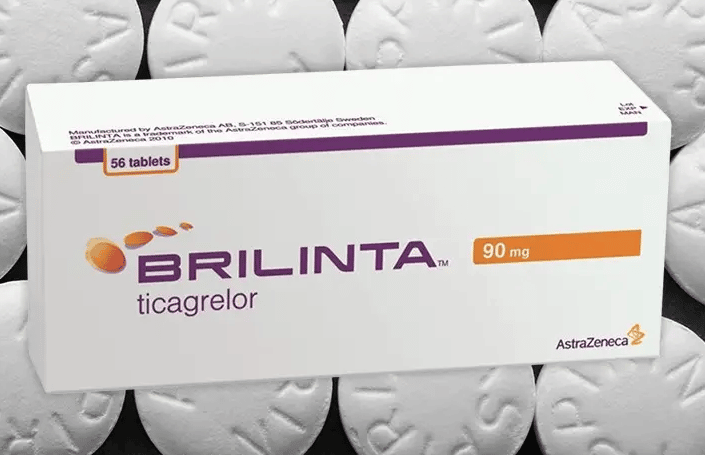
  • Betahistine Uses and Side Effects: Safe Use for Vertigo

    Betahistine Uses and Side Effects: Safe Use for Vertigo

    Betahistine is a vestibular medicine used to reduce recurring vertigo symptoms, most often in Ménière’s disease. This matters because dizziness, nausea, ear pressure, and balance problems can disrupt daily safety. A clear view of betahistine uses and side effects can help you ask better questions, track response, and spot warning signs early.

    Key Takeaways

    • Primary role: It may reduce vertigo attacks in some people with inner ear disorders.
    • Common side effects: Nausea, indigestion, stomach discomfort, and headache are most reported.
    • Important cautions: Ulcer history, severe asthma, pheochromocytoma, and drug interactions need review.
    • Dosing routine: Clinicians usually divide doses and advise taking tablets with food.
    • Monitoring matters: Track vertigo days, triggers, side effects, and any hearing changes.

    Betahistine is not a cure for Ménière’s disease or every cause of dizziness. It is one tool in a broader plan that may include diet changes, vestibular rehabilitation, hearing care, and safety planning. If you are still clarifying the cause of spinning sensations, our plain-language resource on What Is Vertigo explains common symptom patterns and evaluation steps.

    What Betahistine Is and Why It Is Used

    Betahistine is a histamine-like medicine used for vestibular disorders, especially Ménière’s disease. Ménière’s disease is an inner ear condition that can cause vertigo, tinnitus, fluctuating hearing changes, and a feeling of ear fullness. Betahistine for vertigo is usually considered when symptoms recur and fit an inner-ear pattern.

    It does not work like typical allergy antihistamines. Allergy antihistamines block histamine effects that cause sneezing or itching. Betahistine acts differently on histamine receptors, which is why combining it with some antihistamines may need extra discussion.

    Clinicians may use betahistine when vertigo episodes, ear pressure, or tinnitus interfere with function. Still, dizziness has many possible causes. Benign paroxysmal positional vertigo (BPPV), vestibular migraine, medication effects, blood pressure changes, and neurological conditions can feel similar at first. A careful history and exam help determine whether betahistine fits the situation.

    Why it matters: The right treatment depends on the cause of dizziness, not just the word “vertigo.”

    How Betahistine May Work in the Inner Ear

    Betahistine may help by influencing blood flow and nerve signalling in vestibular pathways. Researchers often describe it as having activity at histamine H1 and H3 receptors. In practical terms, it may support inner ear microcirculation and help the brain adjust to abnormal balance signals.

    The inner ear contains fluid-filled structures that help control hearing and balance. In Ménière’s disease, symptoms are often linked to abnormal inner ear fluid pressure or signalling, although the full biology is complex. Betahistine’s possible effects on circulation and vestibular compensation may explain why some people notice fewer or less intense attacks.

    Response varies. Some people report meaningful improvement, while others notice little change or stop because of side effects. This is why symptom tracking is useful. A diary of vertigo days, nausea, ear fullness, tinnitus, and recovery time gives your clinician more than a memory-based summary.

    Common Side Effects and Safety Warnings

    Most reported betahistine side effects involve the stomach or head. Nausea, indigestion, stomach pain, bloating, and headache can occur. These effects are often mild, but they still matter if they affect eating, sleep, hydration, or daily function.

    Taking betahistine with or after food may reduce stomach upset. Do not change the prescribed schedule without checking with your clinician or pharmacist. If symptoms start soon after a dose change or manufacturer switch, make a note of the timing and bring it to your next review.

    Allergic reactions are uncommon but need urgent attention. Seek medical care right away for swelling of the face, lips, tongue, or throat; hives; severe rash; wheezing; or trouble breathing. People with asthma should report any worsening wheeze or chest tightness promptly.

    People with current or past stomach ulcers need careful review because histamine pathways can affect stomach acid. Betahistine is usually avoided in people with pheochromocytoma, a rare adrenal gland tumour, unless a specialist gives specific direction. Older adults may also need a closer review because dizziness can overlap with falls risk, blood pressure changes, and multiple medicines.

    When Side Effects Need Prompt Review

    Contact a clinician if stomach pain is severe, heartburn becomes persistent, black or tarry stools appear, or vomiting prevents fluids. Also seek prompt care for sudden hearing changes, new weakness, severe headache, fainting, chest pain, or confusion. These symptoms may point to issues beyond medication tolerability.

    If betahistine makes you feel worse, do not assume it is “just part of starting.” Write down what changed, when it started, and what else was happening, such as a new allergy medicine, dehydration, illness, or blood pressure change. That information helps your care team decide what to check next.

    Dosing Basics and How to Take It Safely

    Betahistine dosage is individualized, and the right plan depends on diagnosis, symptom pattern, other conditions, and tolerability. Tablets are commonly taken in divided doses during the day. Many clinicians suggest taking them with meals or a snack to limit nausea or indigestion.

    People often ask about betahistine 16 mg uses because 16 mg tablets are common in many markets. The tablet strength is only one part of the plan. The total daily dose, dose timing, and follow-up schedule matter more than the number printed on one tablet.

    If you miss a dose, follow the instructions from your prescriber or pharmacist. In general, people are often advised not to double doses to make up for a missed tablet. If missed doses happen often, ask whether a simpler schedule is possible.

    Practical Routine Tips

    • Pair with meals: Breakfast and dinner routines can improve consistency.
    • Use one tracker: Record vertigo, nausea, hearing changes, and headaches together.
    • Check labels: Confirm strength after pharmacy or manufacturer changes.
    • Avoid doubling: Ask a pharmacist what to do after missed doses.
    • Plan reviews: Agree on when benefit and tolerability should be reassessed.

    Quick tip: Bring the actual medicine package to appointments if the strength or brand changed.

    Interactions, Contraindications, and What to Avoid

    Betahistine interactions are most relevant when other medicines affect histamine pathways, stomach symptoms, blood pressure, or alertness. Allergy antihistamines may reduce the intended effect of betahistine in some cases. Monoamine oxidase inhibitors, known as MAOIs, may also require careful supervision because they can affect histamine metabolism.

    Tell your clinician about prescription medicines, over-the-counter products, supplements, and occasional medicines for travel sickness or allergies. These details are easy to overlook, yet they can change how dizziness, drowsiness, nausea, or blood pressure symptoms are interpreted.

    People sometimes ask whether betahistine can be taken with blood pressure tablets. Many people use both, but dizziness can come from vertigo, low blood pressure, dehydration, or medicine effects. If lightheadedness, near-fainting, or unusual fatigue appears after a medication change, report it rather than guessing the cause.

    Alcohol is not always listed as a direct interaction, but it can worsen dizziness, nausea, sleep disruption, and fall risk. If alcohol triggers vertigo or makes balance less reliable, it is worth discussing that pattern with your clinician.

    What to Expect During Treatment

    Betahistine is usually assessed over time, not by one dose. Some people notice gradual improvement in attack frequency or severity. Others see no clear change. A structured symptom record can make the review more objective.

    Useful tracking points include the number of vertigo days per month, attack duration, nausea severity, falls or near-falls, tinnitus changes, ear pressure, and missed work or activities. Weekly summaries often work better than detailed daily notes, especially when symptoms fluctuate.

    Long-term use should be reviewed periodically. The question is not only whether the medicine is “safe” in general. The better question is whether it is still helping enough, whether side effects remain acceptable, and whether the diagnosis or treatment goals have changed.

    If Ménière’s disease is part of your care plan, you may also find Ménière’s Disease helpful for understanding symptom patterns and care discussions. If your symptoms followed a sudden vestibular illness or raise concern about other causes, Vestibular Neuritis vs Acoustic Neuroma outlines important differences to discuss with a clinician.

    Where Products and Formulations Fit

    Betahistine is available as generic tablets and under different brand names in some countries. Product names, strengths, scoring, and inactive ingredients may vary. If you notice new stomach symptoms, rash, or headaches after a manufacturer change, ask your pharmacist whether the formulation changed.

    Product pages can help you compare names and strengths, but they should not replace individual advice. For ingredient-level context, see Betahistine Tablets. Brand-specific pages such as Serc Tablets and Vertin Tablets may help you recognize common formulation names discussed in appointments.

    BorderFreeHealth connects U.S. patients with licensed Canadian partner pharmacies for eligible prescription options. When required, prescription details are verified with the prescriber before the pharmacy dispenses the medication. This access context is separate from clinical decision-making, which should stay with your prescriber.

    Questions to Bring to Your Clinician

    A short appointment list can make betahistine uses and side effects easier to review. Focus on diagnosis, safety, and how success will be measured. This is especially important if dizziness has caused falls, driving concerns, work disruption, or anxiety about leaving home.

    • Diagnosis fit: What makes Ménière’s disease or another vestibular cause likely?
    • Expected benefit: Which symptom should improve first or most clearly?
    • Safety cautions: Do my ulcer, asthma, or heart history change the plan?
    • Interaction check: Could allergy, nausea, sleep, or blood pressure medicines interfere?
    • Review timing: When should we decide whether this trial is helping?
    • Red flags: Which symptoms should prompt urgent care?

    For broader medication-safety skills, our resource on Managing Side Effects explains how to prepare for, track, and report adverse effects without minimizing them.

    Authoritative Sources

    The NHS betahistine medicine page gives patient-friendly information on use, dosing routines, side effects, and common cautions.

    The Memorial Sloan Kettering betahistine resource summarizes practical medication safety points, including side effects and when to call for help.

    The AAO-HNS Ménière’s disease guideline provides specialist context on diagnosis and management options for Ménière’s disease.

    Final Notes on Safe Use

    Betahistine can be useful for some people with recurrent vestibular vertigo, but it works best when the diagnosis is clear and monitoring is practical. Keep a simple symptom record, report side effects early, and review other medicines at each visit. That approach gives your clinician better information and helps protect your day-to-day safety.

    This content is for informational purposes only and is not a substitute for professional medical advice.
  • Brilinta vs Plavix: Safety, Dosing, and Key Questions

    Brilinta vs Plavix: Safety, Dosing, and Key Questions

    Brilinta and Plavix both lower the chance of harmful blood clots, but they are not identical and they are not the best fit for every person. In plain language, Brilinta vs Plavix is a comparison between two antiplatelet medicines used after a heart attack, acute coronary syndrome, or coronary stent placement. The main differences involve how they block platelets, how often they are taken, how predictable their effect may be, and which side effects matter most.

    Why this matters is simple: small differences can affect safety and daily life. A once-daily schedule may be easier to follow. Shortness of breath can make one option hard to tolerate. And if a stent is involved, stopping or switching medication without a plan can be risky.

    Key Takeaways

    • Both drugs are P2Y12 antiplatelets that help prevent clot formation.
    • Ticagrelor works directly, while clopidogrel needs liver activation.
    • Brilinta is commonly taken twice daily; Plavix is usually once daily.
    • Both can cause bleeding, but Brilinta is more often linked with shortness of breath.
    • The best choice depends on the heart condition, bleeding risk, other medicines, and how manageable the routine is.

    Brilinta vs Plavix at a Glance

    At a high level, both medicines reduce platelet clumping. Platelets are the blood cells that start a clot. That is why both drugs are often called blood thinners in everyday language, even though they are more precisely antiplatelet drugs rather than anticoagulants.

    The comparison usually comes up after acute coronary syndrome, often shortened to ACS, or after PCI (angioplasty with stent placement). In many of those settings, one of these drugs is used with aspirin as dual antiplatelet therapy. The right choice depends on the reason for treatment, bleeding risk, and how well the plan fits real life.

    Comparison point Brilinta Plavix
    Active drug Ticagrelor Clopidogrel
    Drug class P2Y12 antiplatelet P2Y12 antiplatelet
    How it starts working Acts directly Needs liver activation
    How it binds platelets Reversible blockade Irreversible blockade
    Typical schedule Commonly twice daily Usually once daily
    Common discussion point Shortness of breath may occur Response may vary more between people
    Shared concern Bleeding Bleeding

    Another point people often miss is what these drugs do not do. They do not dissolve an existing clot or replace emergency care. Instead, they lower future platelet clumping. That is why they are usually one part of a broader heart-care plan that may also include aspirin, cholesterol treatment, blood pressure control, smoking cessation, and follow-up visits.

    Why it matters: A medicine only works well when the clinical fit and the daily routine both make sense.

    BorderFreeHealth works with licensed Canadian partner pharmacies.

    How the Mechanism Changes Real-World Use

    Both drugs block the P2Y12 receptor, a platelet activation signal that helps platelets stick together. Blocking that signal lowers the chance of clots forming in narrowed heart arteries or on a stent. The difference is how each drug reaches that effect.

    Direct action with ticagrelor

    Ticagrelor, the drug in Brilinta, works directly and does not need to be turned on by the liver first. It also binds reversibly, which means its platelet-blocking effect is not permanent on each platelet. In practice, this direct action is one reason clinicians may consider it in higher-risk settings.

    Activation required with clopidogrel

    Clopidogrel, the drug in Plavix, is a prodrug. The liver has to convert it into an active form before it can fully block the receptor. Once activated, it binds platelets irreversibly for the life of those platelets. Because that extra step matters, response can be less predictable in some people, and other medicines or genetic factors may affect how well it works.

    This is one of the clearest differences in Brilinta vs Plavix: one acts more directly, while the other depends more on metabolism. It is also why medication reviews matter. Surgeons, dentists, and heart specialists usually want the exact drug name before any procedure because the timing of holds or changes is not the same for every antiplatelet medicine.

    Where Each Option May Fit Better

    Neither drug is universally better. The better choice is the one that matches the current heart problem, the clotting risk, the bleeding profile, and the person's ability to stay on treatment as directed.

    After a recent heart attack or certain stent-related situations, clinicians may lean toward ticagrelor when they want direct platelet inhibition. Clopidogrel remains very common after PCI and in many longer-term plans, especially when once-daily dosing, drug tolerance, interaction concerns, or access issues matter. That is one reason the answer to whether Plavix is as good as Brilinta is often: it depends on the situation being treated.

    Both drugs are often paired with aspirin for a period of time. The length of treatment varies. It may depend on why therapy was started, how recent the event was, what type of stent was placed, and whether bleeding has become a concern. A person in the first weeks after a heart event may have a different risk balance than someone who is years past it.

    Real-world factors matter too. A twice-daily medicine can be perfectly manageable for some people and hard for others. Missing doses after a recent stent can be serious. In Brilinta vs Plavix decisions, convenience is not a minor detail. It can directly affect adherence and therefore safety.

    There is also a language issue worth clearing up. People often say stronger, safer, or better as if there is one winner. In practice, those words hide the real question: which option makes the most sense for this person, at this point in care, with this level of clotting risk and bleeding risk?

    Safety and Side Effects That Can Change the Conversation

    The biggest shared risk is bleeding. That can mean easy bruising and longer bleeding from cuts, but it can also mean more serious bleeding in the stomach, intestines, or brain. Older age, kidney problems, prior ulcers, other blood thinners, and some pain medicines can all make the risk picture more complicated.

    Bleeding is the main tradeoff

    When clinicians weigh clot protection against bleeding risk, they are balancing two real dangers. Too little platelet inhibition may raise the chance of a clot. Too much can increase bleeding. This is why a person who has just had a heart event may be managed differently from someone who is years out from it.

    Other medicines matter here too. Nonsteroidal anti-inflammatory drugs, some antidepressants, and other drugs that affect clotting can increase bleeding risk or change the overall safety picture. Even over-the-counter products and supplements can matter, which is why a full medication list is more useful than trying to remember only prescription names.

    Shortness of breath deserves attention

    Brilinta is more often associated with dyspnea (shortness of breath). Some people describe it as an air-hunger feeling or the sense that they cannot take a satisfying breath. It may be mild and brief, or it may be bothersome enough to prompt a medication review. Because shortness of breath can also signal a heart or lung problem, new symptoms should be checked rather than assumed to be harmless.

    Clopidogrel is less tied to this symptom, but it is not side-effect free. It still needs a careful review of bleeding, drug interactions, and whether it is the right choice for the current stage of care. Stopping either drug on your own after a recent stent can be dangerous, so side effects should lead to a call for guidance rather than a self-directed stop.

    Urgent warning signs should not wait for a routine message.

    • Vomiting blood or coffee-ground material.
    • Black, tarry, or bloody stools.
    • Bleeding that does not stop.
    • A fall or head injury while taking the drug.
    • Sudden weakness, trouble speaking, or severe chest pain.

    When required, the pharmacy confirms prescription details with the original prescriber.

    Switching, Taking Both, and Long-Term Use

    Switching from one medicine to the other can happen, but it should be planned. Common reasons include side effects, bleeding concerns, difficulty with a twice-daily schedule, insurance or formulary changes, interaction concerns, or a shift in risk after the first months following a heart event.

    Someone may move from clopidogrel to ticagrelor when a more direct or potentially more consistent antiplatelet effect is desired. Someone may move from ticagrelor to clopidogrel because of shortness of breath, bleeding, or because a once-daily routine is easier to maintain. The Brilinta vs Plavix choice can also change over time as the reason for therapy becomes less acute.

    These transitions are not simple swaps you should make from a search result or an old bottle. Timing matters. Any gap, overlap, or incorrect restart can affect both clotting and bleeding risk. If a medication list changes after a hospital stay, discharge summary, or specialist visit, it is worth confirming exactly what should continue and what should stop.

    Taking Brilinta and Plavix together is not standard practice. They work on the same platelet pathway, so using both without a very specific medical plan can raise bleeding risk. If both names appear on a medication list, it is worth confirming that the list is current and intentional.

    Can a person stay on clopidogrel long term? Sometimes, yes. Long-term clopidogrel use may be appropriate in selected cases, but the duration depends on why it was prescribed, whether a stent was placed, how much time has passed, and how bleeding risk has changed.

    Practical Questions to Bring to a Visit

    If the comparison still feels abstract, bring it back to your own timeline. The most useful questions are not about which brand sounds stronger. They are about why you were started on an antiplatelet drug, what problem it is protecting against today, and what side effects or routines may make the plan harder to follow.

    • Why was this drug chosen for me now?
    • Am I still in the highest-risk period after a stent or heart event?
    • Would once-daily or twice-daily dosing affect adherence?
    • What bleeding signs should trigger a call right away?
    • Could any of my other medicines interfere?
    • If shortness of breath appears, what should be checked?
    • Is this plan being reassessed at future visits?

    Quick tip: Bring your full medication list and the date of any stent procedure to each visit.

    Access questions can matter too. Generic clopidogrel may shape one conversation, while cash-pay or cross-border options may matter in another. If you want broader heart-health reading, browse our Cardiovascular Articles. If you are comparing related prescription categories on the site, the Cardiovascular Product Hub is a browsing page, not a treatment recommendation.

    It also helps to ask who is coordinating the plan. Hospital teams, cardiologists, primary care clinicians, dentists, and surgeons may all need the same medication list. That shared list can prevent duplicate therapy, outdated instructions, or confusion about whether aspirin should still be part of the plan.

    Cross-border cash-pay access depends on eligibility and local jurisdiction.

    Authoritative Sources

    For readers who want label-backed or medical-reference context, these sources can help:

    Brilinta and Plavix target the same clotting pathway, but the practical differences are real. Direct action, dosing schedule, shortness of breath, bleeding history, and the reason for treatment all shape which option fits better. Further reading and a careful medication review can clarify why one plan may make more sense than another.

    This content is for informational purposes only and is not a substitute for professional medical advice.
  • Arnuity Ellipta Alternatives for Asthma Maintenance

    Arnuity Ellipta Alternatives for Asthma Maintenance

    If Arnuity Ellipta is not the right fit, arnuity ellipta alternatives usually fall into three groups: other inhaled corticosteroid controllers, combination inhalers, and non-steroid add-on options for selected patients. The best choice depends on asthma control, inhaler technique, side effects, coverage, and whether the device matches your breathing pattern.

    Arnuity Ellipta contains fluticasone furoate, an inhaled corticosteroid (ICS) used for asthma maintenance. It is not a rescue inhaler. If symptoms are breaking through, your clinician may first check how often you use it, how you inhale, and whether a reliever medicine is being used more than expected.

    Key Takeaways

    • Same class options: Other ICS inhalers may suit different devices or formularies.
    • Step-up choices: Some patients need an ICS/LABA combination inhaler.
    • Device fit matters: Dry powders and sprays require different techniques.
    • Side effects vary: Mouth care and dose review can reduce local problems.
    • Access changes: Formularies, brand status, and programs affect out-of-pocket cost.

    Where Arnuity Fits in Asthma Controller Care

    Arnuity is a once-daily ICS controller that helps reduce airway inflammation over time. That makes it different from albuterol, which is a short-acting bronchodilator used for quick symptom relief. In plain terms, a controller helps prevent trouble; a reliever helps during symptoms.

    The arnuity ellipta generic name is fluticasone furoate. Its active ingredient belongs to the corticosteroid family, but it is inhaled directly into the lungs. This local delivery helps target airway inflammation, though some medicine can still be absorbed into the body.

    Arnuity is delivered through the Ellipta dry-powder device. You do not press a canister while breathing in. Instead, the device relies on a strong, steady inhalation. That can be easier for some people, but harder for others with low inspiratory flow, severe symptoms, tremor, or hand limitations.

    For a product-specific orientation, the site’s What Is Arnuity Ellipta page can help you review how this inhaler fits into maintenance treatment. If you are comparing available forms, the Arnuity Ellipta Inhaler page may also help you recognize the device and presentation.

    Why it matters: A medicine can be clinically reasonable but still fail if the device does not suit you.

    Common Arnuity Ellipta Alternatives to Discuss

    Most Arnuity Ellipta alternatives are not exact substitutes. They may use a different corticosteroid, delivery device, dosing schedule, or combination of medicines. Your prescriber usually compares the drug class first, then adjusts based on asthma severity and response.

    Other ICS-only inhalers

    ICS-only alternatives include medicines such as budesonide, beclomethasone, mometasone, and fluticasone propionate products. These options share the same broad purpose: they reduce airway inflammation as maintenance therapy. They are not intended for sudden breathing symptoms.

    People often compare Arnuity with Qvar, Pulmicort, Asmanex, and older fluticasone products because each can serve as a controller option. The practical differences often involve device mechanics, labeled dosing frequency, strength range, and insurance preference. To compare examples of different controller devices, you can review Qvar Aerosol Inhaler, Pulmicort Turbuhaler, and Asmanex.

    Combination controller inhalers

    If asthma remains uncontrolled on an ICS alone, a clinician may consider an ICS with a long-acting beta agonist (LABA). These inhalers combine anti-inflammatory treatment with long-acting airway relaxation. They are not the same as an ICS-only inhaler, so switching requires a clinical reason and careful review.

    Breo Ellipta is one example of an ICS/LABA combination inhaler that uses an Ellipta device. It is not interchangeable with Arnuity because it adds a LABA component. For device and class context, see Breo Ellipta. For another combination-inhaler comparison, Breyna vs Symbicort explains how combination products can differ.

    Relievers and add-on therapies

    Albuterol is not an Arnuity alternative for maintenance. It works quickly to relax airway muscles, while ICS medicines work gradually on inflammation. Other add-on treatments, including leukotriene receptor antagonists or biologic medicines, may be considered in specific asthma patterns. Those choices depend on triggers, exacerbation history, allergies, lung function, and other conditions.

    How to Compare Devices, Doses, and Daily Use

    The most useful comparison starts with how the inhaler behaves in real life. A dry-powder inhaler, metered-dose inhaler, soft mist inhaler, and nebulized treatment can all deliver respiratory medicine, but they ask different things from the person using them.

    Arnuity’s Ellipta device is breath-activated. You open the cover until it clicks, breathe out away from the mouthpiece, seal your lips, and inhale strongly and steadily. After inhaling, you hold your breath briefly if you can. Then you close the device and rinse, gargle, and spit.

    Metered-dose inhalers release a spray. They often require coordination between pressing the canister and breathing in. Some people use a spacer or valved holding chamber when appropriate. Dry-powder inhalers do not use a spray, but they usually require a faster inhalation.

    Arnuity Ellipta dosage strengths are commonly discussed as 50 mcg, 100 mcg, and 200 mcg inhalations, but the right strength is not chosen by matching numbers across brands. Potency is not one-to-one between fluticasone furoate, fluticasone propionate, budesonide, beclomethasone, and mometasone. Clinicians use labeled guidance, asthma severity, prior response, and follow-up monitoring.

    Daily routine also matters. A once-daily controller can help some people stay consistent. Others prefer a device that matches an existing routine, such as morning and evening use. Missed doses can make it harder to judge whether a medicine is working.

    If you track peak flow as part of an asthma action plan, this tool can help estimate zone ranges from a personal best. It does not replace your clinician’s plan.

    [peak-flow-zone-calculator]

    Quick tip: Bring your inhaler to appointments so your technique can be checked directly.

    Side Effects, Warnings, and When to Seek Help

    Arnuity Ellipta side effects most often involve the mouth and throat. Possible effects include sore throat, hoarseness, cough, and oral thrush, which is a yeast infection in the mouth. Rinsing and spitting after each dose can lower the chance of some local effects.

    ICS medicines can also have systemic effects, especially at higher exposures or with long-term use. These may include concerns related to adrenal function, bone health, eye conditions, growth in children and adolescents, or infection risk. The level of concern depends on dose, duration, other steroid use, and individual health history.

    People with severe milk protein allergy should ask their prescriber or pharmacist about dry-powder inhaler ingredients. Some dry-powder products contain lactose, which can carry trace milk proteins. This is a safety question, not a preference issue.

    Drug interactions can also matter. Certain medicines that strongly affect steroid metabolism may increase corticosteroid exposure. Your care team should know about prescription medicines, over-the-counter products, inhalers, and supplements before a switch.

    Seek urgent medical care for severe breathing trouble, blue lips or face, confusion, chest pain, or symptoms that do not improve with your prescribed rescue plan. Maintenance inhalers should not be used as the only response to a sudden severe attack unless your clinician has given a specific action plan.

    Comparing Arnuity With Flovent, Pulmicort, Qvar, and Albuterol

    Arnuity and Flovent are both corticosteroid controller inhalers, but they are not the same medicine. Arnuity contains fluticasone furoate in a dry powder. Flovent products used fluticasone propionate in different inhaler formats. A conversion between them is clinical, not a simple microgram-for-microgram swap.

    Pulmicort contains budesonide, another ICS. Some people compare Pulmicort vs Arnuity Ellipta when looking for a different device or dosing approach. The better fit depends on inhalation ability, prior response, age-appropriate use, coverage, and the treatment plan your clinician is following.

    Qvar contains beclomethasone. It is another ICS controller, but its device and dose equivalence differ from Arnuity. A person who struggles with one dry-powder platform may do better with a different inhaler style, but that decision should be tested with technique review and follow-up.

    Arnuity vs albuterol is a different comparison. Albuterol is a rescue medicine that opens airways quickly. Arnuity is a maintenance corticosteroid that helps reduce inflammation over time. Needing albuterol more often than usual may signal poor control, poor technique, trigger exposure, or the need to reassess the controller plan.

    If you want broader respiratory navigation, the Respiratory Articles category collects educational posts. The Respiratory Products category can help you recognize different inhaler and respiratory medication pages without treating them as direct substitutes.

    Cost, Generic Status, and Access Questions

    Many readers ask why Arnuity Ellipta is so expensive. Common cost drivers include brand-only status in some markets, device manufacturing, insurance formularies, deductibles, and whether a plan prefers a different controller. Out-of-pocket cost can change when insurance coverage changes, even if your asthma treatment has not changed.

    There may not be a lower-cost option that is clinically equivalent for every person. Still, it is reasonable to ask whether another ICS, a covered fluticasone propionate product, budesonide, beclomethasone, mometasone, or a combination controller is appropriate. The answer depends on asthma control, exacerbation risk, prior side effects, and device technique.

    People also ask who is eligible for $35 inhalers. Some manufacturers have announced patient cost programs or monthly caps for certain inhalers, but eligibility terms vary. Programs may depend on insurance type, medicine, location, and program rules. Government insurance exclusions and monthly limits can apply, so check current terms through the manufacturer or your pharmacist.

    For people comparing access routes, BorderFreeHealth connects U.S. patients with licensed Canadian partner pharmacies. When required, prescription details are verified with the prescriber before a partner pharmacy dispenses. Cash-pay cross-border options may be relevant for some patients without insurance, depending on eligibility and jurisdiction.

    Do not stop a controller inhaler because of cost without a backup plan. Uncontrolled asthma can worsen quickly. If affordability is a problem, ask your clinician or pharmacist to compare covered controller options and confirm which inhaler you can use correctly.

    Questions to Bring to Your Clinician

    A focused list can make the visit more useful. The goal is not to choose the “strongest” inhaler. The goal is to match your asthma pattern, risk level, device ability, and access needs.

    • Control pattern: How often are symptoms or night awakenings happening?
    • Reliever use: Has albuterol use increased recently?
    • Technique check: Can I demonstrate my current inhaler?
    • Device fit: Is a dry powder still appropriate for me?
    • Side effects: Could hoarseness or thrush be related?
    • Step-up need: Should we consider combination therapy?
    • Coverage issue: Which similar controllers are preferred?

    Example: A person with good control but persistent hoarseness may need a technique check, mouth-care review, or dose reassessment. Another person with frequent rescue inhaler use may need a broader asthma-control review rather than a simple device swap.

    Authoritative Sources

    For label-backed details on ingredients, warnings, and use, review the FDA prescribing information for Arnuity Ellipta.

    For general asthma medication classes and controller-versus-reliever context, see the NHLBI asthma treatment overview.

    For device technique education and asthma self-management basics, the CDC asthma treatment resources provide public-health guidance.

    Recap

    Arnuity Ellipta alternatives include other ICS controllers, combination inhalers, and selected add-on treatments. The right comparison looks beyond the drug name. Device technique, dosing routine, side effects, asthma severity, and access all matter.

    Before switching, ask for a technique check and a clear follow-up plan. A well-matched inhaler should be one you can use correctly, tolerate, and access consistently.

    This content is for informational purposes only and is not a substitute for professional medical advice.

  • Asacol vs Lialda: Key Differences in UC Care

    Asacol vs Lialda: Key Differences in UC Care

    Asacol vs Lialda mainly comes down to how each mesalamine product releases medicine in the bowel and how often it fits into your day. Both are 5-ASA medications for ulcerative colitis, but their coatings, tablet design, dosing routines, and product status differ. That matters because convenience, tolerability, and symptom location can influence adherence and follow-up decisions.

    This comparison is not a substitute for your clinician’s plan. It can help you ask clearer questions about oral mesalamine, switching, side effects, generics, and when rectal or steroid options may enter the conversation.

    Key Takeaways

    • Same active class: Both use mesalamine, a 5-ASA anti-inflammatory.
    • Main difference: Release design affects tablet routine and delivery pattern.
    • Dosing is label-specific: Do not convert milligrams one-to-one.
    • Monitoring matters: Kidney, liver, and serious reaction checks may be needed.
    • Alternatives exist: Other mesalamine brands, rectal therapy, or steroids may fit some flares.

    Asacol vs Lialda: The Differences That Matter First

    The simplest difference is formulation. Asacol products use delayed-release coating technology, while Lialda uses a delayed-release multi-matrix system designed for once-daily use in many treatment plans. Both aim to deliver mesalamine to the colon, where ulcerative colitis inflammation occurs.

    Why this matters: two tablets can contain the same active ingredient but behave differently in the digestive tract. Coatings and matrices influence where release begins, how long delivery continues, and how many tablets or doses a person may need. That is why a switch should be guided by the prescriber, not by matching total daily milligrams alone.

    Factor Asacol or Asacol HD lineage Lialda
    Active ingredient Mesalamine, also called 5-ASA Mesalamine, also called 5-ASA
    Drug class Aminosalicylate gut anti-inflammatory Aminosalicylate gut anti-inflammatory
    Release approach Delayed-release coating Delayed-release multi-matrix design
    Routine impact Often involves more than one daily dose, depending on product and plan Often used once daily when prescribed that way
    Tablet handling Swallow intact unless the product label says otherwise Swallow intact; do not crush or chew
    Clinical use Used in ulcerative colitis care through specific product versions Used for induction and maintenance of remission in ulcerative colitis

    People also ask about the difference between Asacol and mesalamine. Mesalamine is the active drug. Asacol is a brand lineage that used mesalamine in a specific delayed-release formulation. Lialda, Delzicol, Pentasa, Apriso, and some generics also contain or deliver mesalamine in different ways.

    For a closer comparison with another delayed-release mesalamine option, see Delzicol vs Asacol. If you are comparing release patterns across the class, Asacol vs Pentasa adds helpful context.

    How Mesalamine Fits Into Ulcerative Colitis Treatment

    Mesalamine for ulcerative colitis is usually considered for mild to moderate disease, depending on the person’s history, disease extent, and current symptoms. It works locally in the bowel lining to reduce inflammatory activity. It is not a corticosteroid and is not usually described as a systemic immunosuppressant.

    Ulcerative colitis affects the colon and rectum. Oral mesalamine can help reach colonic inflammation, but rectal symptoms may need rectal treatment for better local coverage. Persistent urgency, bleeding, or rectal pain should not be dismissed as a routine inconvenience.

    There is no single “safest drug for ulcerative colitis” for everyone. Safety depends on disease severity, other medical conditions, pregnancy status, kidney and liver function, past reactions, and which medicines have already failed or caused problems. For some people, 5-ASA therapy is a reasonable foundation. For others, clinicians may need steroids, immunomodulators, biologics, or other advanced therapies.

    Why it matters: The best medication is the one that fits the diagnosis, disease extent, risk profile, and monitoring plan.

    If oral mesalamine options are being reviewed, product pages such as Mesalamine 400 mg and Mesacol OD 1200 mg can help you recognize formulation differences to discuss with a clinician or pharmacist. Product pages should not replace label review or medical advice.

    Dosing Routines, Timing, and Switching Questions

    Asacol vs Lialda dosage questions should start with the exact product label and the reason it was prescribed. Asacol HD dosing, older Asacol dosing, Delzicol dosing, and Lialda dosing are not automatically interchangeable. Strength, release system, and indication all matter.

    Lialda is commonly associated with a once-daily routine when prescribed that way. That can help people who struggle with midday or evening doses. Asacol HD and related delayed-release products may involve different schedules. A more frequent schedule is not automatically worse, but it can be harder to maintain during work, travel, or school.

    Do not split, crush, or chew delayed-release tablets unless a healthcare professional confirms the specific product allows it. Damaging the coating can change where the drug releases. That may reduce the intended colonic delivery or increase stomach irritation.

    When a Once-Daily Routine Helps

    A once-daily plan may support adherence if you already anchor medications to breakfast or another reliable habit. Some labels specify taking the medicine with food. Others differ. Check your current label and ask your pharmacist if the instructions are unclear.

    Missed doses are common during chronic treatment. If that happens repeatedly, tell your care team. They may suggest reminders, blister packaging, a different release product, or a simpler routine. Do not stop mesalamine during maintenance without discussing the relapse risk and your alternatives.

    Why Conversion Is Not One-to-One

    Mesalamine medication comparison is more complicated than total milligrams. Different products release in different parts of the gut and over different timeframes. A clinician may consider symptom pattern, colonoscopy findings, prior response, kidney function, tablet burden, and insurance or cash-pay access before recommending a change.

    If you switch, keep a short symptom log for two to four weeks. Note stool frequency, urgency, bleeding, pain, missed doses, food changes, and any new symptoms. This record can make follow-up more precise without encouraging self-directed dose changes.

    Side Effects, Warnings, and Monitoring

    Asacol vs Lialda side effects overlap because both contain mesalamine. Commonly reported issues may include headache, nausea, abdominal discomfort, gas, diarrhea, or indigestion. These symptoms can also overlap with ulcerative colitis itself, so timing and pattern matter.

    Less common but more serious concerns include kidney problems, pancreatitis (inflammation of the pancreas), liver issues, heart inflammation such as myocarditis or pericarditis, and allergic-type reactions. Seek urgent medical help for chest pain, trouble breathing, facial swelling, severe abdominal pain, fainting, or a widespread rash. Report dark urine, unusual fatigue, reduced urination, fever, or worsening bloody diarrhea promptly.

    Kidney monitoring is especially important with mesalamine side effects because kidney injury can be silent at first. Clinicians may check kidney function before treatment and periodically during use. People with known kidney disease, liver disease, or previous reactions to salicylates need a more careful risk discussion.

    Some people ask whether Asacol side effects or Lialda side effects are “safer” overall. The more practical question is which product fits your body, bowel pattern, and monitoring plan. A past reaction to one mesalamine product does not always predict the same experience with another, but it must be discussed before switching.

    Quick tip: Bring your full medication and supplement list to every ulcerative colitis visit.

    Interactions and tolerance concerns can involve nonsteroidal anti-inflammatory drugs, kidney-affecting medicines, azathioprine or 6-mercaptopurine, and other therapies. Your clinician or pharmacist can check whether your current regimen increases risk.

    Food, Formulation, and Daily-Life Fit

    Food instructions depend on the product. Some mesalamine labels advise taking tablets with a meal, while others provide different directions. If nausea occurs, meal timing may help, but label guidance and clinician advice should lead.

    There is no universal list of foods to avoid with mesalamine. During a flare, high-fat meals, alcohol, spicy foods, caffeine, or high-fiber foods may worsen symptoms for some people. Others tolerate them without a clear pattern. A short food and symptom diary can help identify personal triggers without over-restricting your diet.

    Tablet size also matters. Lialda tablets may feel large for some people. Multi-tablet schedules can feel burdensome for others. These practical details are not trivial. Chronic treatment works best when the plan is realistic enough to follow.

    Inactive ingredients can also influence tolerance. If you notice a new reaction after a manufacturer change, ask the pharmacist whether the formulation changed. Do not assume all generic or branded versions will feel identical, even when they contain the same active medicine.

    Alternatives: Other 5-ASA Options and Add-On Treatments

    Alternatives to Asacol and Lialda often stay within the same 5-ASA family before moving to other drug classes. Pentasa, Delzicol, Apriso, balsalazide, sulfasalazine, and rectal mesalamine may be discussed depending on disease location, tolerance, and prior response. No option is universally better.

    Pentasa vs Asacol often centers on release characteristics and which parts of the bowel need coverage. Lialda vs Apriso raises similar questions about formulation, schedule, and maintenance fit. Balsalazide vs mesalamine comparisons usually involve pill burden, tolerance, and how the drug is activated in the colon.

    For more background on one mesalamine formulation, Pentasa Medication explains how release design affects use. People browsing digestive-health treatment categories can also review the Gastrointestinal Articles collection for related education.

    Rectal symptoms can require local therapy. Rectal foam or enemas may be considered when inflammation involves the rectum or lower colon. Examples include Uceris Rectal Foam or Entocort Enema, depending on the clinician’s plan and the inflamed segment.

    When disease is moderate to severe, keeps relapsing, or does not respond to 5-ASA therapy, clinicians may discuss advanced treatments. Biologic and targeted options are a different category than mesalamine. For context on advanced therapy naming and access issues, see the Humira Biosimilar List.

    Why Asacol Was Discontinued and What It Means

    People often search why was Asacol discontinued because they remember doing well on an older product. In the United States, the original Asacol product was discontinued after formulation and market changes. Later mesalamine products used updated delivery systems or different coatings.

    This does not mean mesalamine disappeared from ulcerative colitis care. It means the brand landscape changed. Many people were transitioned to related products such as Asacol HD, Delzicol, Lialda, or generic mesalamine options. The right substitute depends on the specific product, dose plan, and clinical reason for treatment.

    If you took Asacol years ago, tell your clinician which version it was, how you responded, and why it was stopped. Old pharmacy records, bottle photos, or insurance medication histories can help. Small details, such as tablet strength and dosing schedule, may clarify which current option is closest.

    Cost, Generics, and Access Conversations

    Cost varies widely across mesalamine products because release technology, generic status, insurance rules, and pharmacy sourcing differ. Lialda generic options may reduce out-of-pocket costs for some people, but coverage and availability change. Asacol HD and Delzicol alternatives may sit on different insurance tiers.

    When affordability becomes a barrier, the safest next step is a structured conversation. Ask whether the medication is clinically interchangeable, whether a generic is acceptable, whether prior authorization is needed, and what monitoring would remain the same after a switch. Stopping maintenance therapy because of cost can raise flare risk, so involve your care team early.

    BorderFreeHealth connects U.S. patients with licensed Canadian partner pharmacies for eligible prescription options. Where required, prescription details are verified with the prescriber before dispensing by the pharmacy. This access context may be relevant for people comparing cash-pay options without insurance, but it does not replace clinical review.

    You can also browse the Gastrointestinal Products category to understand which digestive-health products are listed for navigation. Use product listings as a discussion aid, not as proof that a medication suits your diagnosis.

    Questions to Bring to Your Clinician

    A focused list can make an appointment more useful. Bring your current medication bottle, recent lab results if available, and a short symptom log. Then ask questions that connect the medicine to your actual disease pattern.

    • Release fit: Which colon areas need medication coverage?
    • Dosing routine: Would once daily improve adherence?
    • Safety checks: How often should kidney function be monitored?
    • Switching plan: Is this a true equivalent or a formulation change?
    • Rectal symptoms: Would local therapy help urgency or bleeding?
    • Cost barrier: Are generic or alternative formulations reasonable?

    Example: someone with busy workdays may miss afternoon tablets, even with good intentions. A simpler schedule might help, if clinically appropriate. Another person may prefer smaller tablets more often because large tablets are hard to swallow. Both concerns deserve attention.

    Authoritative Sources

    For official label details on Lialda, review the DailyMed Lialda prescribing information. It lists approved uses, administration instructions, warnings, and adverse reactions.

    For official label details on Asacol HD, see the DailyMed Asacol HD prescribing information. Product-specific labels are important because mesalamine formulations are not identical.

    For a plain-language medication safety summary, MedlinePlus provides mesalamine information for patients, including precautions and side effect guidance.

    Bottom Line

    Asacol vs Lialda is less about one product being universally better and more about fit. Both are mesalamine-based 5-ASA medicines used in ulcerative colitis care. Their release systems, routines, tablet factors, and access pathways can differ enough to affect daily use.

    If you are considering a switch, ask about formulation, symptom location, monitoring, missed doses, and cost before changing anything. A careful plan can protect continuity while addressing the real-world problems that often disrupt long-term treatment.

    This content is for informational purposes only and is not a substitute for professional medical advice.